
BLACK WORLD NEWS
What matters to you, today
What matters to you, today
831 stories collected so far. Newest first.
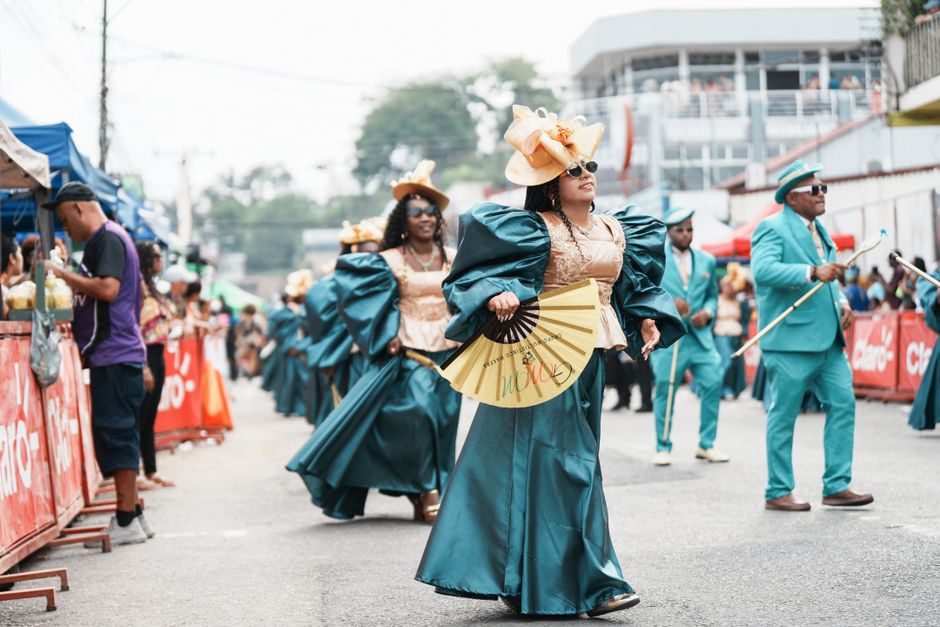
NH International (Caribbean) Ltd, part of the Emile Elias Group, promotes its construction projects as drivers of national development, job creation, and economic growth in Trinidad and Tobago. The company emphasizes integrity, timely delivery, and transformative impact on businesses and communities as it marks its 60th anniversary.
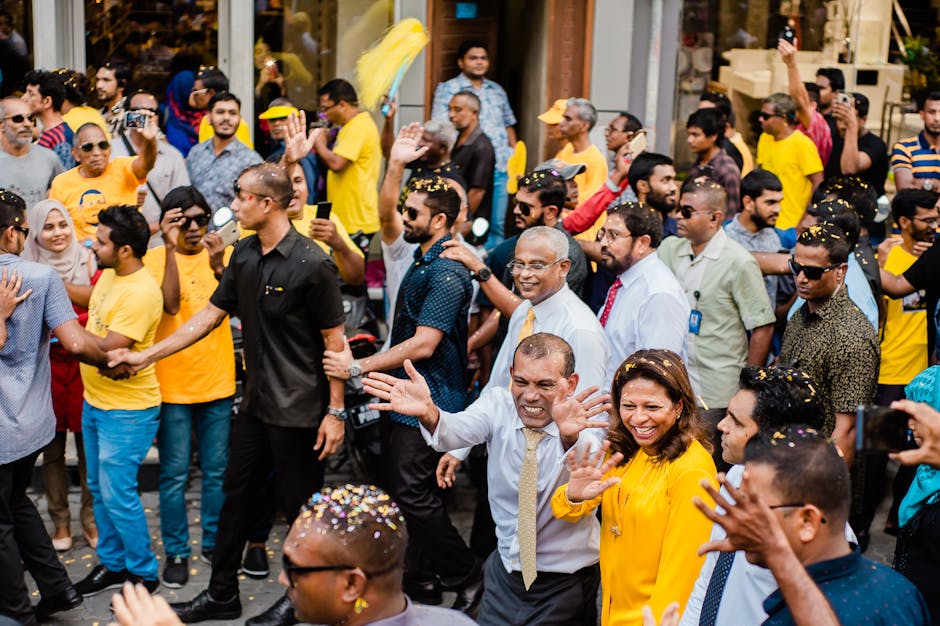
This academic paper examines decolonization in Trinidad and Tobago, arguing that middle-class-led political parties divided along African and Indian lines displaced the labor movement and took control of the post-colonial state. It highlights how class interests shaped the transition from colonial rule.

Caribbean leaders at the Caricom summit defended their pursuit of slavery reparations, calling it a matter of justice rather than a handout. They seek an apology and restitution from European nations that profited from centuries of enslavement and resource extraction, arguing these historical wrongs left the region underdeveloped. The movement is gaining international attention despite resistance from some leaders like Britain's Keir Starmer.
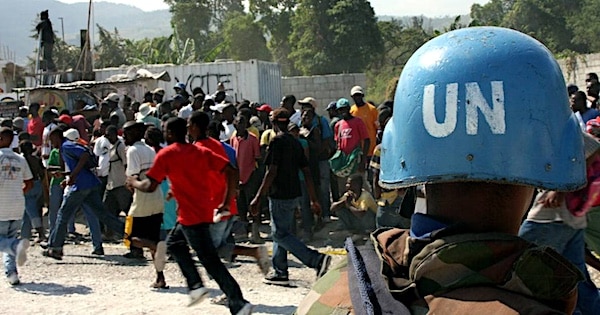
The article discusses the deployment of Kenyan police to Haiti as part of a UN-backed mission, framing it as imperialist intervention that serves U.S. interests and the Haitian elite while ignoring root causes of Haiti's crises. It highlights Kenya's own domestic unrest against IMF-backed policies and draws parallels between foreign intervention and Haiti's history of exploitation.
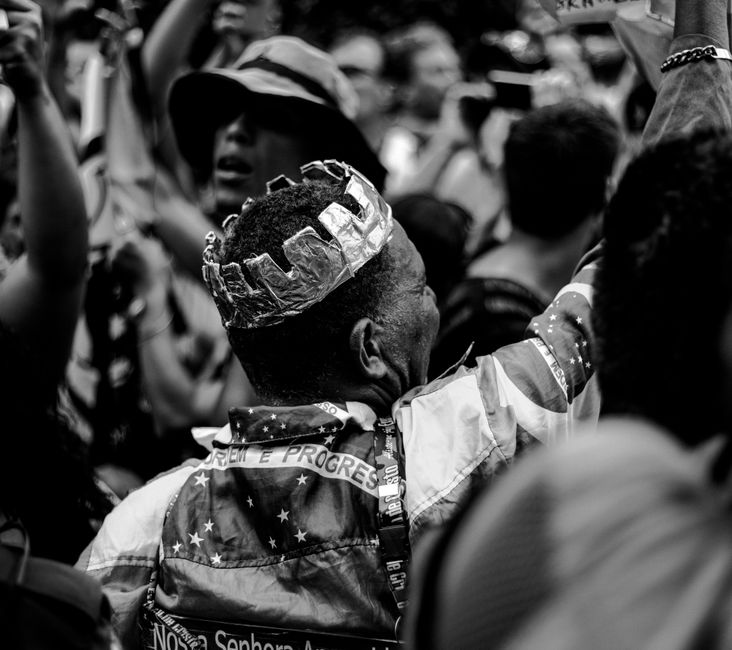
An open letter calls on CARICOM to respect Haitian sovereignty and support the Haitian masses against the ongoing occupation of their country by foreign powers. It criticizes CARICOM's more direct engagement in Haitian affairs and demands solidarity with grassroots resistance rather than external intervention.

Two Haitian political figures, Senate President Joseph Lambert and CEP Secretary General Leon Charles, announced plans to remove Prime Minister Ariel Henry despite U.S. warnings and potential sanctions. The move highlights Haiti's ongoing governance crisis, rooted in colonial legacy and foreign intervention, as the country navigates sovereignty, legitimacy, and instability.

This historical biography recounts Jamaica's experience under Spanish and British colonial rule, from the near-extermination of the Taíno to the rise of a sugar plantation economy built on enslaved African labor. It emphasizes the scale of brutality, the demographic dominance of enslaved Africans, and the many forms of resistance they mounted, including poisonings, sabotage, and the Maroon Wars.
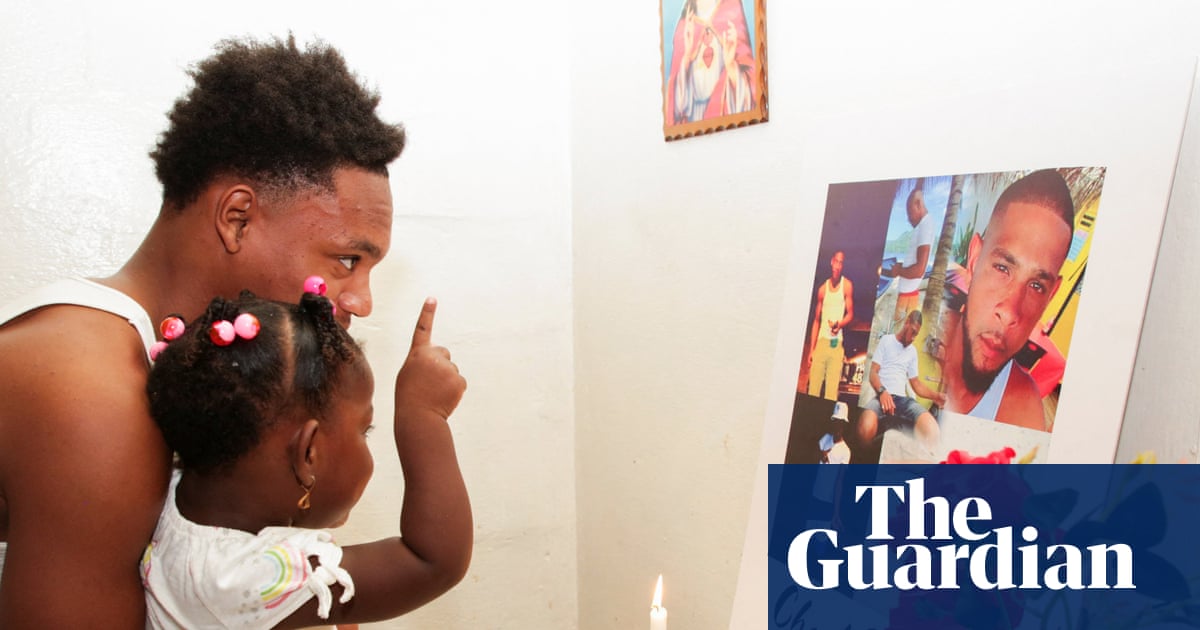
A UN special rapporteur concluded that US airstrikes on alleged drug boats in the Caribbean and Pacific, which have killed over 230 people since September 2025, may constitute crimes against humanity. The strikes have been criticized as extrajudicial killings, and the US has not identified the victims or provided evidence of their involvement in drug trafficking.

Former Miss Universe Jamaica Dr. Gabrielle Henry is suing the Miss Universe Organization and two parent companies over a fall through an unmarked stage opening during the 2025 competition in Thailand. Henry suffered a traumatic brain injury, was hospitalized for three weeks, and claims the incident derailed her medical career. The lawsuit alleges negligence and seeks damages.

King Charles III has referred Jamaica's petition seeking legal advice on slavery and reparations to the Judicial Committee of the Privy Council, which serves as Jamaica's highest court of appeal. The petition asks whether the enslavement of Africans under British rule was lawful, whether it violated international law, and whether the UK owes a remedy. Jamaican officials welcomed the referral as a significant step in their broader reparatory justice efforts.

Antigua and Barbuda's Ambassador Sir Ronald Sanders and Haiti's Ambassador Jean Josué Pierre urged OAS member states to support renewing and fully deploying the Gang Suppression Force in Haiti. Sanders stressed that mandates without personnel, funding, and equipment cannot deliver security, and called for international action against arms trafficking and gang financing to enable Haiti's political and economic recovery.

Guyana, Trinidad and Tobago, and the Dominican Republic joined a U.S.-led declaration against 24 alleged narco-terrorist organizations, including Haitian gangs Gran Grif and Viv Ansanm. The agreement expands intelligence sharing and security cooperation across the Americas, framing the measures as regional security against transnational crime.

Guyana's Attorney General Anil Nandlall denies government involvement in the U.S. visa review of High Court Justice Gino Persaud, who was stopped from boarding a flight in Miami. The review follows Persaud's rulings in cases involving businessman Nazar Mohamed and his son, who face U.S. extradition on fraud and money laundering charges. The incident raises concerns about judicial independence in Guyana.

Jamaica's tourism sector reported an 85% average airline load factor from January to August 2026, even as available seats dropped 22% from the prior year. Officials at the Jamaica Product Exchange in Ocho Rios announced new and expanded routes from North America, Europe, and Latin America, citing robust demand. Deputy tourism director Phillip Rose said the destination's goal is to generate so much demand that airlines are forced to add capacity.
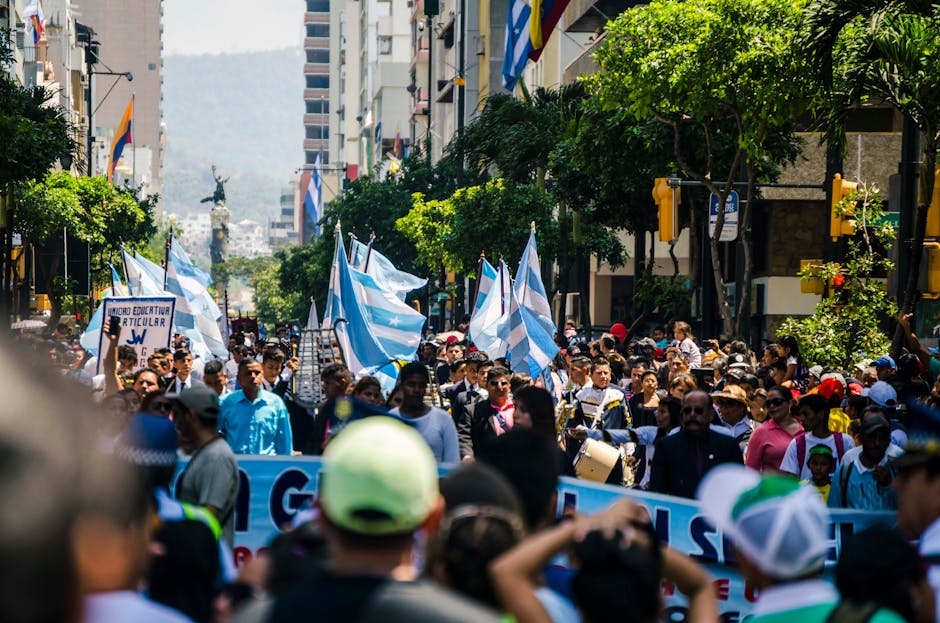
King Charles III has referred Jamaica's petition on slavery reparations to the Judicial Committee of the Privy Council, following a high-level delegation led by Minister Olivia Grange. The petition asks whether enslaving Africans in Jamaica was lawful, whether it constituted crimes against humanity, and whether the UK owes a remedy. The Brattle Report estimates Britain owes £18.6 trillion in reparations, over five times its annual GDP.

St Kitts and Nevis has approved a Citizenship (Amendment) Bill to grant grandchildren born overseas the right to apply for citizenship, addressing a gap since 1983. Dominica announced similar plans, aiming to increase its population to 100,000 by 2040 and encourage diaspora investment.
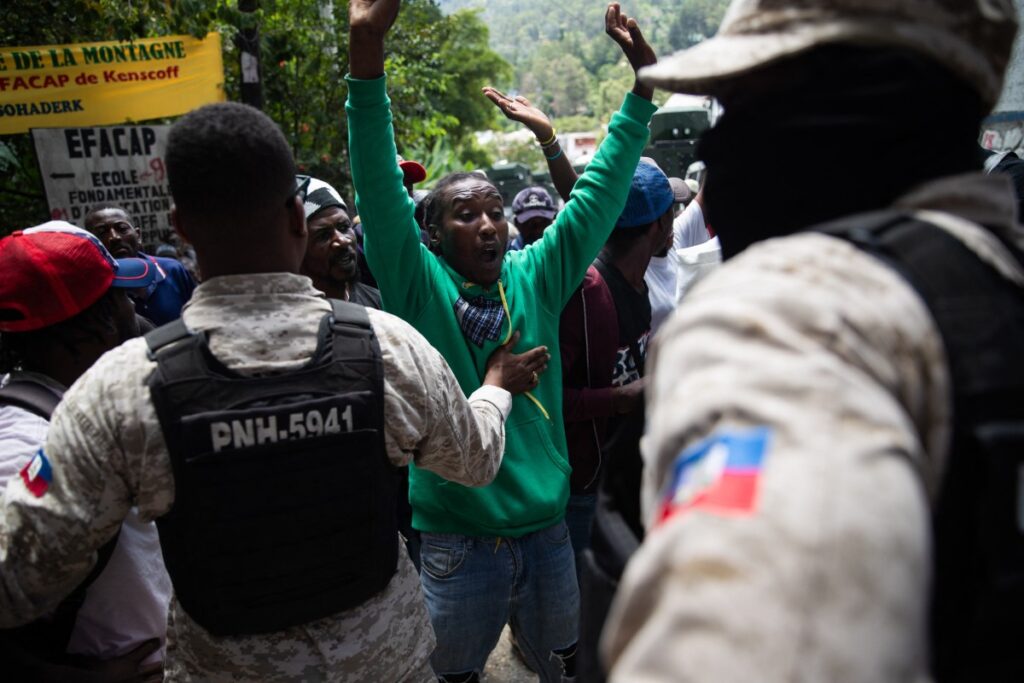
The Dominican Republic urges strengthening the UN-backed Gang Suppression Force in Haiti, citing slow troop deployment. The force remains under 1,100 personnel against a planned 5,500. Elections are scheduled for December amid ongoing gang violence.
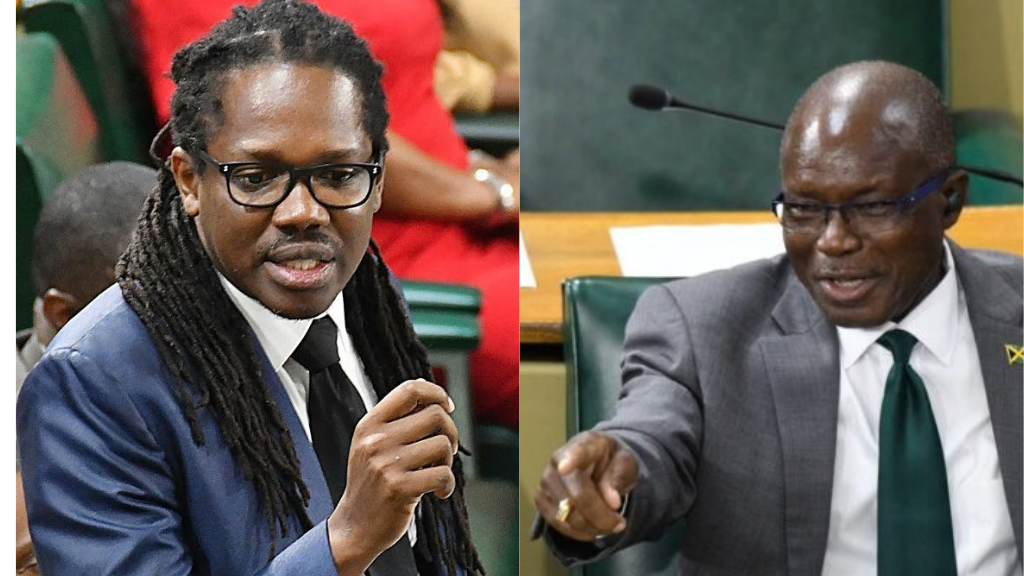
During a Jamaican parliamentary session, Government MP Everald Warmington argued that Jamaica should seek reparations from Africans who sold slaves rather than from Britain, prompting Opposition MP Damion Crawford to reject the argument. The exchange occurred after Britain's King Charles referred Jamaica's reparations petition to the Privy Council, and Crawford emphasized that such deflection obscures Britain's colonial responsibility.
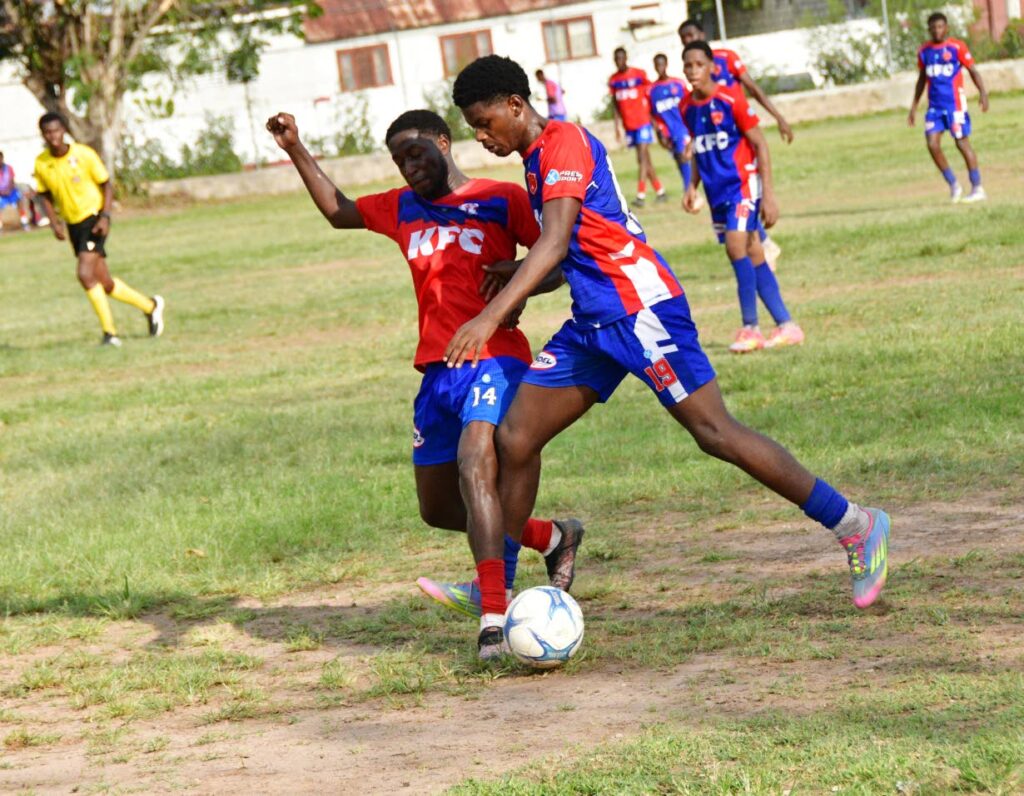
The Jamaica Observer reports on recent ISSA Manning Cup schoolboy football matches, noting Camperdown and Norman Manley as early qualifiers, while Greater Portmore and other schools remain in contention. The article provides standings and results across Zones A, B, and C, highlighting standout performances and surprises in the competition.

Former Miss Universe Jamaica Dr. Gabrielle Henry recounts a near-fatal fall during the 2025 Miss Universe competition, blaming organisers for unsafe stage conditions. She has sued the Miss Universe Organisation, which claims it supported her, but Henry says assistance stopped after she returned to Jamaica. The incident has sparked concern in Jamaica amid other national disappointments.
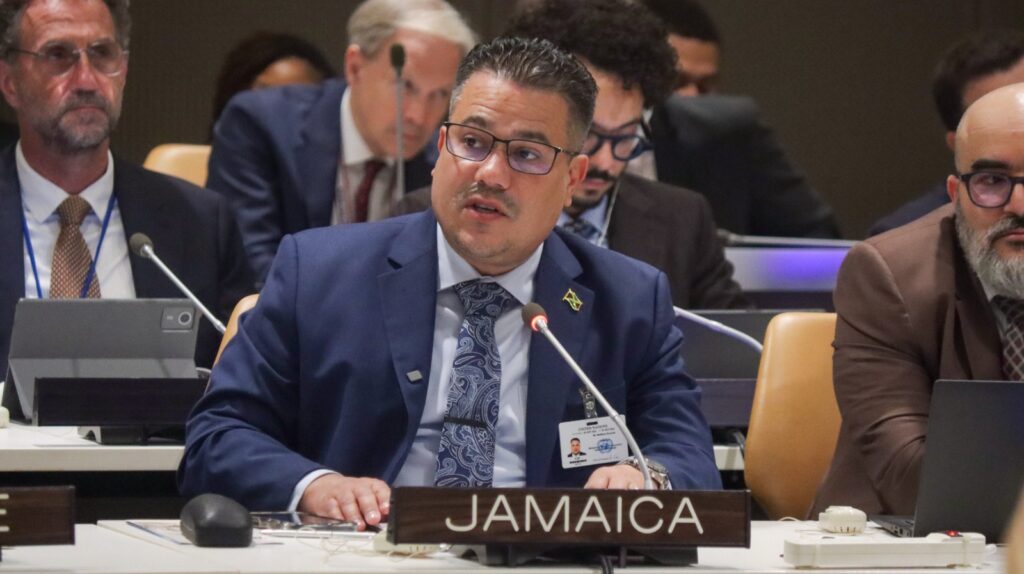
Jamaica's Minister of Water, Environment and Climate Change, Matthew Samuda, addressed the United Nations, calling for a simpler, more connected system to protect ocean and coastal communities. He highlighted that 80 per cent of Jamaicans live near the coast and that Hurricane Melissa caused US$12.2 billion in damages, exceeding half of Jamaica's GDP. Samuda urged better coordination among existing institutions and less paperwork for small island developing states.
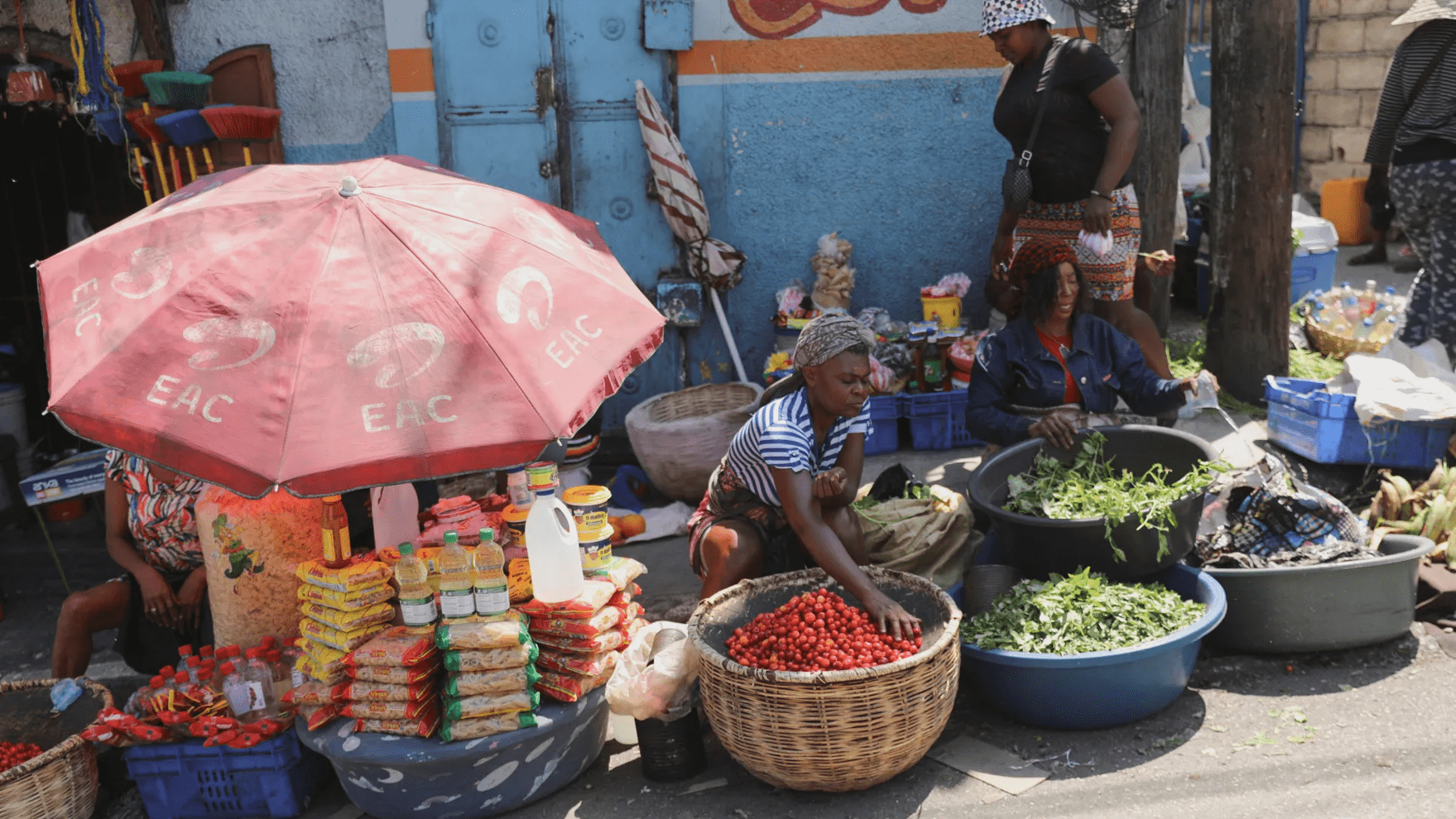
Haiti's Prime Minister resigned amid escalating violence, prompting CARICOM to craft a transition plan and the US to back another UN intervention. The article argues that repeated foreign interventions, from French indemnity to US occupations and UN missions, have eroded Haitian sovereignty and caused the current crisis. It contends that only Haitians themselves can resolve the crisis once foreign interference stops.

Kenyan police arrive in Haiti as part of a UN-backed mission while Kenya faces protests against an IMF-backed finance bill. The article argues this is a fourth foreign intervention that protects elite interests and perpetuates Haiti's structural instability.
The article critiques Latin American leftist leaders for denouncing U.S. and Western imperialism while ignoring Haiti's ongoing loss of sovereignty and foreign occupation. It argues that their selective anti-imperialism reveals a refusal to apply the same principles to Haiti, leaving the fight for Haitian self-determination outside their political imagination.

Guyana's Ambassador Carolyn Rodrigues-Birkett is campaigning to become the first Caribbean woman to lead the United Nations. She has received endorsements from CARICOM and performed well in informal Security Council straw polls, emphasizing the historic nature of her candidacy.

Over 250,000 children in Haiti are projected to face acute malnutrition in the coming year as armed violence, displacement, and food insecurity deepen the humanitarian crisis. UN agencies and Haiti's health ministry warn that conditions will worsen, especially in Cité Soleil and Cabaret, and are calling for expanded nutrition treatment and support for vulnerable households.

An international health assessment gave Jamaica 110 recommendations to improve disease surveillance, laboratory services, and emergency preparedness over the next three to six years. Jamaican officials welcomed the findings, while WHO and PAHO emphasized cross-sector collaboration to strengthen health security.

Trinidad and Tobago's Prime Minister Kamla Persad-Bissessar warns she may declare another State of Emergency if security threats re-emerge, despite new legislation strengthening crime response. She claims the previous State of Emergency was successful, with 3,552 people charged, and targets organized crime and gangs. The Special Operations Bill, now before the Senate, provides a legal framework for joint police and military operations.

Eighteen suspects in the 2021 assassination of Haitian President Jovenel Moïse have been transferred from Haiti to Florida to face trial in U.S. federal court. The move follows earlier convictions in Miami linked to a Florida-based private security firm, as Haiti remains without an elected president amid escalating gang violence.

Tourism Minister Edmund Bartlett says most of the 15,000 to 20,000 Jamaican tourism workers affected by Hurricane Melissa have returned to their jobs. About 6,000 of the 15,000 hotel rooms taken out of service have reopened, with the rest expected by April 2027. Jamaica will enter the winter season with roughly 80 percent of its accommodation capacity restored.

A man from Tunapuna, Trinidad and Tobago, has been charged with using a fake cheque. The story reports the arrest and charge without exploring underlying economic or social causes.

Trinidad and Tobago's government is decommissioning the 268-year-old Port of Spain Prison due to inhumane conditions and constitutional rights violations, but simultaneously rebuilding gallows at Golden Grove Maximum Security Prison. The Homeland Security Minister evaded questions on resuming hangings while warning criminals they could end up on the gallows, framing execution as a deterrent despite the prison closure being justified by rehabilitation rhetoric. The decision follows consultation with Port of Spain businesses who celebrated removing the prison from the capital.

Asha Jones, founder of Living Legacy Wellness in Barbados, is the only certified DementiAbility Trainer in the Caribbean. She provides person-centred therapeutic recreation and dementia education, drawing on her diverse career and personal loss to improve quality of life for older adults.

The president of the Barbados Association of Retired Persons, Marilyn Rice-Bowen, called for greater support for older women who continue to bear a disproportionate caregiving burden for adult children and grandchildren. She noted that many retirees spend substantial portions of their retirement income on family support, affecting their physical, mental, and financial well-being.
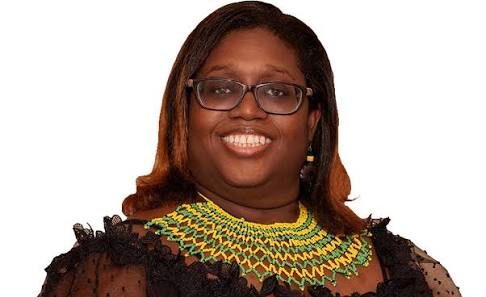
Barbados is digitizing its health records and hospital systems under the Health Services Resilience Programme, with officials pledging that elderly, rural, disabled, and other vulnerable groups will not be excluded. A public consultation addressed governance, cybersecurity, and climate risks to data infrastructure, while a 2022 assessment found fragmented systems needing stronger coordination.
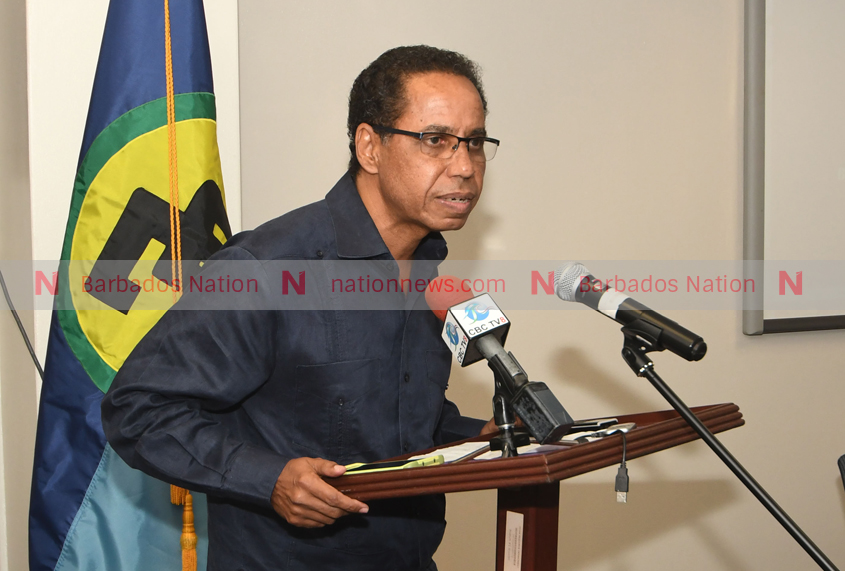
At the third CARICOM Reparations Conference in Barbados, Ambassador David Commissiong argued that reparations for the transatlantic slave trade must go beyond financial settlement to include correcting historical narratives, reclaiming sovereignty, and pursuing economic and climate justice. He highlighted growing momentum, including African Union-CARICOM partnerships and EU engagement, while urging coordinated action rooted in Garveyite mass mobilization.
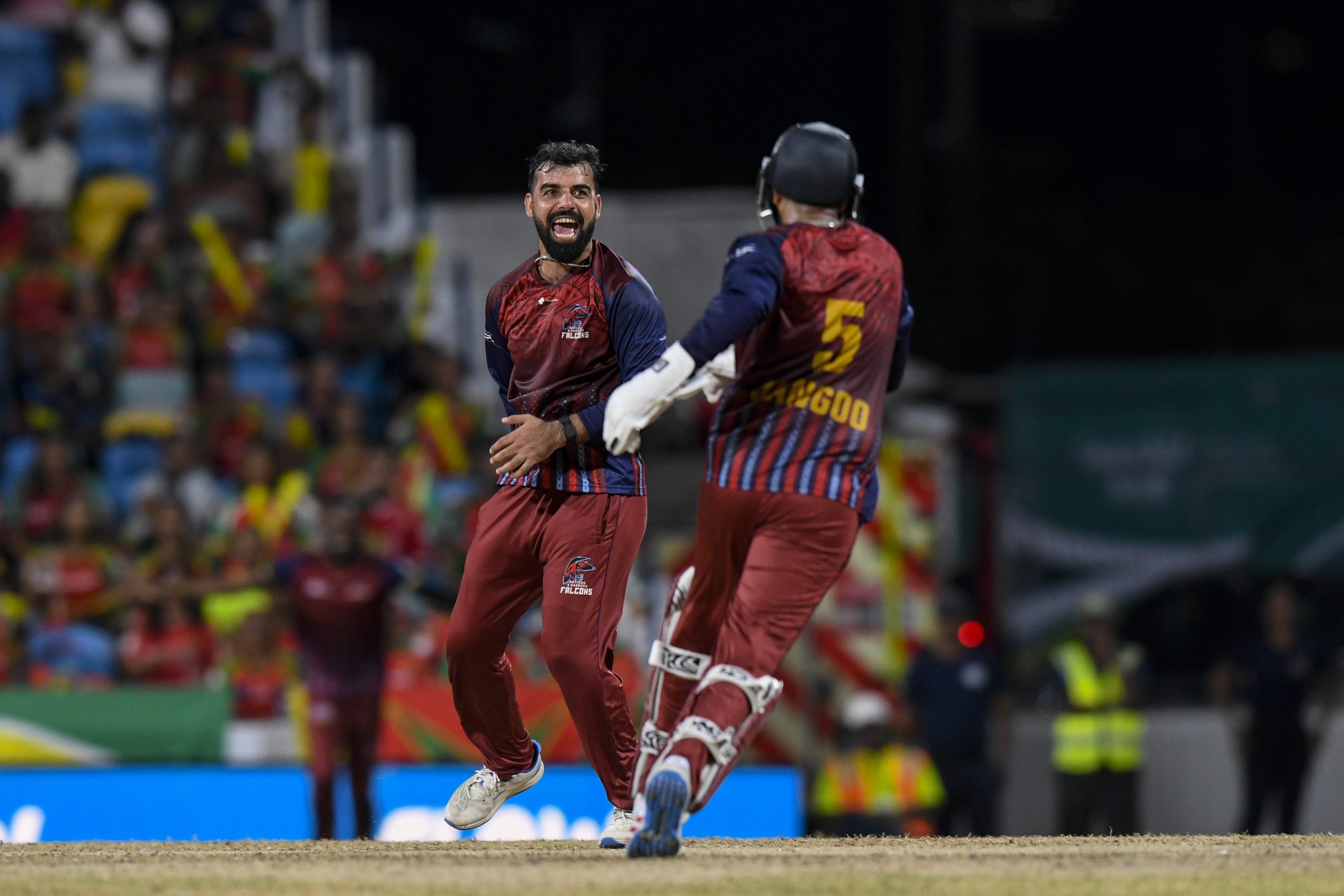
The Caribbean Premier League final will be contested between the Antigua and Barbuda Falcons and the Jamaica Kingsmen at Kensington Oval in Barbados. Both teams feature star players who returned to represent their nations, and captains expressed confidence ahead of the historic match.
The Organization of American States will assist Antigua and Barbuda in strengthening democratic participation and citizenship education in schools. The project, funded by the United States, will review curricula and identify training priorities, with the OAS citing poverty alleviation as a goal.

Barbados has secured over US$144 million in fiscal savings through debt-for-nature and debt-for-climate transactions arranged with CIBC Caribbean, freeing funds for water security, sewage modernization, and coastal resilience. The deals were highlighted at the Caribbean Infrastructure Forum in Miami as a model for attracting private capital to the region. Critics question the long-term cost of foreign-owned financial arrangements over national assets.
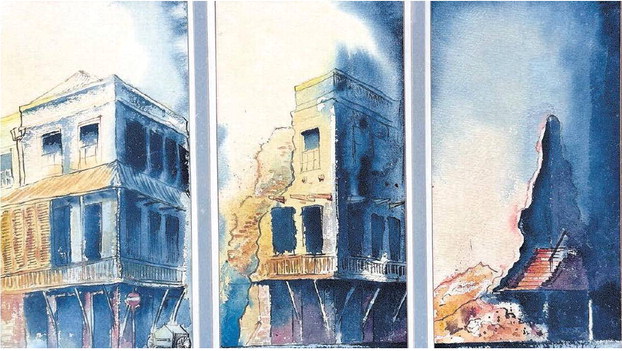
Veteran Barbadian artists Sir Henry Fraser and Arthur Atkinson are exhibiting works at Caribbean Brushstrokes in Pelican Village, celebrating Barbadian heritage through landscape expressionism. The exhibition, titled Of Barbados, runs until October 9 and traces Sir Henry's decades-long fusion of medicine, history, and art.
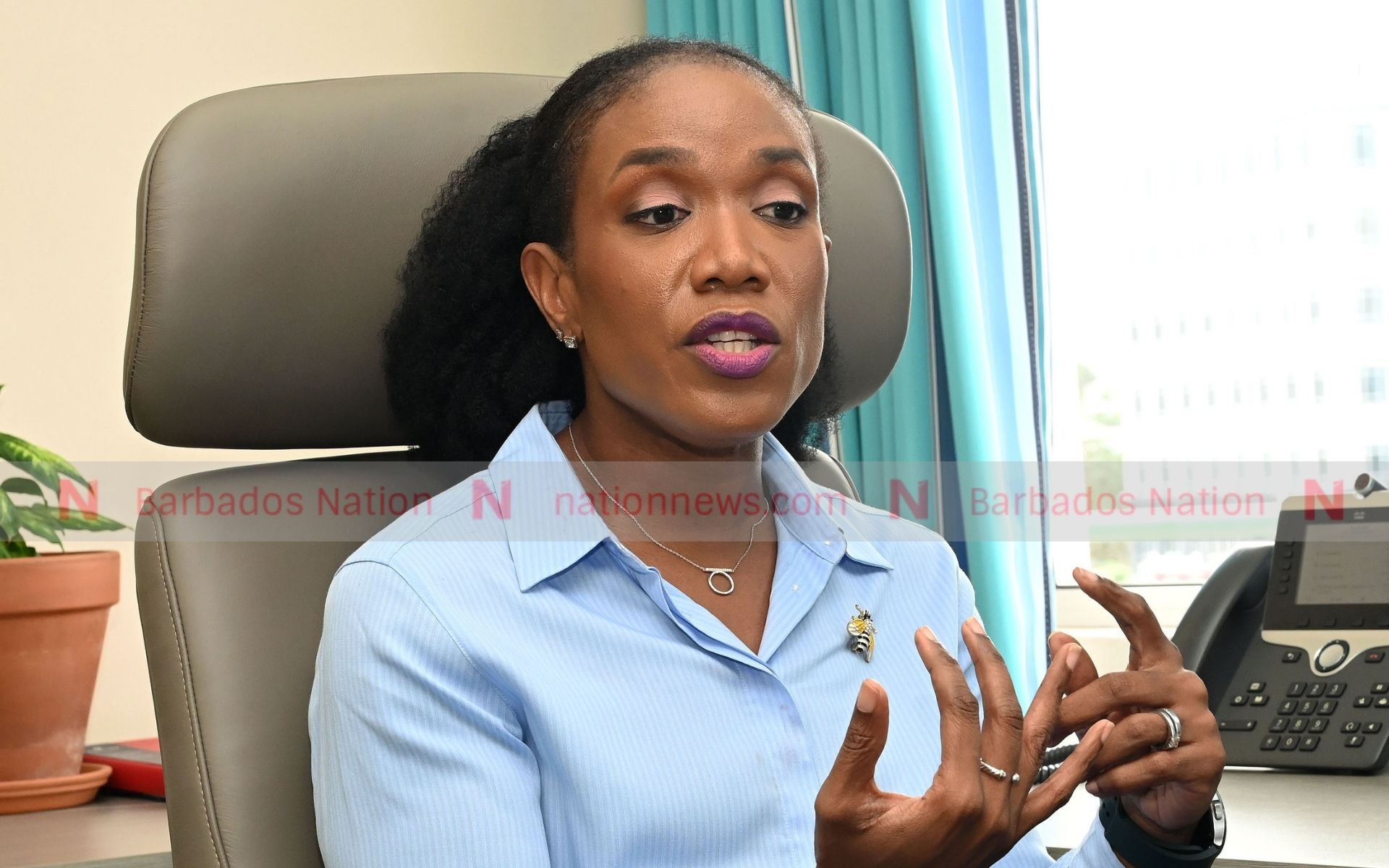
Barbados' House of Assembly passed amendments to the Financial Services Commission Act, granting the FSC increased regulatory authority over the non-bank sector. Minister Marsha Caddle linked the changes to international cooperation MOUs, citing the need to protect consumers from financial fraud, especially in cryptocurrency markets. The legislation aims to modernize oversight and enhance cross-border information sharing.
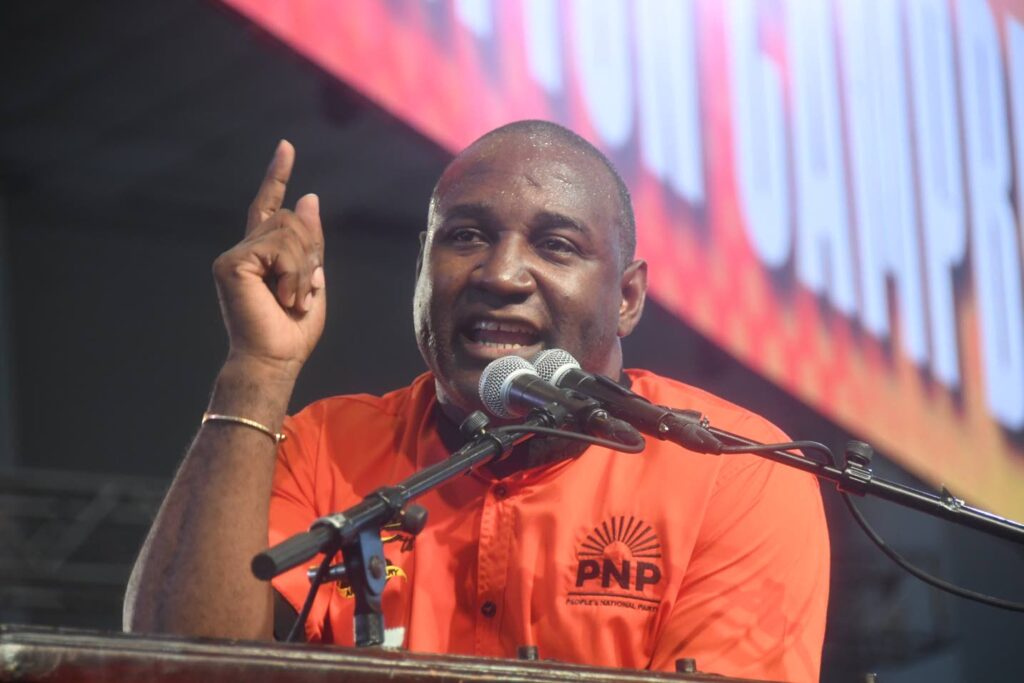
PNP General Secretary Dr Dayton Campbell accused the Jamaican government of 'robbery in plain sight' over contracts for semi-permanent houses in Westmoreland and St Elizabeth, alleging political sabotage because those constituencies voted PNP. He claims no homes have been built in his constituency since Hurricane Melissa, while his team erected over 40 homes, and criticized the $1 billion cost for foundations.
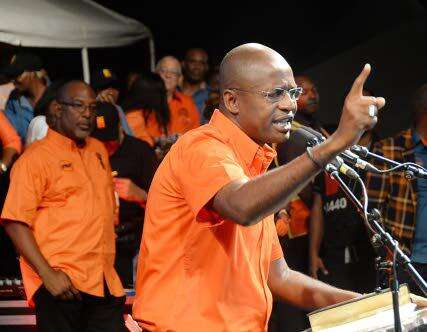
Opposition MP Ian Hayles said Jamaica is becoming a country of 'overnight' food under the Jamaica Labour Party government, citing a UN report that 55 percent of Jamaicans are food insecure. He highlighted struggling minimum-wage earners, poor infrastructure, and hurricane recovery failures in Westmoreland.
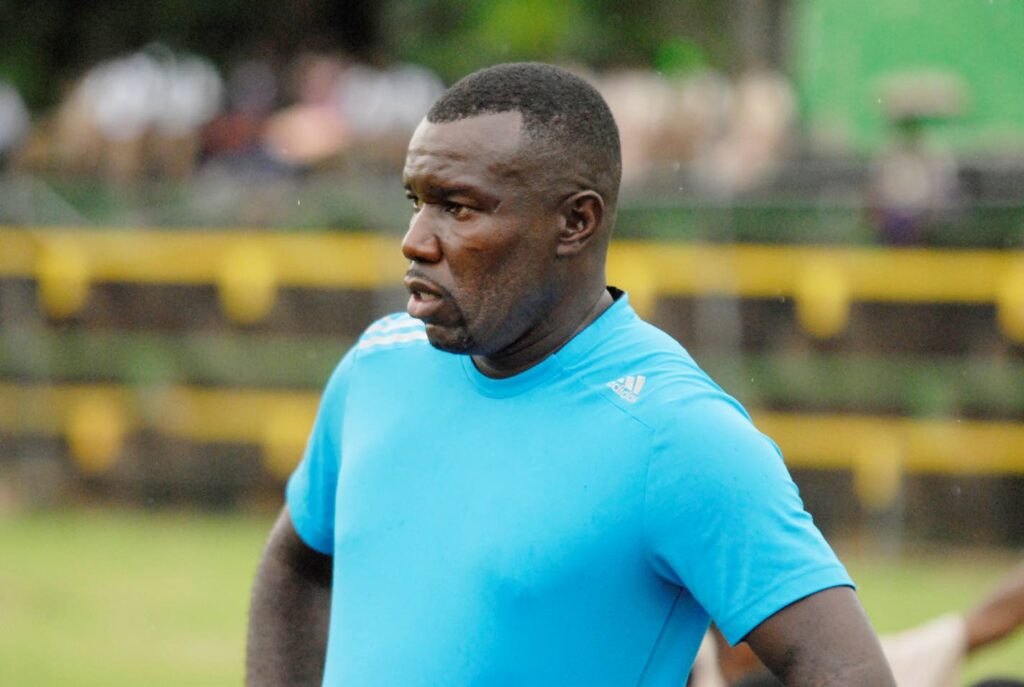
Mt Pleasant FA lost their second consecutive Jamaica Premier League match, falling 1-0 to 10-man Racing United after an earlier 4-0 defeat to Tru-Juice FC. Other matches saw Chapelton Maroons beat Molynes United 2-1 and Treasure Beach draw 1-1 with Tivoli Gardens. The report focuses on match results, player discipline, and league standings.

Opposition health spokesman Dr Alfred Dawes accused the Jamaican government of creating 'two Jamaicas' in healthcare, where the wealthy receive immediate private care while the poor endure deadly waits on public hospital trolleys. He criticized increased health budgets that have not improved crumbling public facilities and accused the government of political sabotage in Westmoreland after Hurricane Melissa.

A Jamaican opposition politician says families are carrying calculators to supermarkets because of relentless price increases. UN data shows 55 percent of Jamaicans face food insecurity, with 28 percent going hungry for entire days. The speech ties these numbers to the lived experience of working people who cannot feed their families.

The Jamaica Observer reports on the People's National Party's 88th Annual Conference in Westmoreland, Jamaica, highlighting the energetic atmosphere as leader Mark Golding arrives to a sea of orange-clad supporters. The article describes the enthusiastic crowd awaiting Golding's scheduled 6pm address, noting the event's high momentum despite earlier rain.

The People's National Party held its 88th Annual Conference in Westmoreland, the first time outside Kingston, to stand in solidarity with Hurricane Melissa victims. Despite heavy rain, thousands attended, but some vendors faced criticism for price-gouging umbrellas and rain cloaks.
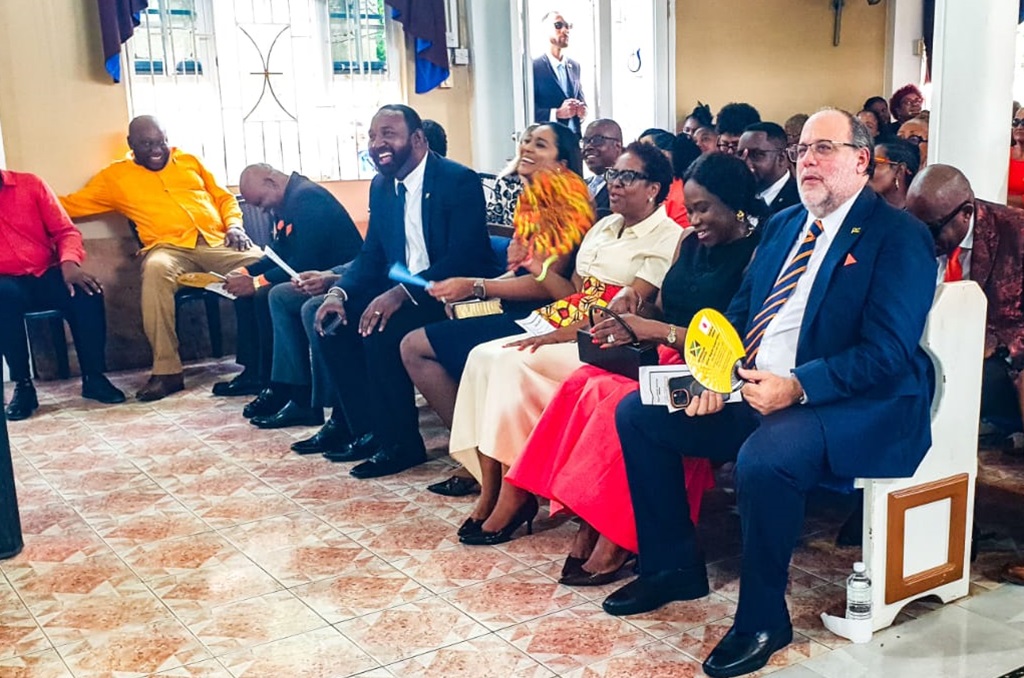
PNP President Mark Golding held the party's 88th annual conference in Westmoreland, Jamaica, rather than Kingston, citing solidarity with residents still recovering from Hurricane Melissa. The event included a church service, community projects, and a donation, with local leaders praising the move as historic.
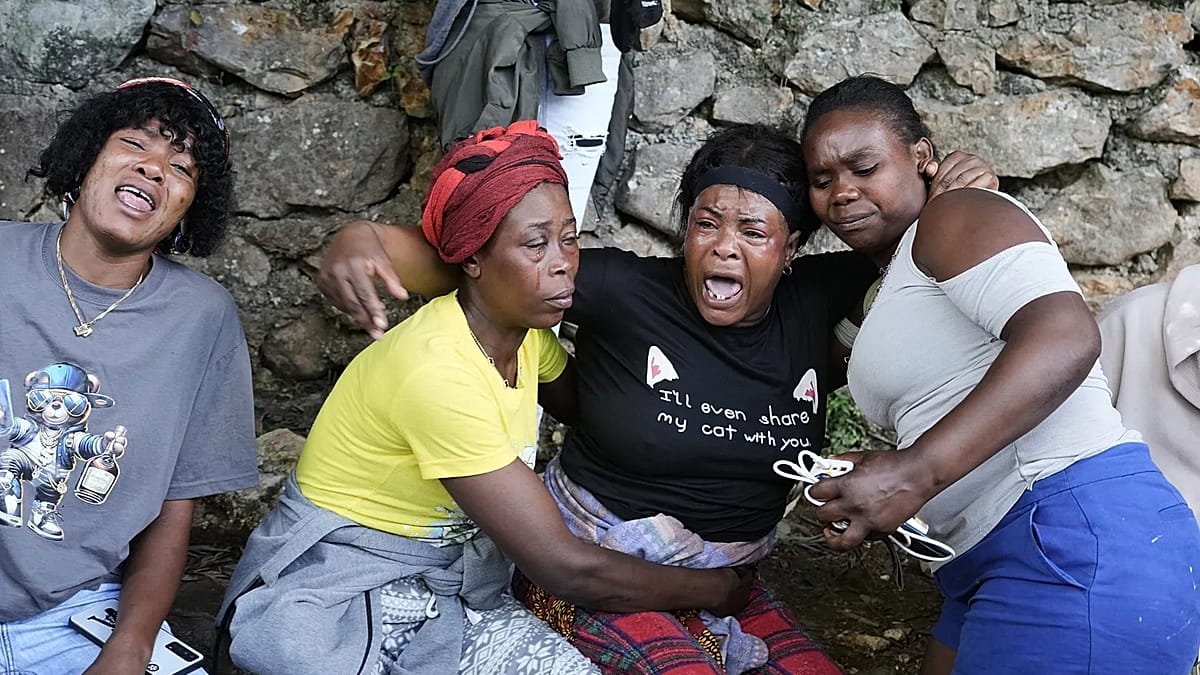
A gang attack in Haiti killed at least 47 people and led to over 50 kidnappings. The report focuses on the immediate violence but omits historical and economic context.

The UN reports that gang violence in Haiti is worsening an already severe humanitarian crisis, with mass displacement and overlapping climate and economic shocks. The article emphasizes the deteriorating conditions but lacks deeper context on the structural drivers.

This article traces the history of Caribbean rum from its origins in slave labor to its current global market, showing how the industry's profits have always been tied to exploitation. It connects past plantation systems to present economic structures, including water access challenges in Dominica and the branding of rum in global markets.

Jamaica's government is petitioning King Charles to refer slavery reparations questions to the Privy Council, arguing that Britain still benefited from compensating slave owners until 2015. Minister Olivia Grange is also seeking repatriation of colonial-era artifacts from the British Museum. The petition, which asks whether enslavement was legal and if redress is due, marks a formal step toward reparative justice.
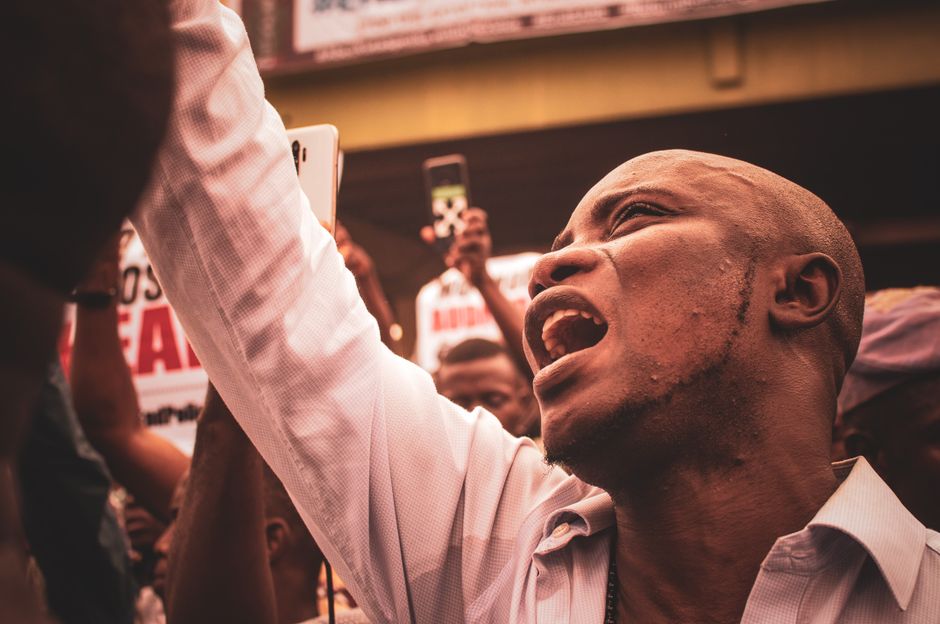
The CARICOM Ten Point Plan outlines development priorities and demands reparations from the UK and Europe for centuries of native genocide, chattel slavery, and extractive colonialism. It presents a unified Caribbean stance for justice and redress.

The Black Alliance for Peace rejects calls for foreign military intervention in Haiti, arguing that ongoing protests stem from economic hardship and a history of foreign meddling, not just gang violence. They urge CARICOM and the international community to respect Haitian sovereignty and support a Haitian-led transition to democracy.
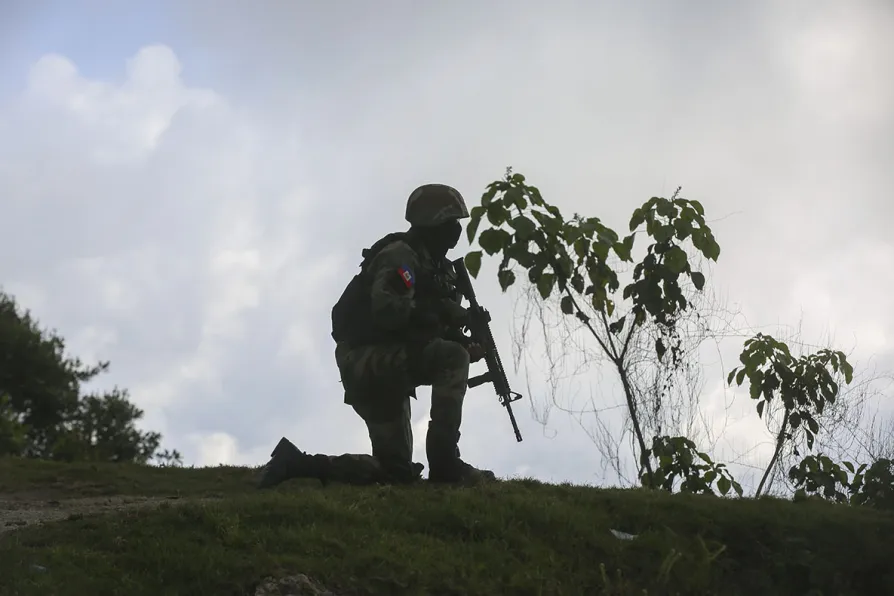
The article critiques UN and US intervention in Haiti, arguing that gangs are scapegoated while foreign powers destabilize the nation and impose puppet leaders. It highlights the lack of elections and parliamentary dissolution as evidence of neo-colonial domination.
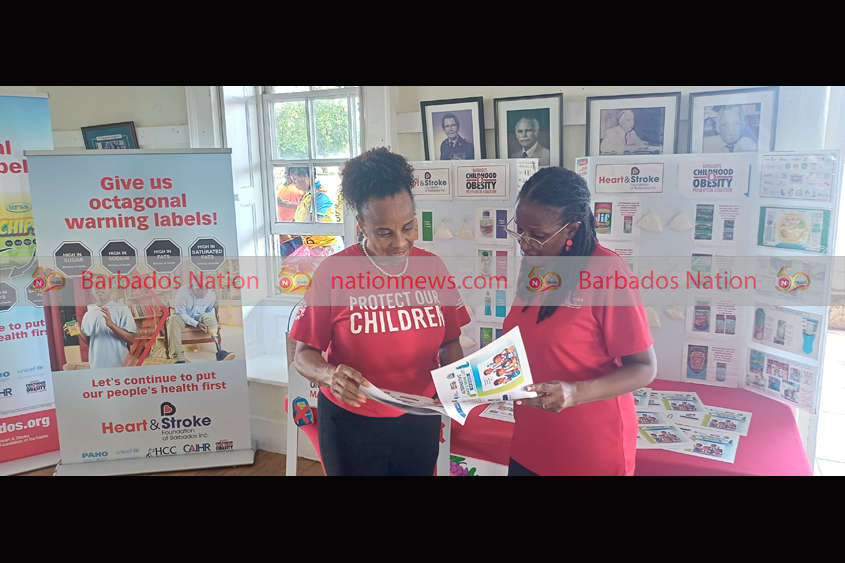
The Heart and Stroke Foundation of Barbados held a forum to promote healthy eating among schoolchildren, citing high obesity rates. Advocacy officer Jan Phillips stressed the need for cultural change, noting progress with an alternative snack list. The event aimed to educate parents on nutrition policies and healthy options.

Jamaican-born Karl Bryan is appointed honorary consul in Richmond, Virginia, aiming to strengthen community ties and business links with Jamaica. The story focuses on his personal journey and the growing Jamaican population in Virginia.

More than half of Jamaicans face food insecurity, with 28% experiencing severe hunger, exacerbated by hurricanes and climate shocks. The government is launching a $50 million agricultural resilience program to address the crisis.

A Haitian bishop appeals to President Trump to reconsider TPS termination for Haitians, citing ongoing instability and danger in Haiti. He emphasizes the contributions of TPS holders and the humanitarian need to prevent forced returns.

Antigua and Barbuda continue negotiations with the US over accepting third-country nationals deported from the US, with conditions such as background checks and travel documents. St Lucia has already begun receiving deportees, while Antigua's PM rejects a US request to accept 120 without sufficient guarantees.

Bahamian artist Stefan Davis, known for Airbrush Junkies, was killed in a Miami-Dade crash when a deputy's traffic stop triggered a pursuit involving a man wanted for military desertion. Tributes highlight Davis's artistic legacy and mentorship in The Bahamas.

Bermuda tightens immigration rules, adding visa restrictions for several Black-majority nations, and plans to crack down on sham marriages. The government also expands job protection for Bermudians in insurance entry-level roles.

Guyana breaks ground on a new regional law school after decades of talks, aiming to expand access for local graduates facing limited places at existing Caribbean institutions. The project, approved in 2025, will operate as a fourth CLE school serving the region.
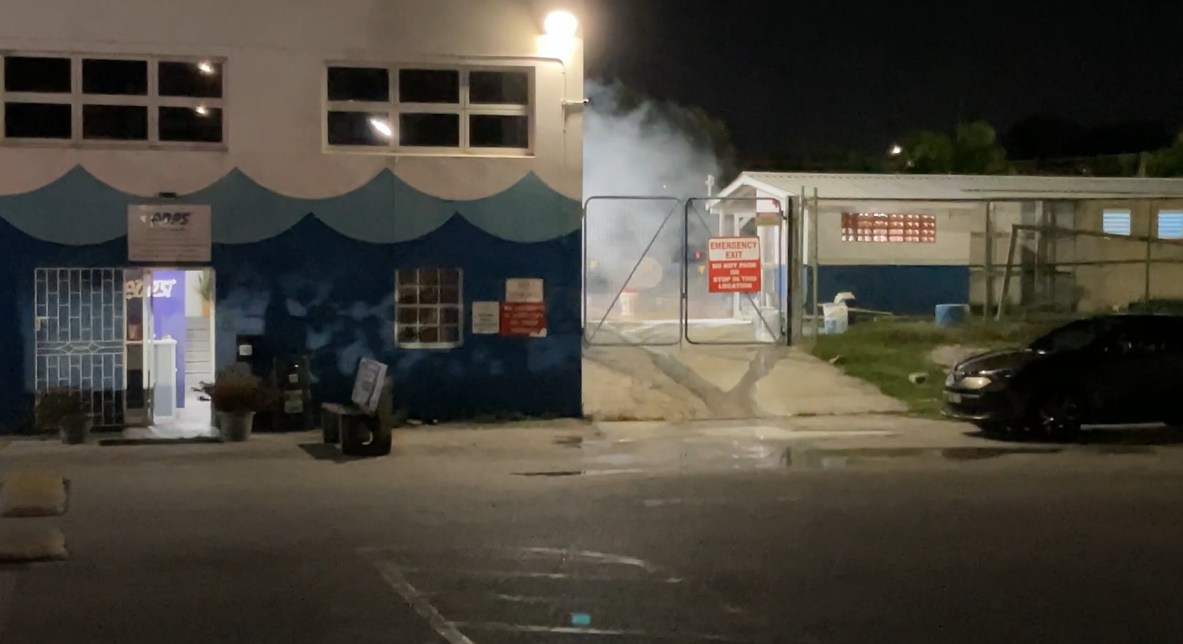
An explosion occurred at the Aquatic Centre in Wildey, Barbados, when stored chlorine ignited, causing loud blasts and a strong bleach smell. People were evacuated and the nearby tennis finals paused, with one injury reported and two fire tenders responding.

Jianna Fagon, a Barbadian dancer trained in Caribbean and classical styles, has achieved international success, performing in Disney's The Lion King and Frozen in Germany. Her journey from Barbados to Europe highlights her personal achievements and aspirations to develop Caribbean performance arts.
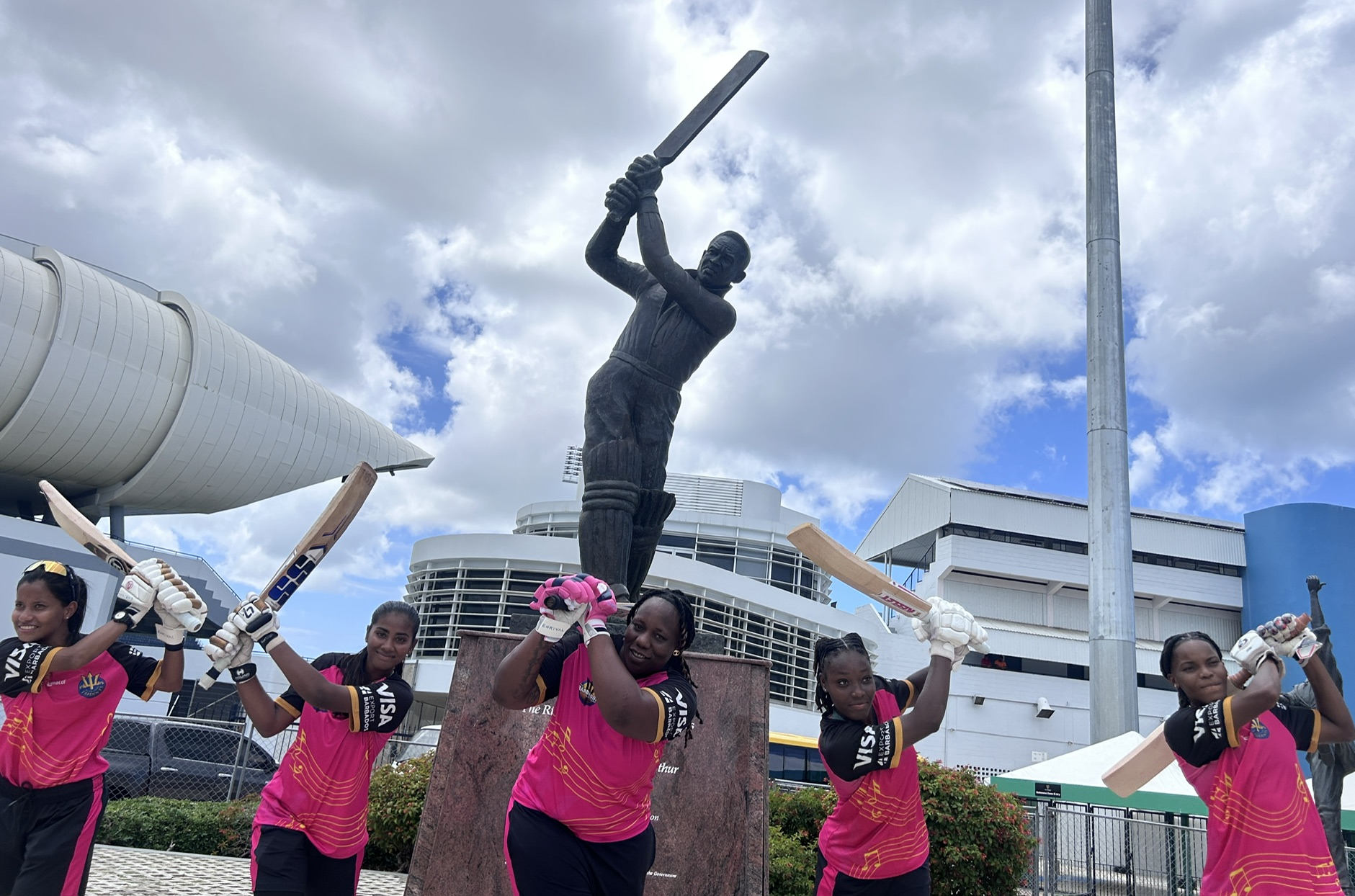
The Barbados Tridents men's and women's cricket teams are intensifying preparations for their home opener in the Caribbean Premier League at Kensington Oval. Coaches and players express confidence and excitement, underscoring the buzz around hosting matches for the next two weeks.
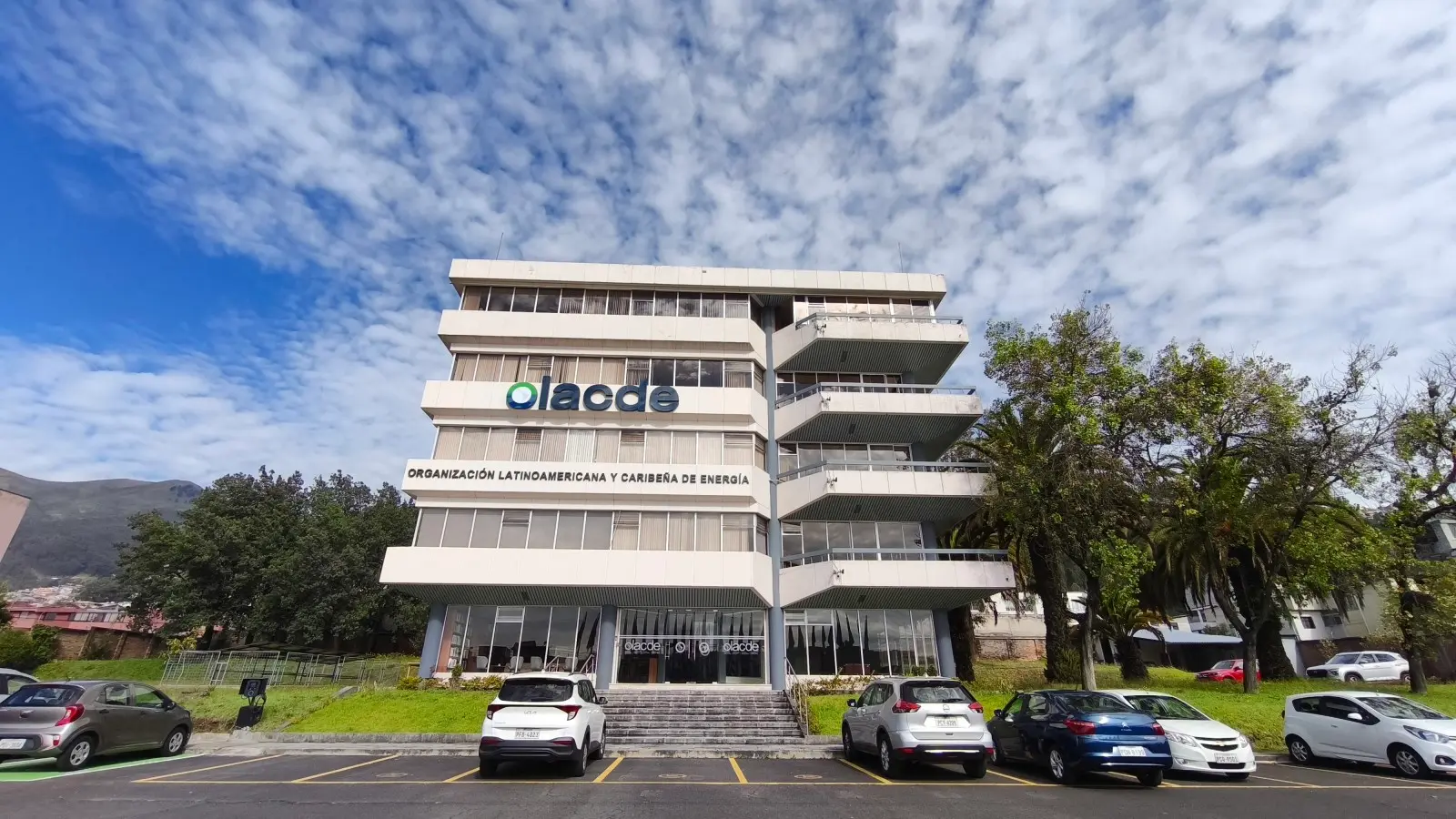
The OLACDE report highlights uneven regional trade integration in Latin America and the Caribbean's energy sector, noting that while production is strong, much is exported and imports rely heavily on outside suppliers. It stresses the need for intraregional agreements to bolster energy security.
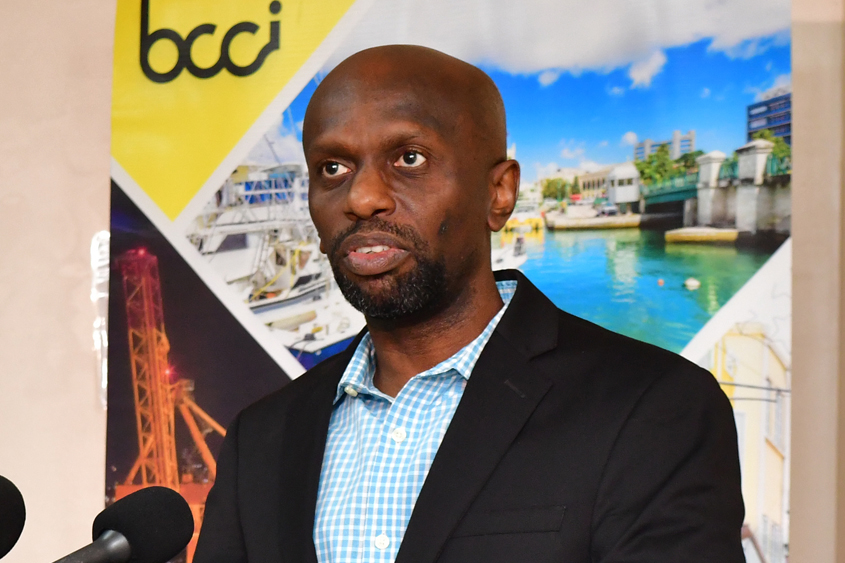
Economist Winston Moore advises Barbadian businesses to consider equity financing to reduce capital costs, while BCCI president Paul Inniss notes investment readiness hinges on returns. The conversation highlights the need for alternative funding mechanisms like a junior stock market to foster innovation.
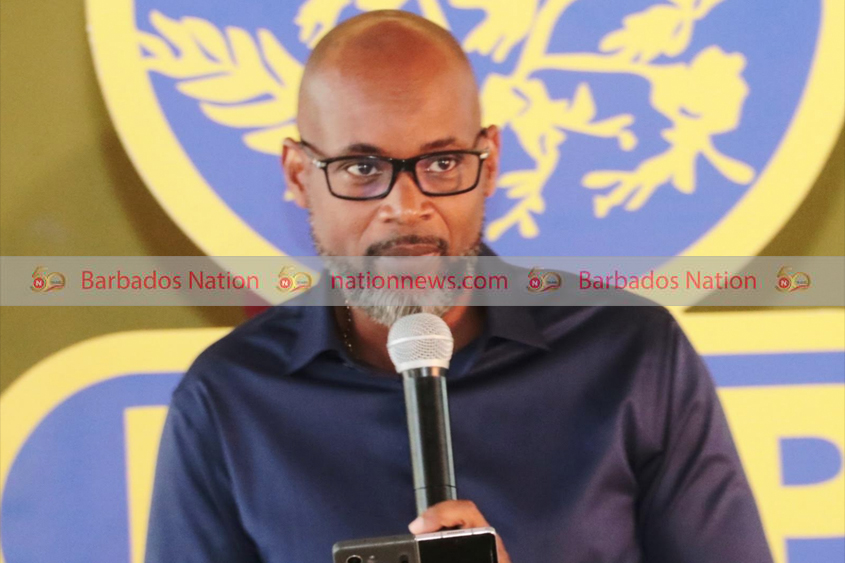
The new general secretary of Barbados' Democratic Labour Party aims to unify the party and regain public trust after consecutive electoral losses. The article focuses on internal reconciliation and community outreach, without addressing structural issues affecting Black Barbadians.
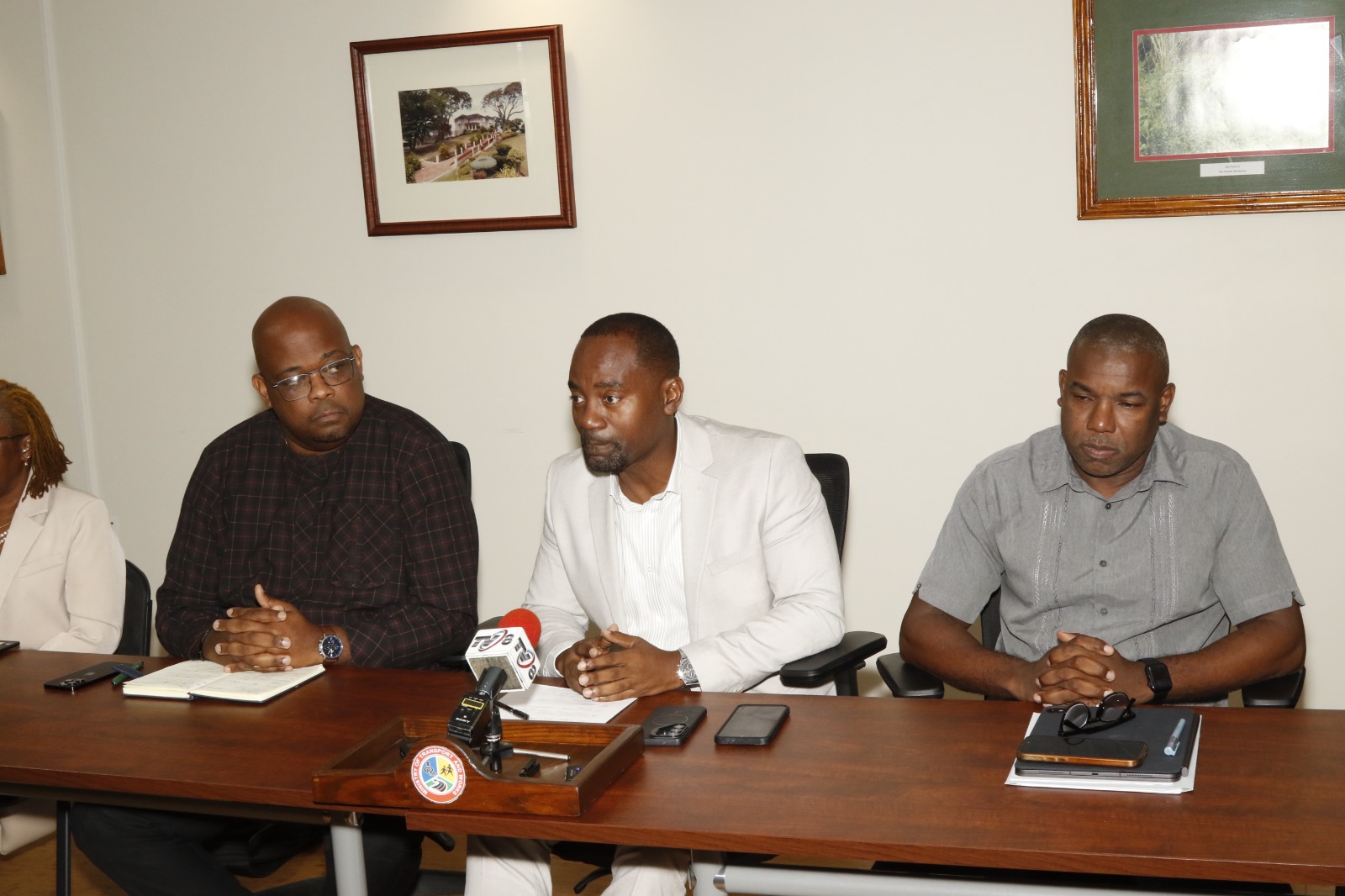
Barbados' government announced plans to create a dedicated school bus fleet, featuring cameras, trained staff, and disciplinary measures. Officials frame the initiative as improving safety and traffic, but also emphasize addressing student indiscipline and promoting conformity in appearance and behavior.

Four primary schools in Barbados will undergo major infrastructural upgrades, including hurricane shelter compliance and inclusive classrooms, from September 2026 to August 2027. Students will be relocated to other schools and community centers during construction.

A 42-year-old man, Andre Jamal Harry, was fatally stabbed near a market in Barbados. Police are investigating and have a person of interest. The report provides basic details but no social context.

King Charles and Queen Camilla will tour the Caribbean in October 2026, including CHOGM in Antigua and Barbuda, visits to the Bahamas and Guyana. This marks Charles's first regional visit since Barbados became a republic, where he acknowledged the slavery atrocity.

Jamaica's government lists 60 public beaches, but activists argue this fails to address systemic denial of coastal access rooted in the 1956 Beach Control Act, a colonial-era law deemed racist. The campaign, led by Dr. Devon Taylor and JABBEM, continues to demand legal reform to ensure all Jamaicans can enjoy their coastline.
Powerman, a Jamaican dancehall veteran, mourns the fatal stabbing of his 25-year-old son in Brooklyn, the second son lost in 16 months. The report focuses on the father's grief and the police investigation, without broader context on violence or systemic issues.
The Jamaica Observer reports that a 48-hour curfew in sections of the St Andrew North police division has been extended. The curfew restricts movement within specified boundaries, with individuals required to remain indoors unless authorized by the ground commander. The article provides no further context or comment.

JN Bank appoints Luwanna Williams as managing director, following the retirement of Leesa Kow. This makes women heads of six of eight commercial banks in Jamaica, marking a significant shift in leadership.

A 48-hour curfew has been imposed in sections of Manchester, Jamaica, from September 4 to 6, with specific boundaries requiring residents to stay indoors unless authorized. The brief report provides no reason for the curfew or context about the community.
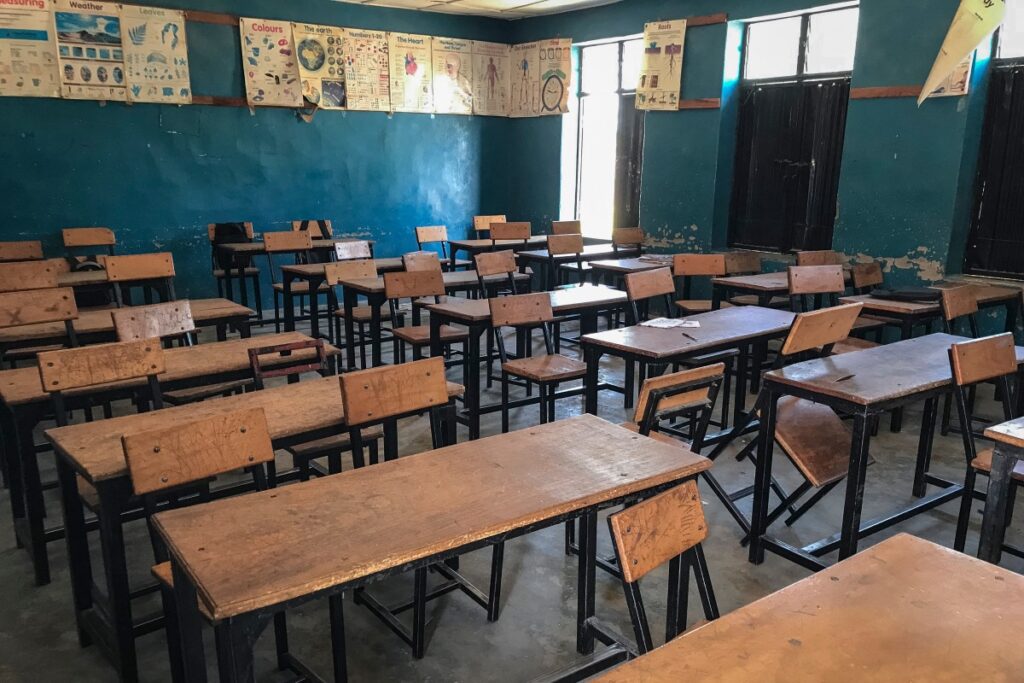
The Jamaican government is providing backpacks, stationery, uniforms, and books to children affected by demolitions at Cooper’s Pen, Trelawny, ahead of the school term. The support follows a directive from Prime Minister Andrew Holness, with ministries coordinating assistance. The demolition itself is not explained in the article.
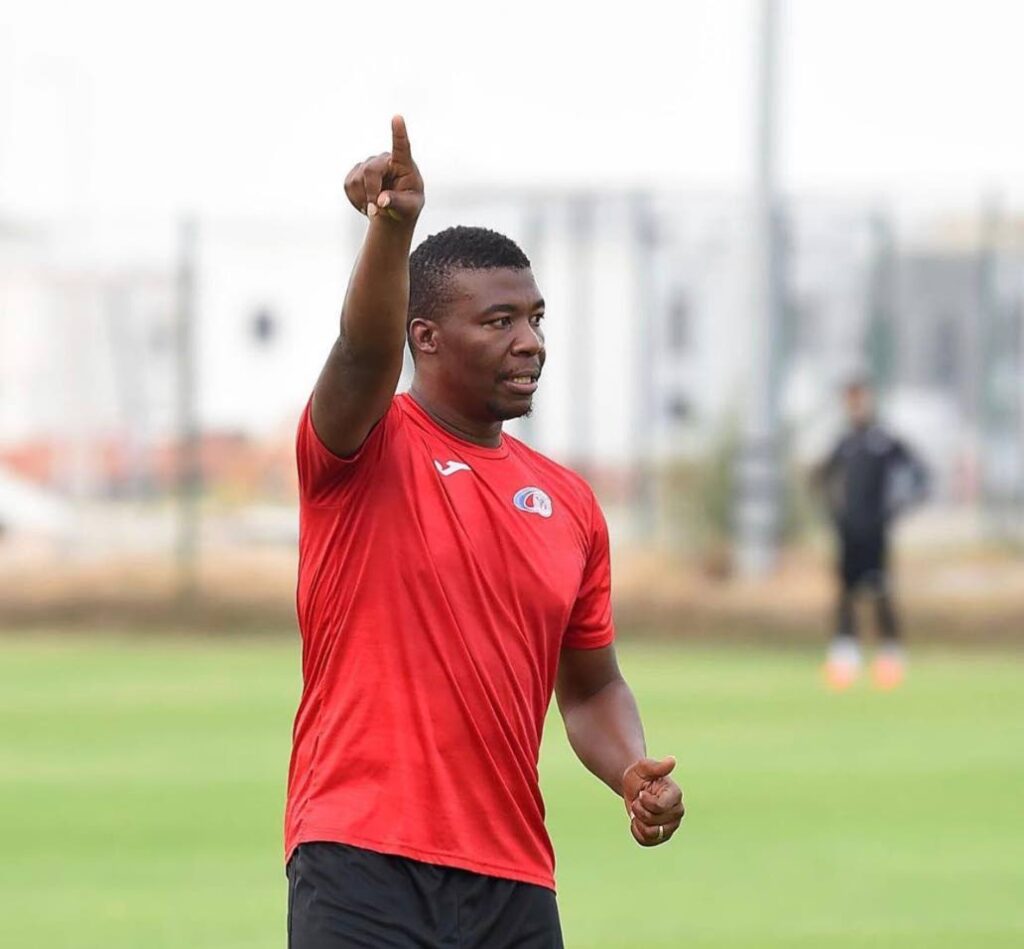
Barbican FC appoints Miguel Coley as president and director to guide the club's growth, focusing on community engagement, youth opportunities, and strategic partnerships. The announcement emphasizes Coley's leadership and the club's commitment to sustainable development within the Barbican community.
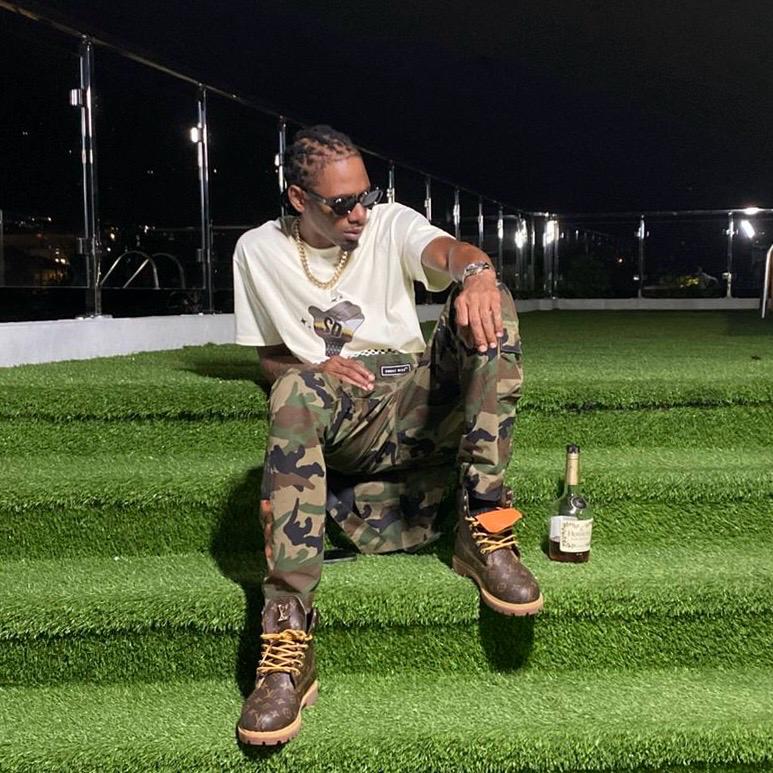
Rising dancehall artist Jay-A is releasing his EP 'Quick7', drawing on his Jamaican roots and mentorship from top artists. The piece celebrates his ambition, versatility, and international reach from Miami.

The article reports on Haiti's escalating humanitarian crisis, with over 1.4 million people displaced due to gang violence, political instability, and economic collapse. It focuses on the need for aid but does not analyze the structural or historical roots of the crisis.

Over 1.47 million people in Haiti are internally displaced due to gang violence and instability, with most seeking refuge in rural areas or with host families. The crisis highlights a collapse of public services, compounded by natural disasters, leaving 6.4 million people in need of humanitarian aid. The IOM report focuses on immediate needs and the strain on host communities, yet does not directly address the colonial and economic legacies that underpin this catastrophe.

A Haitian gang released 13 women and children after kidnapping over 50 in a deadly attack near Port-au-Prince. The UN and international diplomats call for stronger security force deployment, but the article focuses on the immediate violence without probing deeper structural causes.

The U.S. military has conducted 68 strikes on suspected drug boats in the Caribbean and eastern Pacific, killing 227 people since September 2025, with little evidence provided of drug involvement. Human rights groups and UN experts condemn the strikes as extrajudicial killings, arguing they bypass due process and may catch civilian fishermen. The campaign reflects a militarized approach to drug interdiction that critics say blurs lines between war and law enforcement.
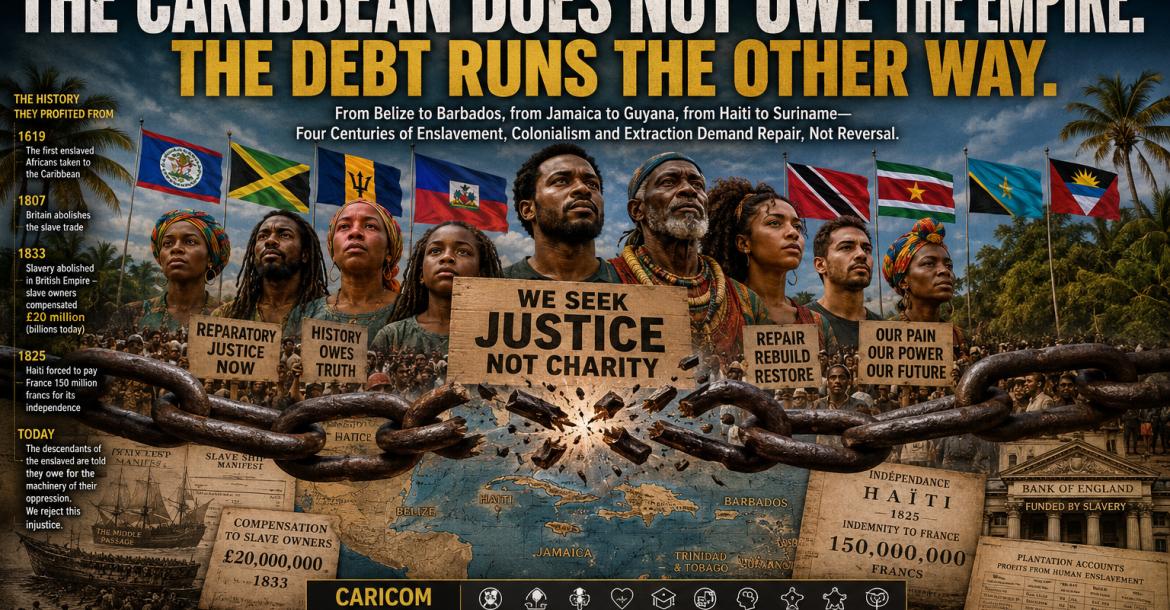
The article asserts that Caribbean nations are not indebted to former colonial powers; instead, Britain and others owe reparations for centuries of slavery and exploitation. It highlights historical injustices, including the British compensation of slave owners and Haiti's enforced indemnity to France, and argues for a corrected historical ledger.

This article promotes Jamaica Kincaid's book 'A Small Place,' detailing its critique of colonialism, tourism, and economic inequality in Antigua. It emphasizes how colonial history and modern tourism exploit the island and its people, and discusses Kincaid's background and impact.
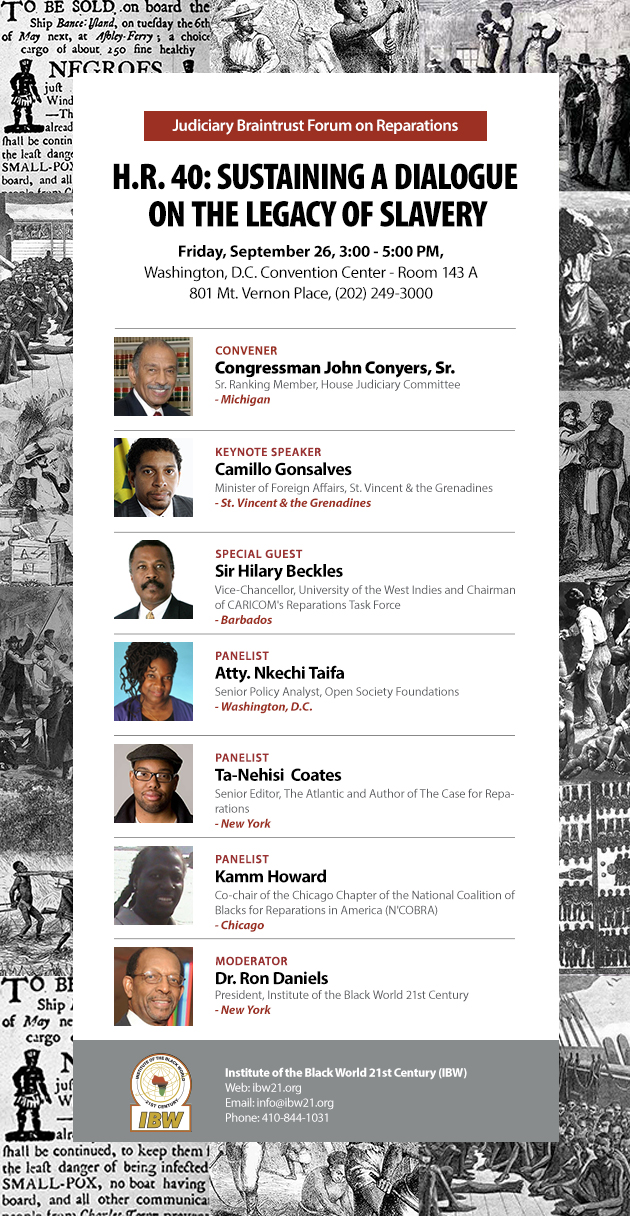
The story covers a reparations forum at the Congressional Black Caucus, where Caribbean and U.S. leaders push for reparatory justice for slavery and colonial exploitation. It highlights CARICOM's Ten Point Program and Congressman Conyers' HR-40 bill as key efforts to address historical harms.

St. Lucia will receive six non-criminal migrants from the U.S. under a bilateral third-country nationals program, with up to 10 per quarter over two years. The government emphasizes humane treatment and integration options, while acknowledging public concern.

The article highlights ten contributions of Trinidad and Tobago to the world, including steelpan, calypso, soca, Carnival, and literary figures like V.S. Naipaul. It focuses on cultural achievements and global influence, celebrating the nation's independence.

Jamaica's foreign minister encourages the diaspora to invest and participate in reconstruction after Hurricane Melissa, moving beyond remittances to entrepreneurship and expertise. The call emphasizes partnership but leaves unaddressed broader structural challenges like debt and colonial economic patterns.

Jamaican Prime Minister Andrew Holness urges Caribbean and Commonwealth parliaments to adopt technology while preserving democratic values like representation and human judgment. He emphasizes that technology should serve, not master, democracy, and cites examples of parliamentary adaptation to digital tools in the UK and Caribbean nations.

Jamaican Judith Green has been appointed World Bank Group country manager for Barbados and the OECS, bringing extensive experience in economic reform and investment. Her role aims to strengthen support for sustainable development and job creation across the subregion.

Moody’s upgraded Trinidad and Tobago’s outlook to stable, citing improved debt management and hydrocarbon revenue projections. The government welcomed the news as a sign of confidence, but the story ignores how such financial metrics often mask the economic vulnerabilities of the Black Caribbean population.

Jamaica's Prime Minister Andrew Holness, after visiting displaced residents of Cooper's Pen, vows to establish clearer rules for security forces during evictions, acknowledging complaints about police conduct. He denies prior knowledge of the demolition and stresses that police support for lawful evictions is proper but needs policy guidance.

A South Florida man is arrested after returning from Jamaica with 17 stolen cards, facing identity theft charges. Authorities report unauthorized transactions in Jamaica and fraudulent driver's licenses found on his phone. The story covers the arrest details without exploring broader economic or systemic contexts.

The Nation newspaper reports a fatal stabbing at Fairchild Street in The City, Barbados. No details beyond the incident are provided at this time.
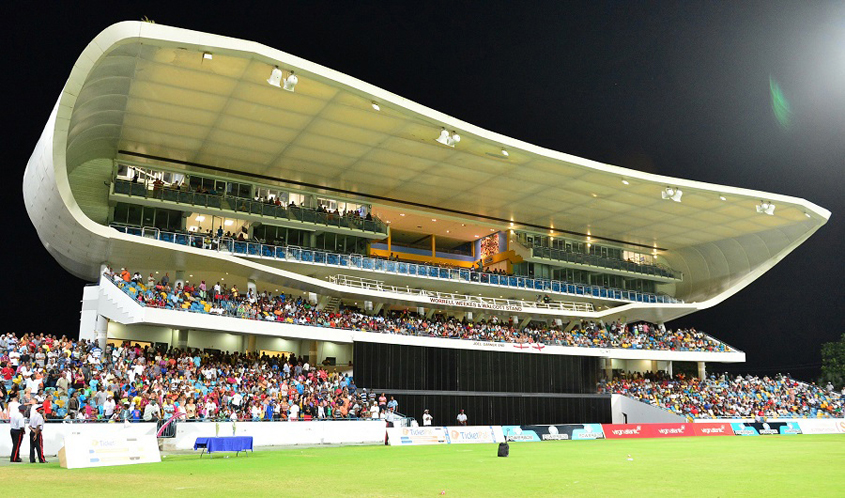
The article reports that CPL cricket tickets in Barbados are not sold out yet, with many still available for purchase. It clarifies that early sales are strong but not exhaustive, contrary to rumors.
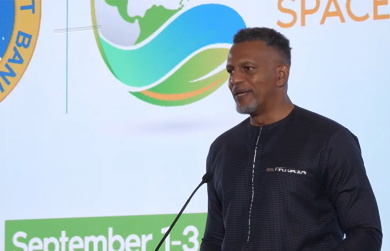
The Caribbean Development Bank launched CEvalSpace 2026, a platform to strengthen evaluation and evidence-based policymaking in the Caribbean. President Daniel Best emphasized the need for evidence to address climate change, fiscal constraints, and transparency, positioning evaluation as a strategic tool for development.
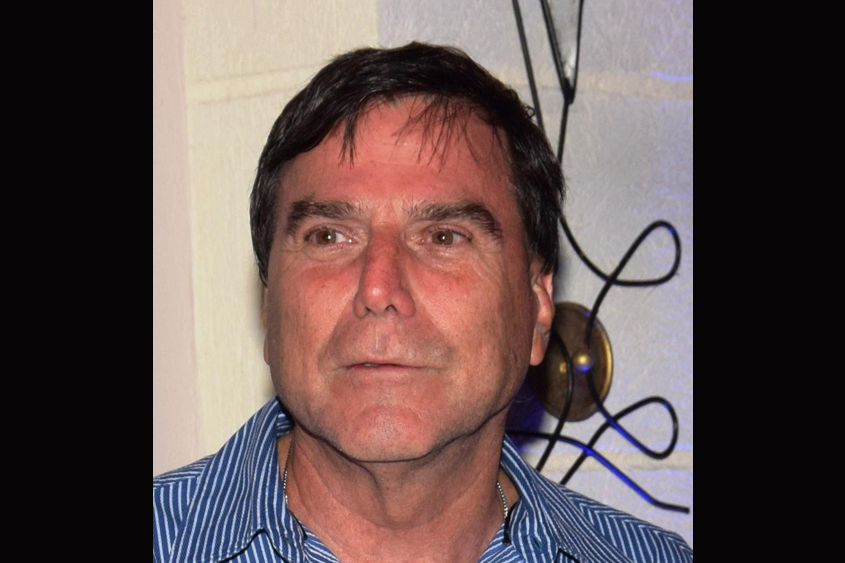
A Barbados energy sector representative warns that the transition to renewables may temporarily raise electricity costs for citizens. He emphasizes long-term benefits but admits uncertainty about the impact on consumers. The story focuses on government and chamber efforts to manage the transition.

An opinion piece by a medical student calls for more support for breastfeeding mothers in the Caribbean, noting low rates compared to global averages and suggesting improvements like baby-friendly hospitals. It emphasizes the health benefits and asks why more mothers aren't breastfeeding.
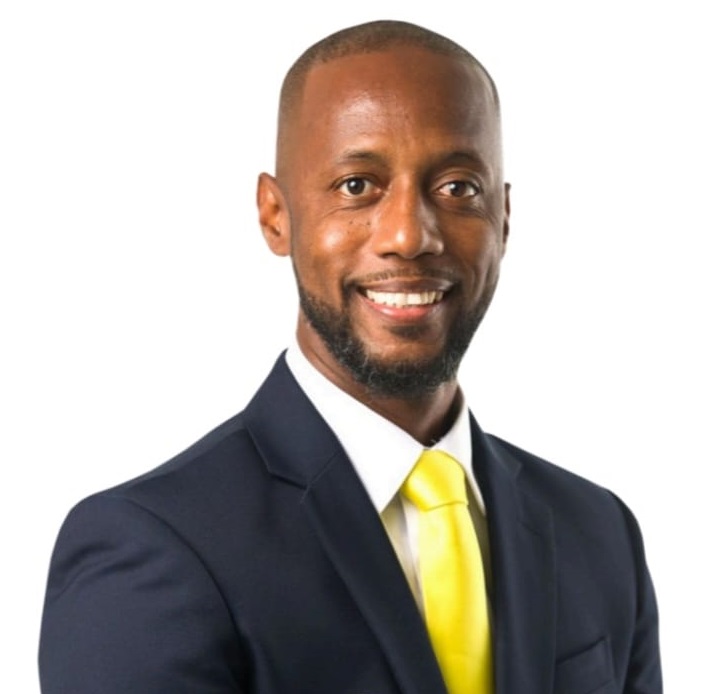
Senator Ryan Walters reaffirms his commitment to the Democratic Labour Party while declining an executive role, choosing to focus on his work in the Senate. He highlights his advocacy for Barbadians and encourages other party members following their electoral performances. The article reports on internal party politics and leadership decisions.

A 23-year-old man in Barbados admitted to stealing four rings from a friend and was ordered to pay compensation. The story focuses solely on the crime and the court ruling, without broader context.
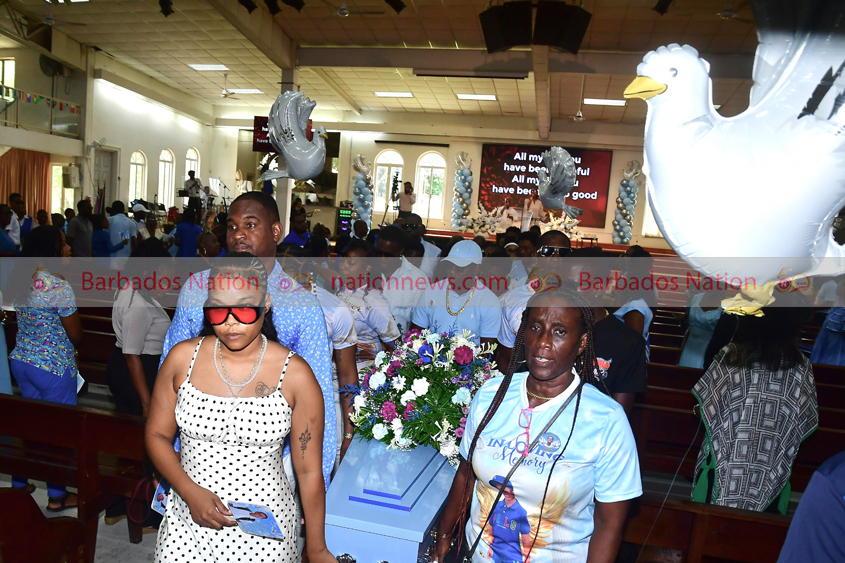
A family in Barbados mourns 14-year-old Trashaun Atwell, who died from acute myeloid leukemia after a bone marrow transplant became his dying wish. His aunt uses the funeral to call attention to gaps in social services for children with cancer, highlighting a broader healthcare struggle.
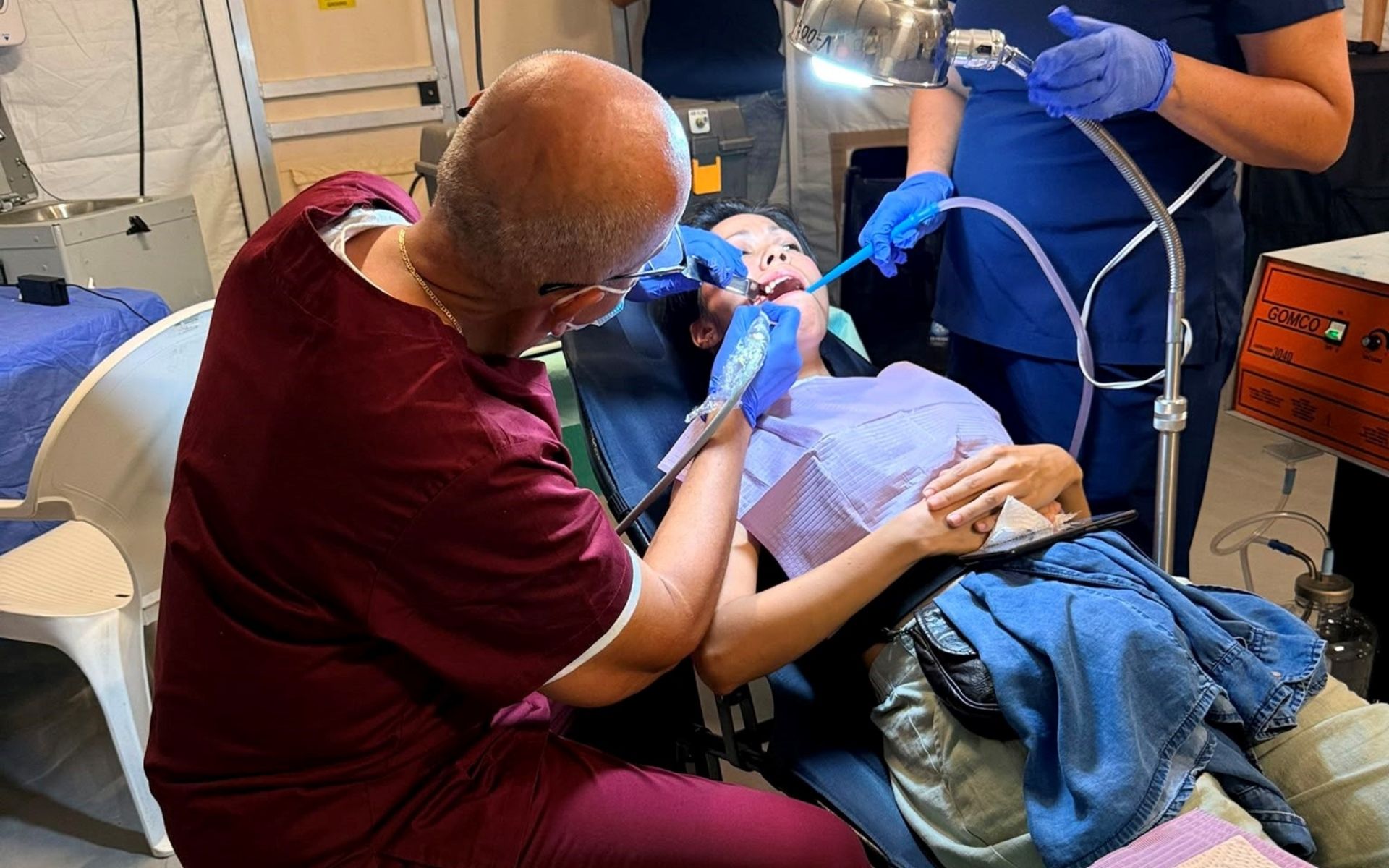
Barbadian oral surgeon Dr. William Duguid volunteered in earthquake-affected Venezuela, providing dental care to over 75 patients. He highlights the financial strain on ordinary Venezuelans and hopes the mission leads to a formal partnership between Barbados and Venezuela.

RPL, a Jamaican company, plans to complete a new service station near the airport by September. The station aims to serve travelers and locals, reflecting ongoing commercial development in the area.

Jamaican student-athlete Jelani Harvey, 17, has earned a place at Choate Rosemary Hall, a prestigious U.S. boarding school. The story details his football achievements with Harbour View FC and his academic success at Campion College, positioning him as a model of balanced achievement.
A Jamaican construction worker has been charged with murder after a fatal stabbing in Kingston. The brief report focuses on the charges and the deceased, with no background on the altercation or social conditions.
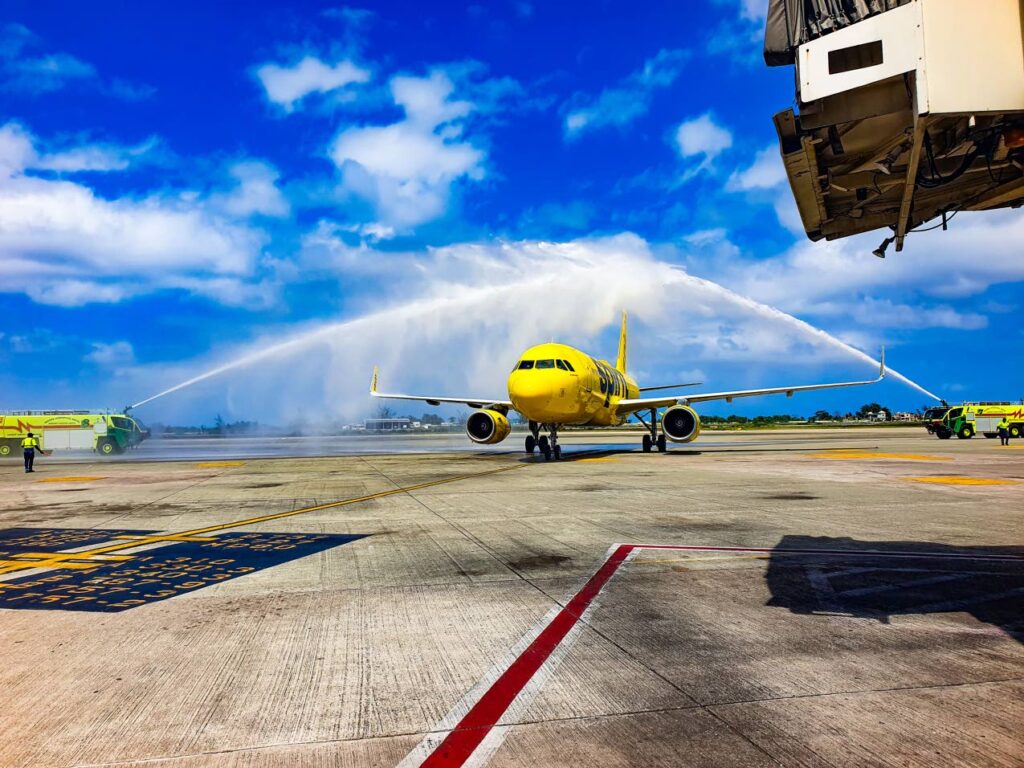
The Jamaican opposition criticizes the government's response to soaring airfares, which have increased after Spirit Airlines' exit, hurting the Jamaican diaspora's ability to travel home. The opposition calls for government action to address the affordability crisis and the decline in visitor arrivals.
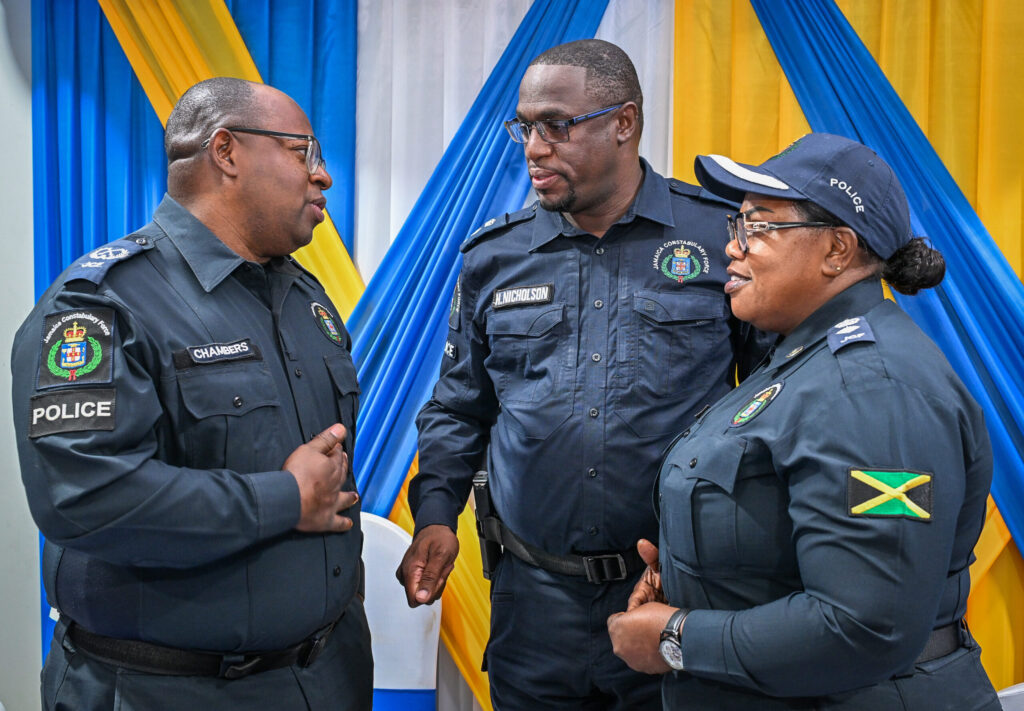
The St Catherine North Police Division reports its first murder-free month in 29 months, crediting increased police presence, anti-gang operations, and community engagement. The article highlights a 42% reduction in murders but focuses on police achievements rather than broader social conditions.
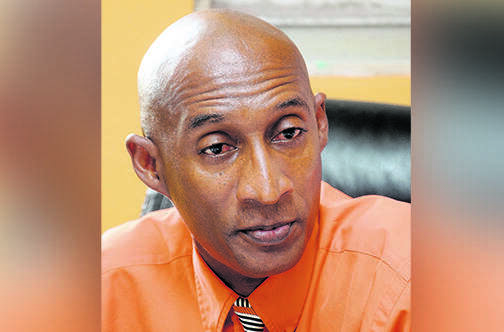
The JAAA president announces an expanded training partnership with Tottori Prefecture ahead of the 2027 World Athletics Championships in Beijing. The agreement provides better facilities, technical support, and trial opportunities, seen as advantageous for Jamaican athletes' preparation.
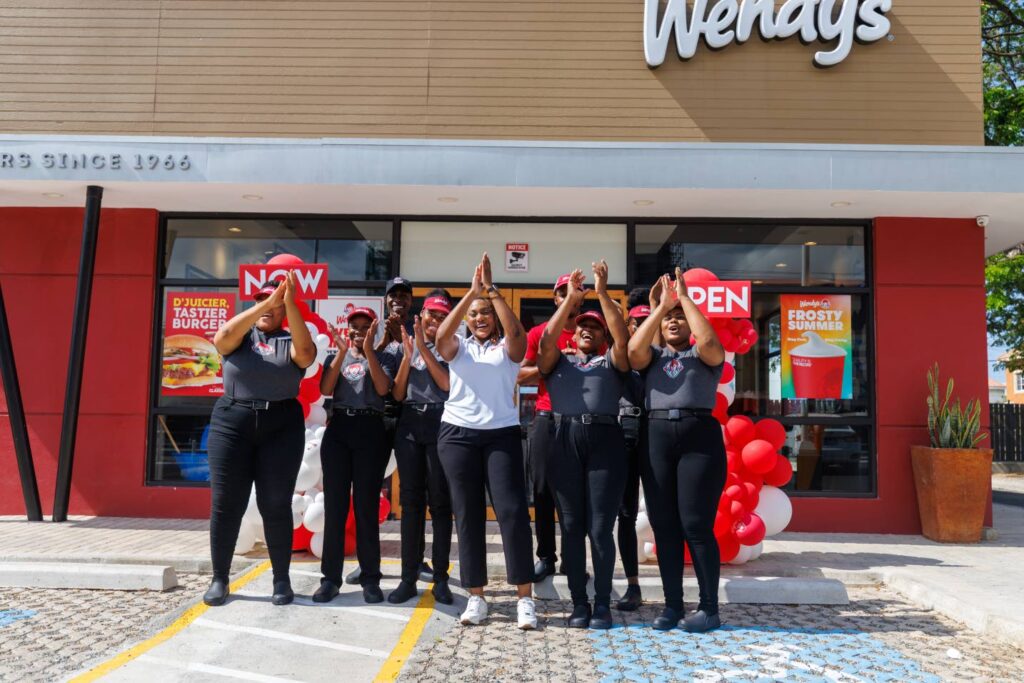
Wendy's opened its 10th Jamaican restaurant in West Cumberland, Portmore, investing $200 million and creating 34 jobs. The article highlights the company's community engagement and first-day success, but offers no analysis of the broader economic context or labor conditions.

Amber Group, a Jamaican tech company, plans to launch IoT network in Jamaica by early 2027, while its African arm exceeds one million devices. The story focuses on business growth and market expansion.
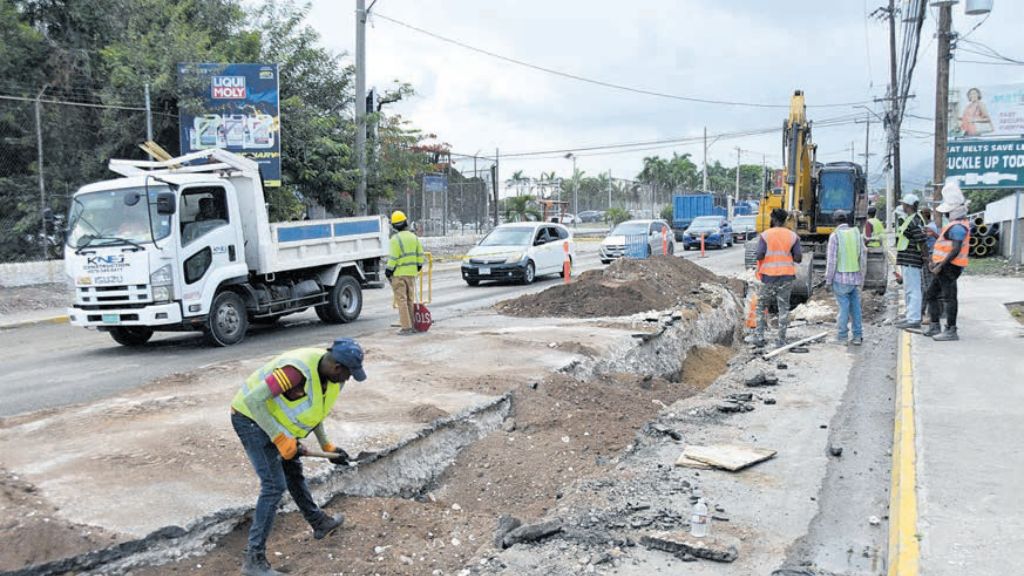
Jamaica's water minister toured an ongoing pipeline project on Old Hope Road, promising to temporarily cover trenches to ease traffic when schools reopen. The $1.2-billion upgrade aims to improve water supply, but residents face disruptions and delays.

Jamaica's imports from China have surged to nearly US$1 billion annually, with machinery and building materials dominating. The story debates whether Jamaica should develop its own manufacturing and logistics capabilities, but largely frames the issue in economic terms.
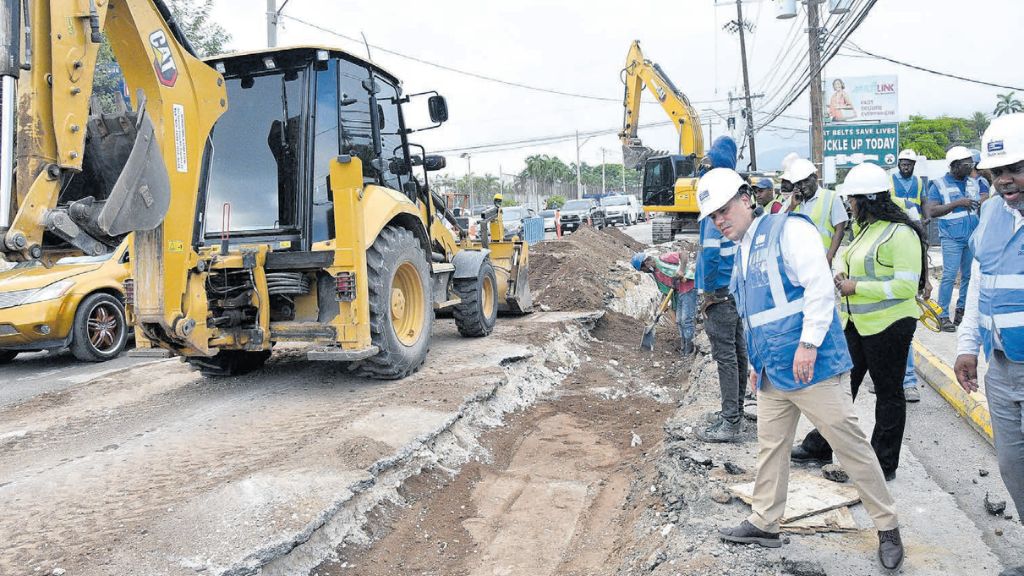
Jamaica allocates an additional $500 million to combat drought and heat from Super El Niño, focusing on water trucking for schools, health centers, and infrastructure. The funds will be managed through the National Water Commission, MPs, and municipalities, with spending contingent on weather conditions.
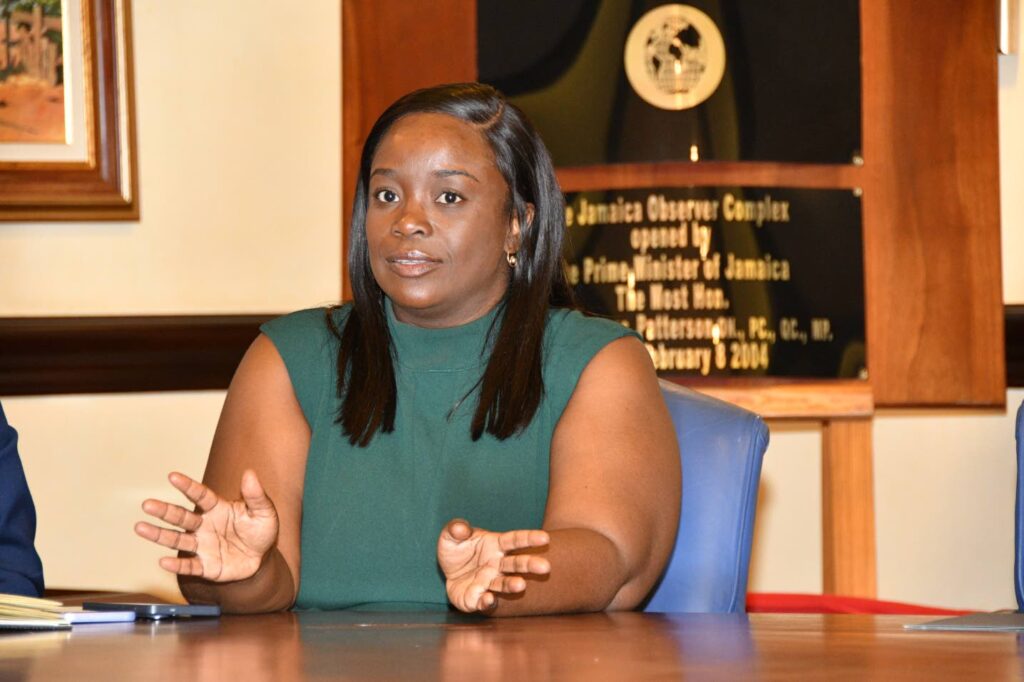
The Casino Gaming Commission of Jamaica is training its staff to regulate the upcoming casino industry, partnering with international bodies to ensure expertise. This prepares them to oversee games like roulette and blackjack, with the first casino licensed at Princess Grand Jamaica Resort.

Cuba begins its school year despite severe energy shortages, with over 1.4 million students returning to classrooms. President Díaz-Canel frames the educational effort as a triumph over colonial barbarism, while volunteers like university student Rubén Mendieva help fill teacher gaps. The story highlights communal resolve amid economic hardship.

Norwegian Cruise Line promotes Caribbean cruises as an escape, highlighting turquoise waters and calypso music while omitting the region's colonial history and current economic dependence on tourism. The marketing frames the Caribbean as a playground for tourists, with no mention of local Black communities.

Barbados has reached a staff-level agreement with the IMF for a precautionary Stand-By Arrangement of $260 million, which it does not intend to draw on. The country is on solid economic footing with growth and low inflation, while the arrangement provides a buffer against global risks and natural disasters.

The article reports on Caribbean nations demanding reparations from European powers for the legacy of slavery and colonialism. The demands focus on funding for health, education, and debt cancellation, contrasting with the compensation given to former slaveholders after abolition.
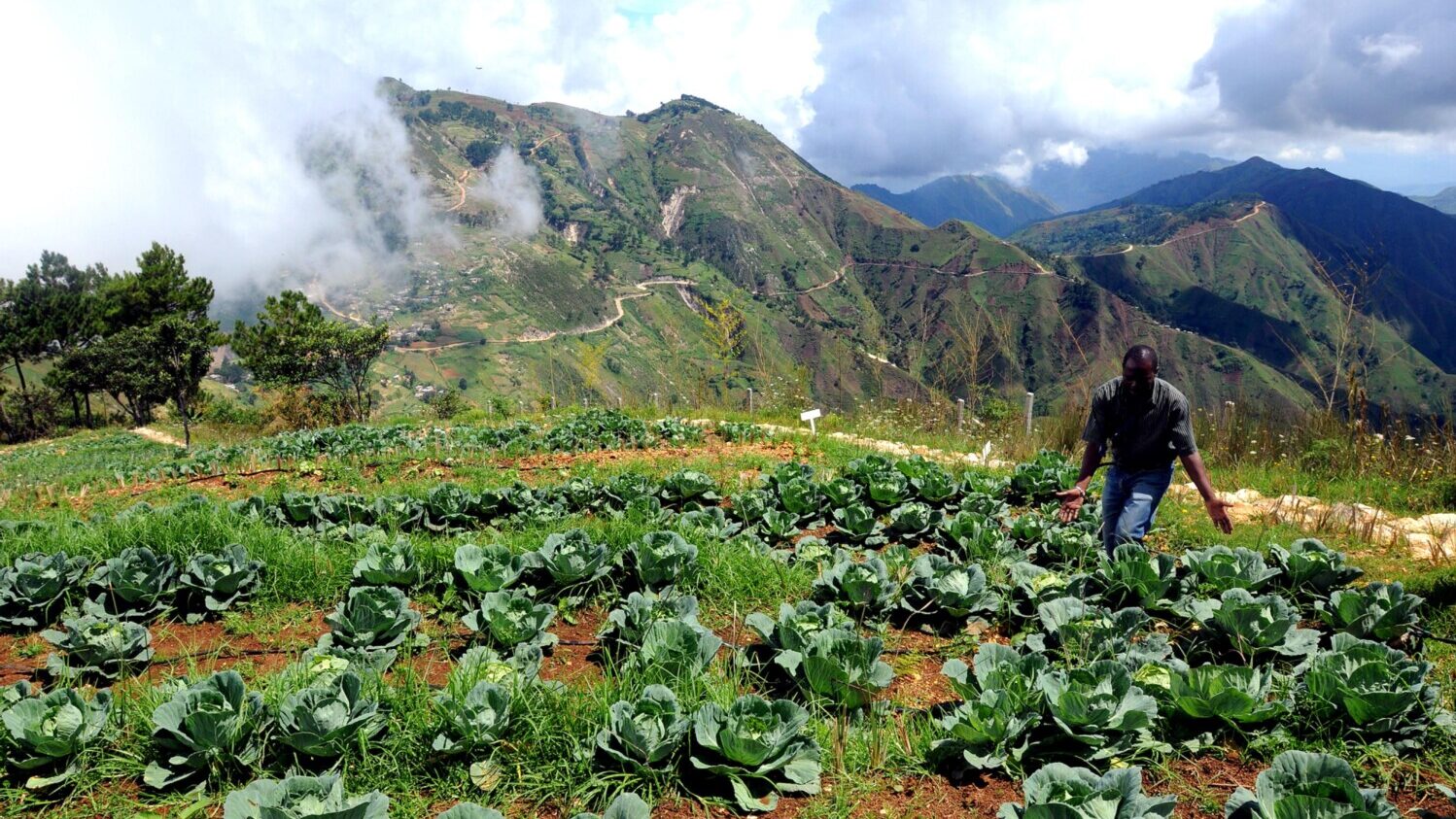
The article traces how foreign powers—France, the US, and international missions—shaped Haiti's instability through indemnity, occupation, and stabilization efforts. It argues that these interventions have perpetuated extraction and dependency, undermining Haiti's sovereignty.

Digicel has launched the Deep Blue One submarine cable connecting Trinidad to Tobago, promising enhanced network reliability and capacity. The release highlights the growing digital usage in Tobago, supporting remote work, education, and entertainment, and positions the investment as a response to rising data consumption.

The Barbados Association of Medical Professionals (BAMP) has issued a warning about an increase in COVID-19 and influenza cases in the region, urging the public to take preventive measures. The story highlights the health threat but does not discuss the specific challenges Black communities face in accessing healthcare.

The Ministry of Health and Wellness in Barbados has suspended its fogging programme until further notice, apologizing for the inconvenience. No reason is given, leaving communities without mosquito control and raising concerns about vector-borne diseases.

The National Cultural Foundation (NCF) pays tribute to Elliot Parris, a Black cultural icon in Barbados, highlighting his contributions to the arts. The tribute celebrates his life and legacy, but does not address systemic inequalities in the cultural sector.

The article reports on the second day of the Caribbean Grand Market in Barbados, where vendors from various Caribbean nations note increased foot traffic and sales compared to the opening day. Vendors express optimism about the event's momentum and hope it becomes an annual fixture.

The Democratic Labour Party in Barbados calls for urgent overhaul of child and adolescent mental health services after a child's death, citing 295 young people presenting to psychiatric care in seven months. The opposition highlights staffing shortages and stigma, urging prevention and early intervention.

The article announces that the Caribbean newspaper Searchlight will close after 31 years, citing financial challenges. The report focuses on the business decision without discussing the impact on the Black community it served or the broader media landscape.

Massy Group, a major Caribbean conglomerate, continues to report strong profits in Barbados despite economic challenges. The story underscores the disparity between corporate success and local economic hardship, but does not explicitly address racial dynamics.

Joshua James's bowling leads Antigua Falcons to a 30-run win over Barbados Tridents in the Caribbean Premier League, taking three wickets and earning Man of the Match. The Falcons top the table, while the Tridents face their first loss and prepare for their next match.

A deadly flash flood on the Nepal-Tibet border has left hundreds missing. The story focuses on the disaster's scale and immediate response, without delving into local vulnerabilities or long-term impacts.
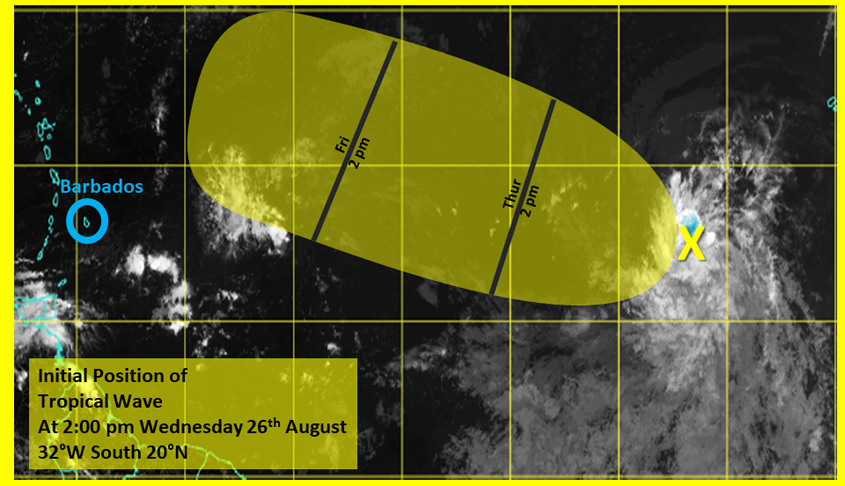
The Barbados Meteorological Services is monitoring a tropical wave that may affect the region by Sunday, with potential for cyclone development but likely less conducive conditions by the weekend. Light winds and warm conditions are expected for Barbados, with possible localized afternoon showers, and no watches or warnings are currently in effect.

The Jamaica Observer reports a 48-hour curfew in Mount Peace, Hanover, imposed by police from August 25 to 27, with specific boundary lines. Residents must stay indoors unless authorized, but the article gives no reason or context for the curfew.
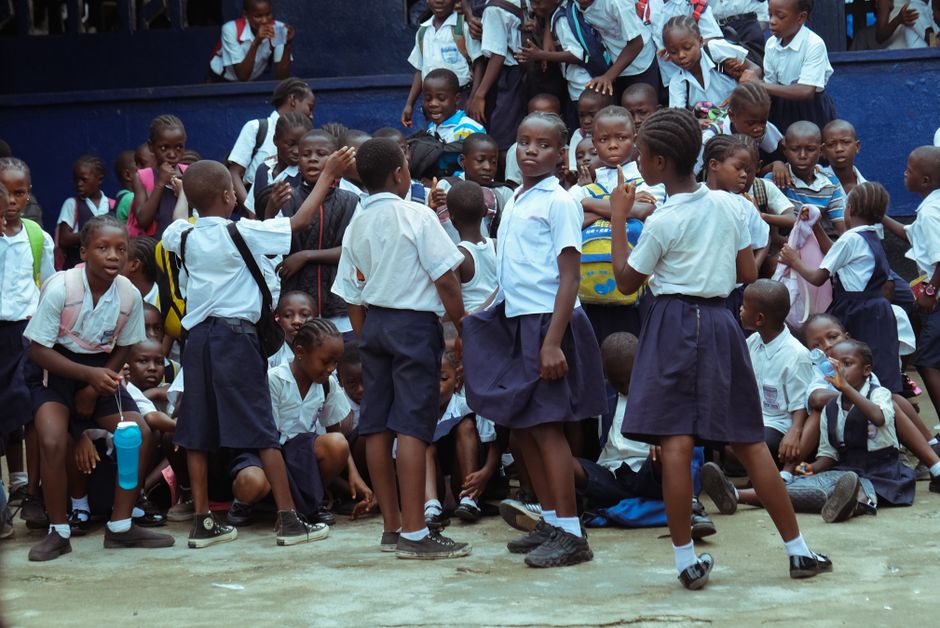
The Jamaica Observer reports that GHN has added US$19,000 to fund 38 more students in its 'Beyond the Backpack' programme, expanding support for educational supplies. The story highlights corporate philanthropy without addressing the structural roots of educational inequality in Jamaica.

The story reports on Jamaican tennis player Bicknell's elimination from the ATP Kingston 2 tournament, describing the nation's dashed hopes. It focuses on the personal loss and the broader disappointment for Jamaica, without discussing systemic barriers in sports development or funding.

Jamaican artiste Sxae releases 'The Game,' the first single from her 'Wicked Gyal' trilogy, which channels heartbreak and anger into raw, personal music. The article highlights her journey, collaborations, and her aim to give voice to relatable emotions.
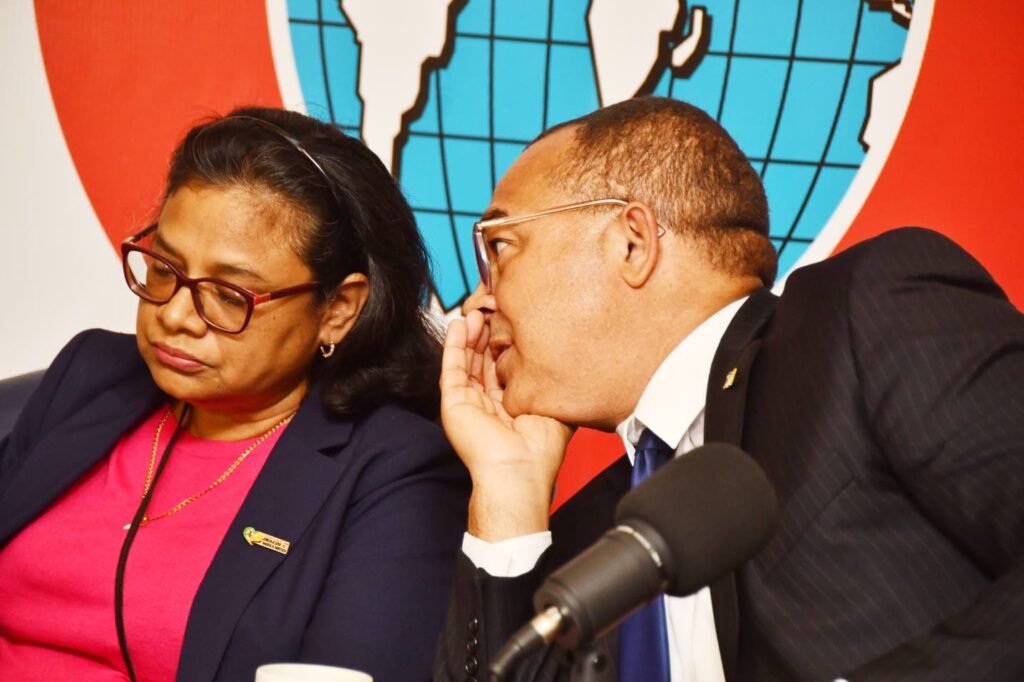
An audit confirms that Jamaican public health facilities require renovations, validating interns' complaints about poor living and working conditions. Health Minister Tufton has instructed regional authorities to address the issues, but the challenges extend beyond facilities to scheduling and staffing. The JMDA continues to advocate for better conditions, warning of dangers to patient care.
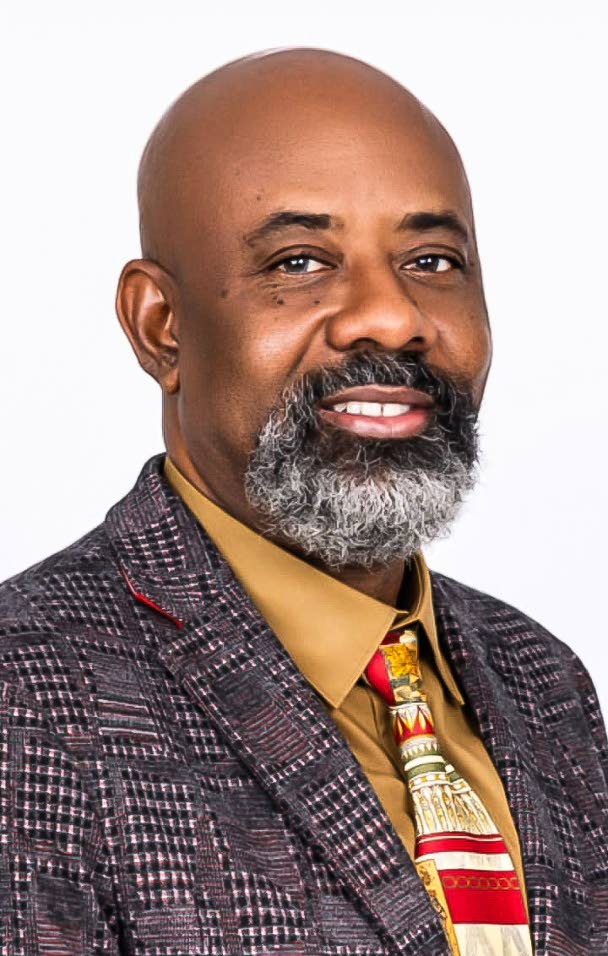
The Jamaica Teachers' Association proposes withholding PATH welfare benefits from parents who skip PTA meetings, sparking backlash from the NPTAJ president who calls it discriminatory and stigmatizing. The debate highlights tensions between parental involvement and punitive welfare policies affecting low-income Black families.
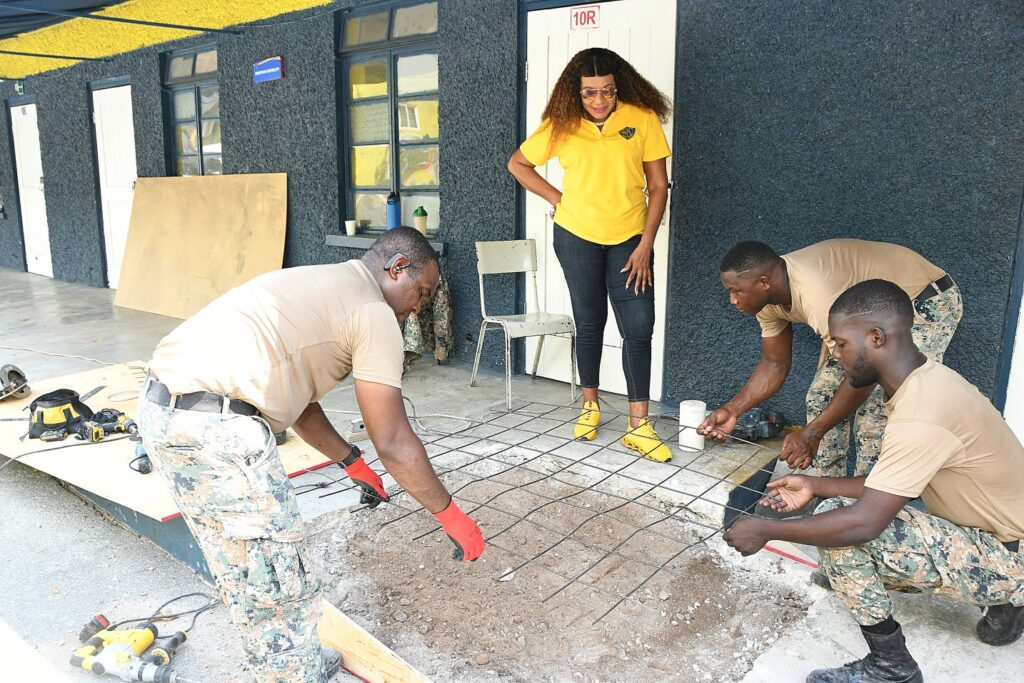
The Jamaica Defence Force helped repair Merl Grove High School ahead of the new term, addressing leaky roofs, mould, and plumbing after a needs assessment. Principal Dr Marjorie Fullerton criticized the education ministry for stalled work and enlisted military support through an alumna connection, highlighting chronic underinvestment in school infrastructure.
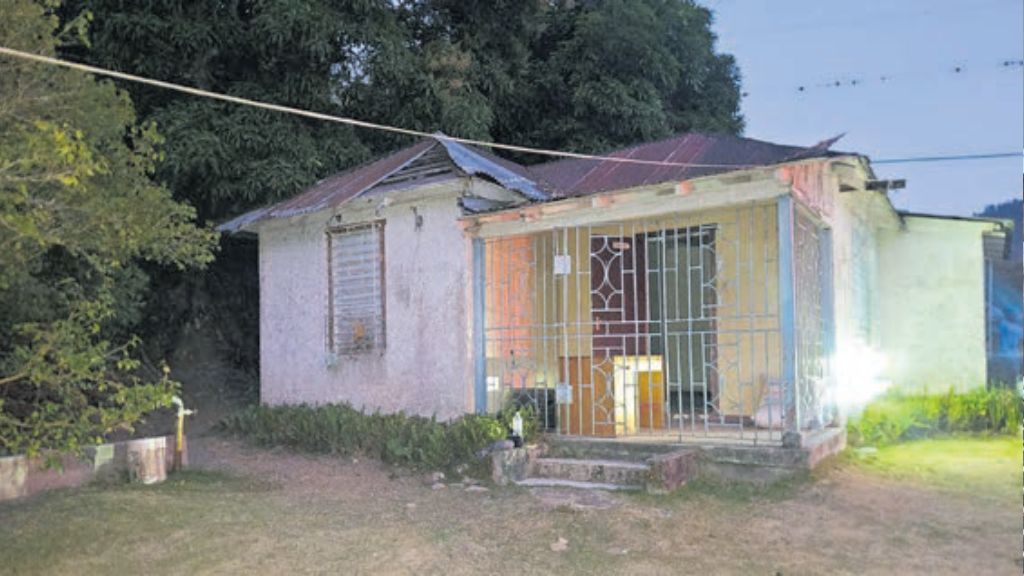
MP Juliet Holness advocates for improved services at Mavis Bank Health Centre, including more regular medical staff and refurbishing buildings to house them, but Health Minister Dr. Christopher Tufton says some demands are not feasible due to staff preferences. Holness urges community involvement to push for upgrades, highlighting the challenges residents face traveling to Gordon Town for care.
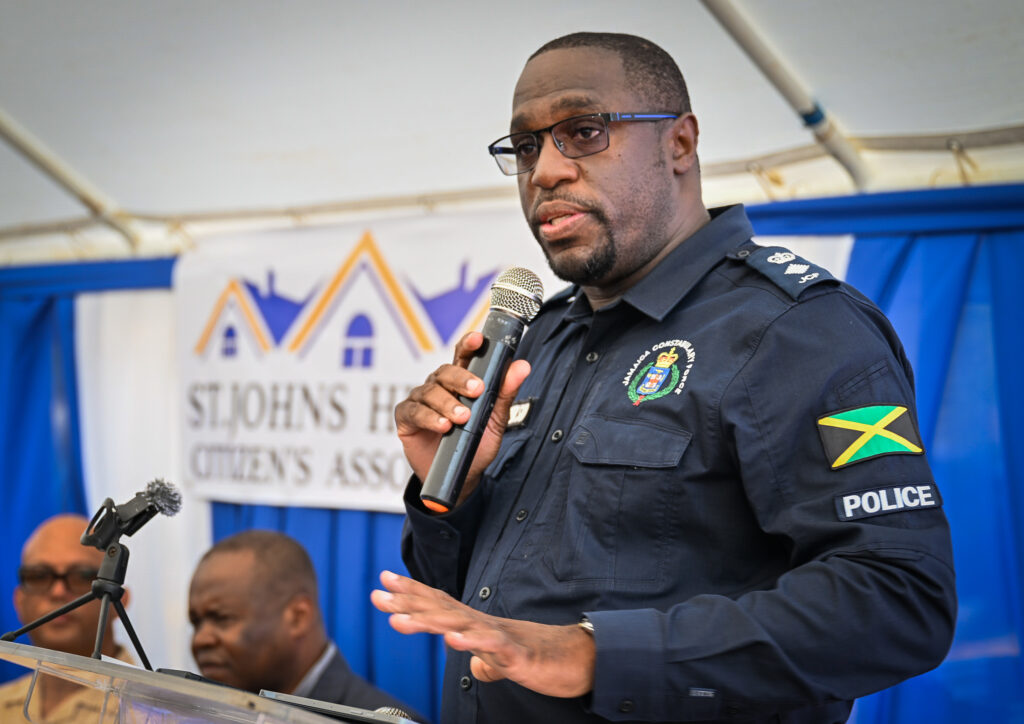
Jamaican police commander SSP Nicholson promotes neighborhood watch and crime reduction as keys to safer communities and national development, urging citizen cooperation. The story focuses on enforcement and individual responsibility, not on systemic issues.

A survey shows rising obesity and overweight rates among Jamaican students, alongside increased sedentary behavior and reduced sleep. The NCDA blames unhealthy eating and recommends school-based interventions, while the health minister calls on parents to ensure healthy meals.
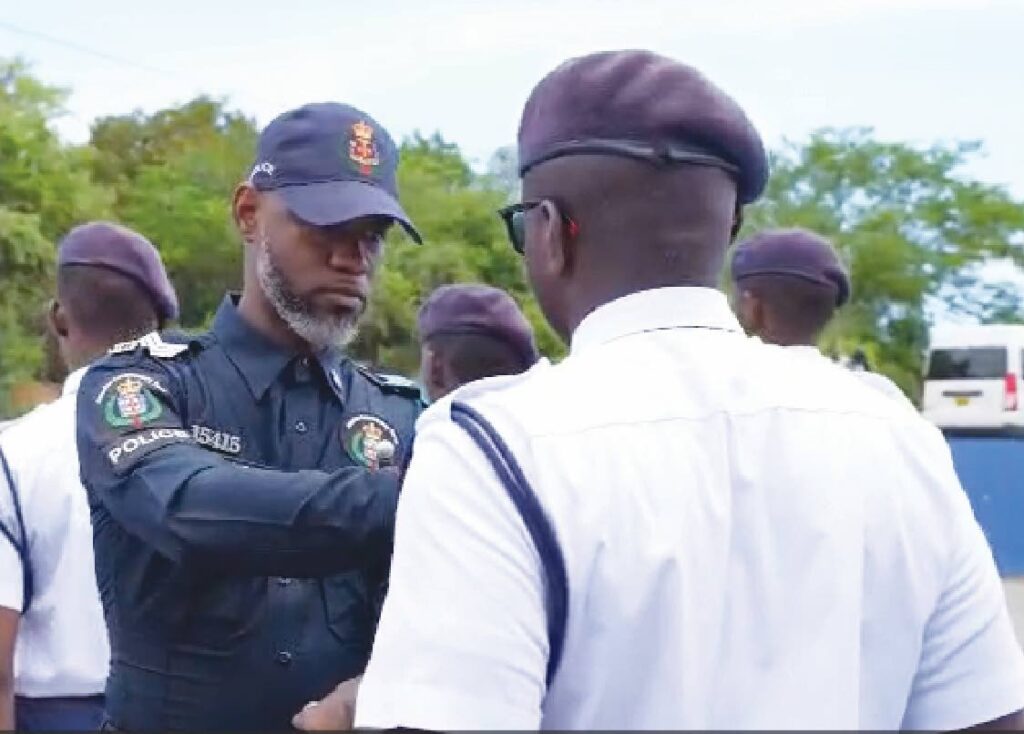
The Jamaica Constabulary Force's Cadet Academy provides a structured boarding environment for boys who are truant or underperforming. The program combines academics, discipline, and mentorship, yielding reportedly high pass rates at CSEC and CAPE levels. Deputy Superintendent Tanecia Johnson credits relationship-building and understanding students' circumstances for the success.
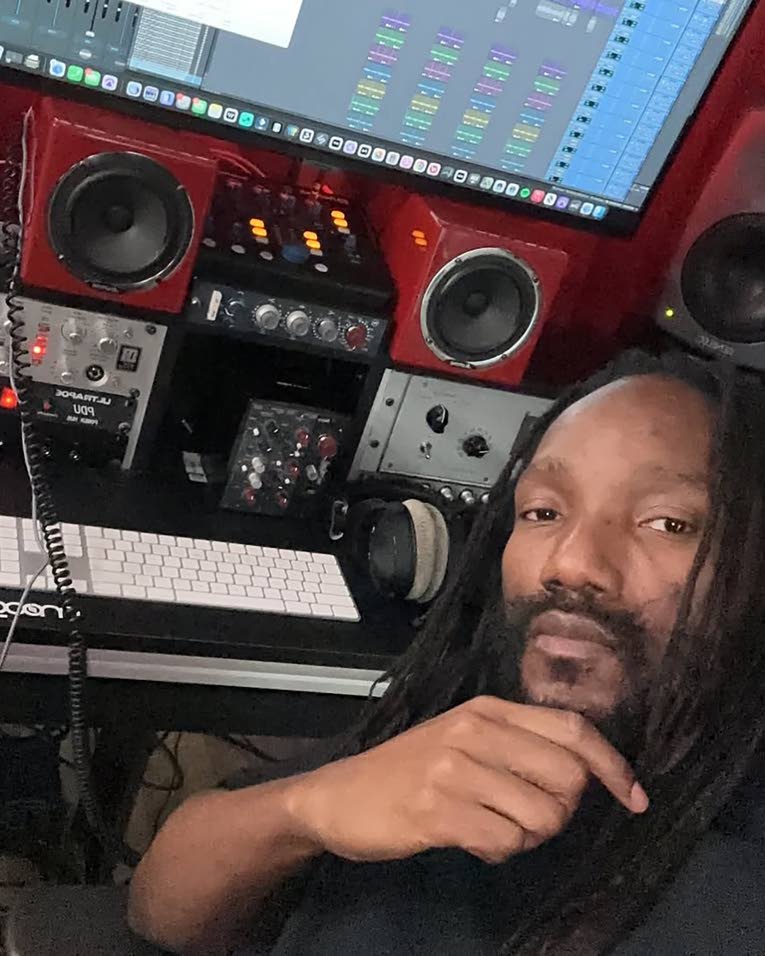
Kabaka Pyramid releases a 15th-anniversary project, Rebel Music – The Lyrics Tape, reflecting on his career and urging support for younger reggae talent. The story highlights his Grammy-winning status and the healing nature of reggae music.
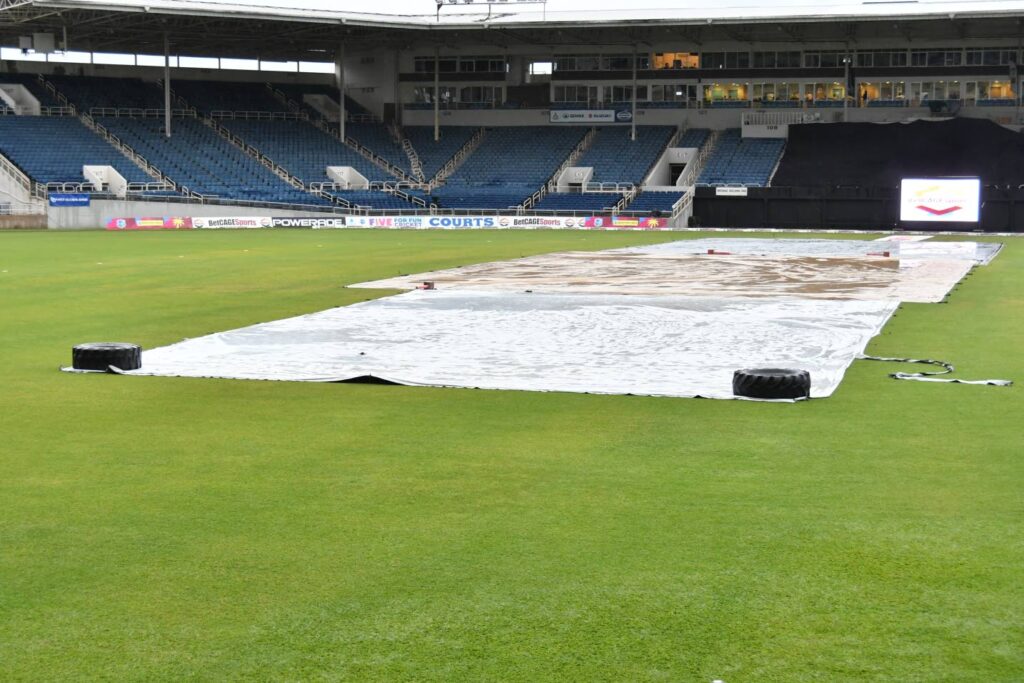
The Jamaica Cricket Association's AGM and elections are postponed to October pending constitutional changes. President Donovan Bennett discusses governance reforms and his desire to improve Jamaican cricket, with leadership contests shaping up. The story focuses on internal organizational matters.
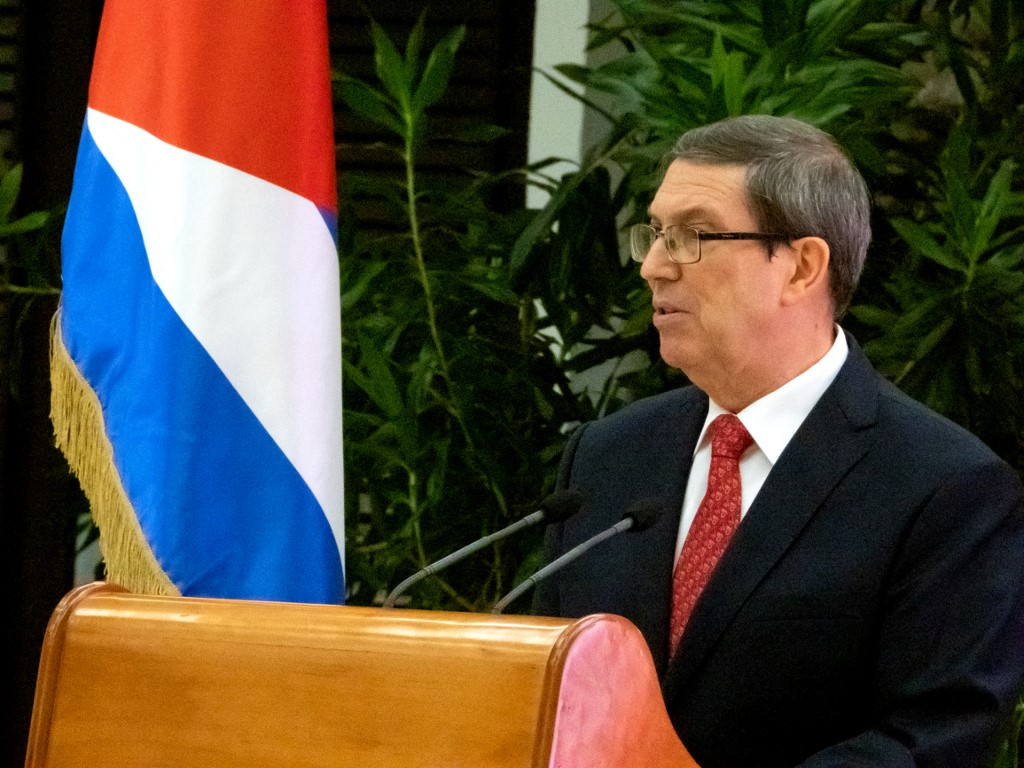
Cuba condemns the U.S. extension of its economic blockade until 2027, calling it genocidal and aimed at suffocating the nation. The blockade, in place since the 1960s, exacerbates humanitarian crises, including rising infant mortality and shortages of food and medicine. Cuba vows to resist and overcome the embargo.

The ILO report finds rising youth unemployment across most Caribbean islands, with nine of eleven countries seeing increases from 2023 to 2025. The report highlights how small island nations are overshadowed by larger regional economies and first-time jobseekers face increasing barriers to decent work.

The article examines high youth unemployment in the Caribbean, linking it to structural issues and discussing entrepreneurship as a potential solution. It references academic and policy sources to highlight challenges and opportunities for young people in the region.
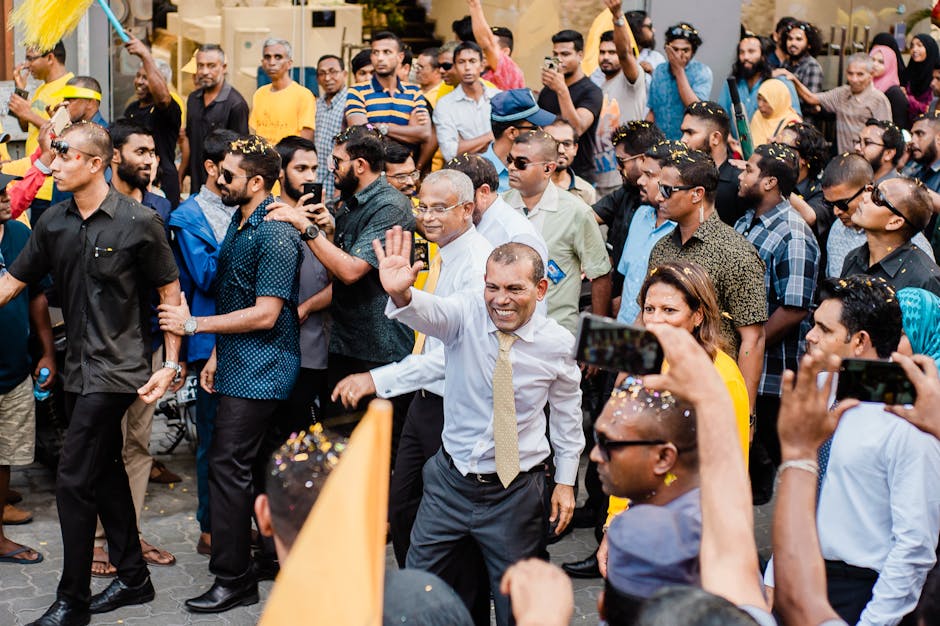
The article argues that Latin American and Caribbean leftist governments have failed to extend their anti-imperialist critiques to Haiti, which remains a symbol of Black sovereignty and resistance. This silence, the author contends, reflects a deeper structural racism embedded in the region's politics, where Haiti is treated as an exception to solidarity.

A scoping review of 45 studies from 1947 to 2025 examines how Jamaican education has been shaped by colonial and postcolonial dynamics. It highlights how policy and pedagogy both resist and reproduce colonial influence, affecting Black Jamaican students.

The article analyzes Barbados's decision to remove Queen Elizabeth II as head of state, marking a symbolic break from its colonial past. It discusses the event's significance for the island's national identity and broader decolonization movements in the Caribbean.

Grenadian Prime Minister Dickon Mitchell, at a CARICOM meeting with EU chief Ursula von der Leyen, demanded an apology and reparations for slavery, calling it a crime against humanity. Von der Leyen acknowledged slavery's criminality but avoided reparations. This reflects growing global momentum for reparative justice.

The Black Alliance for Peace condemns the proposed Kenyan-led military intervention in Haiti, labeling it 'imperialism in Black face.' The article argues that foreign powers, including the US and Core Group, have engineered Haiti's crisis and are undermining its sovereignty under the guise of security. It calls for an end to foreign occupation and support for Haitian self-determination.

The article argues that Haiti's current crisis, including the assassination of President Jovenel Moïse, cannot be understood without acknowledging its history of foreign intervention and exploitation. It criticizes media portrayals that frame Haiti's problems as internal chaos, ignoring the role of France and the US in undermining Haitian sovereignty. The piece calls for a reframing that centers historical context and structural inequality.

The article features an interview with scholar Jemima Pierre, who argues that Canada and other foreign powers should stop intervening in Haiti, citing historical Haitian resistance and sovereignty. She calls on Canadians to oppose their government's militarization and NGO involvement in Haiti, advocating for leaving Haiti alone to determine its own path.

Antigua and Barbuda police launched 'Operation Restore Confidence,' a series of targeted raids, checkpoints, and stop-and-search activities aimed at crime hotspots. The operation resulted in the seizure of a firearm, ammunition, and stolen plates, and the arrest of three individuals, with police vowing to continue similar actions.

Former Trinidad and Tobago PM Keith Rowley demands the current government disclose details about US visa revocations, questioning whether political opponents were targeted. The story highlights political tensions around US immigration policy in the Caribbean.

The Central Bank of The Bahamas warns against unauthorized reproduction of banknotes and coins, citing legal restrictions. It calls for compliance and threatens prosecution. The story focuses on regulatory enforcement, with no direct mention of racial dynamics.
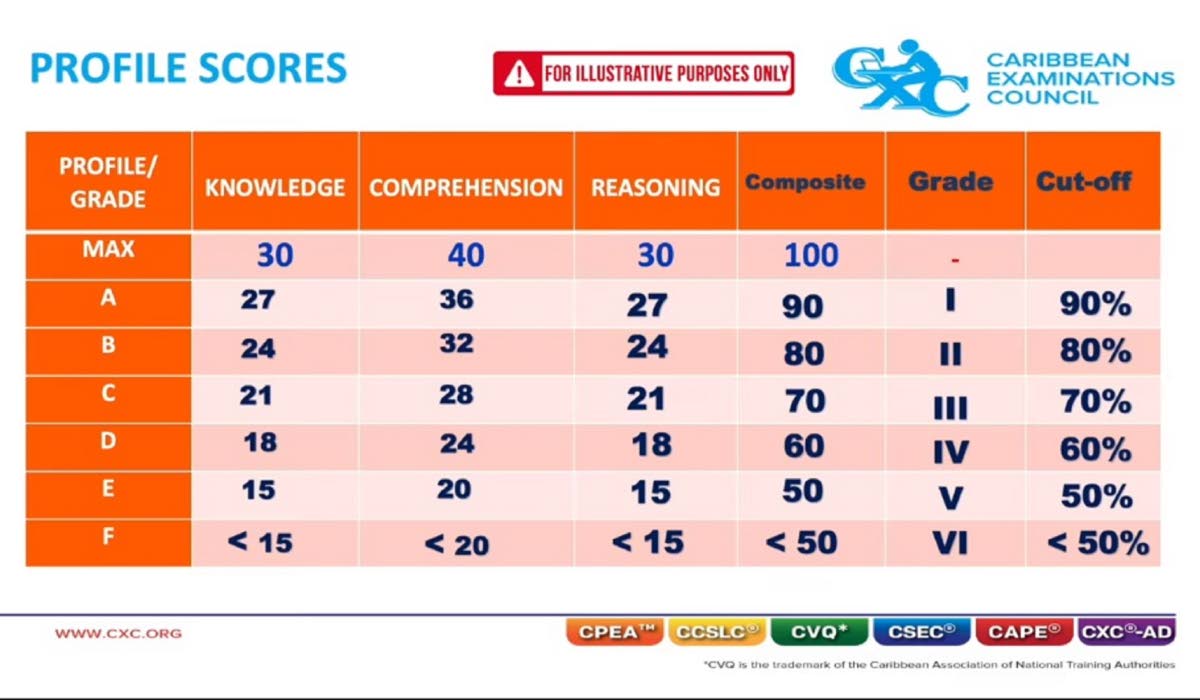
CXC announced that students can apply for early CSEC results until August 17, explaining a modified marking scheme after a math paper leak. Paper 2 was removed, with Paper 1 and Paper 3 contributing 60% and 40% respectively, and profiles determine grades.

Brian Langrin has been appointed governor of the Bank of Jamaica, succeeding Richard Byles. The announcement highlights Langrin's extensive central banking experience and the continuity of sound monetary policies under a changing global economy.

The Jamaican government announces a scholarship at UTech in memory of track coach Stephen Francis, honoring his legacy in developing world-class sprinters. The initiative is praised by university officials and highlights his contribution to Jamaica's athletic reputation.

A Jamaican man, Shaquiel Williams, was arrested and charged with aggravated battery after stabbing two employees at a Florida Burger King following a dispute over his inability to pay for food. The report emphasizes his immigration status, labeling him as in the U.S. illegally, while providing no background on his circumstances.

Guyana is set to surpass one million barrels of oil per day with its fifth FPSO vessel, increasing government revenues. President Ali highlights the growing share of profit oil under the production-sharing agreement, aiming to fund development.

The Jamaican Ministry of Agriculture warns against open fires as dry conditions fuel blazes in St. Elizabeth, damaging farmland and irrigation. The story focuses on crop and infrastructure losses, urging public caution without addressing systemic agricultural vulnerabilities.
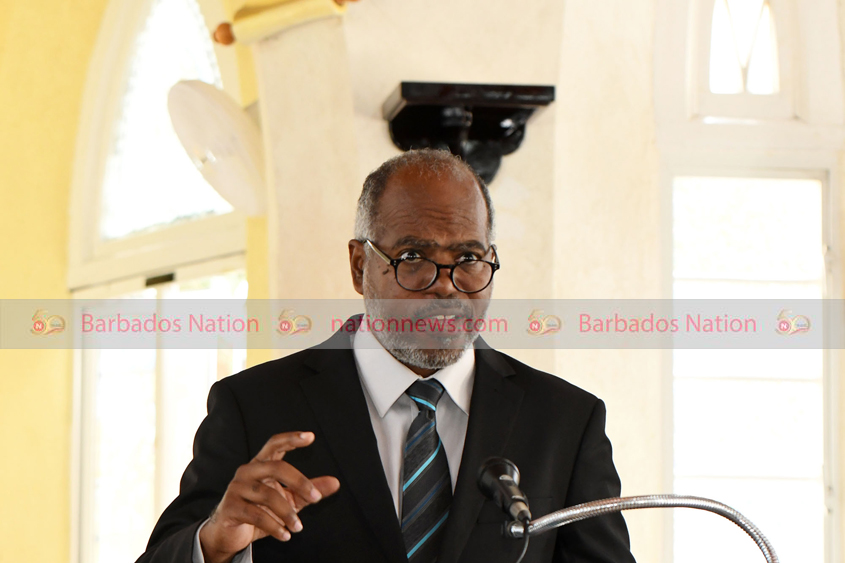
Barbados health officials urge vigilance against measles amid a regional outbreak, emphasizing vaccination coverage below the 95% threshold. Paediatricians endorse the national immunization schedule, while the Acting Chief Medical Officer stresses the importance of checking vaccination status.

The article reports that 100 digital stethoscopes were donated to boost the healthcare system in a Caribbean nation. The focus is on the positive impact of the donation, but it does not address underlying structural issues affecting healthcare access for Black communities.

A Trinidadian attorney faces ten fraud charges for allegedly submitting forged valuation reports and WASA invoices to the Board of Inland Revenue. The case highlights individual wrongdoing rather than systemic issues.

A woman and a man in Rio Claro, Trinidad, are charged with the murder of the woman's husband, whose throat was slit. They appear before a magistrate and are remanded until November 6.
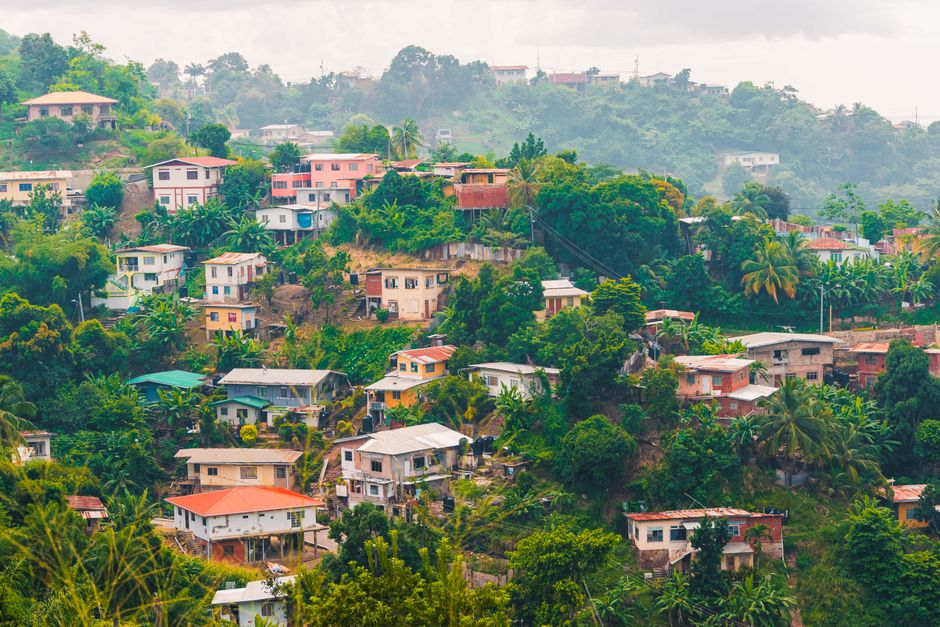
The article reports that mortgages dominate the loans sector in the Caribbean, indicating a strong housing market. However, it focuses on financial statistics without examining the structural barriers Black and marginalized communities face in accessing affordable housing and credit.
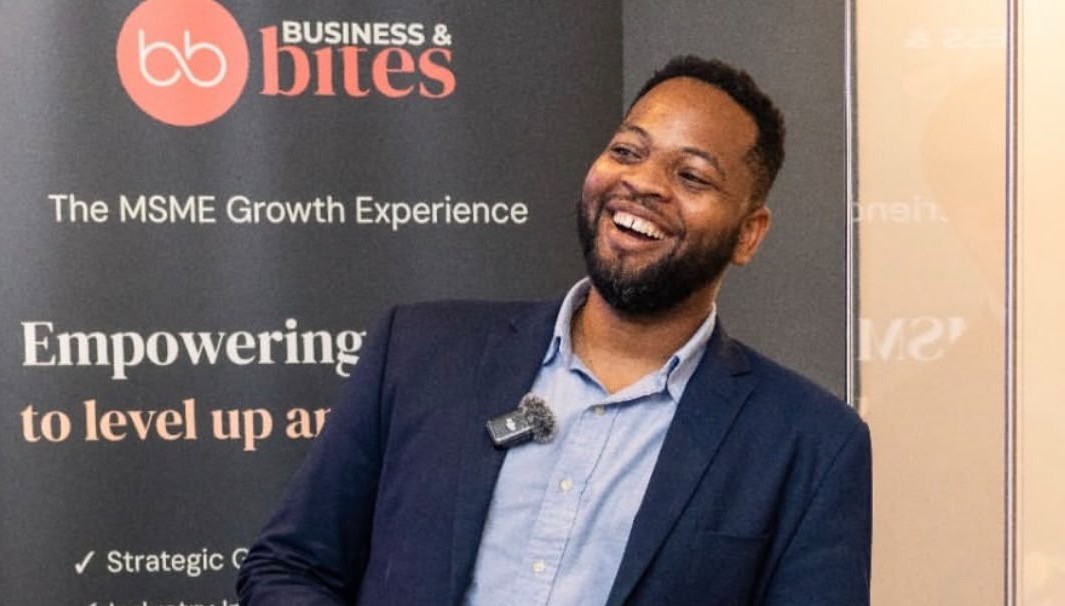
The article profiles Quinn Weekes, a Barbadian data and AI specialist who overcame poor grades to build a career and found Infolytics, aiming to use AI to boost productivity in Caribbean nations with limited resources. He discusses the potential of AI while acknowledging uncertainties about job displacement.

The Democratic Labour Party in Barbados opposes what it calls 'rushed reform' of secondary school placement, advocating for a delay in the switch to continuous assessment and for more consultation, training, and clarity. It argues the current BSSEE should be reformed rather than abolished, proposing a blended system with safeguards for all children.
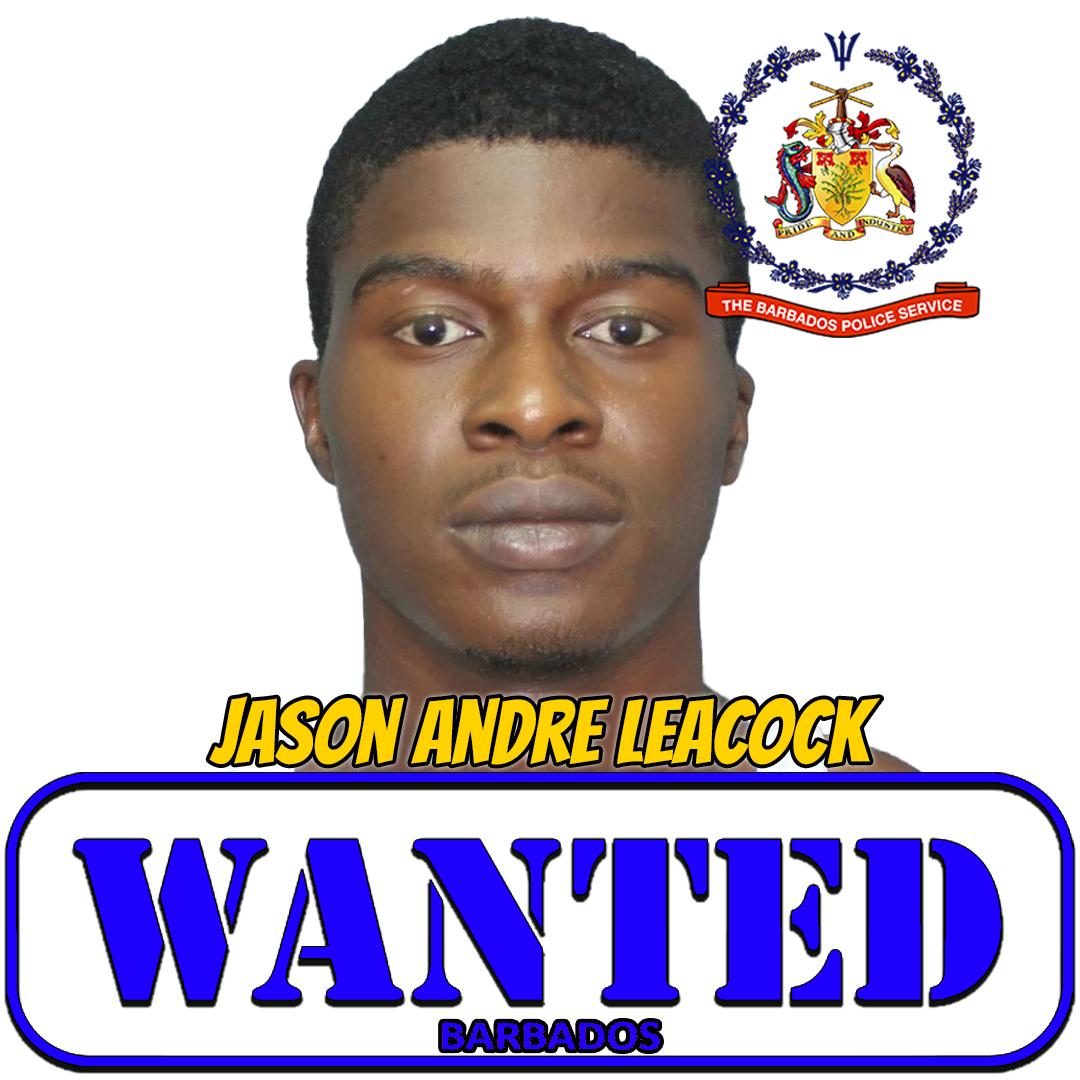
The Barbados Police Service issued a public notice seeking Jason Andre Leacock for questioning in serious criminal matters, describing his physical features and tattoos, and urging anyone with information to contact authorities. The notice also warns against harboring him. No details about the alleged crimes are provided, focusing solely on his identity as a wanted person.

Mediation between CoopEnergy Barbados and the Barbados Agricultural Management Company has collapsed, with CoopEnergy accusing the government of unilaterally walking away from a signed contract. The credit union's members will decide next steps, possibly legal action. The collapse affects a renewable energy and sugar industry partnership.

Barbados Minister Marsha Caddle explains that the Suarez Circus was moved from Belle due to its proximity to a major pumping station, which posed a contamination risk to 25% of the nation's drinking water. The circus had been allowed by one ministry but lacked other necessary permits.
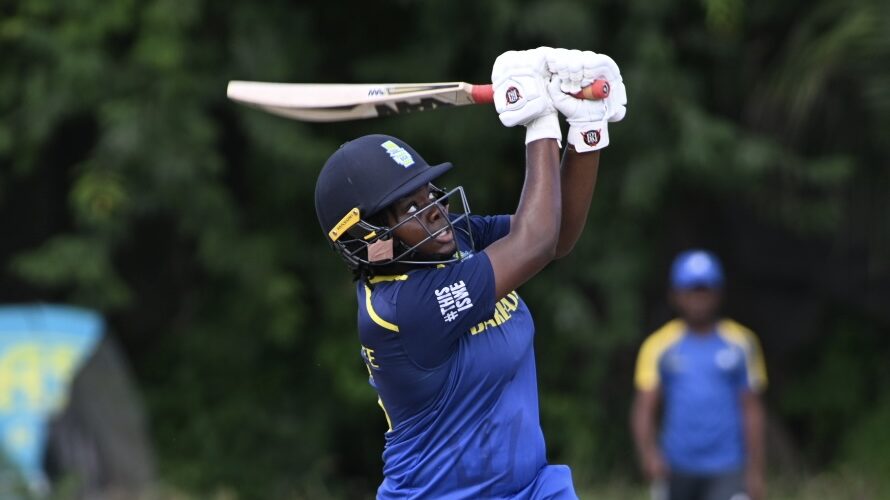
Cricket West Indies has named 22 young women, including five from Barbados, to a high-performance camp in Antigua to prepare for the 2027 ICC Under-19 Women's T20 World Cup. The camp focuses on technical, tactical, and personal development, building on the Rising Stars Championship, with coaching from senior staff. This initiative aims to strengthen the pipeline for West Indies women's cricket.
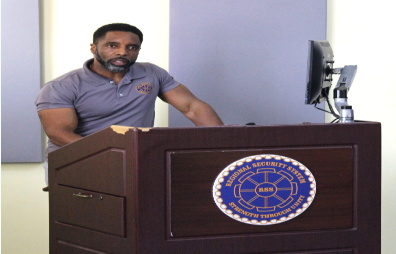
The article reports on a call by a Regional Security System official for greater collaboration among Caribbean law enforcement to tackle interconnected drug, firearm, and gang crimes. It emphasizes the need for intelligence sharing and a coordinated regional response to criminal networks.

Shauna Controlla discusses her return to Reggae Sumfest after seven years, plans for new music, and an upcoming EP she produced herself. The piece focuses on her artistic growth and deliberate release strategy.

Jamaica's economy is recovering faster than expected from Hurricane Melissa, with GDP contraction narrowing. The Planning Institute highlights improved output but notes full recovery of housing and infrastructure will take longer. The report focuses on aggregate data, not individual experiences.
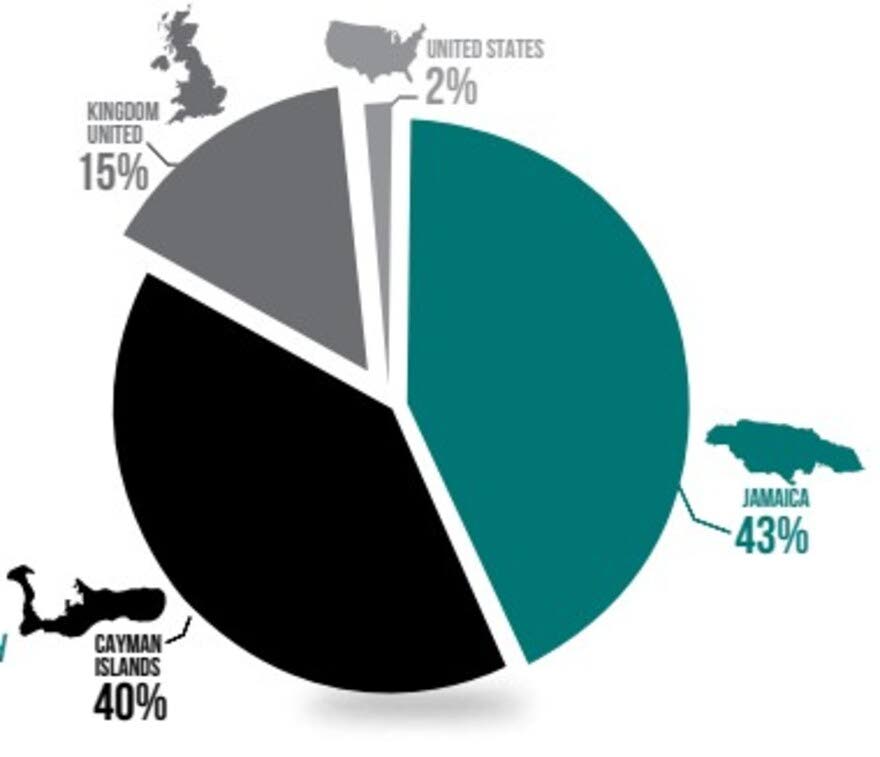
KPREIT, a Jamaican real estate investment trust, is relaunching its capital raise to reduce debt reliance and fund expansion. The company's CEO discusses the plan and its financial metrics, highlighting a strategic shift toward equity financing. No mention of broader social impacts on Black communities.

Mount Pleasant FA lost their Caribbean Cup title defence opener 2-1 to Cibao FC of the Dominican Republic. Despite dominating the first half, they wasted several chances and conceded twice, leaving their title defence off to a poor start.
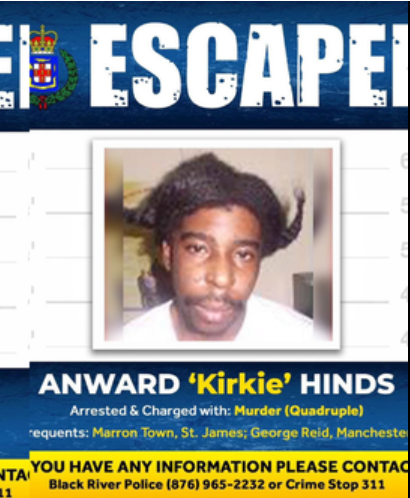
The story reports the police shooting of Anward Hinds, a wanted man connected to a quadruple murder, and details his escape from custody and the fate of other escapees. It focuses solely on his criminal history and the confrontation, without exploring broader social or economic contexts.
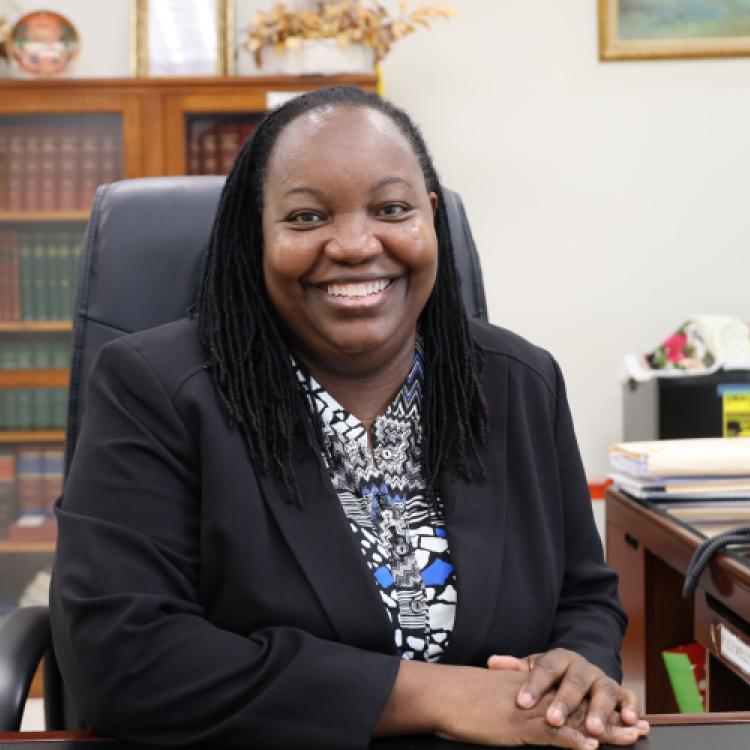
Claudette Thompson, Jamaica's Director of Public Prosecutions, is to be appointed King's Counsel, recognizing her distinguished legal career and high-profile prosecutions. She will also receive a national honour for her contributions to Jamaica's legal system.
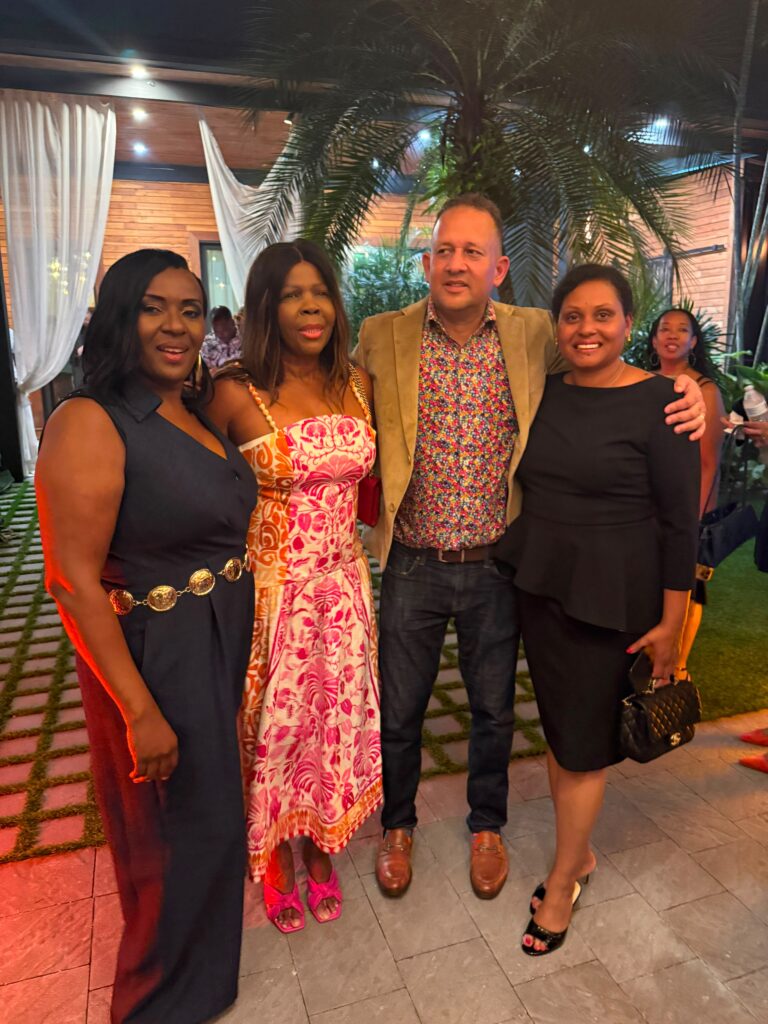
Jamaica's Consul General in Miami, Oliver Mair, is honored at a farewell reception before his appointment to serve the Jamaican diaspora in New York. The article highlights his achievements, community engagement, and personal background, presenting a positive image of Black leadership.
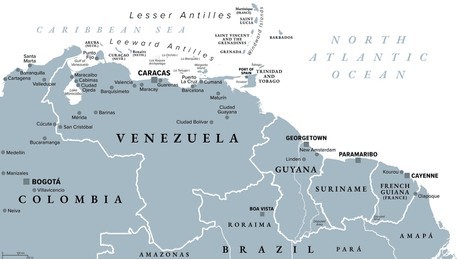
The article interviews Gerald Perreira, who critiques the U.S. 'Shield of the Americas' initiative and its impact on Guyana, accusing local political leaders of complicity. It ties U.S. interventions to broader imperial control, echoing historical solidarity with Cuba.
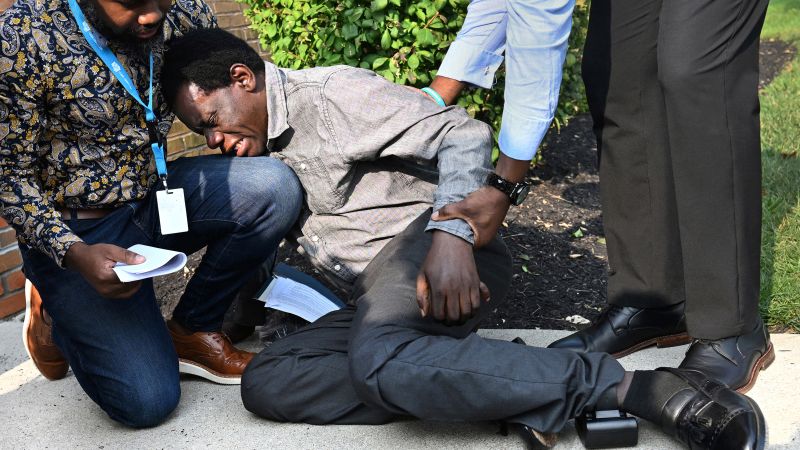
The Supreme Court upheld the Trump administration's termination of TPS for over 350,000 Haitians, leaving them without legal work and facing deportation to a country deemed unsafe. Haitian Bridge Alliance's director discusses the dire consequences for the community, including detention and ankle monitors, highlighting the racist underpinnings of the policy.

The segment discusses the end of Temporary Protected Status for Haitian immigrants, leading to job loss, detention, and deportation to a country the U.S. warns against visiting. It also examines U.S. control over nations like Guyana, framing them as de facto colonies that support imperial policies in the hemisphere.
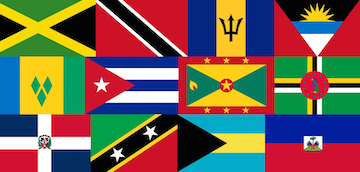
The article presents a 1940 declaration by the West Indies National Emergency Committee, protesting the Pan-American Conference's plan for trusteeship over Caribbean colonies. It highlights the Committee's call for self-determination and sovereignty, positioning Caribbean activists against both European colonial rule and U.S. hemispheric hegemony.

The article examines how colonialism's legacy continues to affect Caribbean politics, economies, and societies. It highlights the lasting impacts of the transatlantic slave trade, exploitative economic structures, and challenges to sovereignty and self-governance.

This scholarly article examines how Barbados's female prime minister uses language to assert agency within political discourse. It explores the intersection of gender, postcolonial identity, and leadership in the Global South.

The MSC Cruises webpage advertises holiday packages to the Caribbean, Mediterranean, and worldwide destinations. It presents the Caribbean as a tropical getaway, ignoring the region's history of colonialism and current economic exploitation.

Barbados prepares a state funeral with full ceremonial honors for National Hero Sir Garfield Sobers, a legendary cricketer. The procession will connect Parliament to Kensington Oval, symbolizing his legacy. Over 10,000 attendees are expected to celebrate the life of the former West Indies captain.
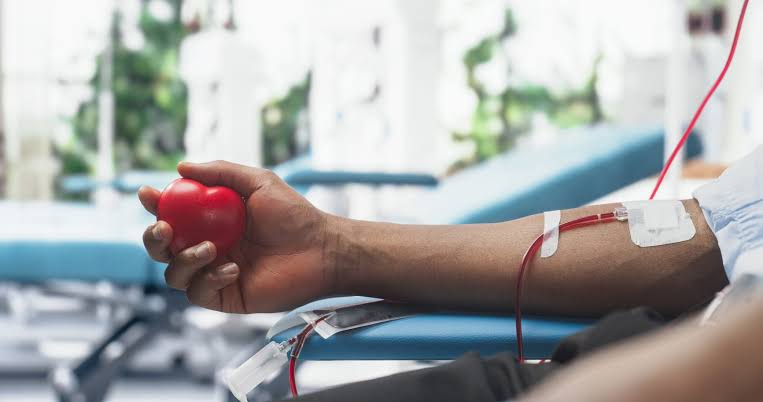
CG United expanded its support for Barbados's National Blood Collecting Centre by providing gas vouchers and equipment to encourage blood donations. The initiative aims to boost voluntary donations and maintain a reliable national blood supply through year-end.
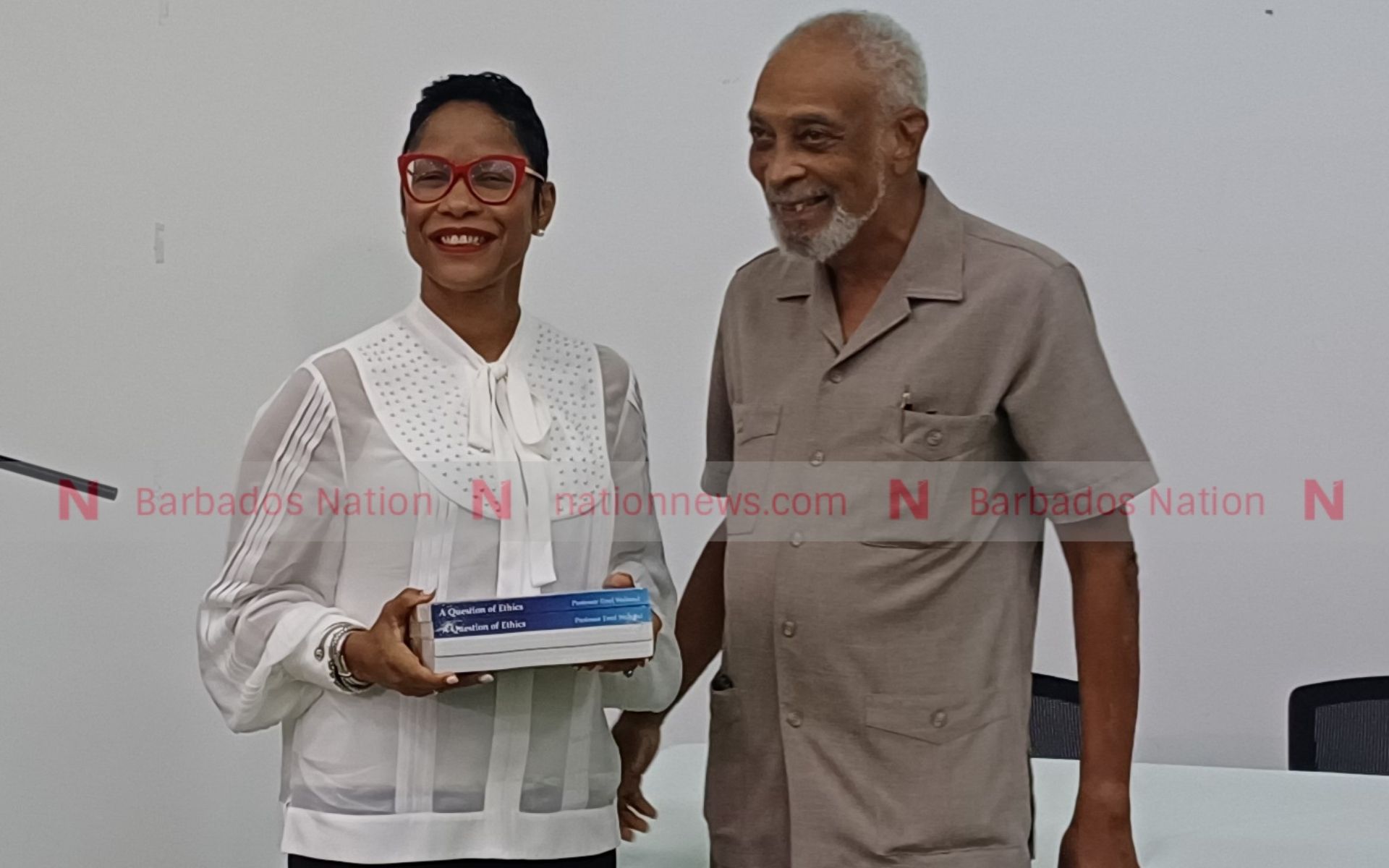
The story covers the opening of the 25th Errol Walrond Scientific Symposium in Barbados, where Minister of Health Lisa Cummins urged researchers to lead healthcare innovation. She highlighted the need to integrate research, policy, and ethics, drawing on local institutions like the University of the West Indies.

Jamaica appoints Oliver Mair as consul general to New York, highlighting his successful tenure in Miami and his focus on diaspora engagement, trade, and health initiatives. The appointment signals continued diplomatic ties and community support.

Haitian TPS expires July 27, 2026, affecting thousands in South Florida despite a court order. Advocates argue Haiti remains unsafe due to violence and instability, but work permits remain extended only temporarily.

Chinese nationals received the most work permits in Jamaica again in 2025, with 2,441 permits issued. The trend highlights continued foreign labor dominance in retail and construction sectors.

Elaine Angene Escoe, a woman on the FBI's most wanted fraudsters list, was arrested in Jamaica and returned to the U.S. for allegedly orchestrating a $32 million COVID-19 relief fraud scheme. The story highlights law enforcement's pursuit but lacks context on structural inequalities that may contribute to such crimes.

Former Trinidad and Tobago Prime Minister Keith Rowley calls for an end to the state of emergency, accusing the government of abuse. Prime Minister Kamla Persad-Bissessar defends the measures, accusing critics of stoking racial tensions and protecting criminal interests.

Bahamian authorities detained 54 Haitian migrants, including a child, and seized drugs after intercepting a vessel near the Exumas. The operation was aided by US intelligence and involved the Royal Bahamas Defence Force and US Coast Guard. A separate drug bust arrested three Bahamian men.

The captain, crew member, and loading superintendent of the MV Barima ferry face murder charges after a deadly sinking in Guyana. The captain claims the vessel had known issues since 2022, including missing radar, while the defense questions the overload allegation and the speed of the investigation.

Trinidad's Prime Minister Kamla Persad-Bissessar reports that an alleged assassination plot investigation has expanded across multiple jurisdictions with foreign help. The probe involves detained businessman Dominic Hadeed and others, though no charges have been filed.

The Caribbean Court of Justice has not yet received a formal request from CARICOM for an advisory opinion on the reappointment of Secretary General Dr. Carla Barnett. The matter arose after Trinidad and Tobago questioned the procedure, and the CCJ has clarified its advisory opinion process amid public interest.
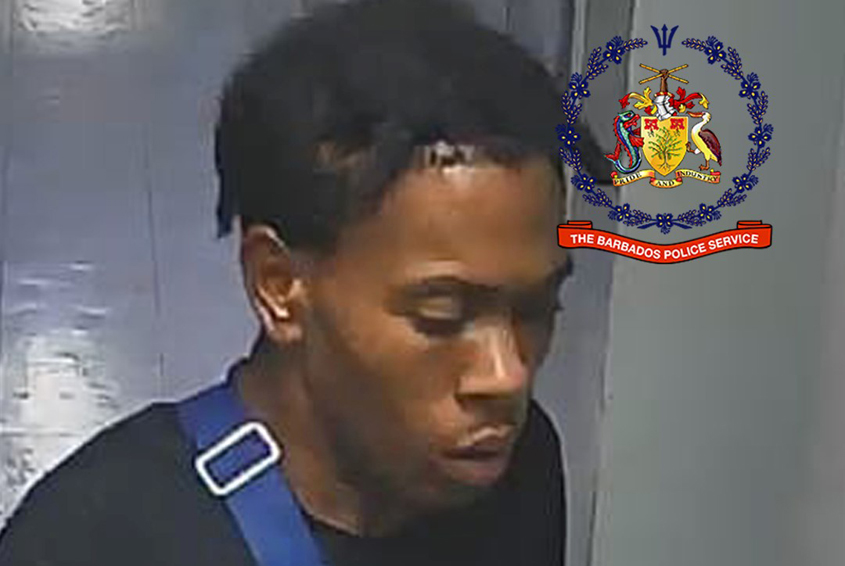
The Barbados Police Service is asking the public for help finding a person of interest in a serious criminal matter from July 12, 2026, in Cave Hill, St Michael. No details about the crime or the individual are given beyond the request.

David Jonsson has been cast as the new Black Panther in the third Marvel sequel, playing the son of Chadwick Boseman's T'Challa. The announcement was made at Comic-Con by director Ryan Coogler, highlighting Jonsson's rising career in film and television.
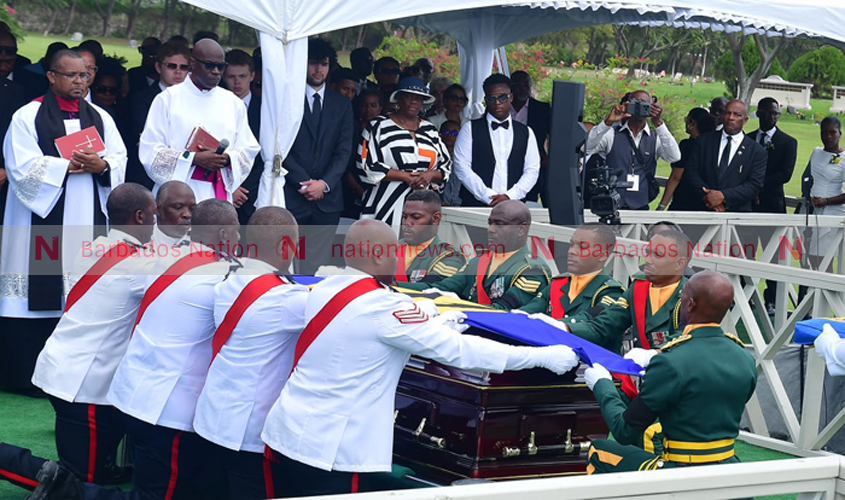
Barbados and the cricketing world held a state funeral for legendary cricketer Sir Garfield Sobers. The event drew past and present West Indian cricket stars, who celebrated his life and monumental contributions to the sport.
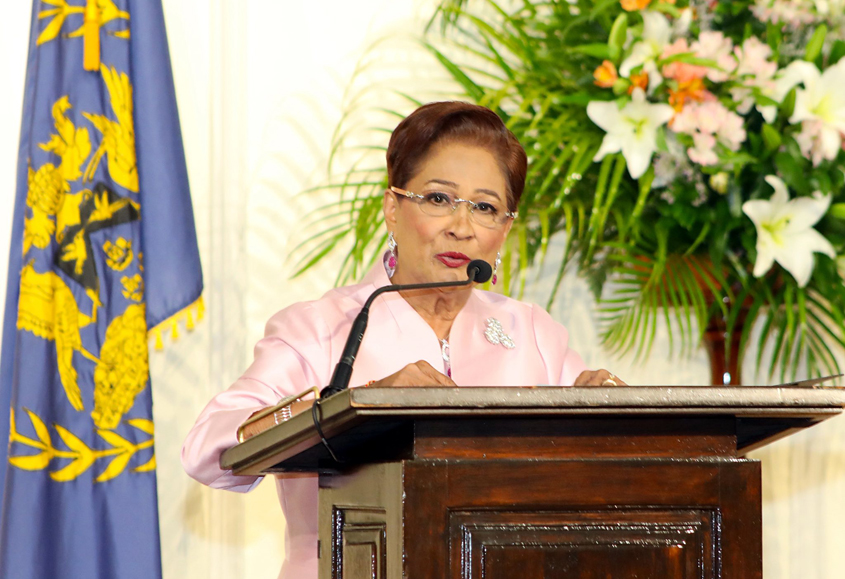
Trinidad and Tobago's Prime Minister reveals an expanded international investigation into an alleged plot to assassinate her and other officials. Key suspects have been released from preventive detention without charges, as legal and constitutional concerns reshape the probe.
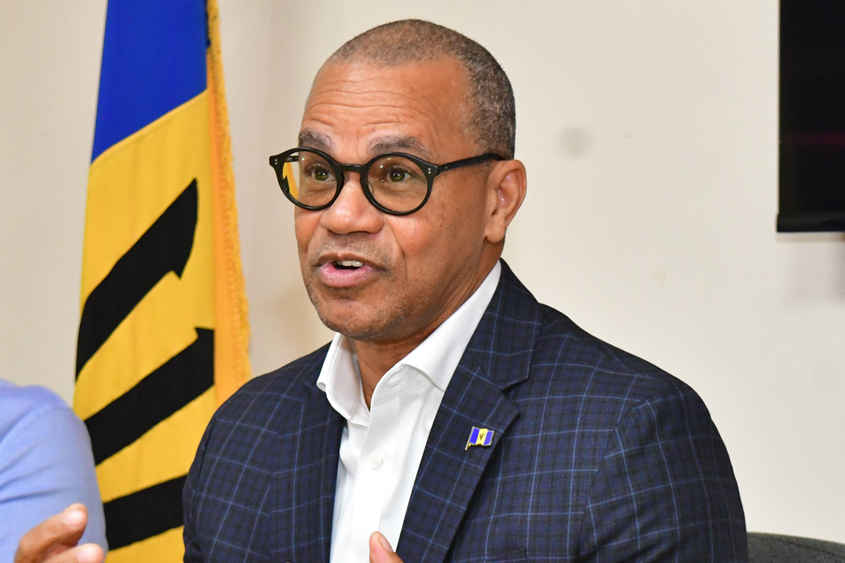
The BCCI calls for port reforms to achieve $19 million in savings, aiming to lower the cost of living in Barbados. The article focuses on supply-chain efficiencies and profit margins, without addressing structural inequality or racial dynamics inherent in the import-heavy economy.
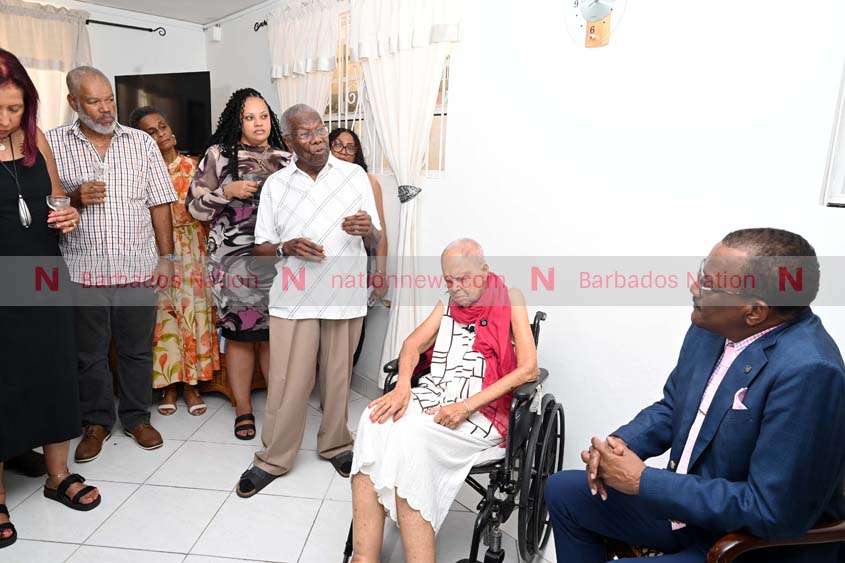
Esther Lilian Wickham, a 100-year-old Barbadian woman with two university degrees, is celebrated by her husband and the president of Barbados. The story highlights her academic career, family life, and longevity, framing her as a valued community treasure.

Opposition Senator Ryan Walters calls on the government to urgently obtain a legal opinion on suspension of salary deductions for public officers. Hundreds of workers, especially during back-to-school season, face financial hardship due to the uncertainty.

A Barbados judge prioritizes two decades-old sexual assault cases involving young Black girls, highlighting severe delays in the legal system. The complainants, now adults, reaffirm their desire for trial, exposing how structural neglect prolongs their suffering.
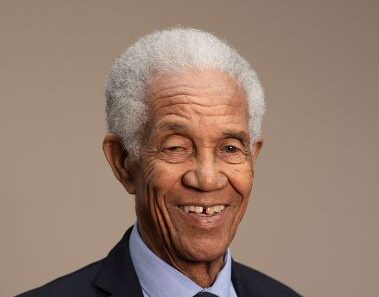
The story is a live coverage of the state funeral for Sir Garfield Sobers, a celebrated cricketer and national hero in Barbados. It highlights his contributions and the respect he commands, with the coverage focusing on ceremony and remembrance rather than social issues.

The article titled 'A dream fulfilled' from the Jamaica Observer appears to be a feature on someone achieving a personal goal, likely related to homeownership or property. The framing centers on individual triumph without addressing broader structural inequalities.
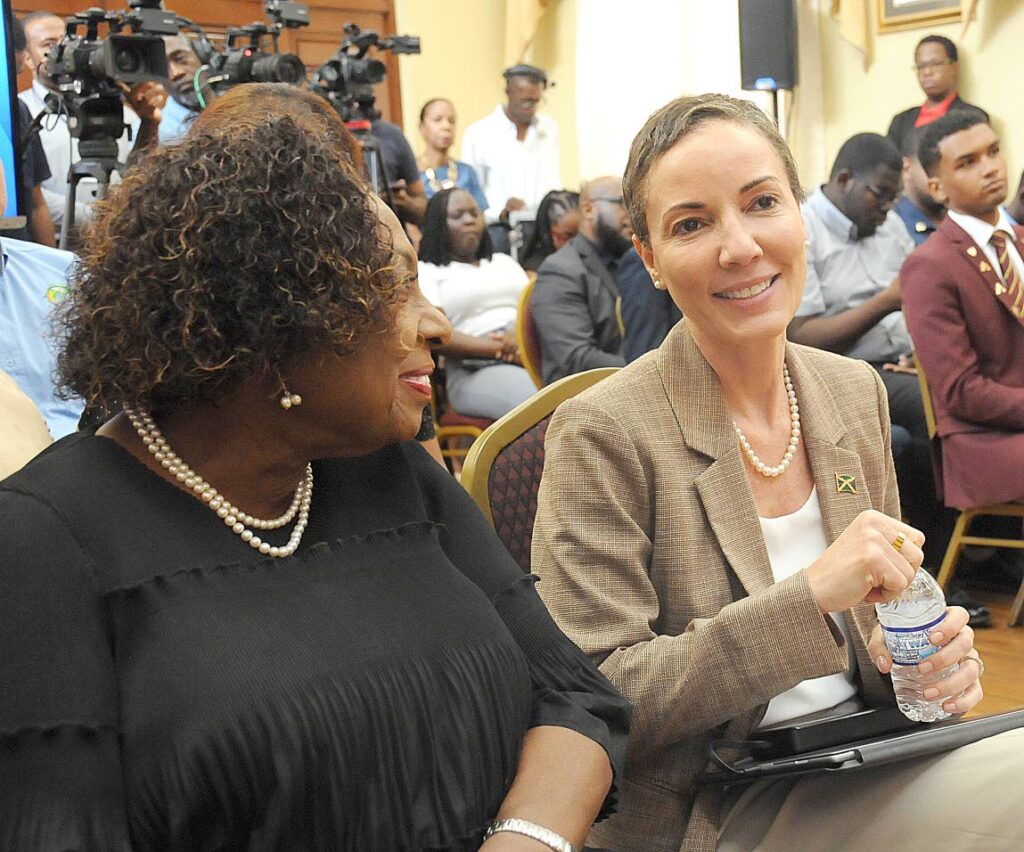
The Jamaican government pledges continued support for roughly 270 students studying in crisis-hit Cuba, where an energy crisis and US blockade disrupt education. The foreign affairs minister outlines communication channels and repatriation options, while acknowledging limited information on privately funded students.
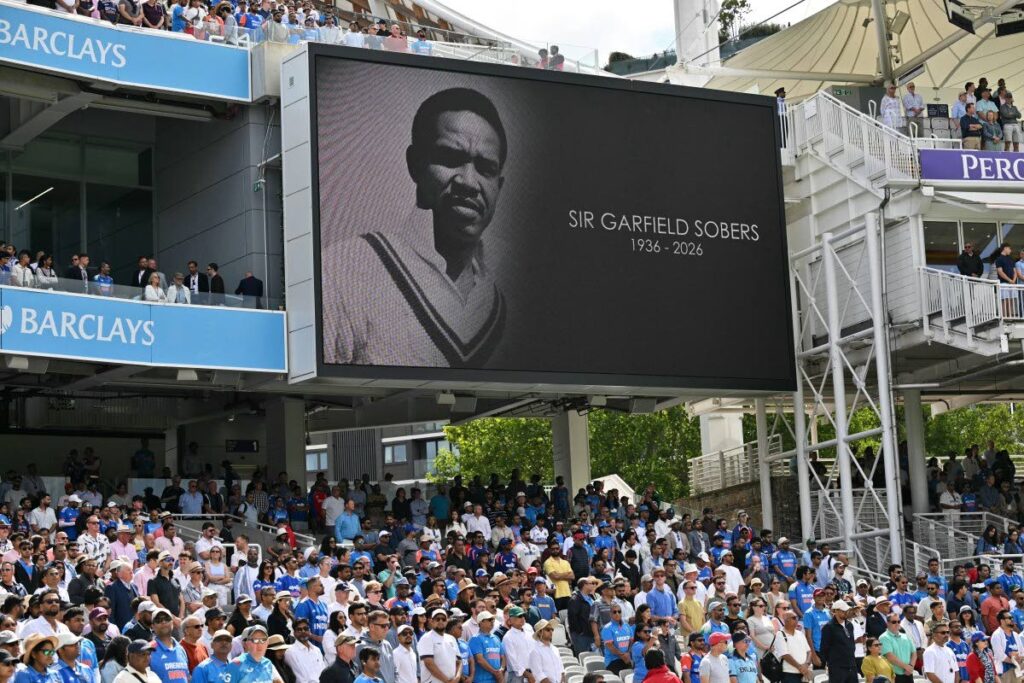
The article covers the funeral of Sir Garfield Sobers, a revered West Indian cricketer, celebrating his life and legacy in Barbados. Prime Minister Mia Mottley and former captain Brian Lara eulogize him as a symbol of humility, excellence, and national pride.
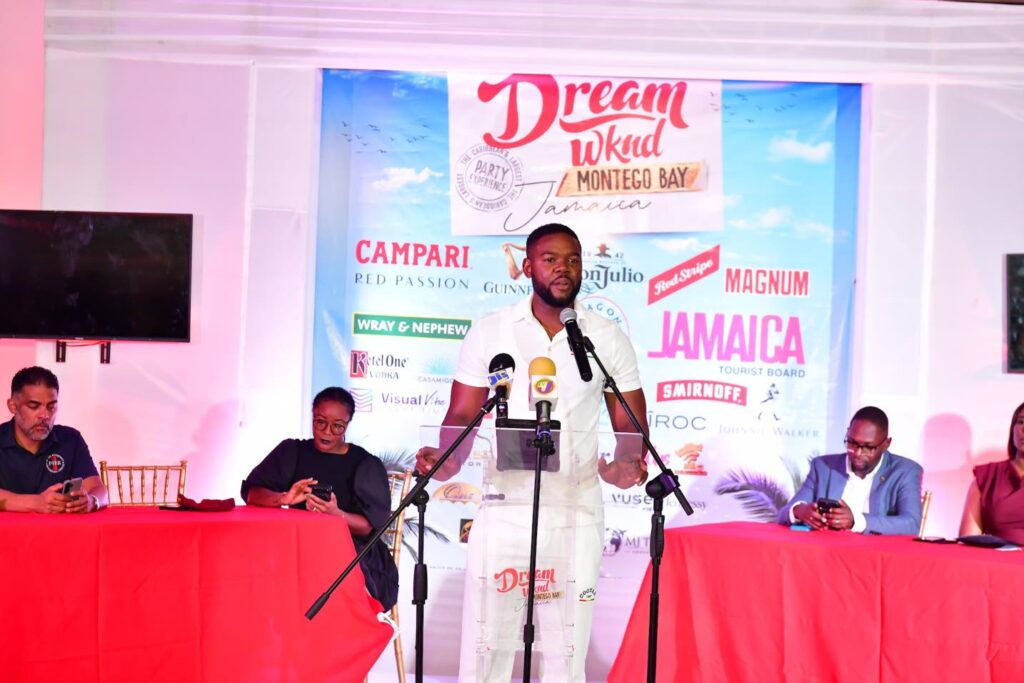
Dream Wknd, a major entertainment festival, is set to debut in Montego Bay with over 30,000 attendees expected. Organizers, local government, and police have coordinated security, traffic, and public health plans to showcase the city's capacity for international events.
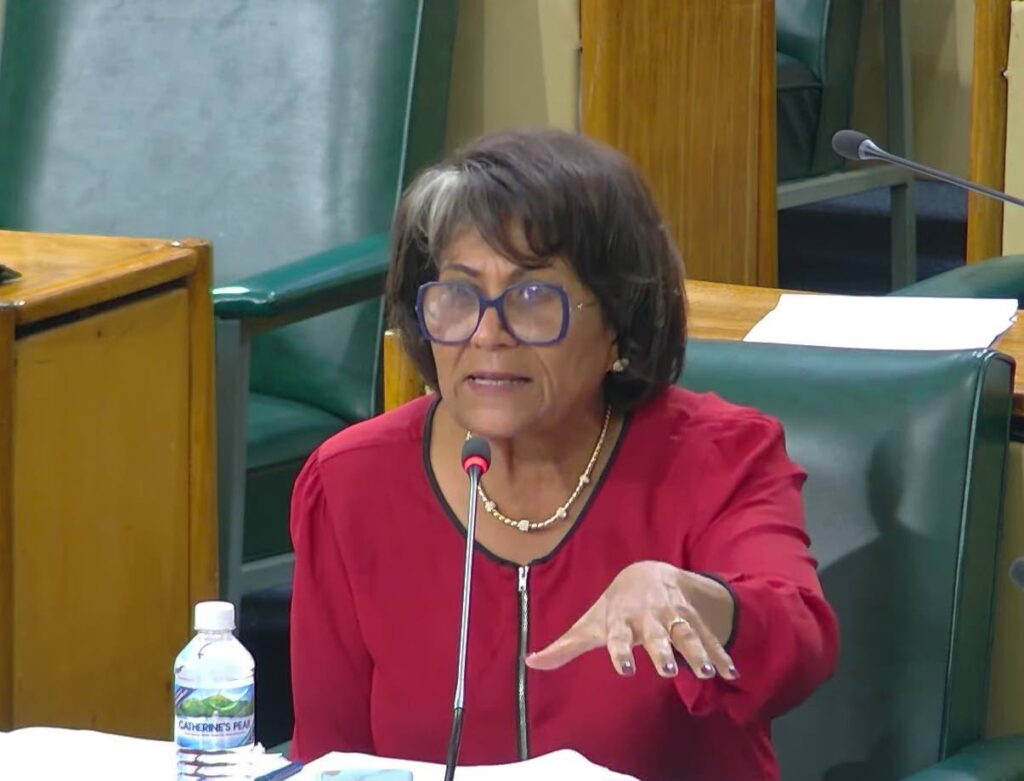
A parliamentary debate in Jamaica questions whether licensed psychologists need extra background checks to work with children in the Child Diversion Programme. Senator Golding-Campbell argues the checks are redundant, while committee members insist on maximum safeguards for vulnerable youths.

Tajay Gayle won Jamaica's first men's long jump gold at the Commonwealth Games, while Lloydricia Cameron earned bronze in shot put. The article celebrates these athletic achievements and highlights ongoing medal hopes for other Jamaican competitors.

Chef Colin Brown returns to Jamaica for a Chaîne des Rôtisseurs brunch at Uncorked Ochi, blending island flavors with French techniques. The event highlights Jamaica's culinary heritage and Brown's international success.

The story reports on the handover of 248 affordable housing units in Kingston, Jamaica, highlighting the joy and gratitude of new homeowners. It frames homeownership as a transformative milestone achieved through government policy and personal perseverance.
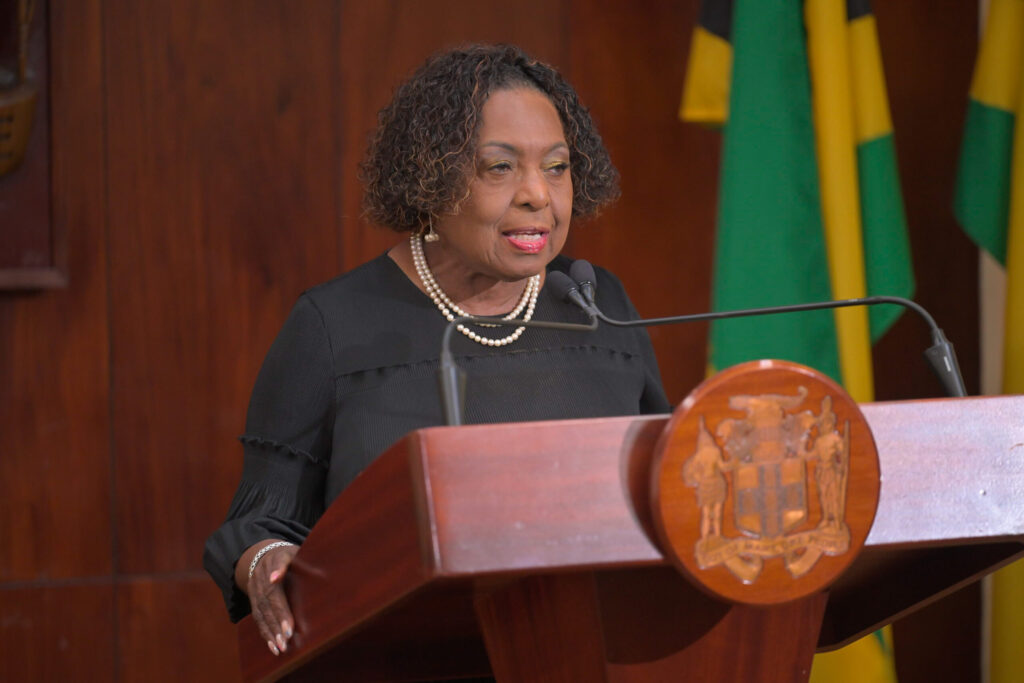
Jamaica's 65th anniversary celebrations will be the last held at the National Stadium before redevelopment. Minister Olivia Grange announced a Grand Gala, watch parties, and events honoring musical and military milestones.
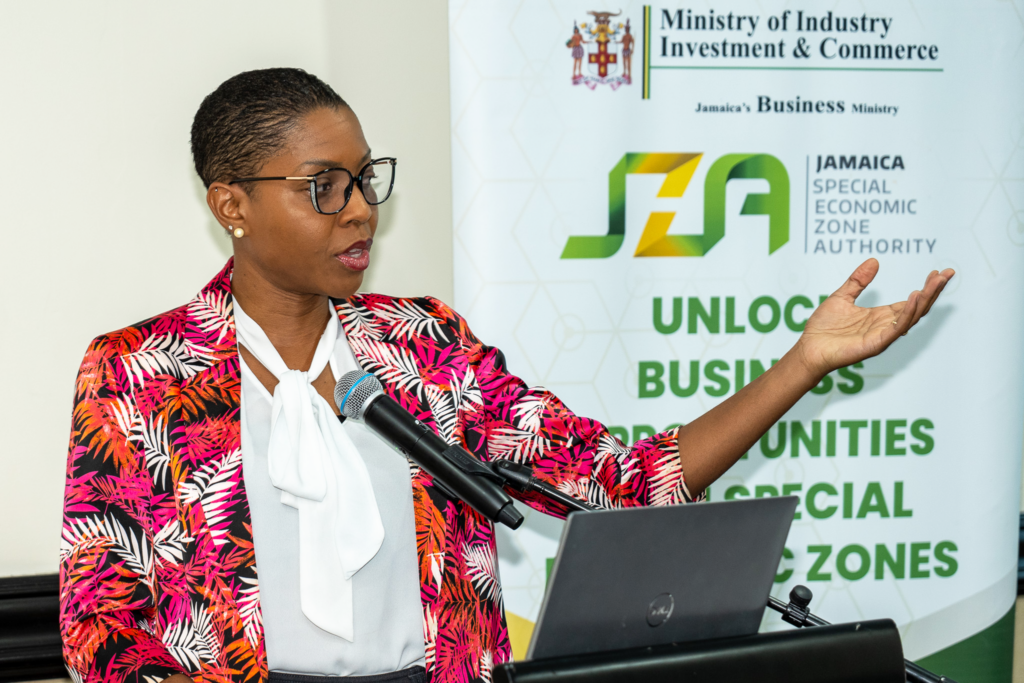
The Jamaica Special Economic Zone Authority is digitizing its application process to improve efficiency and attract investors. The story focuses on bureaucratic improvements without addressing how such zones may perpetuate economic inequality for Black communities.
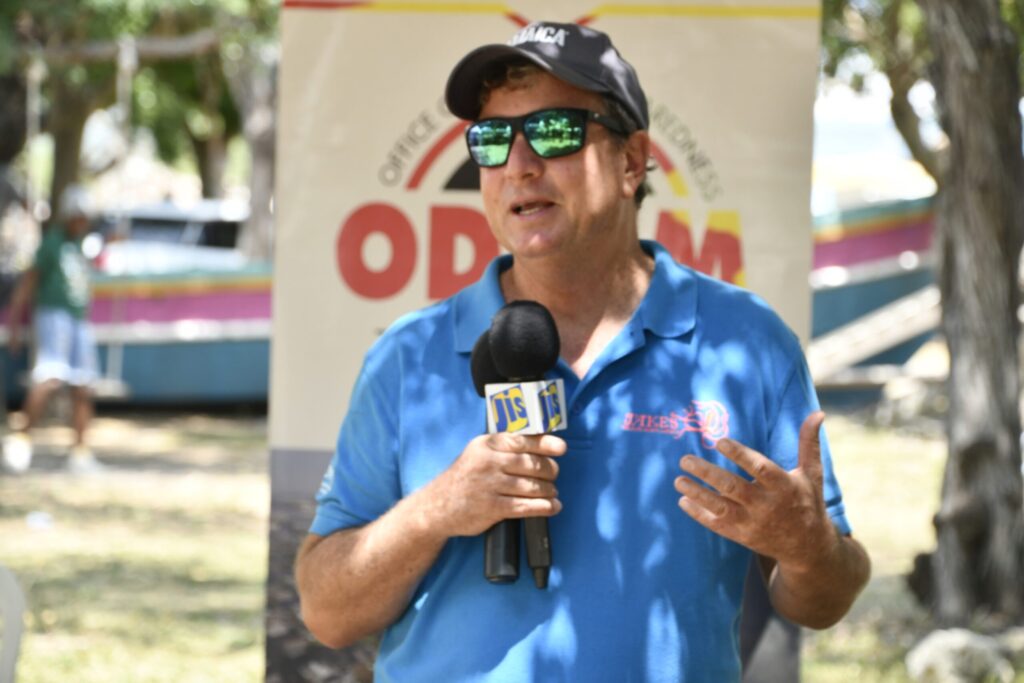
The BREDS Treasure Beach Foundation is highlighted as a model for disaster resilience in the Caribbean, with its community-driven recovery from hurricanes attracting regional attention. The foundation plans to build a resilience centre to reduce reliance on schools as emergency shelters.
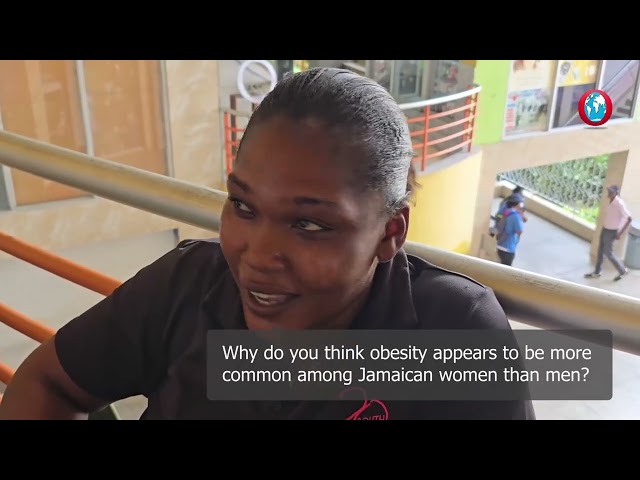
Jamaicans debate why women have much higher obesity rates than men, with opinions ranging from lack of exercise to stress and pregnancy. The article highlights a gender gap but largely ignores systemic factors like food access and economic pressures.

The article examines how a viral video of an Irish politician speaking sparked global debate about Jamaican Creole. It traces Patwa's origins to trans-Atlantic slavery and African languages, arguing for its recognition as a legitimate, creative Caribbean language.

The Caribbean Reparations Commission highlights ongoing demands from Caribbean nations for former European slaving nations to pay reparations. Stories cover political efforts, such as a Tory MP's plantation ownership and France returning looted artifacts, framing the region's active pursuit of justice.
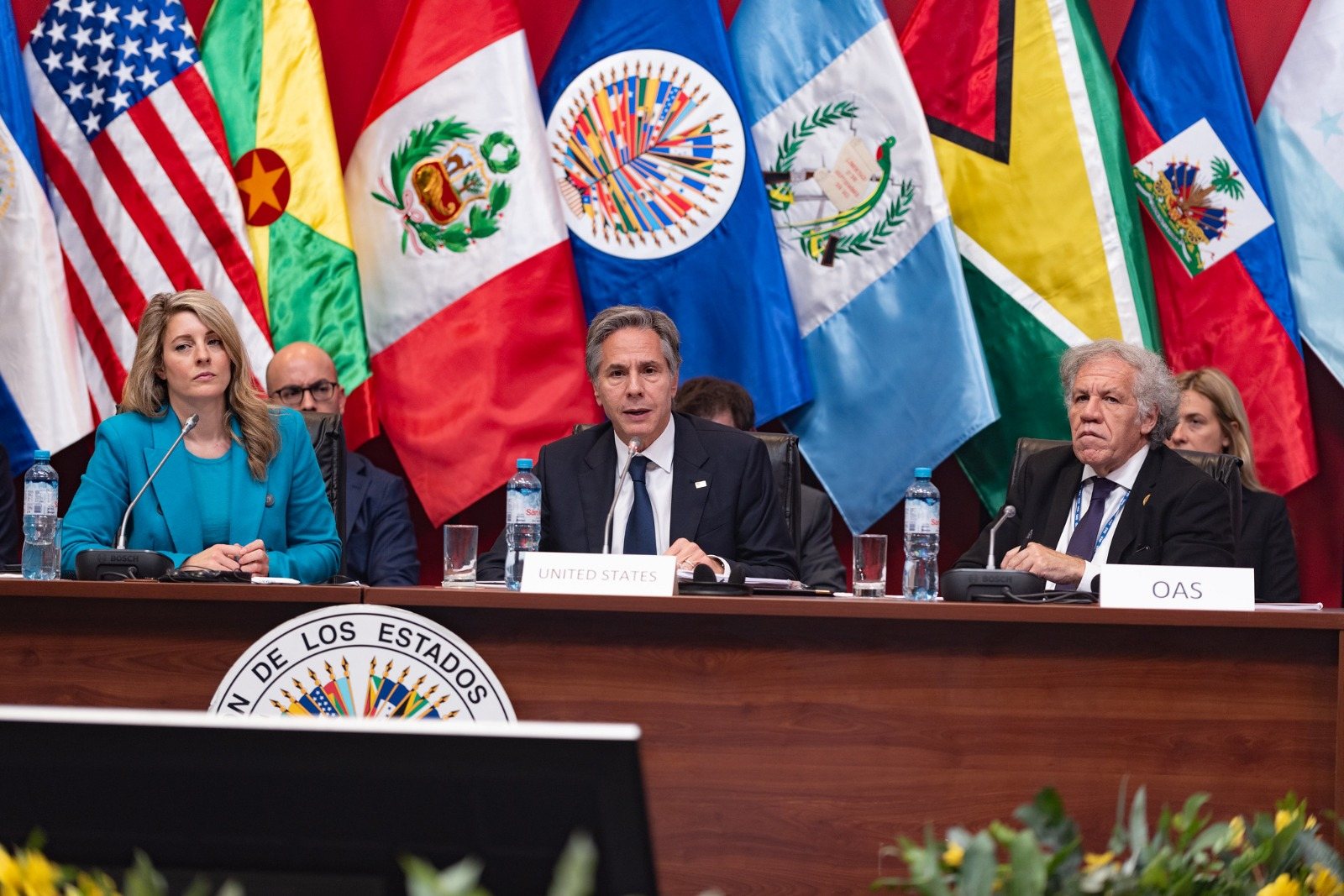
The Black Alliance for Peace rejects calls for more foreign intervention in Haiti, arguing that the crisis stems from economic misery and foreign meddling. They demand respect for Haitian sovereignty and self-determination, opposing the narrative that frames popular protests as gang violence.

The article examines how U.S. military and economic interventions in Haiti from 1915 to 1994 undermined Haitian sovereignty to protect American financial interests. It highlights the lasting impact of these colonial-era policies on Haiti's political and economic instability.
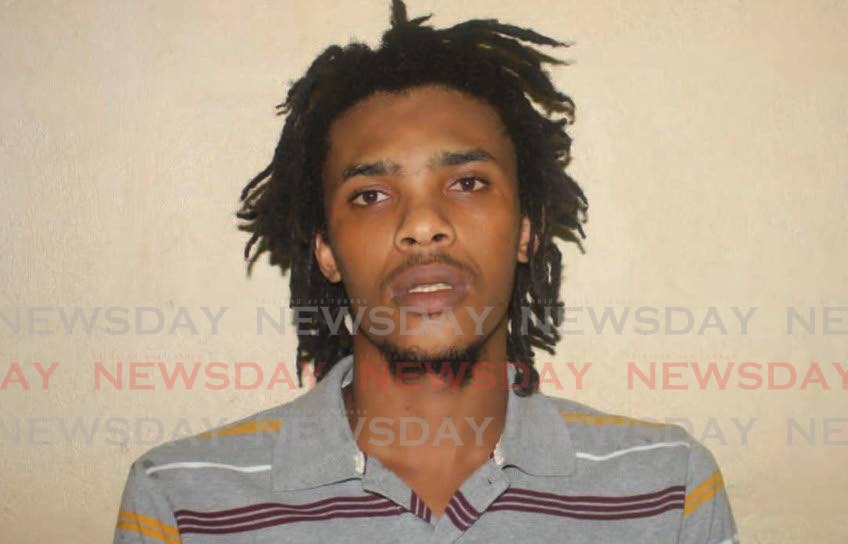
A High Court judge ordered the Prisons Commissioner to protect remanded murder accused Frankie Bartholomew after he was stabbed and nearly strangled in prison. The attack allegedly involved inmates and may relate to prison corruption.

Broward County Public Schools is launching an AI-powered school bus safety program that will issue $225 fines to motorists who illegally pass stopped buses. The program uses cameras on nearly 1,300 buses and includes a 30-day warning period before enforcement begins.

A tragic ferry capsizing in Guyana has killed at least 65 people, with foreign teams assisting in recovery. The article focuses on logistical details and government response, but omits deeper discussion of the structural inequities affecting the predominantly Black and Indigenous victims.

Contour Airlines will launch direct flights between Dominica and Trinidad in October 2026, aiming to boost regional connectivity and tourism. The service, operated twice weekly with 30-seat aircraft, is part of the airline's broader Caribbean expansion.

The U.S. imposed sanctions on nine Cuban entities and two officials, citing energy sector revenue, sanctions evasion, and alleged forced labor in overseas medical missions. The measures aim to limit Cuba's access to foreign currency. The framing emphasizes exploitation of Cuban workers by their own government.

BermudAir has ordered 10 Airbus A220-300 jets to expand routes across Bermuda, the Caribbean, and North America. The airline emphasizes efficiency, passenger comfort, and lower emissions. The announcement highlights regional connectivity but lacks context on economic disparities facing Black communities in the region.

The Guyanese government is providing funeral assistance to families of the MV Barima ferry disaster but will not discuss compensation until a commission of inquiry concludes. The prime minister insists current aid is not compensation, deferring any financial accountability to the investigation's findings.

Lauderhill, Florida, will host a Jamaica Independence celebration headlined by Beenie Man, also featuring Marcia Griffiths and other reggae and dancehall artists. The event commemorates Jamaica's 64th year of independence and showcases the diversity of Caribbean music.

Sande Hartman, a teacher at West Broward High School, has won the 2026 Gutterman Family Outstanding Holocaust Educator Award for her work in Holocaust and human rights education. The award recognizes her classroom instruction, leadership, and community engagement.

Chris-John Addison wins the second round of Drift Ruption in Trelawny, Jamaica, beating top drifters. The event shifts to high-speed tandem drifting at larger venues for the finale.
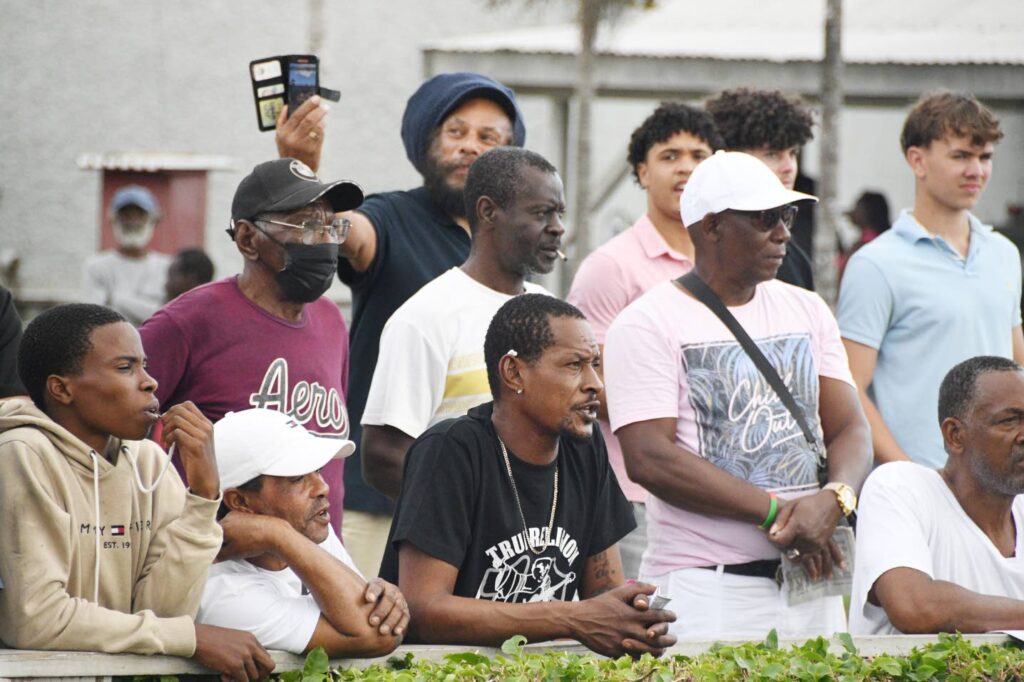
The article discusses the Jamaica Racing Commission's Hall of Fame process and its list of honored racing pioneers. It notes omissions and calls for an updated process to include more deserving figures.

The story covers Desert of Malibu's 13th win at a Jamaican horse race, highlighting the mare's age and health issues. It also explains why she races instead of breeding, focusing on the sport's competitive and economic dimensions.
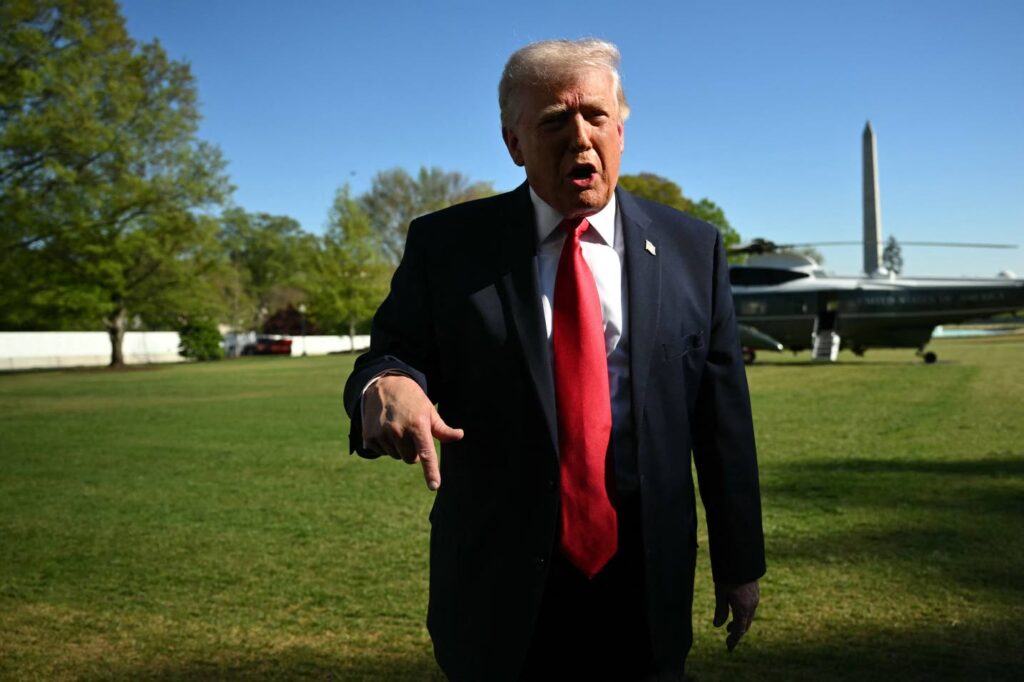
The US announced new tariffs on 60 trading partners over forced labor concerns, replacing an expiring duty. The move targets major economies and maintains leverage through ongoing investigations into excess industrial capacity.
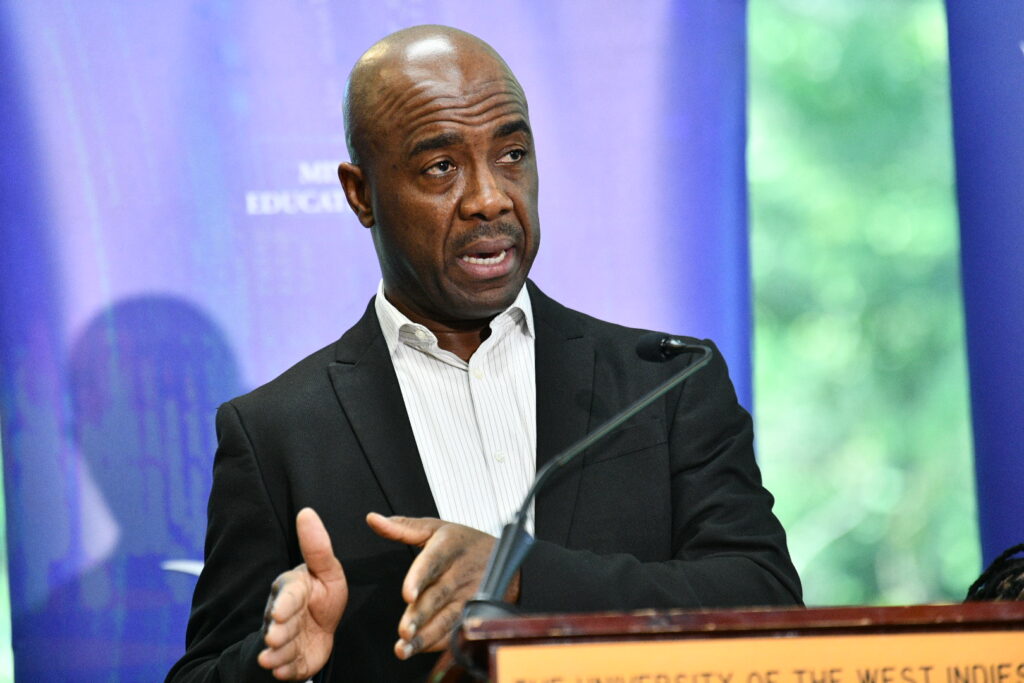
The Jamaican education ministry has implemented 43% of 365 recommendations from the JETC report, up from 37% last quarter. Officials stress that full implementation by 2031 is necessary to create a globally competitive education system that works for all Jamaicans.
A 67-year-old man in St James, Jamaica, allegedly killed his wife with a machete and then ingested poison. Both died from their injuries. The incident followed an argument over divorce.

The article reports on the growth of Jamaica's private security industry, which now includes over 300 companies and 30,000 registered guards, mostly unarmed. It highlights regulatory increases and rising numbers of male and female registrants but offers no analysis of working conditions or wages.

Jamaica's Reggae Boyz were placed in Group B of the 2026/2027 CONCACAF Nations League alongside Honduras, Guatemala, Suriname, Martinique, and El Salvador. The league serves as a qualifier for the 2027 Gold Cup, with matches scheduled across FIFA windows.
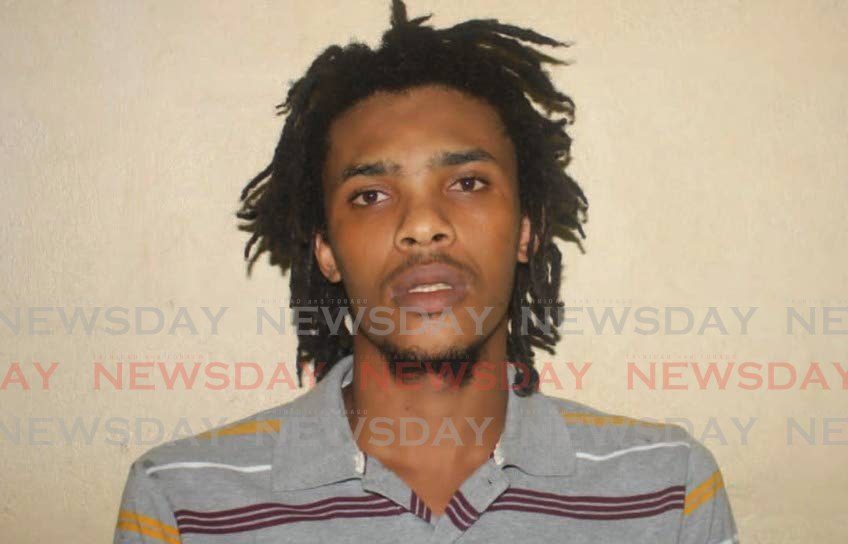
A Morvant man, Frankie Jamal Bartholomew, was acquitted for a second time of a 2009 murder. The judge cited unreliable eyewitness testimony and egregious police failures in the investigation.

The Indian High Commissioner compares the UNC's 2025 election victory to the Hindu festival of Divali, framing it as the end of a decade-long exile for the party. Prime Minister Kamla Persad-Bissessar echoes this sentiment, thanking supporters for their role in her return to power.
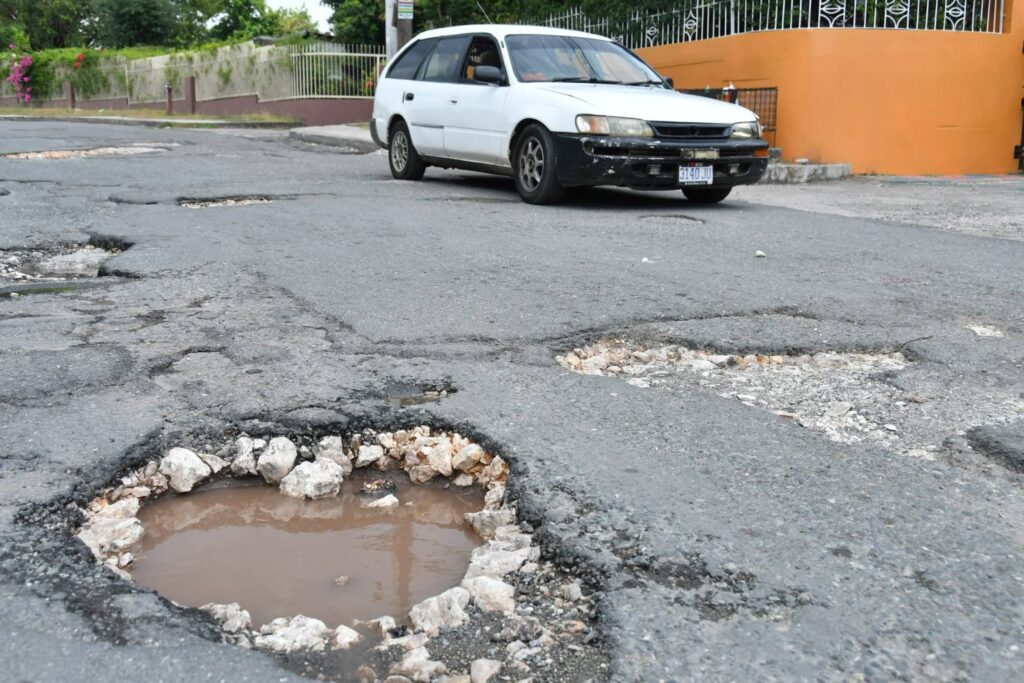
Jamaica's Cabinet approved an additional $1.5 billion for road repairs, bringing the total to $3.1 billion for the fiscal year. Motorists across the island continue to struggle with large potholes, while the works minister clarifies his responsibility is limited to main roads, not community streets.
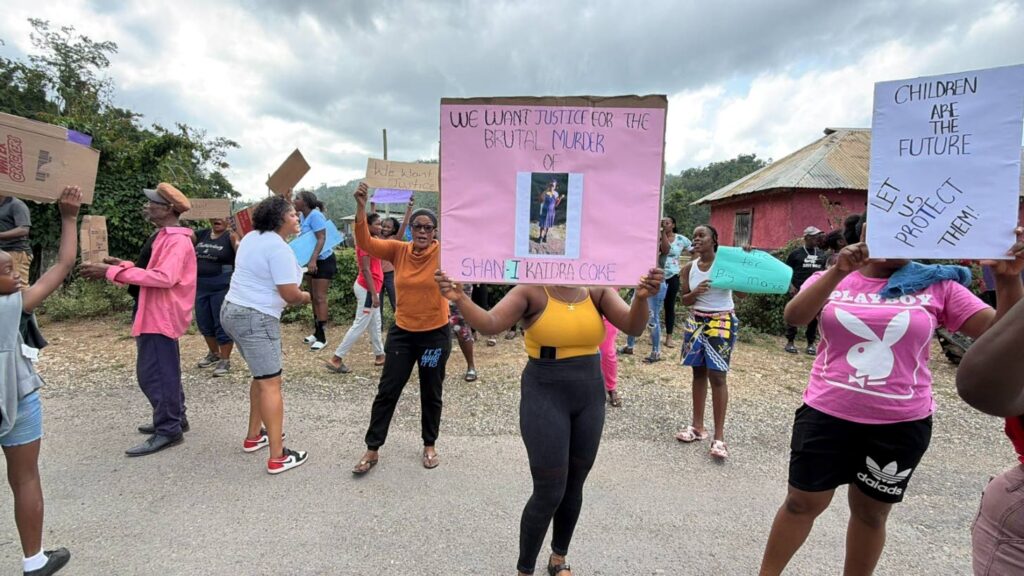
In Troy, Trelawny, residents protested after police arrested a man in connection with a mob killing of a suspected child murderer. The community, still mourning the death of 10-year-old Shani Coke, blocked roads demanding justice and the release of the arrested man.

Jamaica's global digital services sector lost US$220 million in local spending and 5,000 jobs in a year, with employment falling to 50,000. The decline is blamed on reshoring, technology, and Hurricane Melissa, highlighting the sector's vulnerability to external forces.

The article explores the history and global recognition of Jamaican Creole (Patwa), sparked by a viral video of an Irish politician. It traces the language's roots in trans-Atlantic slavery, colonialism, and African influences, emphasizing its value as a creole language and the challenges it faces in gaining acceptance.

This article examines anti-Haitianism as a hemispheric form of anti-Blackness rooted in fears of Black self-governance after the Haitian Revolution. It highlights recent examples, including a primary race in New York where "Haitian" was used as a slur, and a Supreme Court ruling enabling deportation of Haitians under TPS.
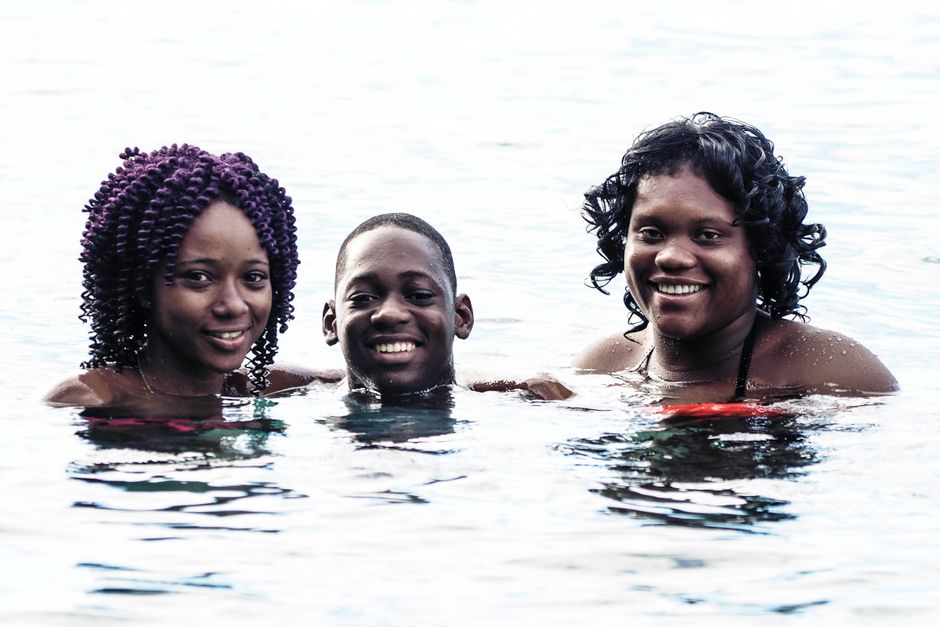
This piece examines how anti-Haitian violence and deportation across the US, Dominican Republic, and Bahamas stem from a colonial-era fear of independent Black states. It connects these actions to broader patterns of anti-Blackness and neocolonial struggles.
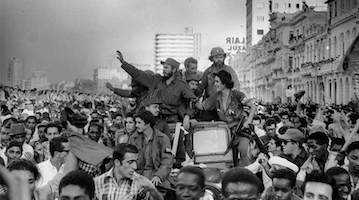
The article critiques Marco Rubio's report linking Cuba to US protests, calling it a distortion rooted in US imperialism. It reprints a 1979 Fidel Castro interview to counter anti-Cuba narratives and highlight structural inequality.
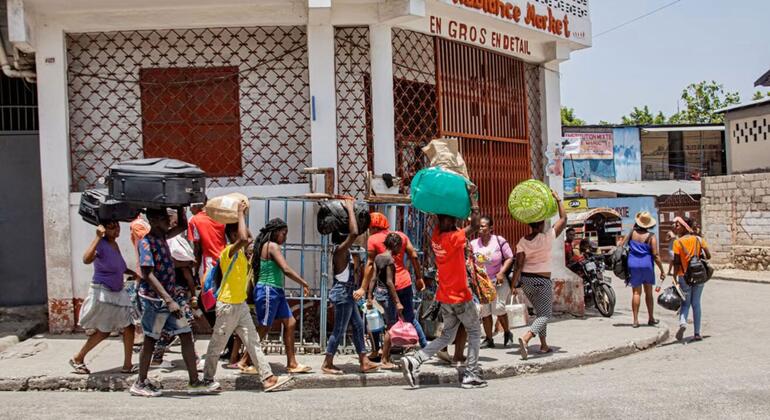
Haiti faces a severe humanitarian crisis with gang violence controlling much of Port-au-Prince, displacing families and killing hundreds. Despite this, there are plans for elections by 2026 and a new UN-backed security force patrolling the capital.

The U.S. is deploying air and naval forces to the southern Caribbean to combat Latin American drug cartels. The story focuses on military action and security threats, with no mention of local Black communities' perspectives or the root causes of the drug trade.

The US deploys significant air and naval forces to the southern Caribbean, framing the mission as a fight against drug cartels and narco-terrorism. The report emphasizes military assets and deterrence but omits the perspectives of local Black communities who experience the region's instability and US intervention.

Barbados will hold a state funeral for cricket legend Sir Garfield Sobers on July 29 at Kensington Oval. The ceremony honors his contributions to cricket and the nation, with the family involved in planning.

A ferry capsized off Guyana's coast, killing at least 53 people. An inaccurate manifest and aging vessel have complicated rescue efforts, while officials continue searching for missing passengers.

A Bahamian man, Adnan Oliver, is accused of killing a key witness in his armed robbery trial and repeatedly violating bail conditions. The case highlights issues of witness intimidation and prosecutorial challenges within the Caribbean justice system.

Dominica's Electoral Office denies social media claims that voter confirmation can be done without the elector present, citing system safeguards requiring photo and signature. The clarification comes amid ongoing electoral reforms following a contentious political history involving opposition boycotts.

Guyana's Department of Public Information apologized for incorrectly stating that China supported Ambassador Carolyn Rodrigues-Birkett's UN secretary-general candidacy. The error, which caused diplomatic discomfort, has been corrected with internal editorial measures announced.

Miami-Dade leaders are holding a news conference to discuss the economic fallout from the end of Temporary Protected Status for Haitian nationals, which could affect hundreds of thousands of workers. The discussion focuses on the impact on industries like healthcare and hospitality, but largely avoids naming the underlying structural racism.

Efforts begin to refloat the sunken MV Barima in Guyana. The story focuses on technical operations without discussing the economic or social impact on local communities.
AM Best upgraded the credit ratings of Sagicor Financial and several subsidiaries, citing strong balance sheet and operating performance. The improved ratings are expected to help Sagicor expand its reach and lower its cost of capital.
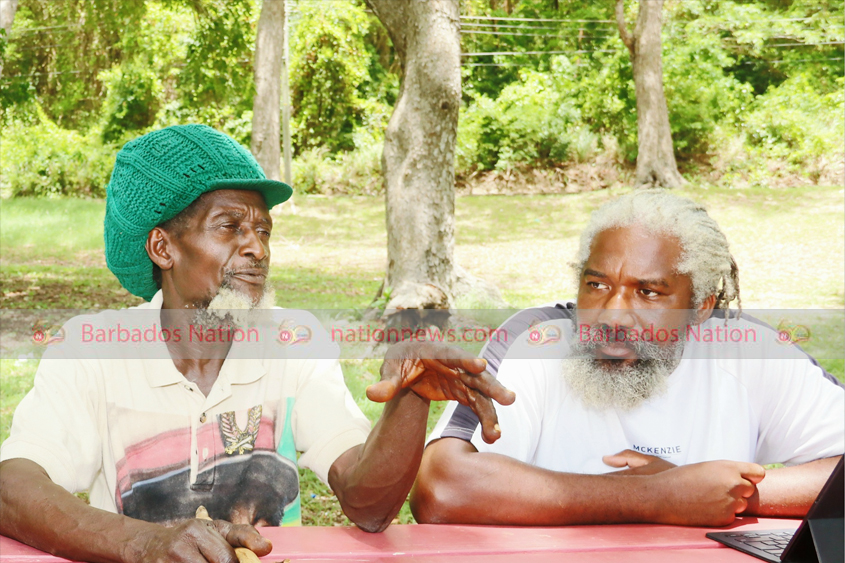
Residents of the historic Codrington Estate in Barbados say they are being excluded from an $18 million reparations project. They accuse the Codrington Trust of failing to consult them and demand genuine participation, healthcare, education, and land management rights.

Opposition leader Kamla Persad-Bissessar promises to arm all police and prison officers with personal firearms if her Star Team wins upcoming elections. The pledge focuses on officer safety and fighting violent crime, but omits broader social reforms affecting Black and marginalized communities.

Eight more bodies were recovered after the MV Barima sinking, bringing the total to ten. The Guyanese government, with international aid, is leading recovery efforts and promising an investigation.

A report shows Jamaican deportations more than doubled in 2025, driven by US immigration enforcement. The government has a response plan but the framing focuses on numbers and criminal warnings, not reintegration challenges.

LaToya Malcolm, a former Miss Universe Jamaica contestant and 2024 Miss Jamaica Bikini International winner, has died at 35. Her cause of death was not disclosed, and tributes highlight her resilience and impact on the pageant community.

Saint Lucia Carnival 2026 attracts US stars like Chloe Bailey, Angela Simmons, and Kandi Burruss for a week of festivity. The article highlights the event's cultural significance and growth as a premier Caribbean festival.
A 53-year-old Black man from St Thomas, Barbados, has been reported missing. The article provides a detailed physical description and asks the public to contact police with any information.

The story announces that the Pic-O-De-Crop Finals, a major Barbadian calypso competition, will be held at CARIFESTA House. It highlights the cultural significance of the event for local Black communities.
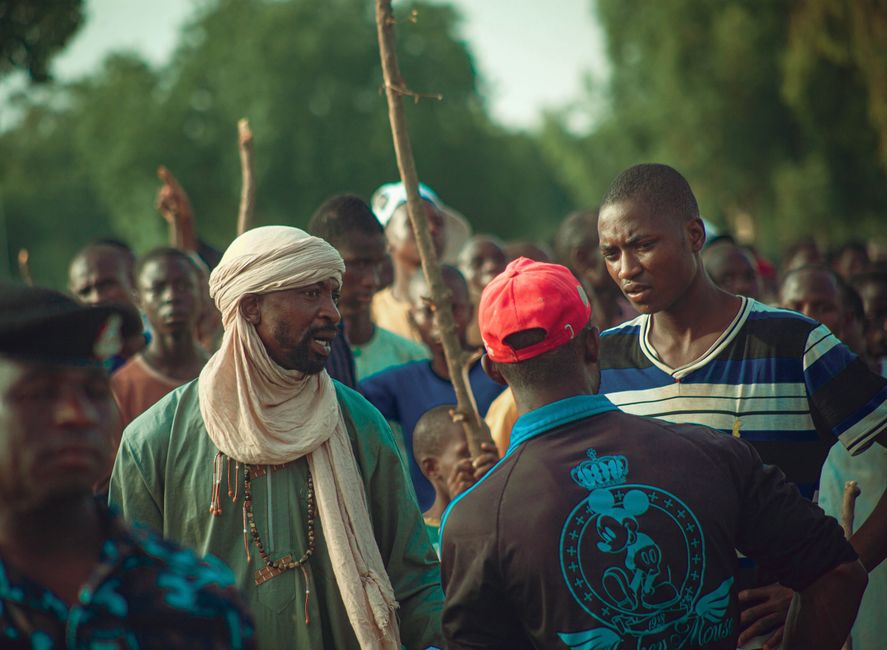
The son of former Olympic medalist Obadele Thompson has qualified for the World Athletics U-20 Championships. The story highlights family legacy and athletic promise in a positive light.

A 10-year-old girl, Shani Coke, was brutally murdered in Trelawny, Jamaica. The CPFSA expresses horror and calls for national action to protect children from violence.
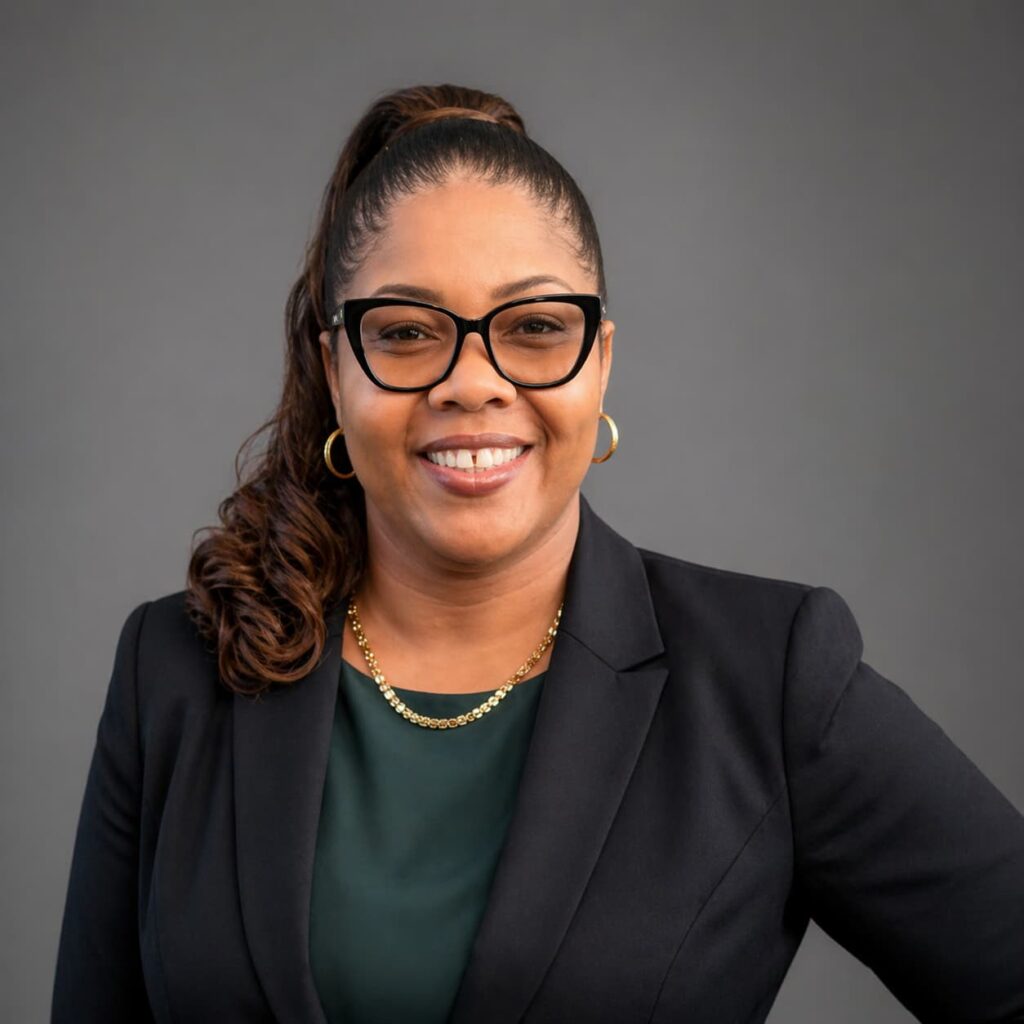
A Miss 30+ Jamaica contestant launches Project Bloom, a partnership with Harmony for Humanity Foundation to support children with autism. The initiative provides educational sessions, awareness, and community inclusion for families in Jamaica.
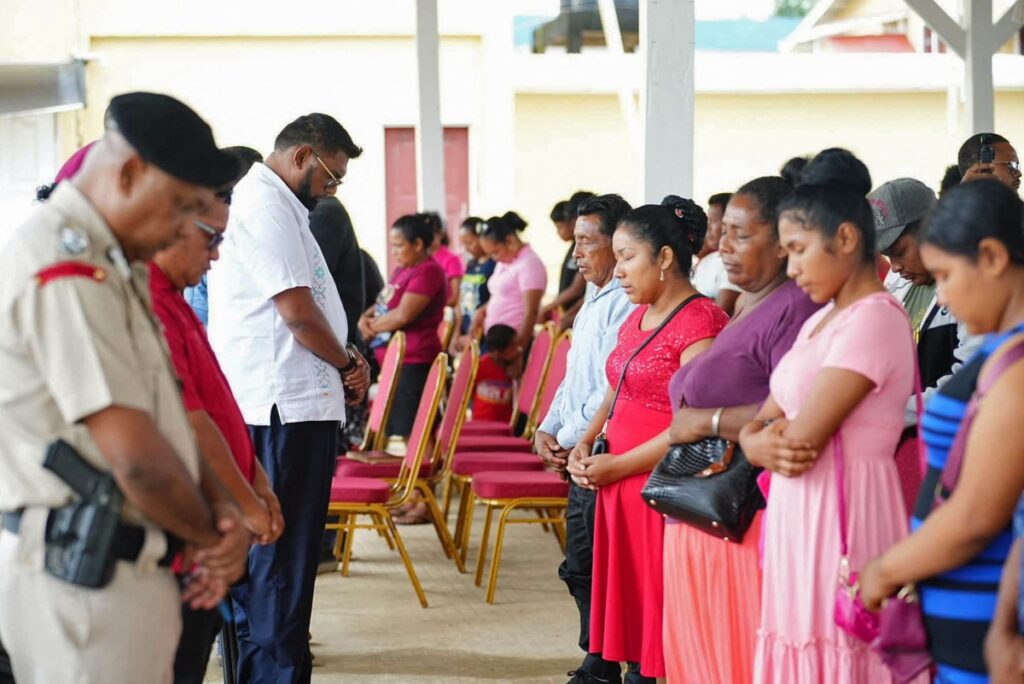
A 87-year-old Guyanese vessel, MV Barima, capsized near Port Kaituma, killing 53 and leaving 70 missing. The government, with ExxonMobil's help, is using advanced technology to recover bodies and refloat the ship.

LASCO Financial Services donated $50,000 to the Greater Change Foundation to support a back-to-school initiative for children affected by Hurricane Melissa in Jamaica. The partnership aims to provide school supplies and resources to help children prepare for the new academic year despite ongoing challenges.

Jamaican media leaders and educators call for overhauling communications training to better prepare students for AI, shrinking newsrooms, and evolving audience demands. They debate the value of degrees, propose earlier internships, and stress specialized knowledge.

Naggo Head Primary School won the 7th TPDCo Tourism Quiz Competition, defeating Creative Kids Learning Academy. The event aims to educate students about Jamaica's tourism industry and foster national pride.
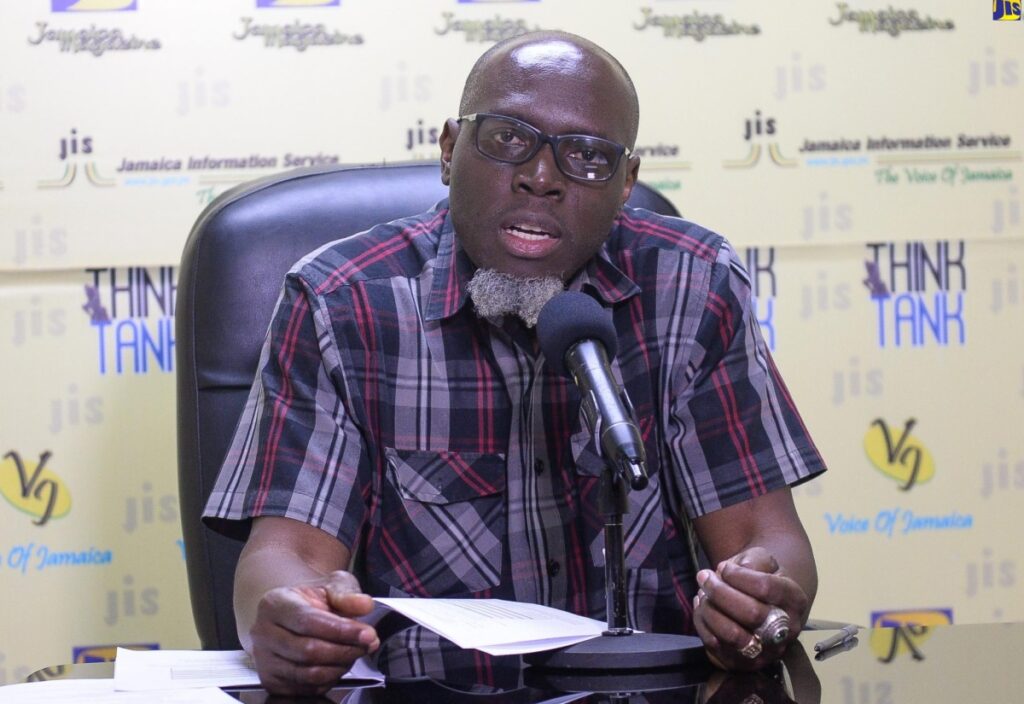
The National Works Agency temporarily repaired a collapsed embankment on a major road in Clarendon, Jamaica, after a large hole forced single-lane traffic. The area is heavily used by trucks carrying aggregates, and permanent repairs are pending investigation.
Venezuela's former president Nicolás Maduro and his wife will face trial in the U.S. in June 2027 on drug trafficking and firearms charges after a U.S. military raid captured them. The case highlights ongoing U.S. control over Venezuela's oil exports and legal battles over the legitimacy of their capture.
The briefing reports that armed gangs control 85–90% of Port-au-Prince, with 1.5 million internally displaced and a near-total state collapse. A UN-backed Gang Suppression Force is slowly deploying, but the humanitarian crisis deepens. The coverage relies on conflict tracking datasets and military updates.

The article advocates for a decolonial approach to Caribbean reparations, linking present-day inequality to colonial exploitation. It calls for collective action to address structural injustices rooted in slavery and colonialism.

The Grokipedia page on Caribbean beer presents a factual overview of brewing in the region without addressing the historical or ongoing economic exploitation of Black communities by multinational alcohol companies. It omits how colonial-era sugar plantations laid the groundwork for modern beer production, while contemporary marketing disproportionately targets Black consumers.

The article examines how the Caribbean rum industry remains dominated by white men, despite its African and Indigenous roots. It highlights ongoing colonial dynamics in ownership, marketing, and representation.
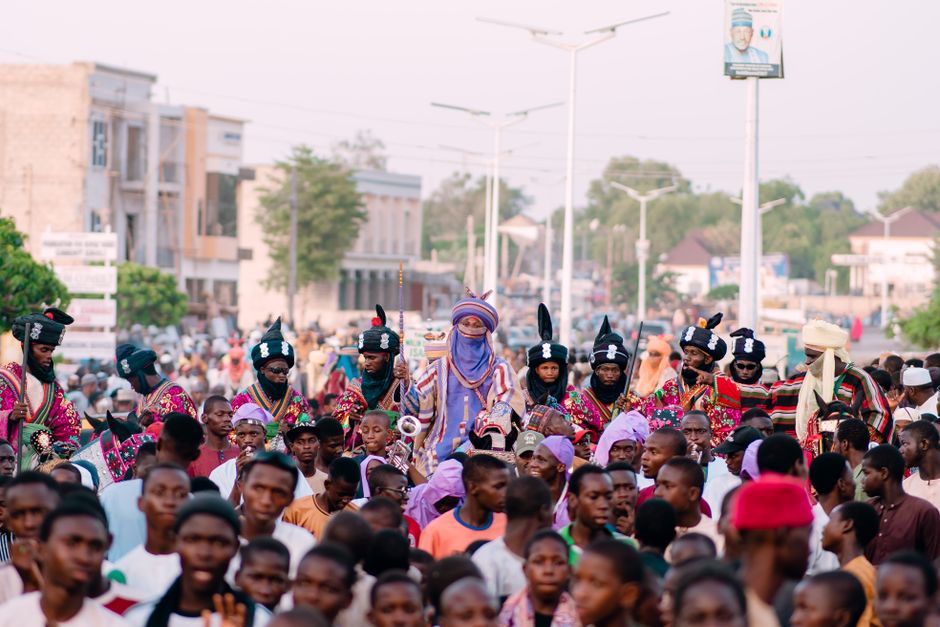
The article promotes Caribbean rum tourism as a cultural and economic boon, framing distilleries as authentic travel experiences. It ignores how this industry profits from colonial-era plantation systems and the ongoing exploitation of Black labor and land.

The article presents Caribbean rum as a $1.8 billion export industry driven by premiumization and craft growth, with major markets in the US and EU. It focuses on trade agreements and market trends rather than the region's labor conditions or historical exploitation.

A U.S. Customs and Border Protection officer seized over $53,800 in undeclared cash from a traveler flying from Fort Lauderdale to Kingston, Jamaica. The traveler was arrested and charged with money laundering, with officials highlighting efforts to combat bulk cash smuggling.

An off-duty police officer, Dale Mayers, was killed during an attempted robbery at a bar in Trinidad. The suspect denied involvement, claiming he was shot in an unrelated incident, and is now hospitalized under guard.

Jamaican dancehall artist Chronic Law was arrested in the U.S. for illegal firearm possession after a high-speed chase. He faces up to 15 years in prison, with prosecutors citing alleged gang affiliation and flight risk.

Sir Garfield Sobers, the legendary Barbados and West Indies cricketer, has died at 89 at his home in Barbados. His son shared details of his peaceful passing after a long illness, and the story honors his historic sporting legacy and status as a national hero.

Two Jamaican men deported by the US to Eswatini have refused Jamaica's offer to return home, instead hoping to rejoin their families in the US. The US has not explained why the men were sent to the southern African kingdom rather than Jamaica, raising concerns over due process and consular rights.
.jpg)
A Jamaican man, Michael Foster, is charged with murdering his niece Julia Anderson in the Bronx, reportedly over an inheritance dispute. The victim was a hardworking woman who supported people with disabilities, while the suspect remains in custody.

Jamaica recorded over 14,600 child abuse reports in 2025, a 5% increase from 2024, with nearly 31,600 incidents. The most common concerns were behavioral problems, neglect, and cases needing care and protection, highlighting ongoing challenges in the child protection system.

Haiti plans elections by late 2026 amid gang violence and a severe humanitarian crisis, with over half the population needing aid. The UN warns that credible elections depend on security improvements, while international funding for relief remains insufficient.

A ferry capsized in Guyana, killing two and leaving dozens missing, with authorities blaming an inaccurate passenger manifest and crew members testing positive for drugs. The government has launched an investigation into negligence and possible criminal wrongdoing.

Eight Venezuelan nationals escaped from Trinidad's Immigration Detention Centre after allegedly assaulting officers. Police recaptured several but continue searching for the remaining fugitives amid recurring security concerns at the facility.

The Cayman Islands reports one imported cyclosporiasis case amid a U.S. outbreak. Officials reassure the public that no local transmission exists and emphasize food safety practices.

Jamaican producer Kemar McGregor's album 'Riddim 91' reached No. 1 on the US iTunes Reggae chart, displacing his own previous album. The article highlights his success and the growth of reggae among younger listeners globally.
A ferry capsized off Guyana's coast, killing at least 10 people with 70 still missing, as the government defends the vessel's seaworthiness. The captain and engineer tested positive for narcotics, but officials downplay safety concerns. The tragedy highlights inadequate infrastructure and regulatory failures in a historically marginalized region.
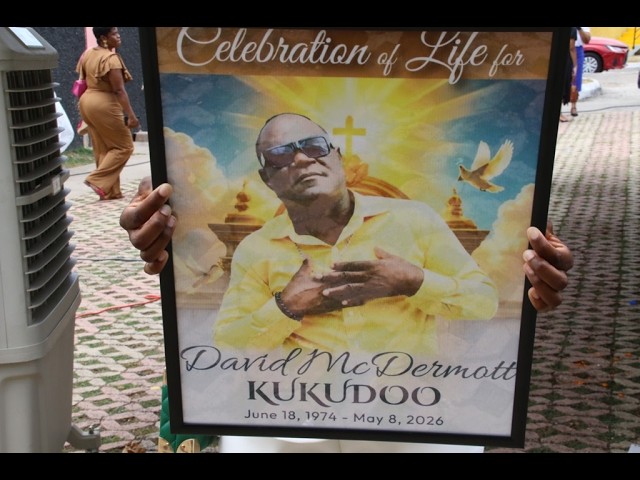
The article reports on the funeral of Jamaican gospel singer David "Kukudoo" McDermott, highlighting the colorful and spirited celebration attended by family, friends, and government officials. It focuses on his musical legacy and the cultural traditions of the event.

A 30-year-old Black man, Jameson Fields, was fatally shot in Hutson Alley, St. Michael, Barbados. The police report provides minimal detail, focusing on the crime rather than the victim's life or the systemic issues affecting Black communities.

Neil Stanley wins top prize at Junior Kadooment for his band 'Rhythm Of A People,' celebrating Barbados' diverse cultural influences. The article highlights community success, with schools and private bands earning multiple awards.

Kemar Roach will be honored for achieving 300 Test wickets, becoming the fifth West Indian to reach this milestone. The ceremony at Kensington Oval highlights his two-decade career and inspiration to young fast bowlers.

President Trump announced U.S. airstrikes in Iran as retaliation for the deaths of three American soldiers. The strikes have escalated into a ninth consecutive night of attacks, with Iran vowing to retaliate and warning against using the Strait of Hormuz.
Two people are confirmed dead after the MV Barima ferry capsized in Guyana, with over 70 missing. The government notes the passenger manifest is inaccurate and two rescued crew members tested positive for cannabis, raising questions about safety and regulation.

Commercial banks in Barbados made significant profits from fees and deposit service charges, far exceeding interest paid to depositors. Over the past decade, depositors transferred $280.7 million to banks, reflecting a system that profits from fees and low savings interest.
The Barbados Revenue Authority encourages property owners to pay land tax early for discounts. The announcement focuses on modernized digital payment options and rebates for certain groups like pensioners.

The Barbados Association of Medical Practitioners demands Deputy Prime Minister Santia Bradshaw retract her claim of a "medical mafia" influencing transplant access at Queen Elizabeth Hospital. Bradshaw argued that patients who pay privately can bypass long public waiting lists, a practice she fears the new transplant law could perpetuate.

Lady Da Flame releases her upbeat single 'Summer,' blending dancehall with reggaeton to celebrate the season. The article highlights her recent performances and projects, portraying her as a rising talent in the Caribbean music scene.

A ferry capsized off Guyana's coast, leaving 27 dead and 83 missing. The prime minister reported 69 survivors and ongoing search efforts.
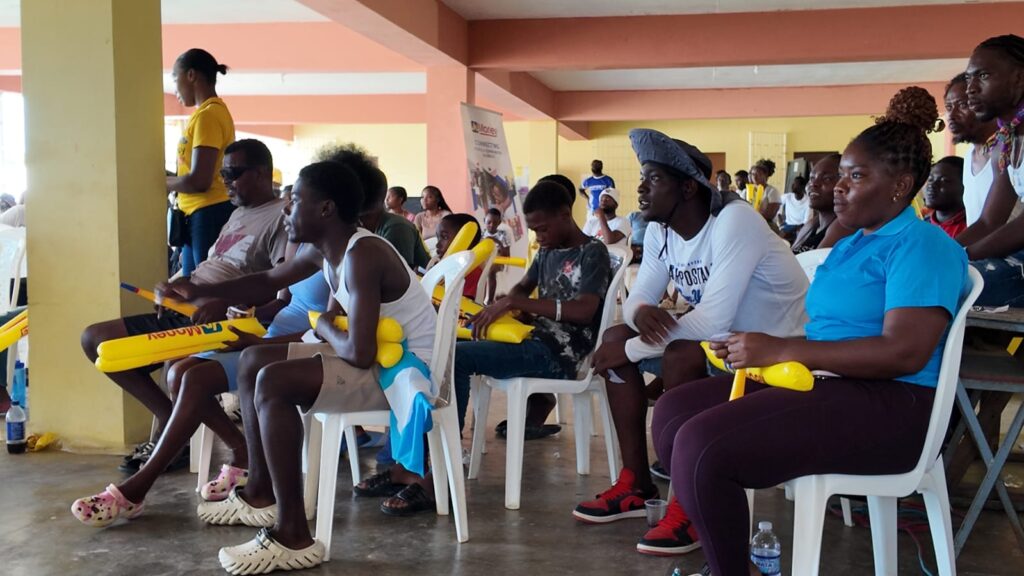
JN Money hosted a World Cup watch party in Vineyard, St Elizabeth, helping residents recover from Hurricane Melissa. The event brought the community together for football, food, and fellowship, lifting spirits after months of hardship.

Caribbean small agricultural businesses struggle with high freight costs, unreliable shipping, and weak distribution links, hindering their access to regional and international markets. Despite demand for their products, they face systemic barriers that training alone cannot solve.
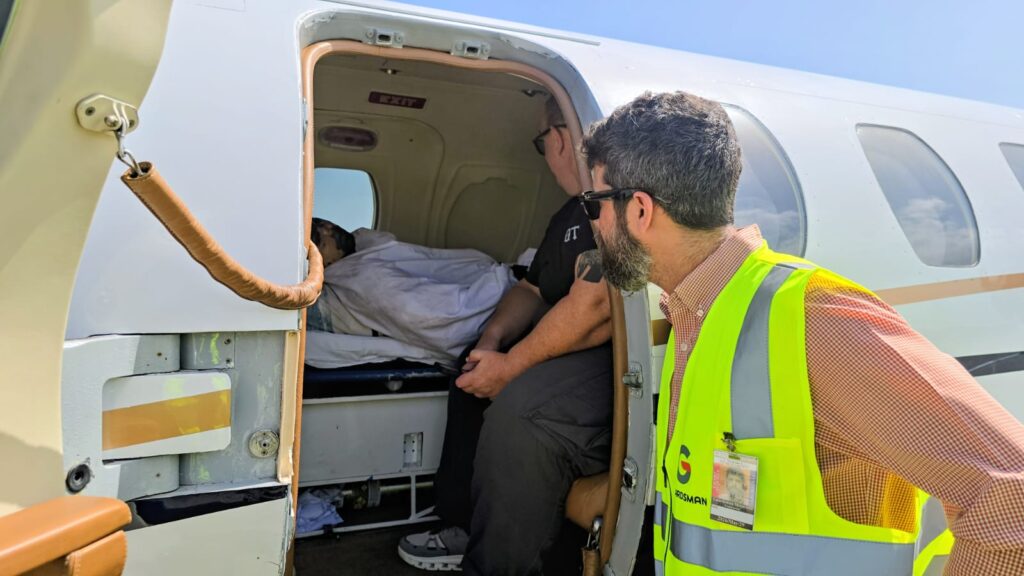
Guardsman Group mourns an employee who died from burn injuries after a garage explosion in Kingston. The company expressed condolences and highlighted the medical transfer to the U.S., while noting continued support for the family.
Armand Zunder, chair of Suriname's National Reparations Commission, urges Suriname to follow Barbados and Trinidad and Tobago in decolonizing, citing the need to replace colonial symbols like the coat of arms and mountain names. He highlights how colonial imagery persists 50 years after independence.
The 5th Caribbean Alcohol Reduction Day webinar examined alcohol consumption patterns and harms during COVID-19, linking them to mental health and NCDs. It aimed to build advocacy for alcohol control policies across the Caribbean region.

The report analyzes Haiti's crisis, blaming gang violence and failed foreign interventions, and proposes future intervention structures. Black Haitians are portrayed as victims of lawlessness and historical exploitation, with little attention to systemic racism or local agency.

The article argues that Haiti's current crisis stems from a long history of foreign interventions, including France's independence debt and U.S. occupations, and warns that a new UN mission will fail. It emphasizes that true solutions must come from Haitians themselves, not external powers or an untrusted transitional council.
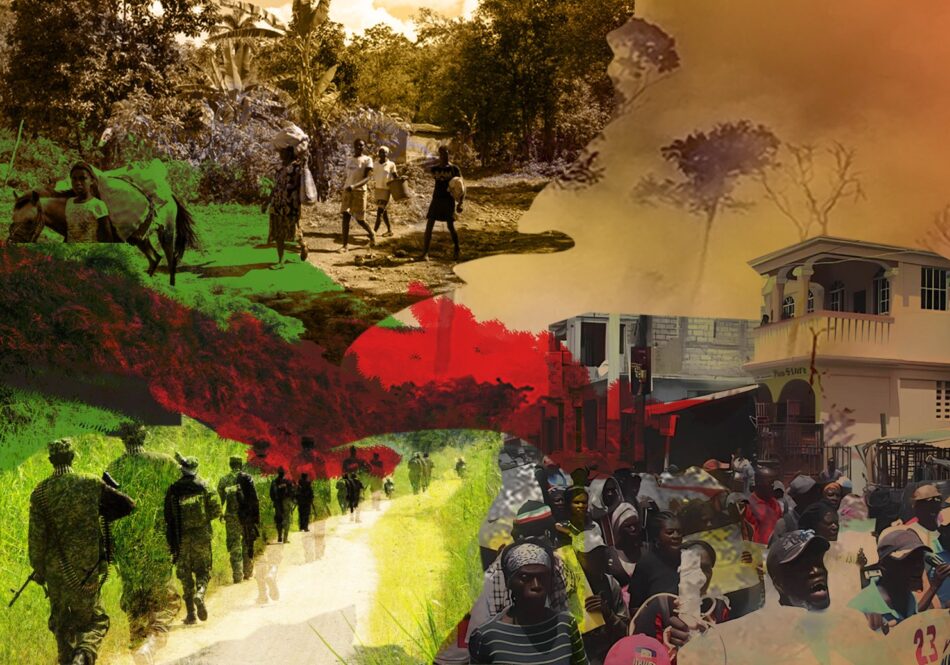
The article reports that Kenyan troops arrived in Haiti as part of a neo-colonial strategy undermining Haitian sovereignty, while the US and CARICOM have failed to stop arms smuggling. La Via Campesina calls for a Haitian-led security plan, criticizing the interim government's inaction against gangs and the return of old officials.

The article examines how Jamaica's education system maintains colonial structures through Eurocentric content, language hierarchies, and high-stakes exams, despite reforms. It argues these elements reproduce inequality and disadvantage Black communities.
The article argues that Jamaica's society is entirely imported under British colonial rule, without indigenous populations or settler-native tensions. It frames the colonial legacy as central to understanding Jamaican identity and its enduring inequalities.

This article analyzes how Jamaica's education system perpetuates colonial racial class hierarchies, leaving rural Afro-Jamaican children in under-resourced primary schools while elite colonial-era high schools remain inaccessible. The author argues that neoliberal policies undermine reform efforts and calls for reparative justice to create an empowering educational framework.

The webpage for a Caribbean development report is blocked by a security service, preventing analysis. The error message provides only technical details, obscuring substantive content about Black communities in the region.
A delegation from the Caricom Reparations Commission makes its first official visit to the UK to advocate for reparations for slavery. The visit aims to deepen public understanding of Britain's colonial legacy and build partnerships for reparatory justice.
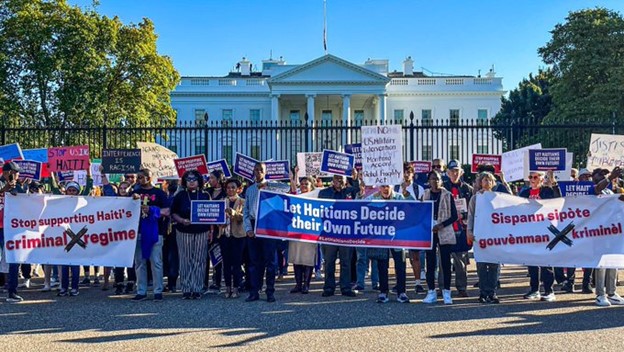
The Black Alliance for Peace condemns calls for foreign intervention in Haiti, arguing that U.S. and UN-backed occupation perpetuates instability. The group highlights popular protests against inflation and an unelected government, urging respect for Haitian sovereignty and self-determination.

A UN report details at least 61 killed in gang attacks in Haiti, including 14 children, as the government signs a security agreement with the Gang Suppression Force. The violence has displaced thousands and destroyed homes and infrastructure, with the situation remaining tense.

The Royal Saint Lucia Police Force reports declines in several major crime categories ahead of Carnival 2026, including burglaries, robberies, and drug offenses. The police have activated a security plan with increased patrols and strategic deployments, urging public cooperation for a safe celebration.

A Jamaican man was sentenced to 40 months in prison in the Cayman Islands for a campaign of domestic violence against two former partners. The judge cited his high risk of reoffending and failure of community rehabilitation, while his attorney noted untreated mental health issues.
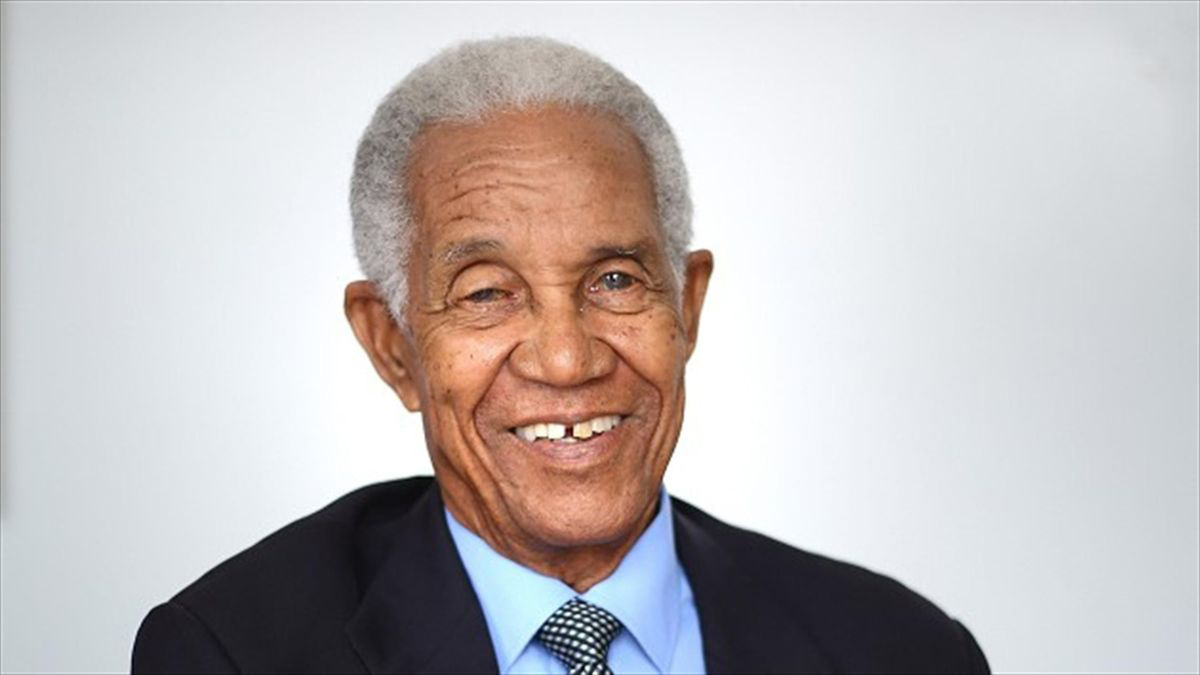
The West Indies Players' Association mourns the death of Sir Garfield Sobers, the legendary Barbadian cricketer, at age 89. His career is celebrated, highlighting his record-breaking performances and lasting impact on the sport.

A High Court in Barbados ruled that prison officials violated the constitutional rights of inmate Corey Lynch by failing to provide adequate colostomy bags, causing him severe pain and humiliation. The court found systemic neglect, with Lynch's mother forced to buy supplies and a fellow inmate assisting with hygiene. Damages of $20,000 were awarded for inhuman and degrading treatment.
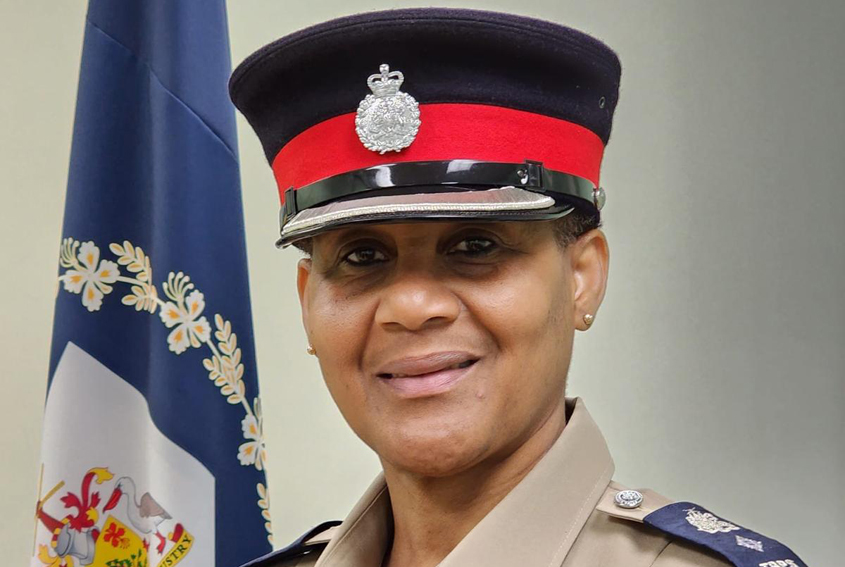
The Barbados Police Service issued a statement mourning the death of Sir Garfield Sobers, praising his cricketing achievements and his ties to the Police Sports Club. The tribute emphasizes how early support within the police community helped launch his legendary career.

The article reports Sir Wes Hall's emotional tribute to his lifelong friend Sir Garfield Sobers after Sobers' passing. It highlights their 80-year friendship, Sobers' cricketing greatness, and his generosity off the field, without addressing structural inequalities.

The Ministry of Health and Wellness in Barbados reports no cases of cyclosporiasis, despite a U.S. outbreak. The statement emphasizes food safety practices ahead of the Crop Over season, advising vendors and the public on hygiene.

The article announces a thanksgiving service for legendary Jamaican track coach Stephen Francis, who died at 64. It highlights his transformative impact on Jamaican sprinting and global athletics, with tributes from government officials and the sports community.

Hundreds gathered in Takoma Park, Maryland to honor Dr. Darien Green, a Jamaican-born academic, entrepreneur, and philanthropist. The service celebrated his contributions to education, business, music, and community service, with tributes from officials and family.

Nearly half of Jamaican student loan borrowers are delinquent on repayments, with the SLB citing unemployment and willful non-payment. Lawmakers urged a more empathetic approach, but structural economic challenges remain unaddressed.

Guyana's government aims to clear the housing backlog by 2027, with 50,000 lots already distributed. President Ali highlights regional strategies, including land acquisition and investment in new housing schemes, to meet growing demand fueled by economic confidence.
Jamaican authorities impounded eight heads of cattle worth $1.6 million in St Elizabeth as part of a crackdown on illegal grazing. The operation followed resident complaints about crop damage and safety risks from stray livestock.

A 37-year-old Kingston man, Oniel White, has been charged with stealing a Toyota Fielder and maliciously damaging property. The police recovered the vehicle and arrested White after an investigation.
The article celebrates Jamaican reggae artist Brooky Danger's growing success with his single 'Joy Within My Soul' and his upcoming concert in St Catherine. It highlights his positive message and the support from local and international radio stations and DJs.
The article reports easing but still high prices at Kingston's Coronation Market due to drought. It features gospel artist Kevin Downswell sharing shopping tips in a weekly video series.
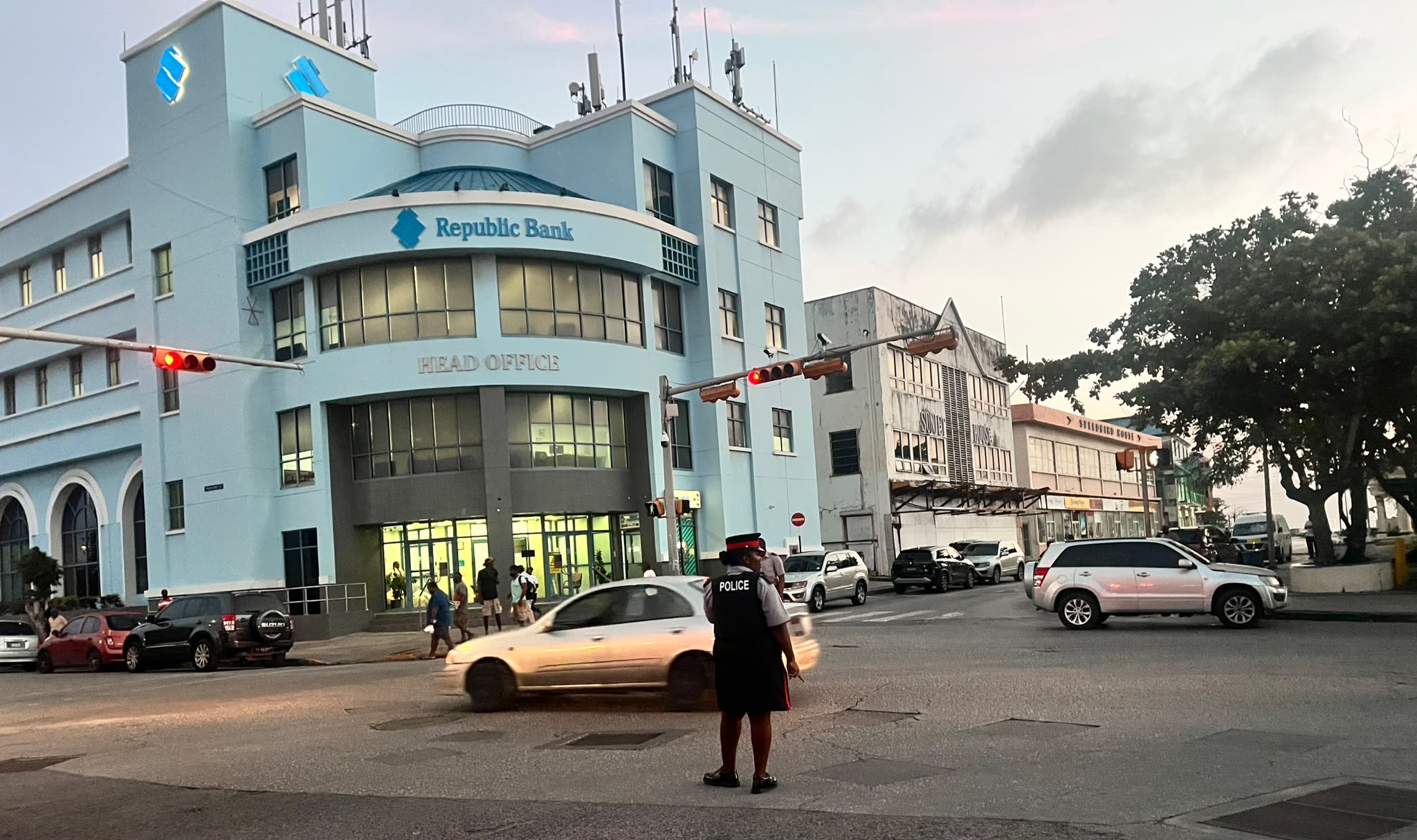
A brief police report announces a fatal shooting in The City, leaving a man dead and an officer injured. No details about the victim or context are provided, reinforcing a pattern of dehumanized crime reporting.

The Barbados Museum and NCF launched a campaign for Barbadians to choose 60 Independence songs. Officials highlight music as a record of identity and resilience, with plans for archives and exhibits.

Cricket West Indies has received a US$12.82 million loan from the ICC to address severe financial pressures, including a projected US$26 million loss by 2026. The loan reflects CWI's dependence on external financing and ongoing struggles with revenue cyclicality and global cricket market changes.

Tax administrators from CARICOM nations will meet in Guyana to discuss modernizing tax systems using AI and data analytics. The focus is on improving compliance and revenue mobilization, with little mention of how these changes might affect Black communities facing economic inequality.
Barbados is finalizing a debt-for-health swap to address a non-communicable disease crisis, with 42 percent of children overweight or obese. Finance Minister Ryan Straughn emphasizes changing behaviors and improving school nutrition policies to reduce lifelong medical costs.

Martinique and French Guiana have officially joined CARICOM as associate members, increasing the bloc's total to twenty-three countries. This move is seen as a vital step toward greater Caribbean regional integration and cooperation.

Jamaica's Education Minister announces fortnightly public updates on school repairs after Hurricane Melissa. The initiative aims to ensure transparency and accountability for taxpayer-funded reconstruction of 77 priority schools.

Three males, including a minor, were charged for shooting a taxi operator in Kingston after posing as passengers. The victim was hospitalized, and the accused face weapon and assault charges in Gun Court.
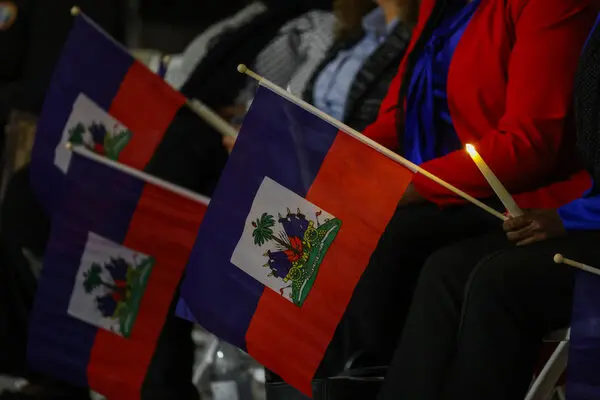
The Supreme Court upheld the Trump administration's decision to end Temporary Protected Status for Haitians, affecting over 350,000 people. The ruling exposes how legal frameworks can disregard the historical and economic vulnerabilities of Black migrants.

This France 24 report describes how escalating gang violence in Haiti has severely hindered humanitarian aid deliveries, leaving the local population increasingly trapped and without essential supplies. The story highlights the struggle of aid organizations to reach those in need amid a climate of fear and instability.

Barbados became a republic in 2021, ending the British monarch's role as head of state. The article explores whether this symbolic break has brought real change, highlighting ongoing struggles with colonial legacies and economic exploitation. It connects the move to historical labor resistance and other Caribbean nations considering similar steps.

The article reports that One SXM is presenting St. Martin perspectives on decolonization and reparations at Carifesta 2025. It emphasizes the island's role in cultural and historical discourse within the Caribbean.

Antigua and Barbuda's parliament approved a resolution allowing negotiations with the U.S. on transferring third-country nationals, with strict conditions to protect sovereignty and financial interests. The government retains full authority to accept or reject individuals on a case-by-case basis.

Spain has granted visa-free travel to nine CARICOM countries while excluding others like Jamaica, Guyana, and Haiti, reinforcing a tiered access system. The policy reflects selective inclusion based on criteria not publicly detailed, echoing colonial-era hierarchies.

West Kingston MP Desmond McKenzie was pepper-sprayed by police while responding to a reported police shooting in Tivoli Gardens. McKenzie criticized the use of force as excessive, though he reaffirmed support for the police. The incident highlights tensions between law enforcement and Black communities in Jamaica.

The U.S. imposed sanctions on Cuba's Ministry of Tourism and nine other entities, accusing them of supporting government repression. The measures target key revenue sources, including tourism and security forces, aiming to pressure the Cuban regime.
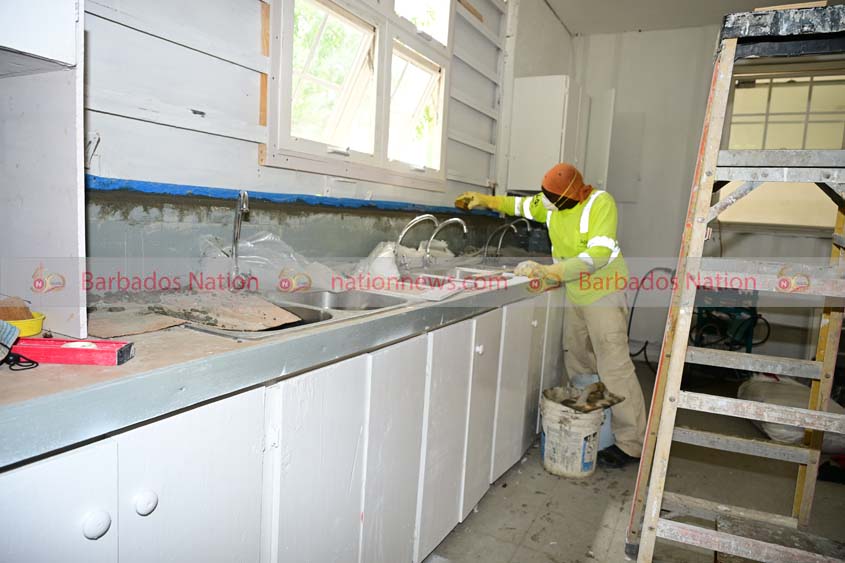
JADA Group received barrack licences after migrant workers in Barbados were ordered out of unfit housing. The company acknowledged oversight but partly blamed workers for the decline, while renovations are now underway.

The article reports on the lineup for Barbados' Junior Monarch finals, a calypso competition for youth. It emphasizes participants' hard work, legacy, and cultural contribution, with support from Scotiabank and the National Cultural Foundation.

Argentina defeated England 2-1 in the World Cup semi-final with late goals from Enzo Fernandez and Lautaro Martinez. England's dream of a first final since 1966 was dashed in the closing minutes.
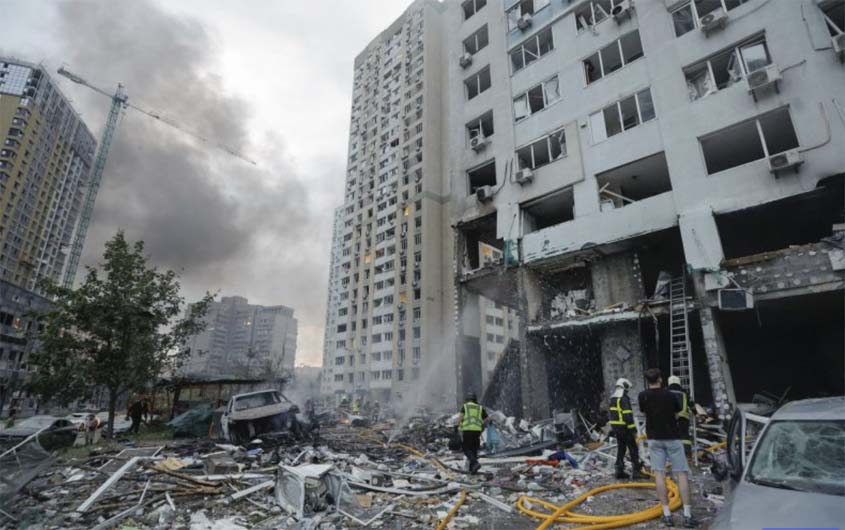
A Russian air attack on Ukraine killed 12 and injured 90, with Odesa suffering the heaviest damage. The report focuses on military and infrastructure impacts, with EU leaders pledging deeper defense industrial ties.
Spain has granted visa-free travel to nine CARICOM countries for short stays, excluding Jamaica, Guyana, Suriname, Belize, and Haiti. The policy highlights uneven access to European mobility among Black Caribbean nations.
A fund manager reports strong quarterly returns for Caribbean and US dollar funds, attributing the rebound to low expectations and normalization after the Iran war. The story focuses on investor gains, with no mention of how Black communities in the Caribbean are affected.
.jpg)
The University Singers from UWI Mona will perform for the first time in Florida at the Miramar Cultural Center. The event celebrates Caribbean musical heritage and cultural exchange with the diaspora.

St. Vincent and the Grenadines removed registration fees for first-form secondary students to ease financial strain on families. Education Minister Phillip Jackson announced refunds for those who already paid, framing the move as part of broader cost-of-living relief.
Jamaica's Students' Loan Bureau reports a 47.5% delinquency rate, with executive director attributing defaults to borrowers' refusal or ignorance. Committee members counter by citing underemployment and personal hardship as underlying causes.

The article covers a sporting event where Jamaican champions faced a challenge from England and emerged victorious. It highlights their resilience and success without addressing broader social or economic issues.
Jamaica's government announced an additional $757.5 million for public schools in the 2026/27 academic year, with a 55% average funding increase. Schools have flexibility to allocate funds toward administration, maintenance, learning materials, TVET/STEAM, and student welfare, with payments distributed in tranches.
Sean Paul performed at France's Les Déferlantes Festival, drawing 40,000 fans and highlighting his role as a Jamaican musical ambassador in Europe. The article emphasizes the positive cultural connection and pride he brings, contrasting with fast-spreading negative news about Jamaica.
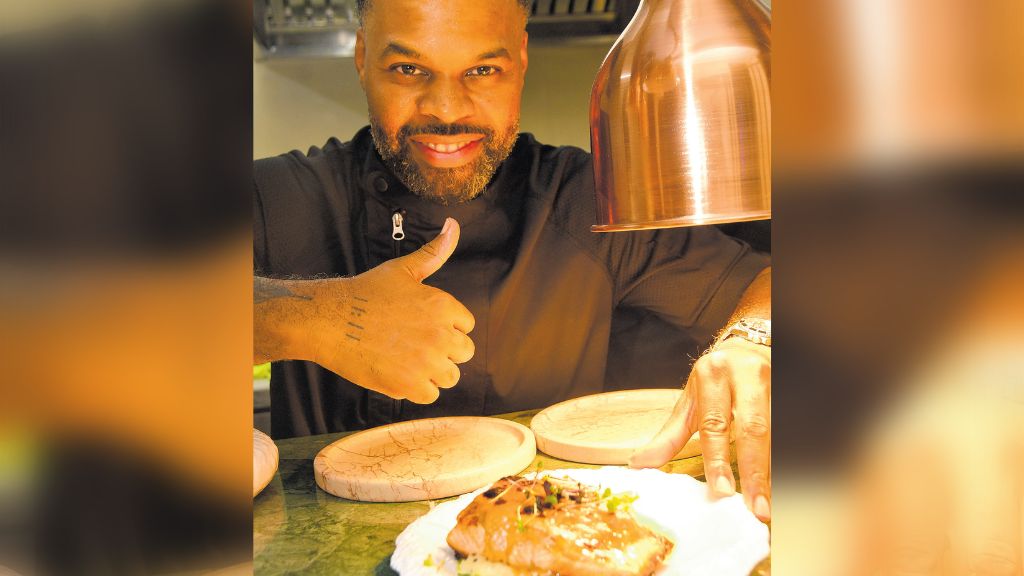
Komo Mai, a new fusion restaurant in New Kingston, Jamaica, blends Hawaiian and Jamaican hospitality with upscale dining and nightlife. The venue features local ingredients and international techniques, aiming to become a premier destination in New Kingston.

An Indecom officer invokes Jesus during cross-examination in a murder trial of six Jamaican police officers. The officer denies improper communication with the prosecutor about accessing a key witness's apartment.
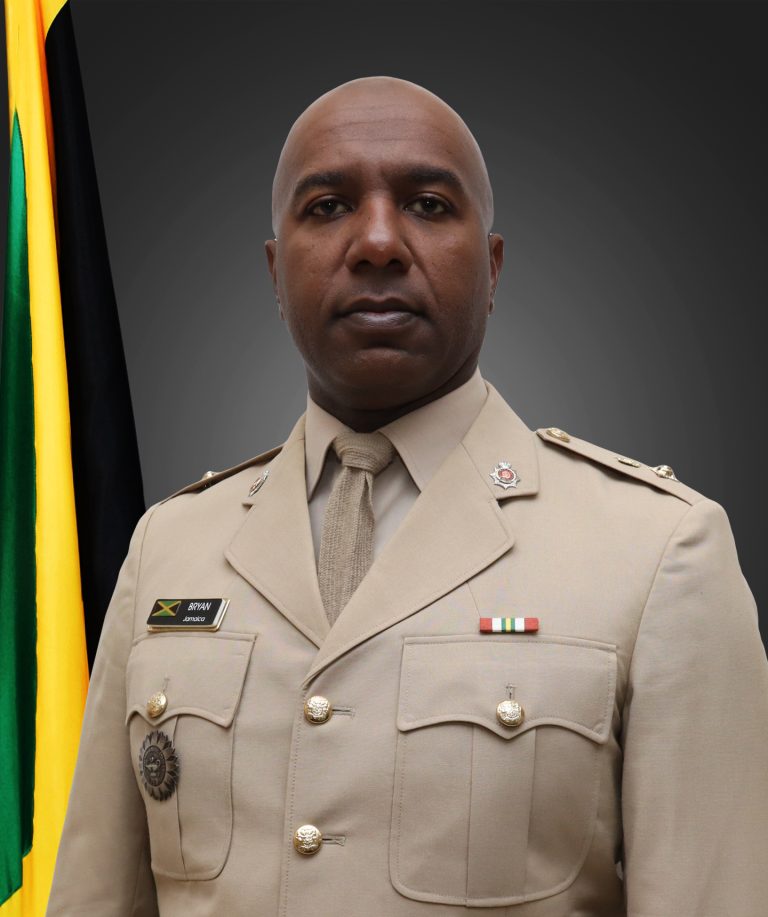
Lieutenant Colonel Sheldon Bryan of the Jamaica Defence Force has been appointed as Director General of the Island Traffic Authority, effective September 1. The announcement was made by Minister Daryl Vaz, who praised Bryan's leadership skills and experience.

A 48-hour curfew in sections of St Andrew North, Jamaica, has been extended. Residents within defined boundaries must stay indoors unless authorized by the ground commander.
The Westmoreland Health Department reports a steady decline in the Aedes index, indicating reduced mosquito breeding. The Medical Officer of Health urges continued vigilance and community cooperation to prevent dengue and leptospirosis.
A 48-hour curfew has been declared in the Kingston Eastern Policing Division, effective from Wednesday evening to Friday evening. The order requires everyone to stay indoors unless authorized by the ground commander.
The National Water Commission achieved the highest customer experience score among Jamaican utility providers in a 2025 study. The report highlights improved call center and in-store service but notes ongoing issues with staff empathy and digital engagement.

The Eastern Caribbean Central Bank unveils new banknotes featuring regional icons and nation-builders, replacing the image of Queen Elizabeth II. The redesign reflects a public mandate to honor local heroes, including Nobel laureates, political leaders, and sporting champions.

Kiki Ramos, a Haitian-born teenager adopted by an Argentine couple, has been called up to Argentina's U-17 national team, a historic first. The article highlights his personal story and the racist incidents in Argentine football, but focuses on his potential.

The UN launches a $880 million humanitarian plan to assist 4.2 million Haitians amid armed group violence, mass displacement, and severe food insecurity. The report centers on data but omits structural causes like colonial debt and foreign exploitation.

CARICOM leaders have endorsed a revised Ten-Point Reparations Manifesto aimed at addressing historical injustices from slavery and colonialism. The plan outlines concrete demands for reparatory justice, including debt cancellation and technology transfers.

The EU is pressuring Eastern Caribbean nations to end Citizenship by Investment programs by 2028, calling them security risks. Critics argue this is economic aggression that ignores the region's need for revenue, especially given climate vulnerabilities, and follows a pattern of punishing Caribbean economic strategies while Europe maintains similar schemes.
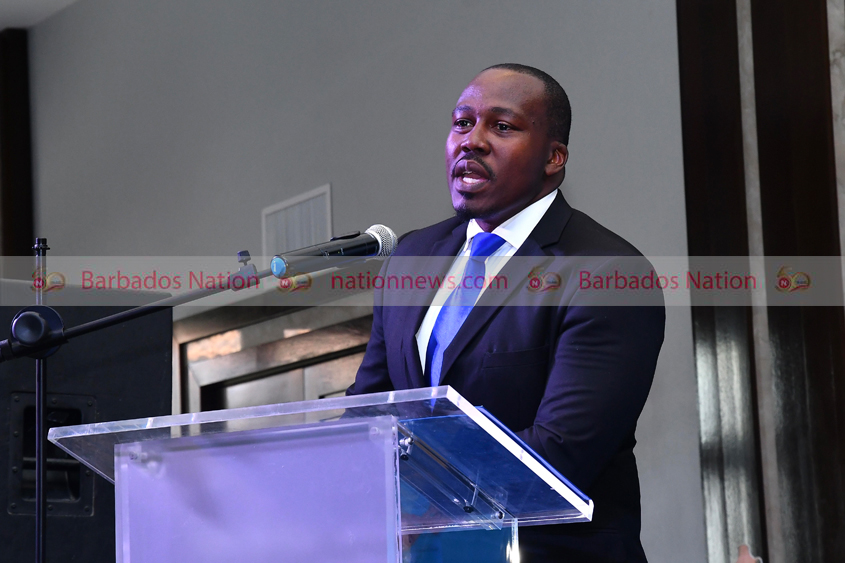
Barbados is inspecting migrant worker accommodations, prompted by substandard conditions at a JADA construction site. Minister Ishmael insists these checks are routine, though the ministry relies on tips and media reports to find violations.
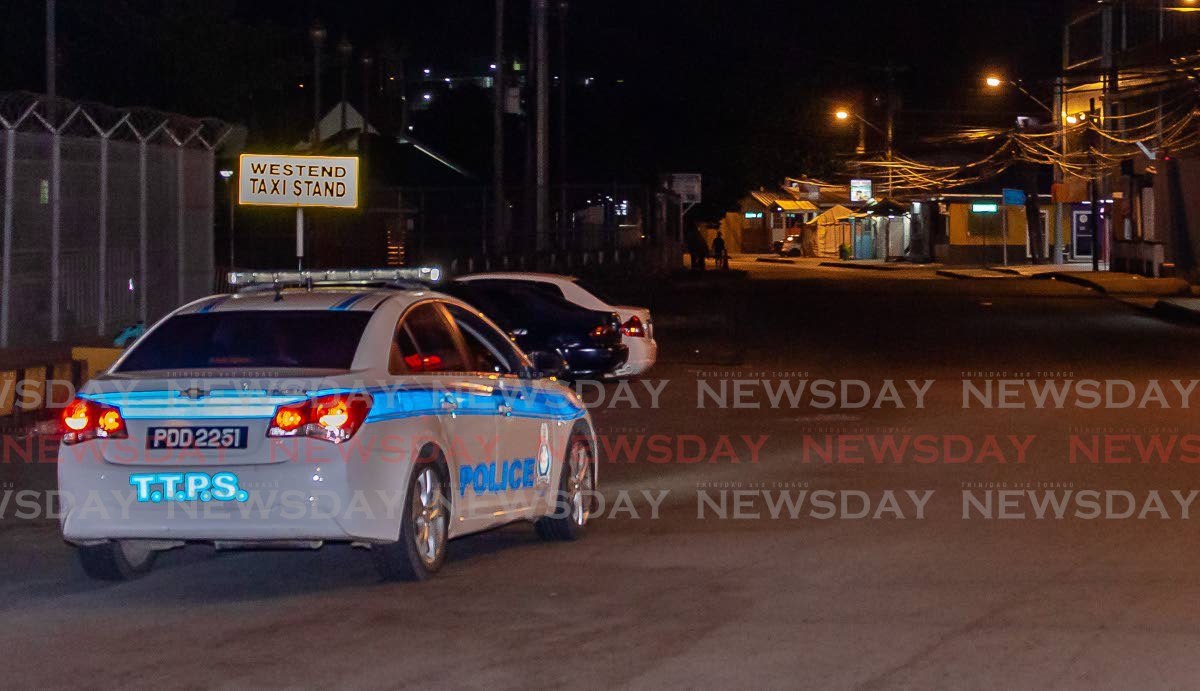
A man named Shastri Gopaul, a supervisor, was shot and killed in Santa Cruz, Trinidad. Meanwhile, police report no new leads in a separate shooting that killed three children and a teen.

Jamaica will receive the 2026 Esri President's Award for leadership in GIS innovation, recognizing its use of geographic information systems for public planning and disaster preparedness. The award highlights the country's investment in data-driven governance and inter-agency collaboration.

Barbados PM Mia Mottley calls a UK lawmaker's suggestion that former colonies owe Britain for colonial development 'asinine.' She insists the Caribbean seeks reparatory justice, not charity, for the sins of slavery and colonial exploitation.

Jamaica Tourist Board deputy director Philip Rose argues that Jamaica's main tourism strength is its people's ability to create genuine connections, beyond beaches and scenery. He emphasizes that tourism's true success lies in improving the lives of workers like farmers, vendors, and hotel staff, though this framing sidesteps systemic labor exploitation.

Former Jamaican Cabinet Minister Dean Peart dies at 77, prompting tributes from political leaders across the aisle. He is remembered for his long service, integrity, and cross-party collaboration in national development.

The CARICOM Reparations Commission is traveling to the UK to advance reparatory justice discussions. The delegation seeks international support and public engagement ahead of the 2026 Commonwealth Heads of Government Meeting, following a UN resolution recognizing the transatlantic slave trade as a crime against humanity.

CARICOM leaders meeting in Saint Lucia agreed on cooperative measures to address rising living costs, including consumer protection, a regional ferry service, and national relief programs. The discussions focused on shared challenges like fuel prices and strategies to ease burdens on vulnerable households.

Members of the Barbados Defence Force and Fire Service received Venezuela's Hero of Venezuela Medal for their earthquake response. The team provided search and rescue and set up a field medical hospital in Guarenas, with over 70 personnel deployed.

The story covers Jamaican sprinters Elaine Thompson-Herah and Tina Clayton competing against Julien Alfred in Budapest. It details multiple Jamaican track and field athletes in various events, presenting them as elite competitors on a global stage.
Lamine Yamal, celebrating his 19th birthday, stands by his 'no fear' comment ahead of Spain's World Cup semi-final against France. He expresses calm confidence and emphasizes that football is not the most difficult situation in life.
France coach Didier Deschamps calls Spain favorites ahead of a World Cup semi-final, praising their attack and defense. Both coaches dismiss pressure, focusing on the matchup between two top teams.
The article reports a series of coaching changes in the Jamaica Premier League, including Marcel Gayle's appointment at Arnett Gardens. It details the musical chairs of managers and assistants across several clubs without deeper analysis.
Cammeron Ifill, a 21-year-old Black man, was fatally shot in Gall Hill, Christ Church, Barbados. The police report provides only basic identification and incident details, with no mention of broader social conditions.
Sam Neill, the New Zealand actor famous for Jurassic Park, has died at 78. His family announced his sudden death, noting he was cancer-free after a previous battle with blood cancer.

Barbados and Antigua and Barbuda won their groups in the FIBA AmeriCup 2029 Caribbean Pre-Qualifiers, advancing to the second round. Barbados went undefeated at 4-0, and Antigua and Barbuda finished 3-1, with standout individual performances including Kyrone Alexander's 32 points for Barbados.
The Central Bank of Barbados urges financial institutions to fix BiMPay payment issues, including delayed salaries and token access problems, while touting 750,000 transactions worth $1.3 billion. The governor insists the core system is sound and demands better customer service from banks and credit unions.
The executive director of the Caribbean Policy Development Centre calls the 90% unemployment rate among disabled Barbadians a national development crisis, emphasizing lack of access to jobs and public spaces. He urges the government to prioritize disability inclusion in national planning and to increase funding for NGOs.

The article reports on the Climate Smart Summit 2026 in Barbados, which identified $17.6 billion in projects and $12.68 billion in development finance for Caribbean climate action. The coverage highlights investment opportunities and partnerships, framing the region's climate challenges as a market to be capitalized.
The article recounts the life and political legacy of former Jamaican Cabinet minister Dean Peart, highlighting his role in rebuilding the People's National Party after a major electoral defeat and his commitment to community development in Manchester North Western. It emphasizes his altruistic nature and ability to recruit dedicated party members.
Buju Banton teams up with King Addies for a DJ mix celebrating Jamaica's sound system culture, released exclusively on Apple Music alongside his upcoming album. The collaboration honors the genre's roots in Black communities while introducing it to a global audience.

The Jamaica Observer reports that JABA President Paulton Gordon hopes NBA first overall pick AJ Dybantsa will choose to represent Jamaica internationally. Dybantsa, born in the US but eligible through his Jamaican mother, faces FIBA rule hurdles but has shown deep commitment through charity and citizenship efforts.

The article previews a World Cup semifinal between Spain and France, highlighting the individual brilliance of French players like Kylian Mbappé against Spain's collective teamwork. It focuses on tactical analysis and player quotes rather than any broader social or racial context.

Jamaica's Agricultural Protection Branch reports success from tougher praedial larceny laws, citing 780 arrests and over $9 million in recovered produce. The story focuses on enforcement gains and farmer confidence in policing.
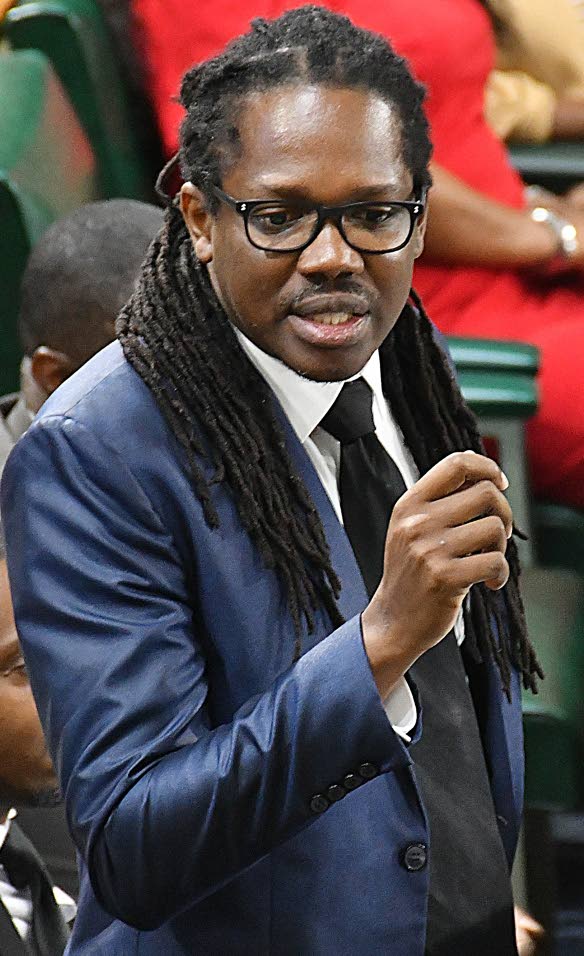
The Jamaican education ministry defends the 2026 PEP results after opposition claims of data manipulation. Improved literacy and math scores are cited, but debate focuses on test format changes rather than underlying inequality.

Brazil is sending 48 tons of powdered milk to Cuba to alleviate shortages caused by the U.S. embargo and economic crisis. The Cuban government defends its socialist reforms while blaming Washington for the country's hardships.

The UN chief visits Haiti amidst severe gang violence and instability, noting 'glimmers of hope' despite the crisis. The story focuses on the humanitarian situation and international response, without examining historical or economic roots of the conflict.

The article reports on the renewed push for Caribbean reparations, led by CARICOM, demanding accountability from former colonial powers for slavery and colonialism. It details the 10-point plan for restorative justice and recent diplomatic gains, framing reparations as a moral and legal imperative rather than mere financial compensation.

World Economics presents an inequality index for Jamaica using Gini coefficient data. The report treats economic disparity as a technical metric, ignoring the historical and racial dimensions that concentrate wealth.

This article promotes Broward College as an engine for economic mobility and workforce development in South Florida's Caribbean-American community. It highlights the college's high-earning graduates, local economic impact, and recognition by the Aspen Institute, positioning education as a fundamental right.

Jamaica will honor the late gospel artist Kukudoo with a thanksgiving service and tribute concert in July. Known for his blend of Revivalist traditions and mento-influenced gospel, he was celebrated as a cultural force by government officials.

Philip Rose, Deputy Director of Tourism for the Americas at the Jamaica Tourist Board, received a Lifetime Achievement Award in Florida for over 20 years of contributions to Jamaica's tourism industry. The award recognizes his leadership in expanding international markets and mentoring tourism professionals.

A small plane crash in North Andros, Bahamas killed all 10 aboard, including a survivor who later died. The government suspended Flamingo Air's license after two incidents on the same day, including an unrelated aircraft fire.

Prime Minister Philip Davis celebrates The Bahamas' 53 years of independence, honoring the vision of past generations and the resilience of its people. He encourages citizens to reflect on history and embrace future opportunities while acknowledging the nation's international recognition for natural beauty and human spirit.

Two Saint Lucian fishermen disappeared at sea in February 2026, with families suspecting a U.S. strike caused their deaths. The Saint Lucian government defends its response, citing no bodies recovered and awaiting U.S. information. Caribbean leaders debate use of lethal force by foreign powers.

Former Trinidad and Tobago Finance Minister Karen Nunez-Tesheira suffered a medical emergency during a live TV interview and was hospitalized. The production team and host requested privacy for her recovery, emphasizing her decades of public service.
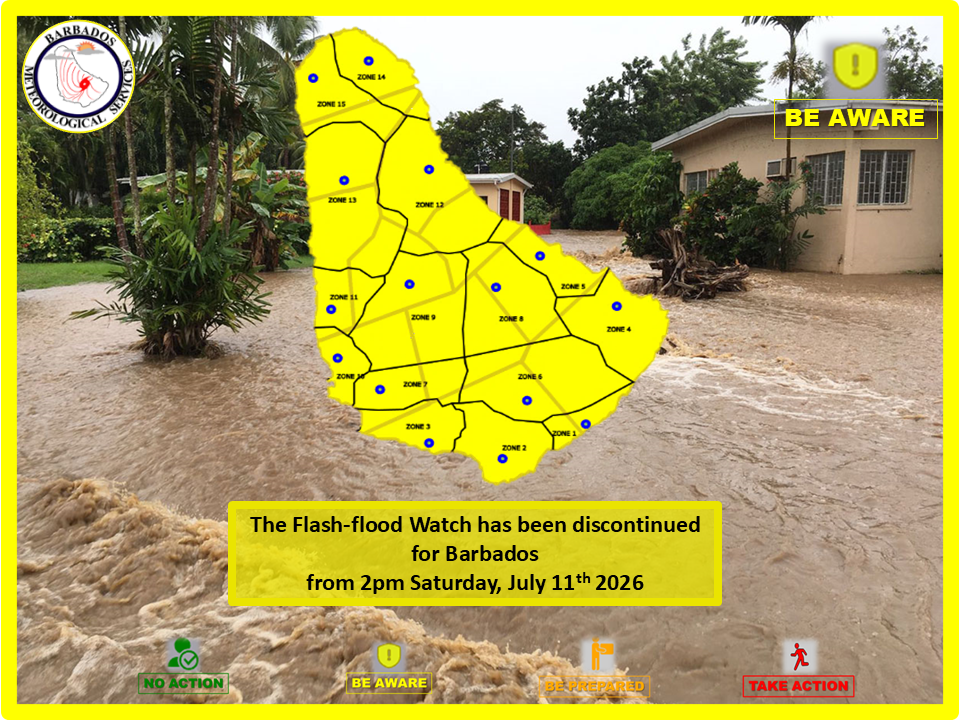
The Barbados Meteorological Services lifted flash flood and thunderstorm watches after moderate rainfall. However, forecasters warn that unstable weather could still bring heavy showers and isolated thunderstorms.

Linda Noskova won her first Grand Slam title at Wimbledon, defeating fellow Czech Karolina Muchova in three sets. The article focuses on the match drama and Czech tennis legacy, with no mention of Black players or communities.

A British Airways flight from Barbados to London was canceled after crew members allegedly got drunk in a hotel bar before work. The incident, reported with sensational details, led to suspensions and an investigation, while the airline faces rising fuel costs.
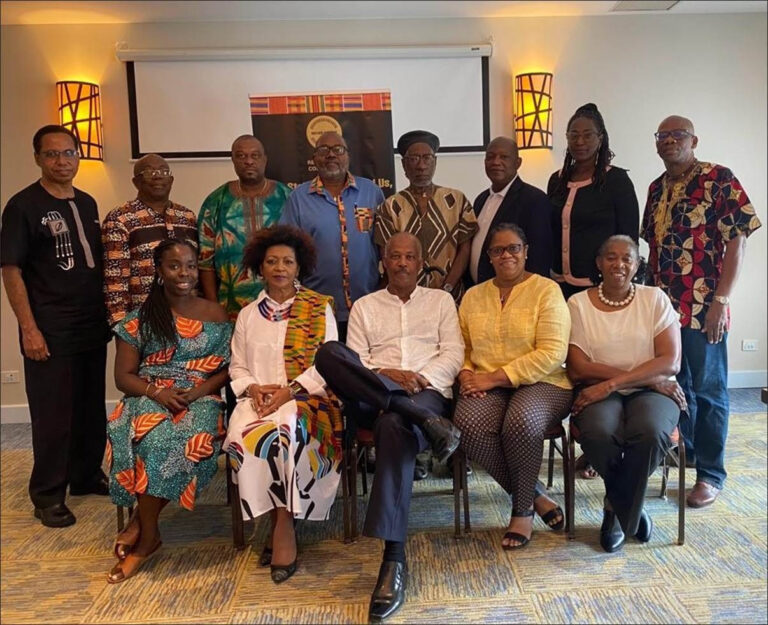
The CARICOM Reparations Commission is traveling to the UK to build support for reparatory justice, citing growing global momentum. The mission includes meetings with diplomats and a presentation at the UK Parliament, focusing on historical accountability and socio-economic transformation.
KM2 Solutions Barbados celebrates 19 years of success in the BPO industry, highlighting its focus on employee training and career advancement. The story emphasizes the company's role in nurturing talent and driving economic opportunity in Barbados.
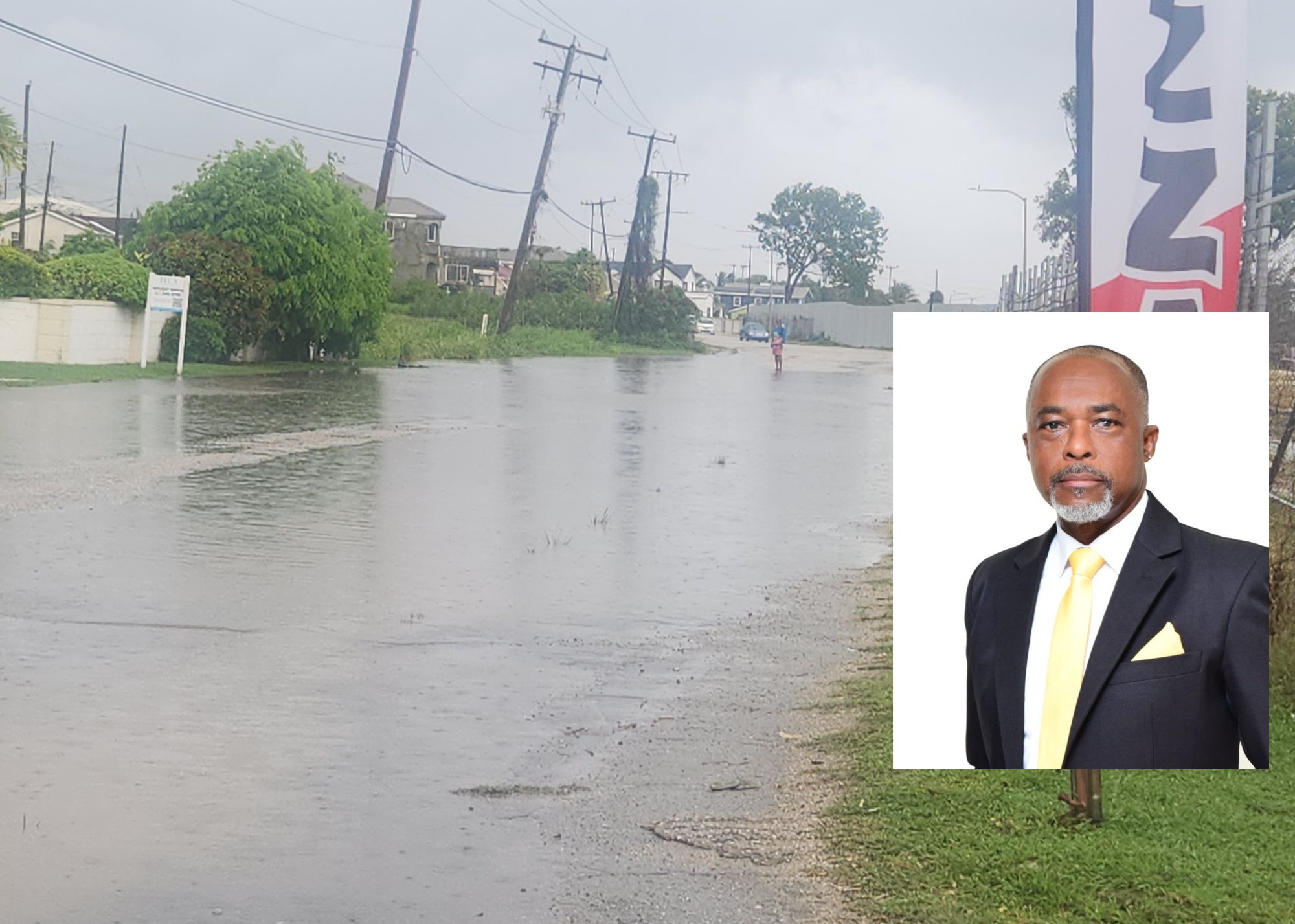
The DLP is urging the Barbadian government to address recurring flooding on KNR Husbands Highway, which worsened after a tourism project began nearby. The party calls for an engineering assessment and improved drainage to protect road users during hurricane season.

A Barbadian court hears a victim impact statement from a King's Counsel who demands incarceration and high compensation for a former employee who stole jewelry. The story focuses on the victim's loss and the defendant's guilt without mention of systemic factors.

The article profiles Ysabel Bisnath, Miss World Trinidad and Tobago 2018, highlighting her academic achievements, legal career, and charitable work. It focuses on her personal journey and preparation for the international pageant.
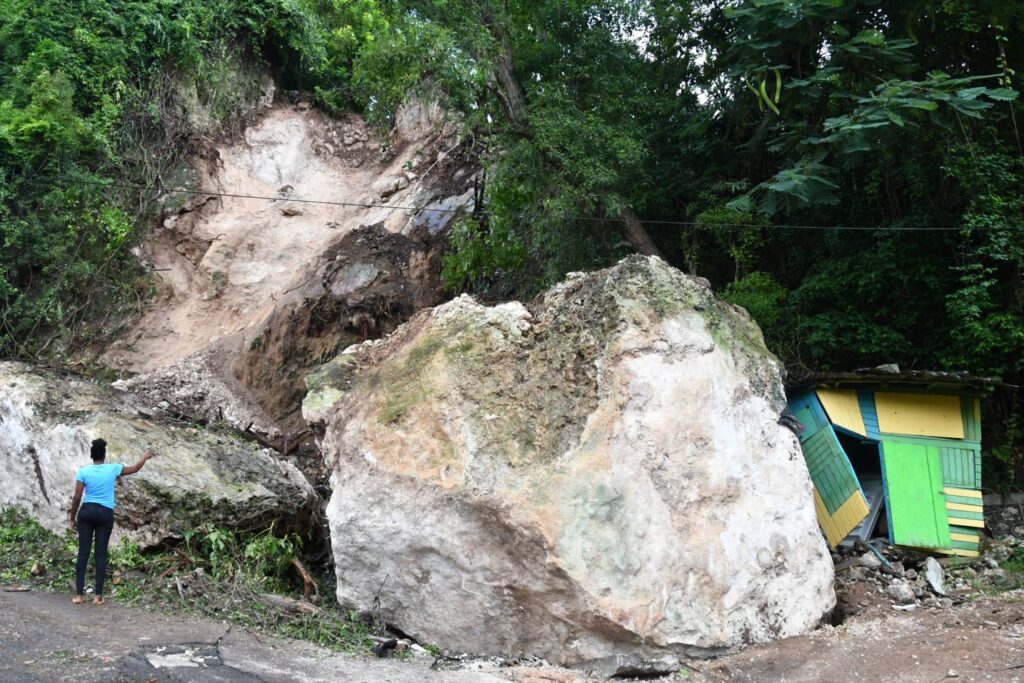
The article reports that Jamaica has experienced 15 felt earthquakes this year, but experts say this is due to increased public reporting after a 2023 quake, not more seismic activity. The Earthquake Unit explains they only issue bulletins for felt quakes to avoid alarming the public.

The article discusses home renovation strategies, emphasizing cohesive design through either full-scope or phased approaches. It profiles a Jamaican interior designer's project, highlighting aesthetic and functional choices for homeowners.
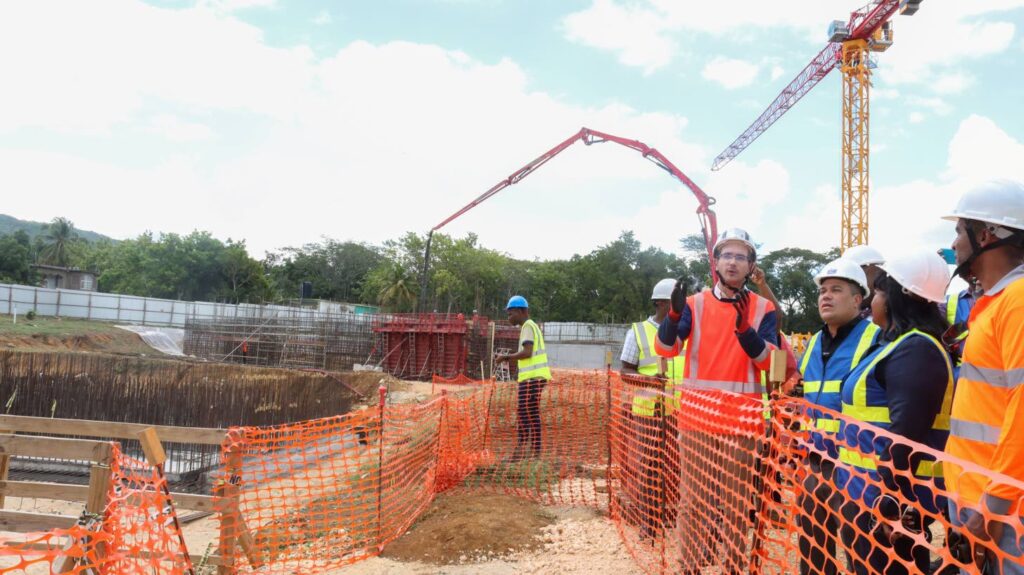
Jamaica's water minister announces a new treatment plant to end drought shortages in the Corporate Area. The $92 million project aims to supply 150,000 customers and reduce reliance on emergency water trucking.
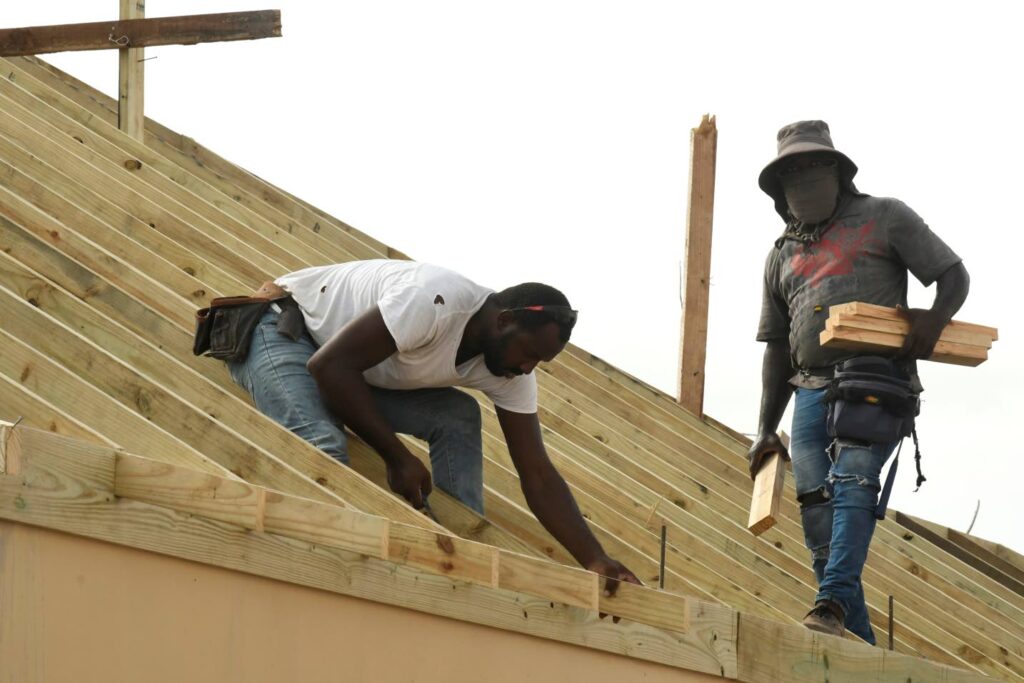
The article argues that Jamaica's construction industry must take responsibility for climate resilience after Hurricane Melissa caused $8.8 billion in damage. It calls for shared accountability among professionals, regulators, and the public, emphasizing the need for better data and enforcement to future-proof the island.
Two Jamaican sisters, ages 12 and 13, run a scholarship foundation that provides school supplies and tuition for children in need. Their initiative, born during the pandemic, reflects grassroots efforts to address educational inequity in Jamaica.
Jamroc Dept launches a limited-edition streetwear collection celebrating Jamaica's 64 years of independence. Founder Fernando Edwards emphasizes Jamaican pride, heritage, and modern design, with the collection generating strong interest and limited releases.
Mavis Bank Coffee Factory achieved a Safe Quality Food recertification with a 99% score, highlighting its commitment to international standards. The factory sources from about 5,000 Jamaican coffee farmers and exports globally, reinforcing Jamaica's Blue Mountain coffee industry.

The article reports that Jamaica's population barely grew in 2025 due to significant outward migration to the USA, Canada, and the UK, with most emigrants being working-age adults. It highlights a shift from skilled professionals to temporary workers in elementary occupations, driven by visa policies and global labor demand.

This article previews World Cup quarter-final matches between England and Norway in Miami, and Argentina versus Switzerland in Kansas City. It focuses on star players, weather conditions, and tactical adjustments.
The article covers the upcoming Elegance Ballroom Experience in Jamaica, highlighting strong support from the Jamaican diaspora who are traveling from North America and Europe to attend. The event combines entertainment and fundraising for injured or ill Jamaica Constabulary Force officers.
This story reports on the strengthening El Niño phenomenon and its impact on Jamaica, with experts warning of prolonged extreme heat and drought. The coverage focuses on meteorological classifications and forecasts, but does not address how structural inequality makes Black communities more vulnerable to heat-related harms.

The article celebrates a young Jamaican named Bellingham for his brilliance, likely in sports or academics, showcasing individual success. The positive framing emphasizes personal achievement over broader systemic challenges facing Black communities in Jamaica.

Over 200 vehicles were seized in Jamaica after cabbies overcharged passengers following a fare increase. Transport officials used undercover agents to catch offenders, highlighting enforcement challenges in the public transport sector.

This article details the historical and ongoing demands for reparations for slavery in the Caribbean, including economic and social injustices tied to colonial rule. It discusses academic works and movements addressing Britain's debt to formerly enslaved populations and Indigenous peoples.

The article analyzes the MINUSTAH mission in Haiti as an imperialist intervention that suppressed popular resistance, enforced elite rule, and deepened economic exploitation. It traces the ongoing state collapse and gang violence to this legacy of foreign domination and structural inequality.

The Caribbean Economic Review notes moderate growth excluding Guyana, with Haiti still below pre-pandemic output due to instability. Hurricane Beryl and global trade risks shadow the outlook, while fiscal constraints persist.

This article examines why no Caribbean nation has followed Barbados in removing King Charles III as head of state, despite expectations. Eight Commonwealth Realms in the region retain the British monarch as sovereign, reflecting ongoing colonial ties.
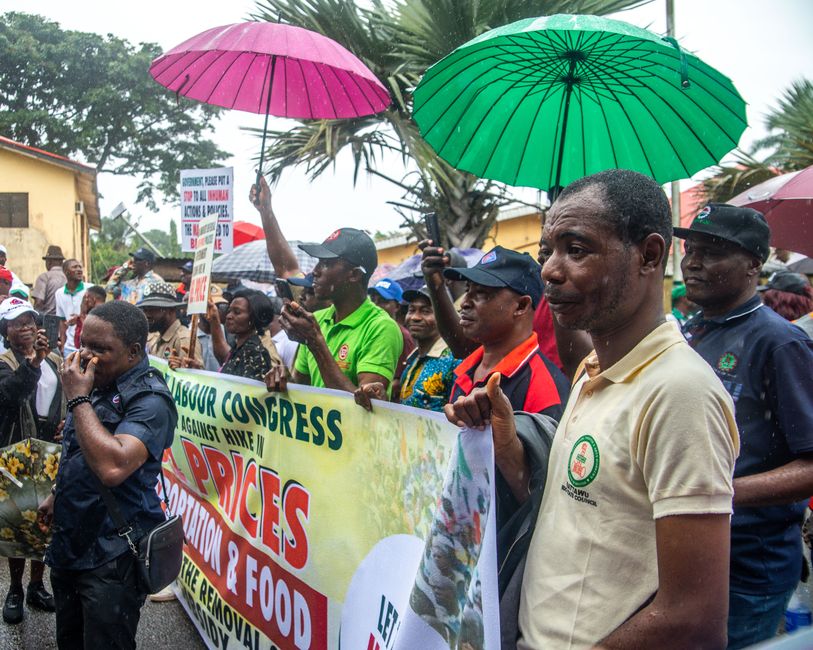
A Trinidad minister rejects the Barbados Prime Minister's concerns about recolonization through artificial intelligence. The exchange highlights tensions over foreign influence in the Caribbean region.

Armand Zunder, chair of Suriname's National Reparations Commission, calls for Suriname to follow Barbados and Trinidad and Tobago in decolonization. He criticizes the retention of colonial symbols like the coat of arms and mountain names, urging progress since independence in 1975.

The article reports on a UN forum discussing Haiti's independence debt to France, imposed in 1825, which drained the nation's economy for over a century. Speakers argue this debt is a root cause of Haiti's current crises, including gang violence and poverty.

The article examines Denmark's colonial exploitation of the U.S. Virgin Islands and Greenland, highlighting economic extraction and incomplete decolonization. It warns Greenland against trusting Denmark's block grants, given the historical pattern of resource depletion and dependency.

The article discusses the global reparations movement gaining momentum after George Floyd's murder and Black Lives Matter protests. It highlights how municipalities and states in the US are advancing reparations initiatives as part of a broader political tide for justice.

Miramar, Florida hosts Belize Day 2026 and a mobile passport hub for Belizean diaspora, offering government services and cultural events. The initiative strengthens economic and cultural ties between Belize City and Miramar through their sister city partnership.
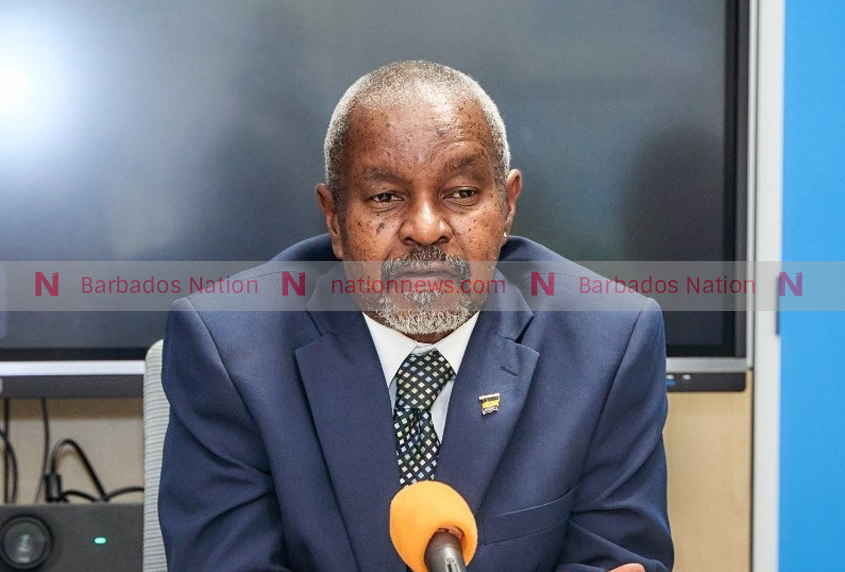
Barbados' Chief Medical Officer confirms no new cases of scarlet fever, chicken pox, or monkeypox, attributing previous school cases to community and family clusters. He reassures the public, emphasizes sanitation and respiratory etiquette, and urges reporting of symptoms to general practitioners.

The World Bank ranks Guyana as high-income and Jamaica as upper-middle-income based on GNI per capita. The article notes the rankings ignore inequality, poverty, and hurricane damage affecting Black communities.

French Guiana has become the eighth associate member of CARICOM after an agreement was signed during the 51st Regular Meeting in St. Lucia. The move aims to strengthen regional cooperation in trade, climate resilience, and cultural exchange.

Passenger traffic at Jamaica's two international airports dropped significantly in the first half of 2026 due to Hurricane Melissa and reduced hotel capacity. The decline highlights the vulnerability of Jamaica's tourism-dependent economy, which affects Black communities reliant on the sector. Officials express optimism about recovery through new air routes.

Guyana, with support from seven CARICOM nations, sent a ship carrying food, medical supplies, and equipment to earthquake-hit Venezuela. The effort reflects regional solidarity and neighborly assistance during a humanitarian crisis.

Trinidad and Tobago will provide a ferry for a CARICOM cargo pilot to improve intra-regional connectivity, trade, and food security. Leaders discussed reducing costs and advancing free movement under the CSME, with private sector involvement expected.

Guyana plans to launch mobile government service centers in countries with large diaspora populations, offering services like passport renewals and document replacements. President Ali announced the initiative in Saint Lucia, aiming to reduce travel burdens and improve access for Guyanese abroad.
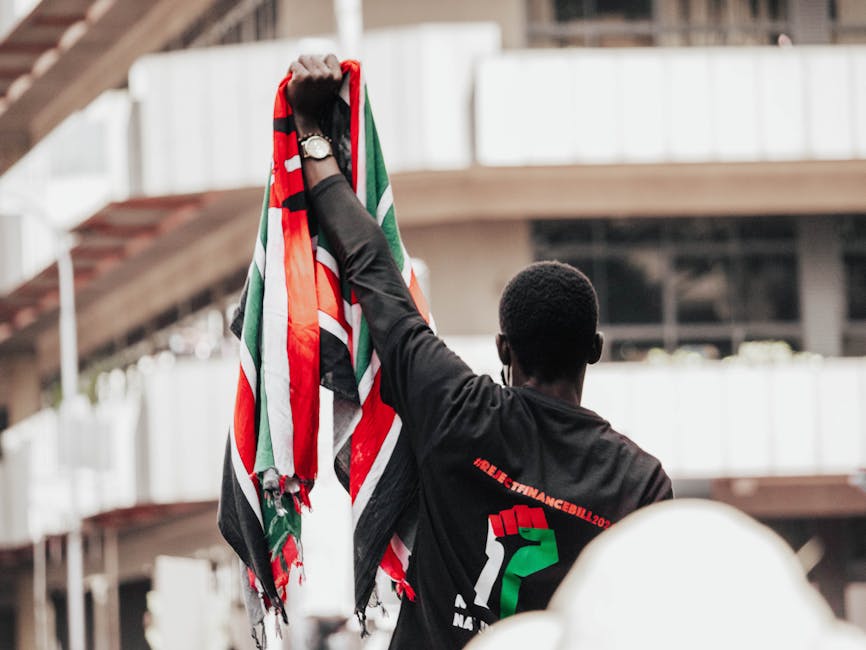
CARICOM leaders reaffirmed support for Haiti's security and democratic transition during their 51st Regular Meeting. They commended progress by Haiti's government and called for international cooperation to restore stability.

Reggae artist Nickapella's 'Show Love' EP has topped charts in the US, Canada, and the Caribbean, marking a major independent success. The seven-track project blends reggae with modern production, gaining international traction and positive industry praise.
The IMF assessed Barbados' new instant payment system BiMPay, highlighting potential benefits like financial inclusion and risks like technical challenges. The system has already caused late salary and pension payments. The analysis focuses on economic metrics rather than the lived experiences of Barbadians.

France defeated Morocco 2-0 in the World Cup semi-final, with Kylian Mbappe scoring after missing a penalty. France will face Belgium or Spain in the final four.
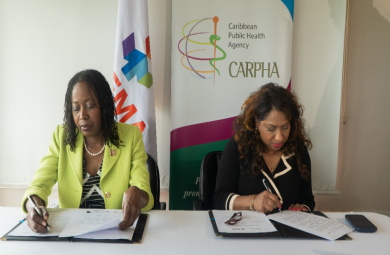
CDEMA and CARPHA signed an MOU to enhance disaster and public health collaboration across the Caribbean. The partnership aims to strengthen regional resilience against climate change and health emergencies through integrated action.
Electric and hybrid vehicles now represent 70% of new car sales in Barbados, driven by tax incentives and lower fuel costs. Industry leaders warn of upcoming environmental challenges while expressing optimism about continued growth.
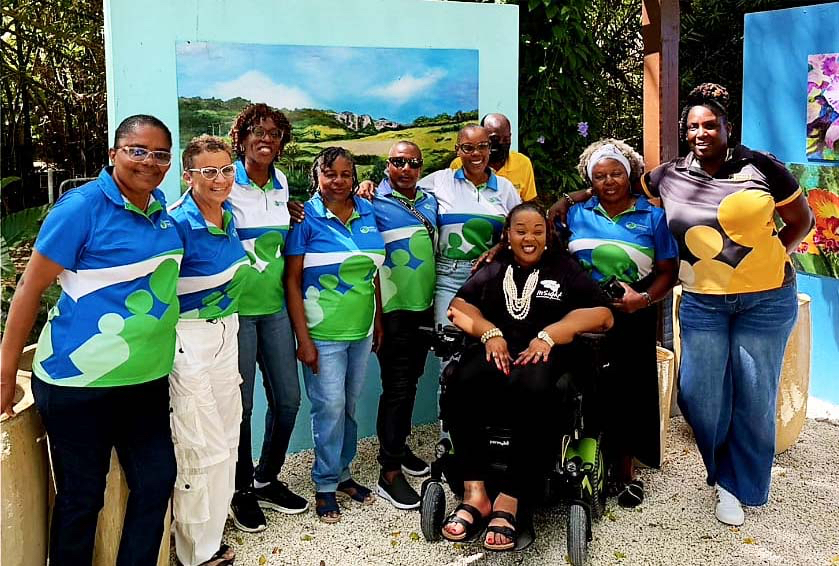
The Barbados Council for the Disabled celebrates 50 years of advocacy for accessibility and inclusion. Their Fully Accessible Barbados initiative has improved infrastructure and attitudes, benefiting both residents and tourists.
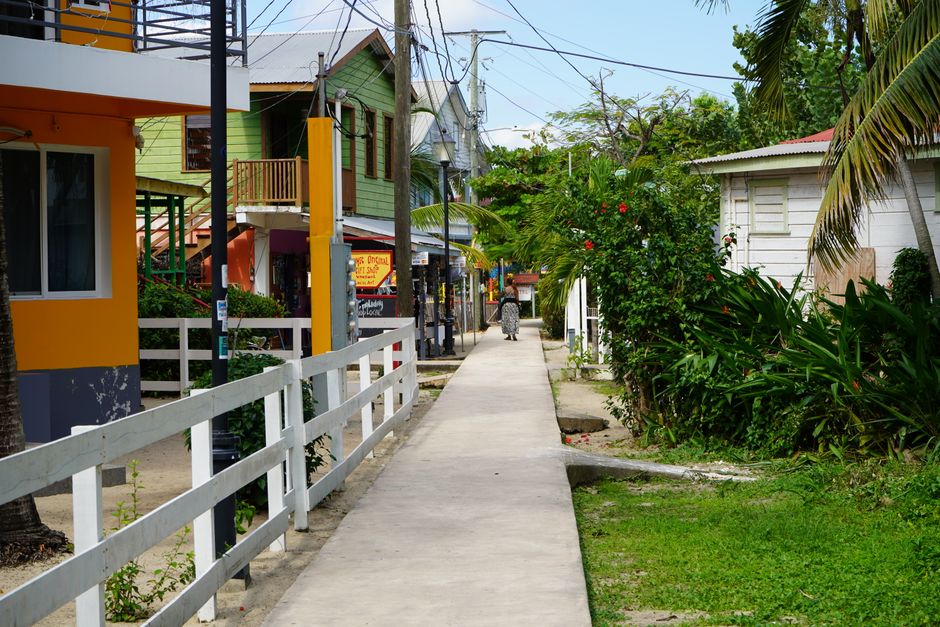
Opposition Senator Ryan Walters criticizes the Barbados government for failing to address excessive rents, unoccupied units, and poor maintenance in NHC housing. He notes that some tenants pay $1,000 monthly in rent to subletters, while many units remain vacant despite high demand.

A Barbados judge tells convicted attorney Hilary Jeffrey Nelson that full restitution of $855,000 is required before any possible release, but does not guarantee a non-custodial sentence. The victim took a second mortgage after the theft, and the judge demands a timeline for repayment.

Queen Elizabeth Hospital in Barbados plans to dispose of 65 unclaimed bodies under new regulations. The story highlights the financial cost of storage but offers little context on the systemic factors that may lead to bodies going unclaimed in a predominantly Black nation.
Junior Alves, a Jamaican pastor with 44 years in the US, was deported under a US agreement to Eswatini, a country he has no connection to. He describes the experience as akin to slavery, citing forced removal without consent or legal recourse.
Legendary Jamaican track coach Glen Mills mourns the passing of Stephen Francis, co-founder of MVP Track Club, praising his immense contributions to athletics and national development. Francis is celebrated for proving world-class performances could originate from Jamaica, shaping the island's sprinting dominance.

Jamaican artist Sativa D Black 1 releases 'Same Song' on the Di Regulator rhythm to promote positivity and conscious reggae. He aims to reaffirm reggae's cultural significance and inspire listeners with real-life messages.
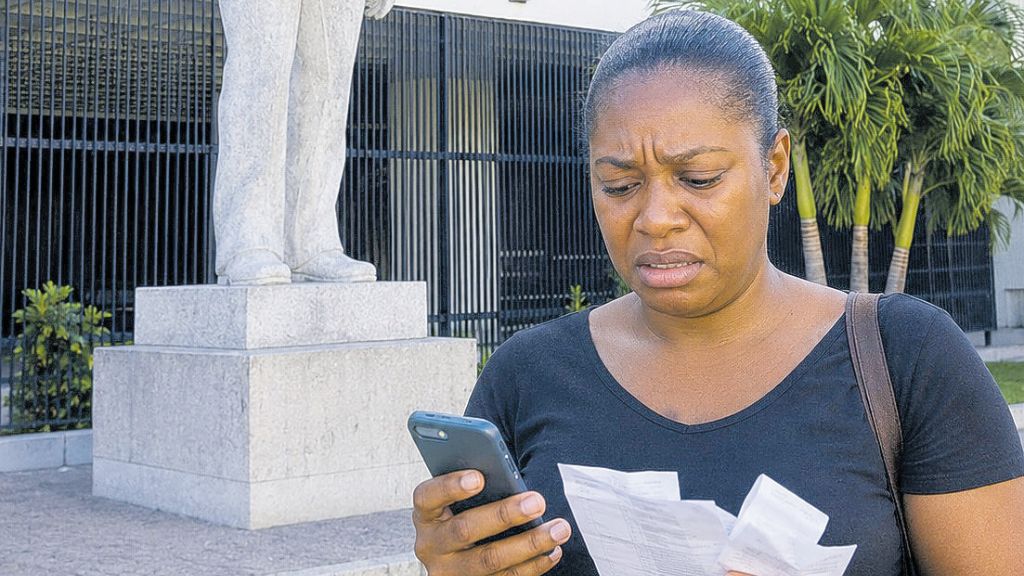
The Bank of Jamaica is proposing new standards requiring banks to handle customer complaints more seriously, with tracking and board-level oversight. The move follows hundreds of complaints and aims to strengthen consumer protection before a regulatory shift. Black Jamaicans are shown as consumers needing protection from exploitative financial practices.

The article covers Erling Haaland's excitement about Norway facing England in the World Cup quarter-finals. It highlights his goalscoring, his English birthplace, and his growing popularity in the USA.

The Jamaica Classic Car Club hosted a special Father's Day event at Hope Gardens in St Andrew, featuring classic cars and family activities. The event was well-received, with members and the public enjoying the celebration and looking forward to future gatherings.

West Indies Test captain Roston Chase celebrates a 1-0 series win over Sri Lanka, their first in 23 years. He calls it a stepping stone for growth and consistency in international cricket.

The article reports that three Jamaican national champions and several other athletes will compete at the Ed Murphey Classic in Memphis, Tennessee. It lists participants and their matchups without discussing racial or structural issues.

A 46-year-old man died after arriving at a Jamaican hospital with stab wounds. The police are investigating and asking for public assistance. The brief article provides few details about the victim's life or circumstances.
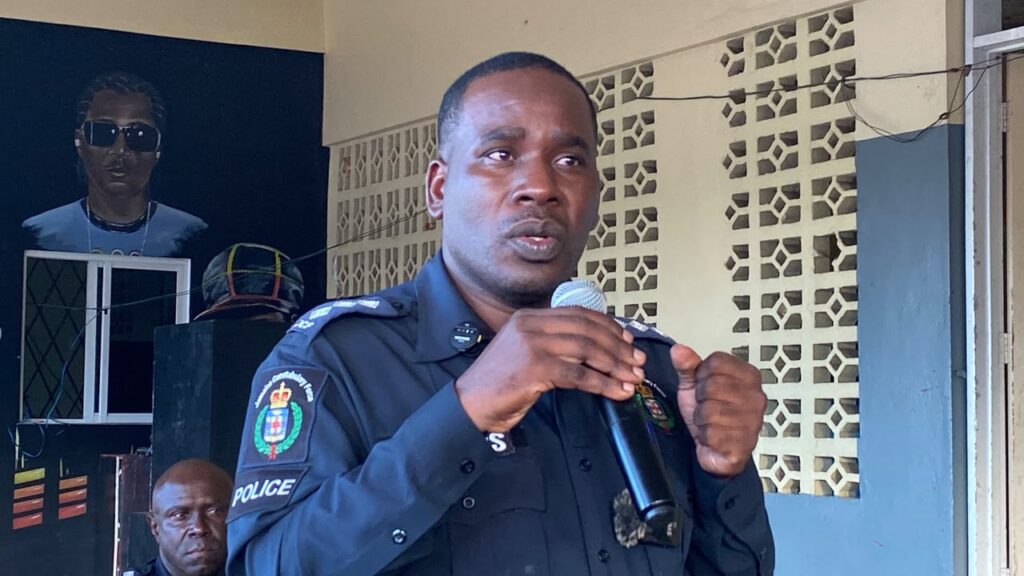
Manchester police chief Odean Dennis warns that lottery scammers are infesting the once-peaceful parish, urging residents to be wary of strangers. He notes a shift from interpersonal disputes to gun violence, with a recent shooting death underscoring the trend.
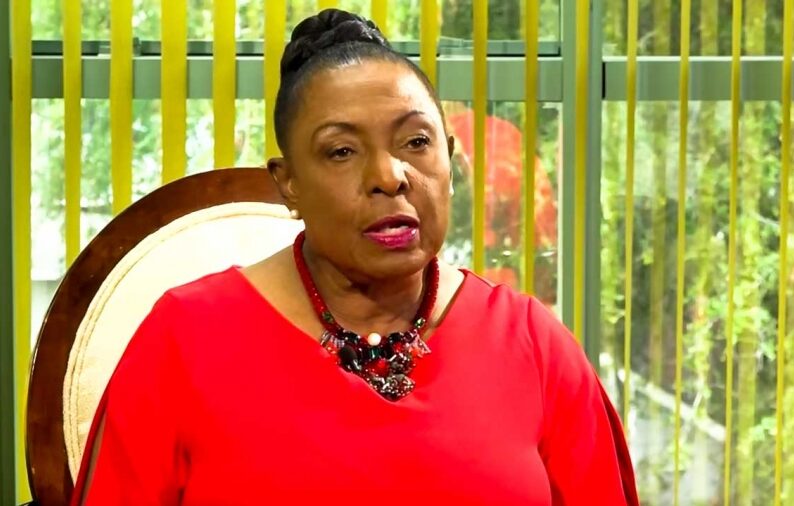
The Jamaican government is developing the JamSafe app to combat gender-based violence, featuring tools like emergency alerts and AI-assisted safety screening. The initiative highlights technology as a means to enhance prevention and support for survivors, emphasizing coordinated response.

The 11th Jamaica Diaspora Conference focused on building resilience after Hurricane Melissa, with discussions on trade, investment, and cultural revolution. Key figures like Levi Roots and Prime Minister Holness emphasized efficiency, productivity, and diaspora collaboration for national development aligned with Vision 2030.
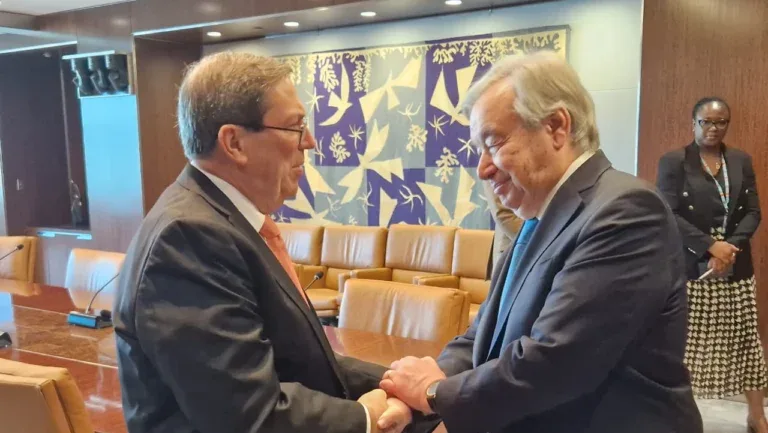
Cuba's foreign minister met with the UN secretary-general to detail the damage from the US embargo, including a $8.1 billion cost over the past year and rising infant mortality. He condemned the policy as a multidimensional war that suffocates the Cuban people.

The segment discusses Haiti's history of foreign occupations since 2004 and current crisis where a U.S. mercenary outfit is authorized to kill thousands. It also covers Cuba's resilience under a U.S. economic siege.
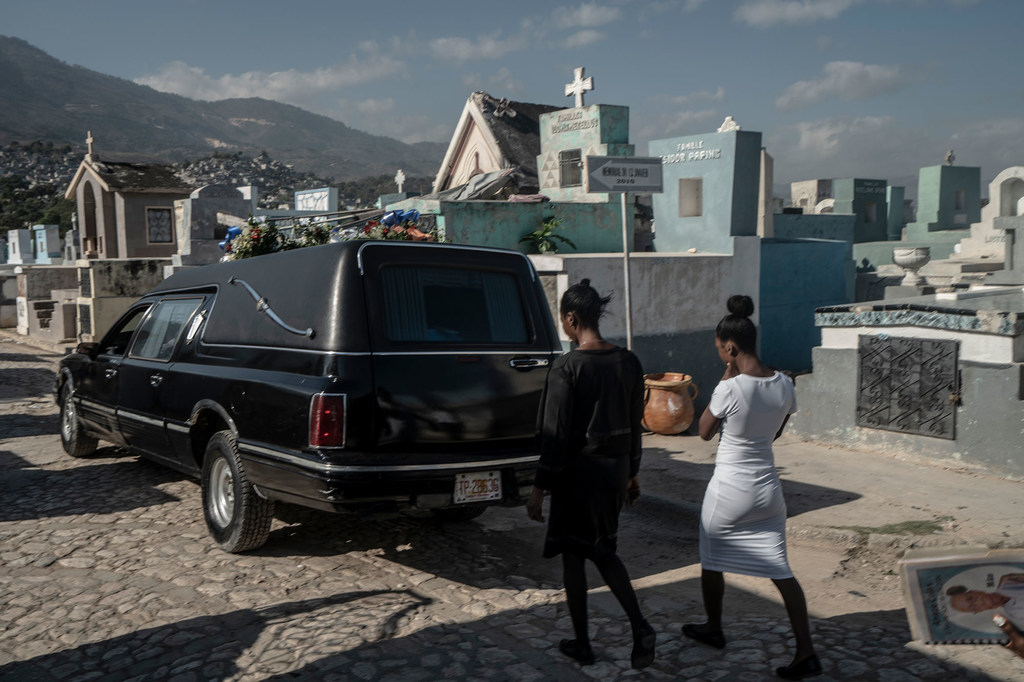
Haiti faces a severe humanitarian crisis driven by gang violence and political instability, with half the population lacking adequate food. The UN seeks $880 million to aid millions, but access is blocked by armed groups.

The article covers multiple stories including a Supreme Court ruling that could end protected status for Haitians, leading to family separations. It also reports on gang violence in Haiti shutting hospitals and displacing residents, with Haitians in the US fearing ICE under a travel ban.

UN chief Antonio Guterres apologized to Haitians for international abandonment during a visit to gang-plagued Haiti, noting 'glimmers of hope'. The story highlights Haiti's violence but frames the country as a failed state reliant on outside intervention.

Haiti faces an escalating crisis as 2026 begins, with the UN Security Council set to discuss the situation. The article highlights that women and girls are disproportionately affected by the instability.

The article discusses how colonial history has left Caribbean nations economically vulnerable and dependent. It highlights the structural inequalities that persist due to centuries of exploitation and foreign debt.

This segment explores how the Caribbean tourism industry is built on colonial-era inequalities, with local economies remaining dependent on foreign interests. It examines the ongoing exploitation of land and labor, leaving Black communities with limited control over their resources and futures.

The report outlines high youth unemployment, poverty, and non-communicable diseases in the Caribbean. It highlights how structural inequality and limited formal jobs disproportionately affect Black youth, especially young women.

The article argues that foreign intervention and misleading narratives have exacerbated Haiti's crisis, framing opposition as gang violence to justify occupation. It highlights the role of colonial legacies and economic exploitation in shaping the current conflict.
The UN-approved Gang Suppression Force in Haiti aims to replace a failed Kenyan-led mission, as 90% of Port-au-Prince falls under gang control. The piece critiques the cycle of interventions yet presents Haitians largely as helpless recipients of security failures.

The article covers the Repair Campaign's findings that Caribbean people broadly support long-term investments from former colonial powers as a form of reparations for slavery and colonialism. It highlights regional consensus on addressing historical inequities through structural economic support.

The Caribbean Reparations Commission reports growing global support for reparations, with public lectures and panel discussions raising awareness about the unpaid debt from over 400 years of slavery and colonialism. The story highlights a coordinated regional fight for justice.

The City of Miramar partners with Global Empowerment Mission to collect essential supplies for earthquake-stricken Venezuela. The drive emphasizes community compassion and the personal ties between Miramar residents and Venezuelan families.

A Bahamian national named Shelton Thompson pleaded guilty to illegal gun possession in South Florida, where he was living without authorization and is wanted for murder in the Bahamas. The case highlights the aggressive enforcement of immigration and firearms laws, with officials emphasizing the importance of public safety near international borders.

The U.S. Supreme Court ruled that the government can end Temporary Protected Status for Haitians and Syrians, allowing potential deportations. The decision overturns lower court blocks and limits asylum claims at the border, affecting hundreds of thousands of people.

The article chronicles Jamaica's failure to qualify for the 2026 World Cup despite favorable conditions, blaming federation dysfunction, coaching instability, and lack of team cohesion. It contrasts this with the unity of smaller nations like Curaçao that succeeded.

Caribbean nations like Jamaica and Trinidad and Tobago have expressed solidarity with Venezuela after powerful earthquakes struck its coast. The region's statements emphasize shared vulnerability to natural disasters and a readiness to assist in relief efforts.

Jamaica's parliament approved a minimum wage increase to J$17,000 per week, effective July 2026, up from J$16,000. The labour minister urged employers to view the wage as a floor, not a ceiling, and noted the wage has nearly tripled since 2016.

Sonia Boyce has been appointed Commissioner of Police in Barbados, succeeding Richard Boyce. Her career is highlighted for its integrity and leadership, with no mention of policing controversies or systemic issues.

The U.S. Coast Guard repatriated 27 Cuban migrants after intercepting their unseaworthy vessel in the Yucatán Channel. The migrants were provided basic care before being returned to Cuba under standard interdiction procedures.

Guyana pledges to build over 300 homes in Jamaica as part of post-hurricane recovery. The announcement, made by President Irfaan Ali, emphasizes regional cooperation and follows earlier emergency assistance.

Barbados Prime Minister Mia Mottley met UK PM Keir Starmer in London to discuss security, climate, and investment. The talks highlighted cooperation on climate resilience and organized crime, with emphasis on the Bridgetown Initiative.

Guyana and Jamaica signed multiple memoranda of understanding to deepen cooperation in agriculture, security, finance, housing, technology, and climate resilience. The agreements aim to translate regional CARICOM goals into practical outcomes, with both leaders emphasizing deliverable results beyond ceremonial diplomacy.
The Fi We Children Foundation condemns Ascot Primary School for allegedly segregating grade six students during graduation based on PEP exam scores. Students with lower scores were denied caps and gowns and forced to sit at the back, raising constitutional rights concerns.
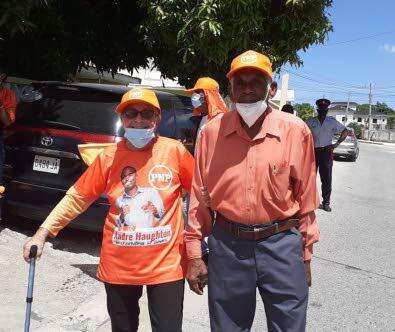
The People's National Party mourns Arthur Nelson, a former MP who served with quiet dignity and integrity. He is remembered for his humility, including taking the bus to Parliament, and his lifelong commitment to his constituency and party.

The JAAA apologized to Demisha Roswell after omitting her from the Commonwealth Games team due to a bureaucratic oversight. Her outstanding performance at nationals earned her a spot, but she was left off an initial list submitted months earlier.

Masked thieves stole millions in cash from a Scotiabank ABM in Portmore, Jamaica, using security codes. The police are investigating, and surveillance footage shows the suspects driving a grey Nissan Latio.
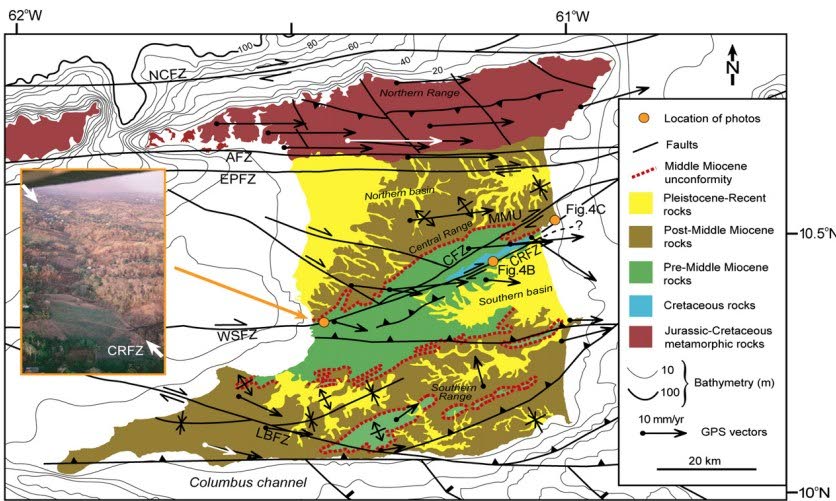
The article explains the tectonic reasons behind the devastating 2023 earthquake in Turkey and Syria, then draws a comparison to Trinidad's position on the Caribbean-South American plate boundary. It focuses on geological mechanisms and seismic risk without discussing social or economic impacts on local communities.

A Trinidadian family, the Sorzanos, was evicted from a home they occupied for a year after being misled by a government official into believing they had legitimate ownership. They now face homelessness, while an investigation into the fraud is underway.
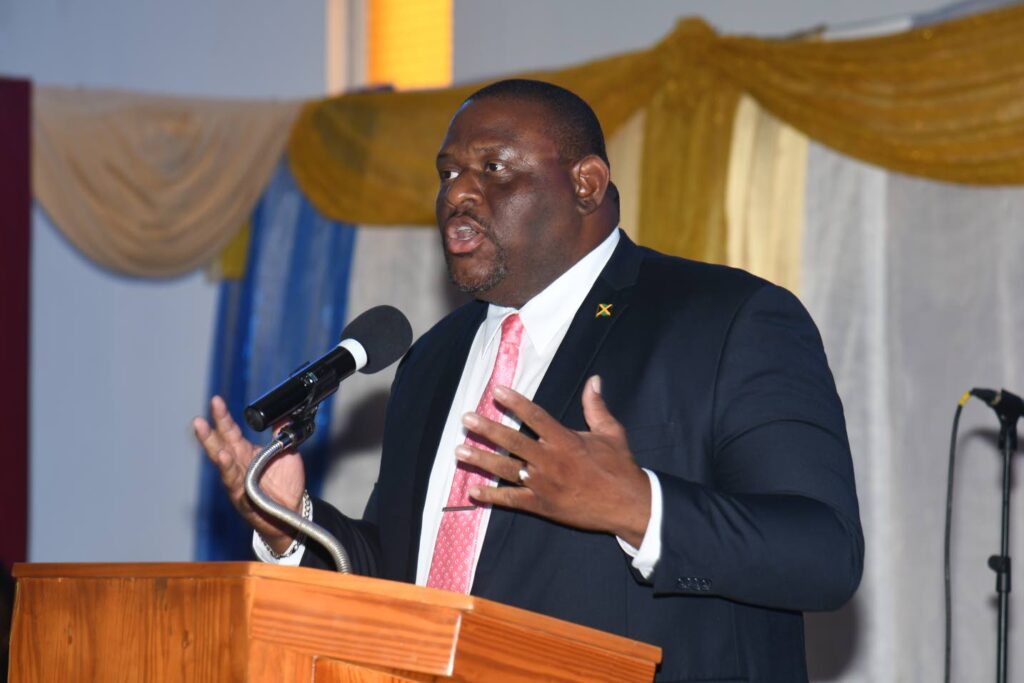
Jamaican Senator Marlon Morgan rejects opposition claims that a third-country national agreement with the U.S. would bring criminals into Jamaica. He insists only asylum seekers without criminal records will transit through the island under safeguards.

Demisha Roswell and Jura Levy have been named to Jamaica's CAC Games team. Roswell's earlier omission from the Commonwealth Games due to an administrative error was publicly acknowledged by the JAAA.
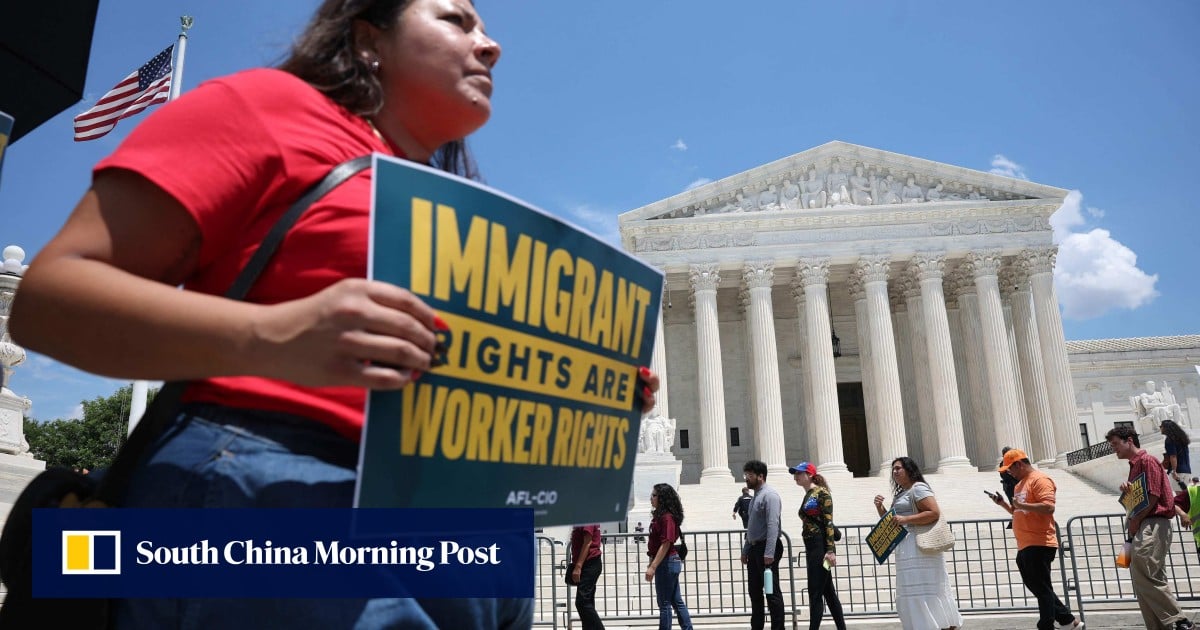
The US Supreme Court upheld the Trump administration's right to end Temporary Protected Status for Haitians and Syrians, affecting over 350,000 people. The ruling rejected arguments that racial hostility motivated the decision, despite ongoing dangers in home countries.
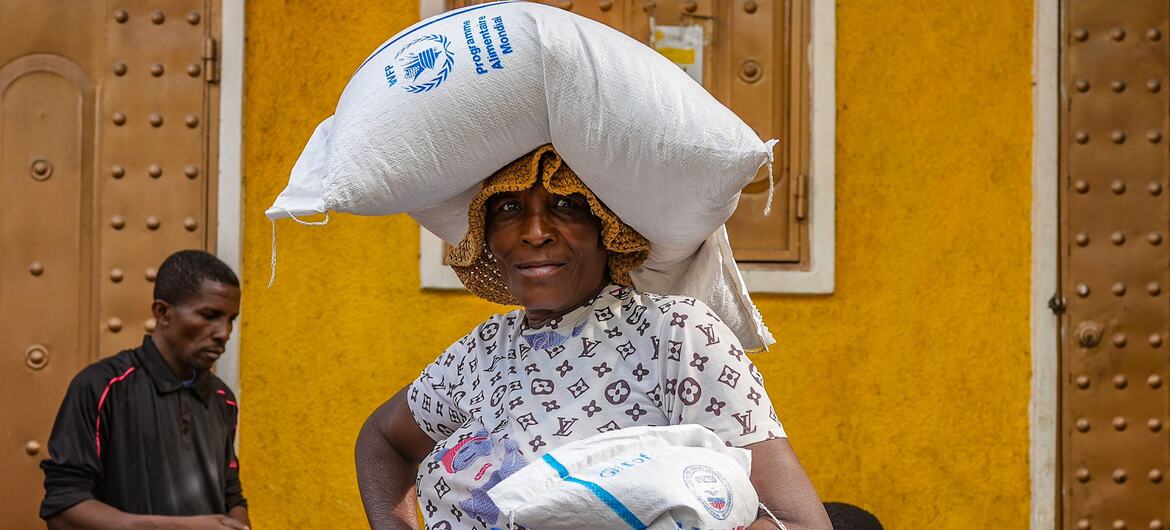
The article details Haiti's deepening crisis as gangs control territory, violence escalates, and political transitions stall. Millions face humanitarian needs while the UN Security Council discusses the situation.

The article argues that colonial land policies concentrated ownership among a few, forcing the majority onto marginal lands. This legacy makes Caribbean nations more vulnerable to hurricanes and hinders disaster recovery today.
The article reports that Caribbean youth have the highest unemployment rates in the world, exacerbated by the 2008/2009 recession and high debt-to-GDP ratios. It highlights how underemployment and joblessness undermine the psychological well-being of young people, with nearly two-thirds of underemployed Jamaicans aged 25-44.

The article reexamines colonial Jamaica's economy, revealing that immense wealth was concentrated among a tiny white slave-owning elite. It argues that this prosperity depended on the impoverishment of enslaved Black laborers, contradicting earlier views of Jamaica as a uniformly rich colony.
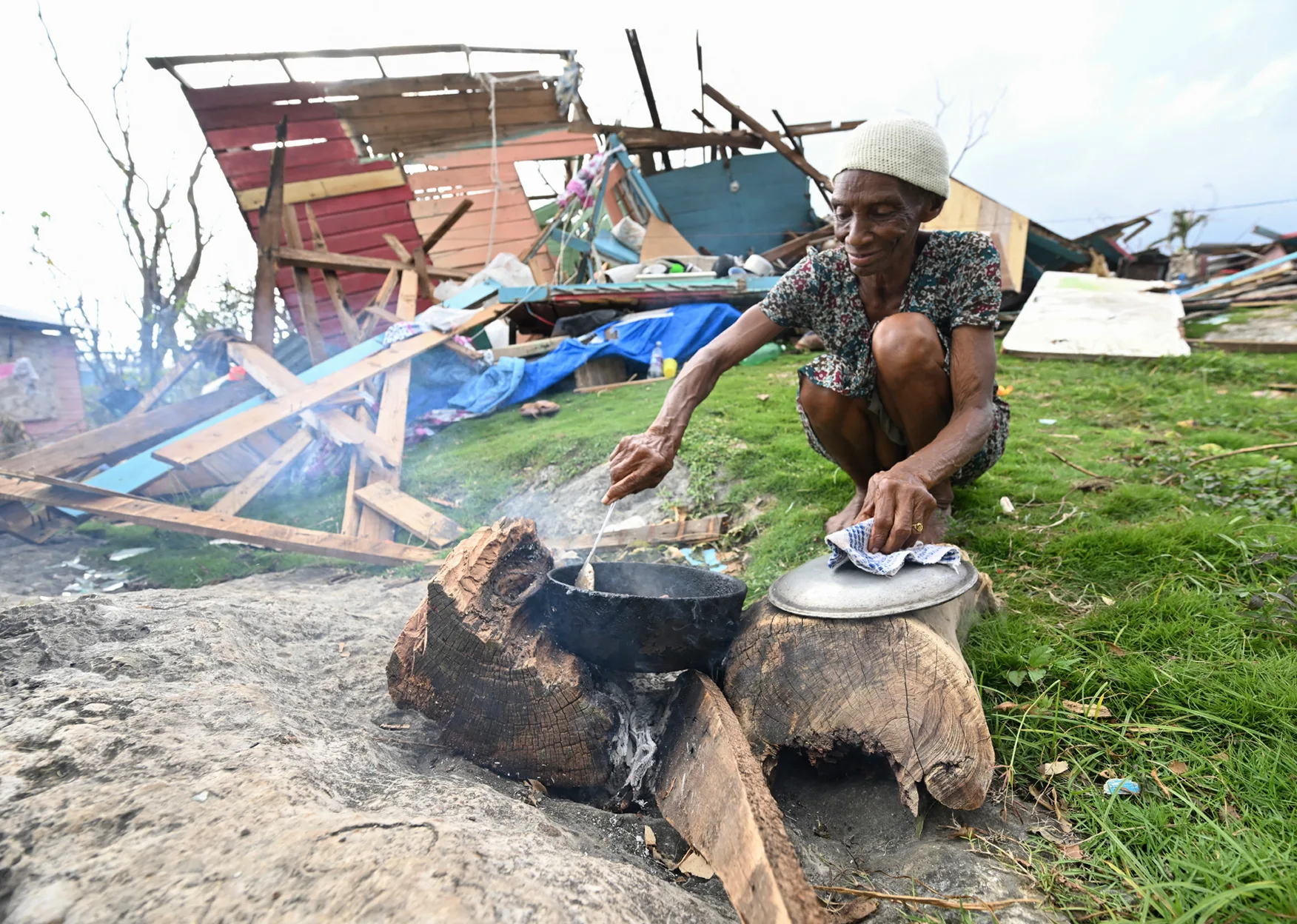
The article examines how Hurricane Melissa's aftermath in Jamaica and the Caribbean reveals climate coloniality, where colonial legacies and unequal economic structures prolong suffering. It highlights food insecurity, forced relocation, and inadequate reconstruction, with local communities left vulnerable to worsening storms.

The article discusses the economic implications of AI for the Caribbean, focusing on potential benefits and challenges. It does not directly address how structural inequalities or colonial legacies shape the region's engagement with technology.
The Caricom Reparations Commission visits the UK to call for mutually beneficial restorative justice, refuting claims they seek to 'break the British Treasury.' They highlight the enduring harms of colonialism, including debt and lack of resources, and seek collaboration to address these legacies.
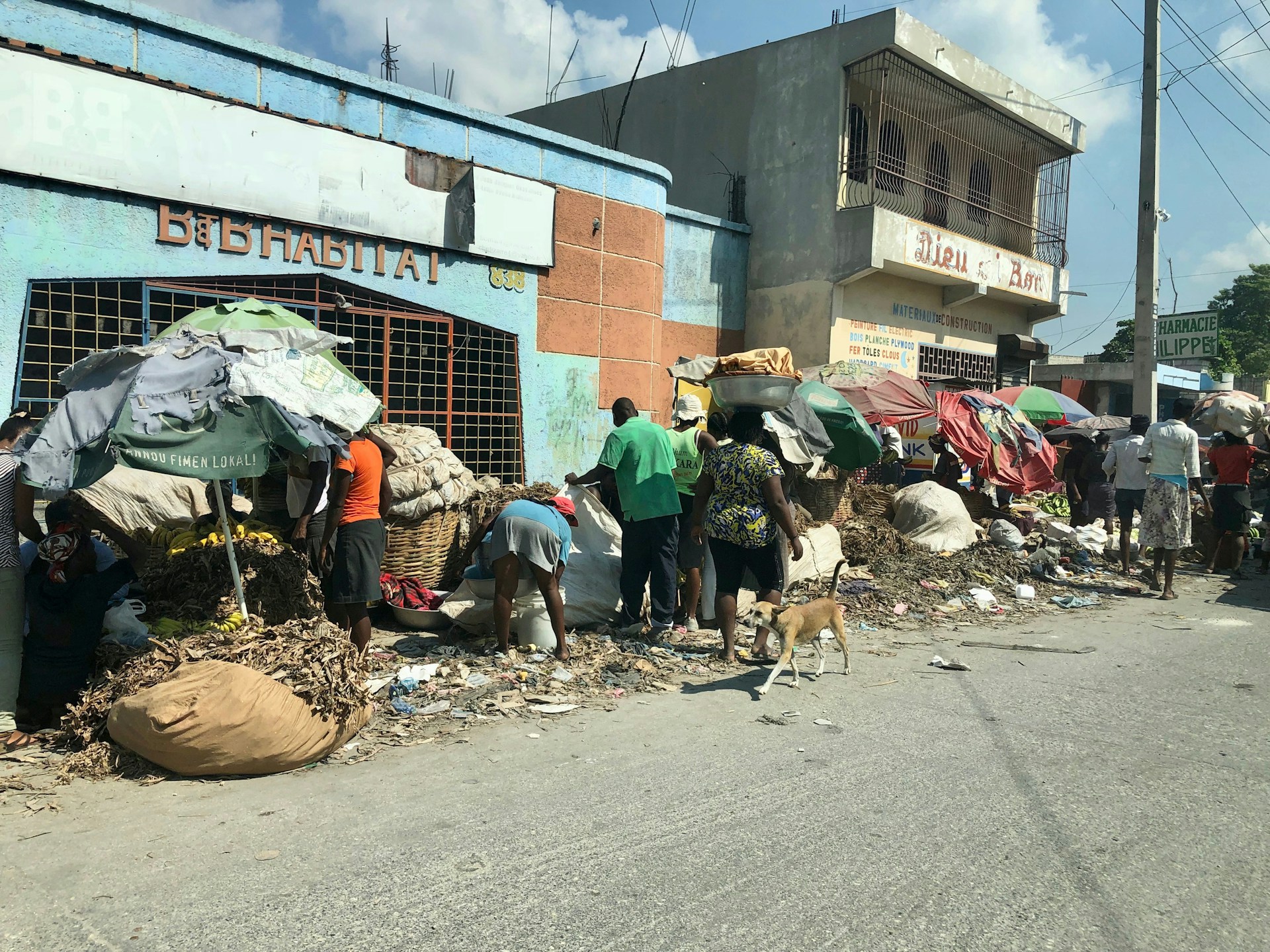
The article examines international interventions in Haiti, framing the country's instability as a result of internal corruption and weak institutions, while overlooking the historical and structural roots of its poverty. It suggests that past foreign aid has failed because it prioritized short-term stabilization over long-term development, yet the analysis stops short of addressing how colonial reparations and foreign debt have systematically impoverished Haiti.

The page contains no actual content, only a placeholder for website hosting. It fails to deliver the promised analysis of the Haitian Revolution.
Community activist Hamilton Lashley proposes a sports museum and Hall of Fame to curb gun violence in The Pine, Barbados, by restoring historical pride. The initiative aims to shift the narrative from crime to cultural achievement.

Kieron Pollard surpassed Chris Gayle as the highest T20 run scorer, scoring an unbeaten century for MI New York. He reflected on the criticism he and others faced for prioritizing franchise cricket, which is now widely accepted.
A fruit vendor and a woman were shot dead at a fruit shed in St Joseph, Trinidad. The vendor's sister believes he was the intended target and expresses fear for her own safety.

The 11th Jamaica Diaspora Conference concluded in Montego Bay, hailed as the largest and most consequential edition. Organizers highlighted the diaspora's growing role in investment, philanthropy, and disaster response as a 'movement' for rebuilding a more resilient Jamaica.

A diplomatic note suggests Jamaican Minister Audrey Marks proposed a plan for Jamaica to receive up to 10,000 deportees from the US, but the Jamaican government denies initiating it. Officials insist the arrangement was a US request, highlighting tensions over bilateral migration management.

MSF has suspended services at the Isaïe Jeanty Maternity Hospital in Haiti due to escalating armed violence, leaving thousands of women without maternal healthcare. The facility, in Cité Soleil, was caught in crossfire, forcing staff to evacuate and patients to seek unsafe home births.

A woman in Barbados is suing the government over alleged injuries from the AstraZeneca COVID-19 vaccine. She claims the vaccine was defective and that the government failed to provide adequate compensation mechanisms for adverse reactions.
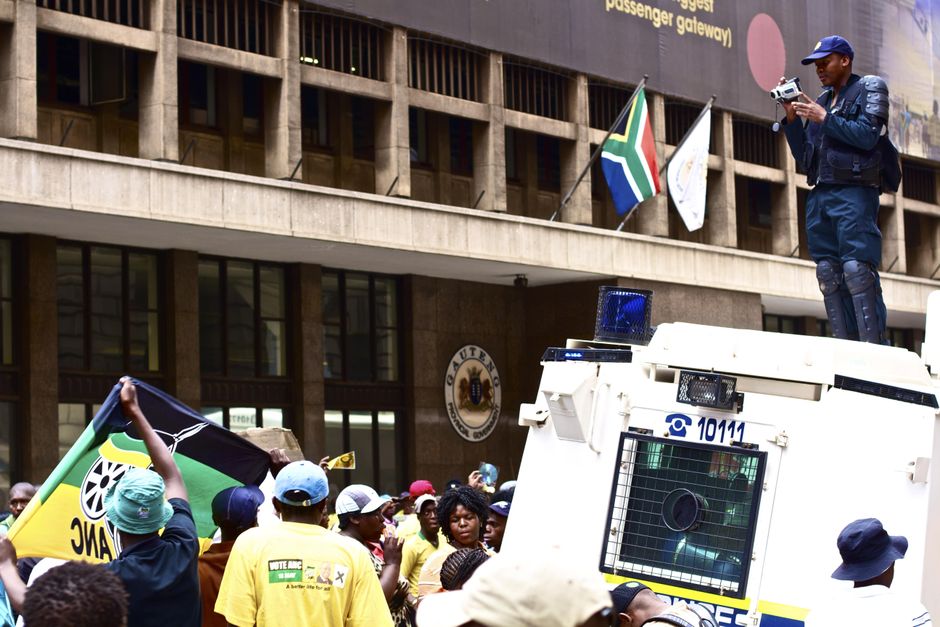
Guyanese President Irfaan Ali publicly urged Sandals Resorts to invest in Guyana, positioning the country as a premier eco-tourism destination. He highlighted the nation's biodiversity, culture, and growing local investor confidence as key assets, arguing that a Sandals resort would benefit both the brand and Guyana's economy.

The Cayman Islands report record air and cruise arrivals in early 2026, with over 797,000 visitors in 120 days. The government highlights new hotels, air routes, and digital innovation, promising benefits for Caymanians without specifying how.

Prime Minister Holness highlights tourism as a gateway to investment and development, emphasizing its role in building confidence among visitors and investors. Tourism Minister Bartlett outlines a new phase aimed at greater local economic inclusion and retention of tourism revenue.

The U.S. military killed two alleged 'narco-terrorists' in a strike in the Caribbean Sea, part of a pattern of lethal force against drug trafficking suspects. Human rights groups criticize the strikes as extrajudicial killings, noting the absence of armed conflict. Critics raise due process concerns, with lawsuits filed by families of victims.
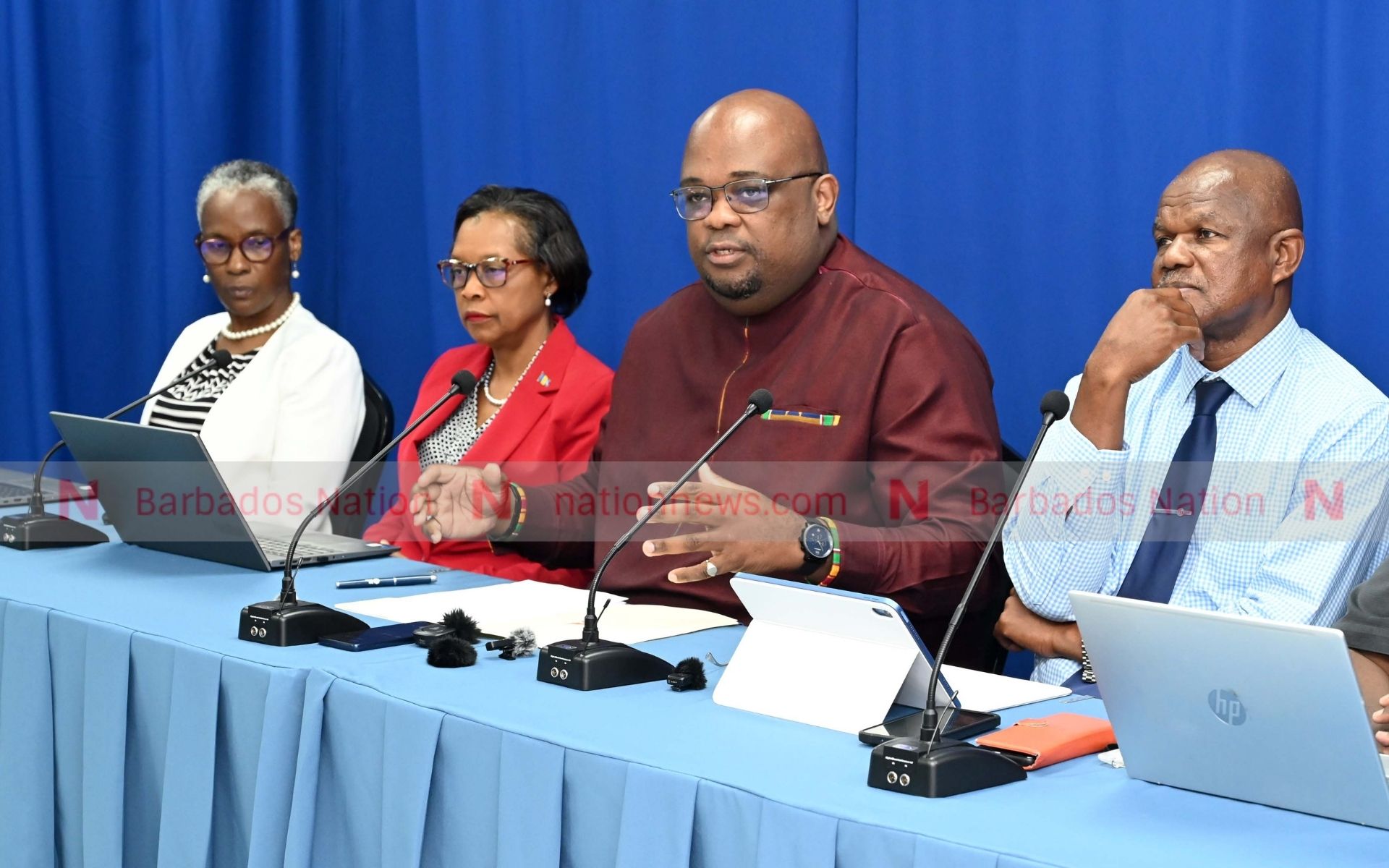
St Gabriel's School students top the 11-Plus exam results in Barbados, with Benjamin Enzo Luciene as the overall top scorer. The Ministry of Education highlights strong performances across multiple schools for placement into top secondary institutions.

The OAS launched a collaboration platform with the private sector to promote economic growth and social development in the Americas, including the Caribbean. The initiative focuses on energy, digital transformation, and trade, but lacks specific mention of how Black communities will benefit or be protected from exploitation.
The Barbados Public Workers' Co-operative Credit Union group reports a surge in assets to $2.09 billion, driven by strong loan growth and disciplined cost management. The story focuses solely on financial performance, with no mention of how this wealth affects the broader Black Barbadian community.
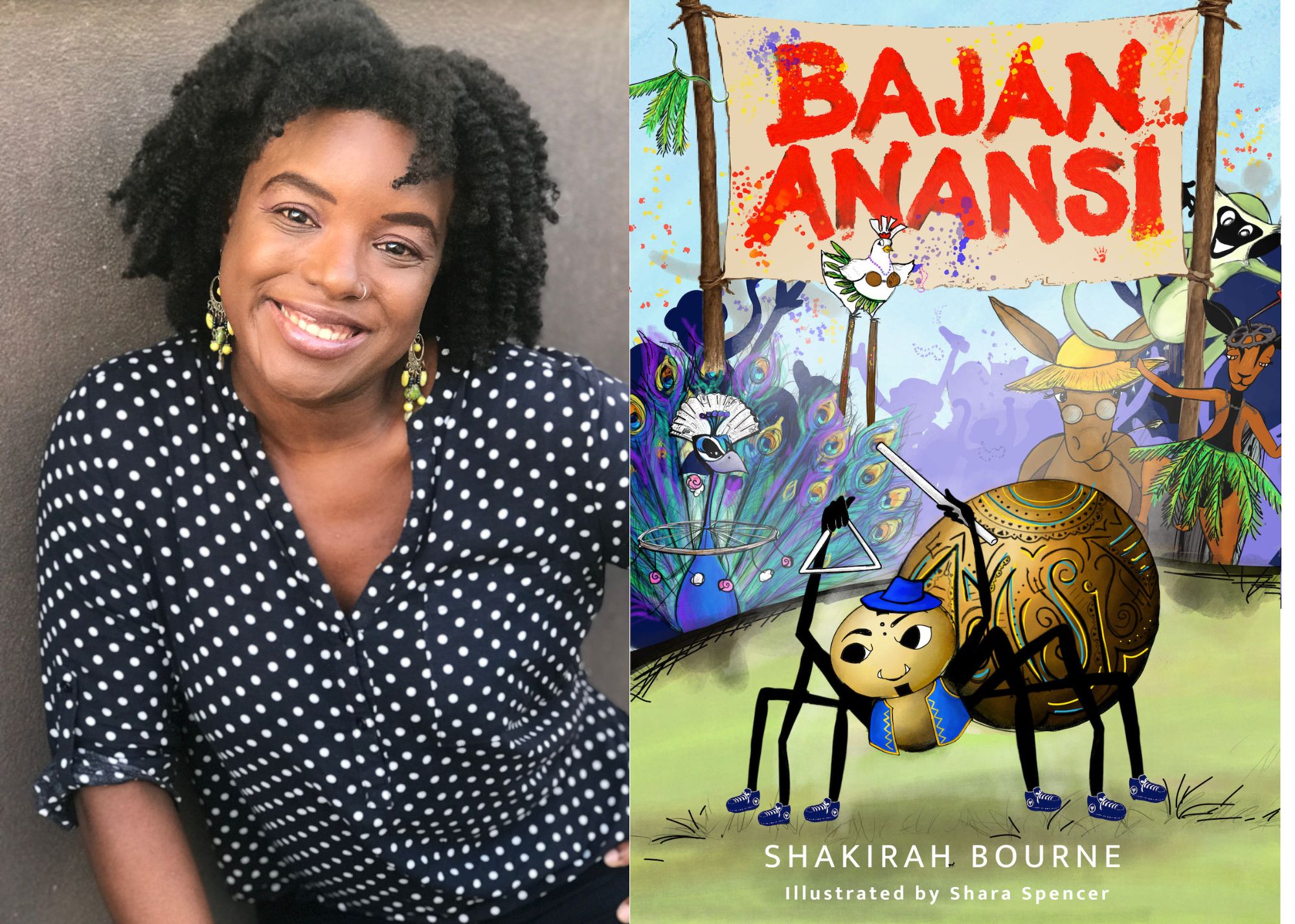
The National Cultural Foundation partners with author Shakirah Bourne to publish Bajan Anansi, a collection of West African-derived folktales for school libraries in Barbados. The initiative includes school visits and aims to preserve Barbadian oral heritage while connecting young readers with their African diaspora roots.

Stella Global Realty hosts an exclusive open house for a luxury hillside development in St Andrew, Jamaica, featuring on-site financial vetting and luxury car displays. The event aims to attract diaspora investors by offering a streamlined, high-trust buying experience.
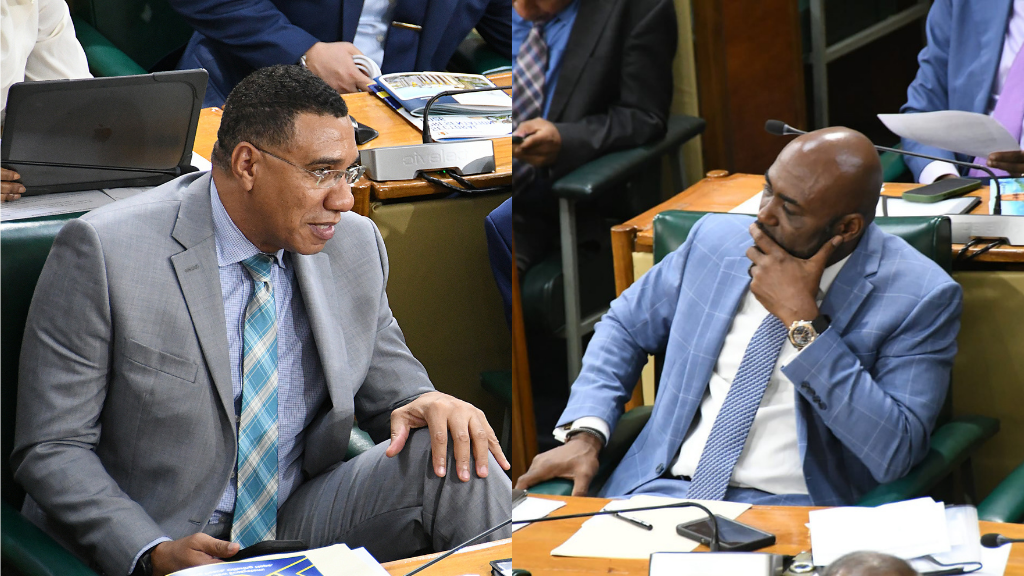
Jamaica's Prime Minister Andrew Holness will meet with Minister Andrew Wheatley following a troubling Integrity Commission report alleging illicit enrichment of $164 million. Wheatley denies the findings, while opposition leaders call for his removal from Cabinet.
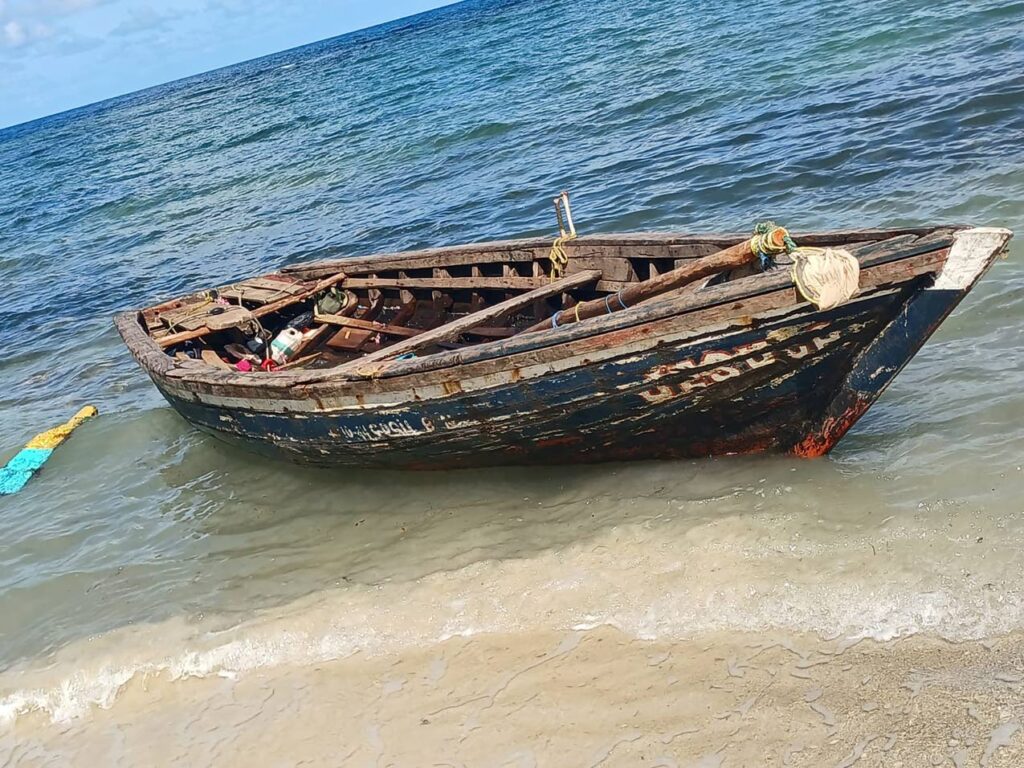
Seventeen Haitian nationals were taken into police custody after arriving in Portland, Jamaica. They are being processed for health and immigration checks.

A woman in Barbados has sued the government over severe health complications after receiving the AstraZeneca COVID-19 vaccine, alleging the product was defective. Her case underscores potential medical negligence and lack of government response.

Lauderhill officials will conduct a controlled burn-off of residual liquefied petroleum gas at a former plant site. The 24-hour operation is framed as a routine safety procedure, with community notifications delivered to nearby residents.

Sandals Resorts is investing $200 million in upgrades across three Jamaican properties, emphasizing Jamaican culture and cuisine. The story highlights new amenities and guest experiences without addressing economic disparities or labor conditions for local workers.

Jamaica's security minister announces that 25 non-Jamaican deportees from the U.S. may stay, but no more will be accepted. The deal is framed as a transitional mechanism, and officials stress these individuals are not criminals.

Jamaica's government clarified that the US initiated a Third Country Nationals transit deal, allowing up to 25 individuals every two weeks to pass through Jamaica. Officials emphasized the agreement is temporary, does not involve permanent settlement, and both parties can terminate it at any time.

The Jamaican government is promoting digital transformation to improve services for its diaspora, focusing on AI literacy and policy adjustments. Officials highlight efficiency and human capacity building as key to engaging Jamaicans abroad.

Barbados achieved record tourism arrivals, with the sector now contributing 45% of GDP. Tourism officials praised industry resilience and service excellence as key drivers of this economic success.

Arajet denies involvement in a child trafficking investigation in Chile involving Haitian minors. Chilean authorities suspect irregular travel patterns and lack of family ties among adults accompanying the children.

CARICOM's Eminent Persons Group has postponed a planned visit to Haiti, citing ongoing political consultations and instead engaging virtually with stakeholders. The decision reflects the persistent governance and security crises in Haiti, with no new date set for the visit.

The article covers the finalists for the Banks Party Monarch competition in Barbados, highlighting two artists who qualified in both Power Soca and Sweet Soca categories. It presents a routine entertainment news story focused on the event details and participants without addressing any social or economic context.
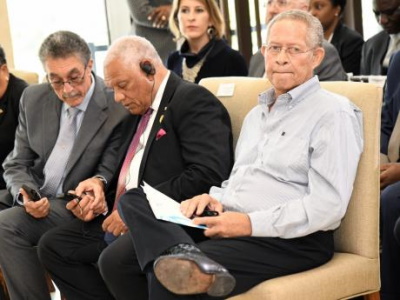
CARICOM's Eminent Persons Group plans a visit to Haiti to mediate the ongoing political and security crisis. UN Secretary-General Guterres criticizes international indifference while noting signs of progress in restoring state authority.

Barbadian artist Narii Vasquez is preparing to release her debut EP 'Locked In,' blending tropical pop, R&B, and dancehall. She discusses her artistic growth and versatility while rejecting comparisons to other stars in favor of her own identity.
Barbados' Acting Attorney General declares gun violence a public health crisis, shifting focus from punishment to root causes like poverty and inequality. He criticizes the U.S. for supplying guns and emphasizes prevention through community programs rather than stiffer penalties.
Dwight Rouse, a celebrated Barbadian basketball player and coach, has died at age 66 after a short illness. The article highlights his decades-long impact on local sports, from his playing career to his coaching legacy with the National Sports Council.
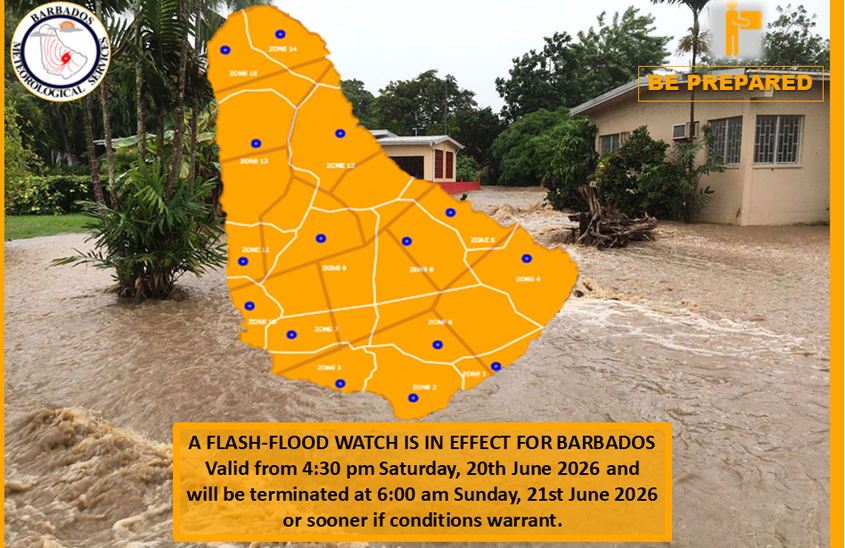
A flash flood watch has been issued for Barbados due to a tropical wave bringing heavy rainfall. Low-lying areas are at risk, with up to two inches of additional rain possible.

A Jamaican national in Barbados was fined and deported for multiple traffic violations, including speeding and using fraudulent plates. The story lists his penalties in detail, framing him as a criminal outsider deserving of removal.

A veterinarian and an animal welfare manager in Barbados offer tips for caring for pets and livestock during drought and heatwave. They emphasize providing shade, water, and proper hydration, noting that livestock are especially vulnerable.
Deputy Prime Minister Santia Bradshaw, a cancer survivor, advocates for Barbados to ensure access to brand-name cancer drugs, not just generics, citing concerns over side effects and quality. She argues that Barbadians deserve the same medications available globally, drawing on her personal experience with treatment limitations. The debate arises during discussion of a new medical products bill that would create a regulatory authority.

Ackelia Smith wins both long jump and triple jump titles at Jamaica's national championships, securing a spot for the Commonwealth Games. The story highlights her athletic prowess despite low participation numbers in the triple jump event.
Jamaica Customs will immediately release new motor vehicles from authorized dealers under an expanded Trade Facilitation Programme, shifting from mandatory physical verification to post-clearance audit. The change aims to reduce time, cost, and port congestion by treating these imports as low-risk.

The AUBYN Foundation supports Tasheka Salmon, an educator and community volunteer, in the Miss St Elizabeth Festival Queen Competition. The story highlights her academic achievements and service, framing her as a model of leadership and discipline.
A Trinidad and Tobago cocoa company is developing an AI tool to help Caribbean farmers improve yields and access financing amid global supply disruptions. The project aims to convert decades of research into practical applications for small-scale farmers, potentially expanding across the region.

Police in Jamaica warn the public about buying beef from unknown sources after eight cows were stolen and illegally slaughtered. The meat poses health risks because it lacked veterinary inspection, and authorities urge people to buy only from licensed vendors.

The Netherlands defeated Sweden 5-1 in a World Cup match in Houston, with Cody Gakpo and Brian Brobbey each scoring twice. The win puts the Dutch on the verge of advancing, while Sweden remains competitive despite the loss.
A dreadlocked man was found dead under a pear tree in Mandeville, Jamaica, after apparently falling while picking avocados on someone else's property. Police have not identified him and classified the death as misadventure.

The Central Bank of Barbados is prioritizing next week's salaries after a new instant payment system caused delays. The glitch stemmed from incorrectly formatted payroll files, and banks have been instructed to waive fees for affected employees.

Prime Minister Andrew Holness highlights Jamaica's record foreign exchange reserves, stable inflation, and improved credit ratings as signs of economic resilience. He frames these achievements as a strategic advantage for global capital access despite ongoing challenges like hurricanes and global disruptions. The story focuses on macroeconomic indicators without addressing how structural inequality or colonial debt burdens affect Black communities.

British actor Ben Bailey Smith travels to Jamaica for the Diaspora Conference, donating books and school supplies to hurricane-affected schools in St Elizabeth. The story highlights his personal journey of reconnecting with his heritage through community service.

The 11th Jamaica Diaspora Conference drew over 1,000 participants from 15 countries under the theme 'Diaspora Partnerships: Rebuilding a More Resilient Jamaica.' Chairman Earl Jarrett praised the diaspora as a movement for their philanthropy and response to Hurricane Melissa, emphasizing continued collaboration.

Jamaica has signed a non-binding memorandum of understanding to accept up to 10,000 non-national migrants deported from the US, as part of President Trump's mass deportation drive. Several Caribbean nations, including Antigua and Barbuda, Dominica, and Saint Lucia, have entered similar agreements under US visa pressure. Critics see the arrangement as an exploitative shift of migration responsibility onto smaller, less powerful nations.
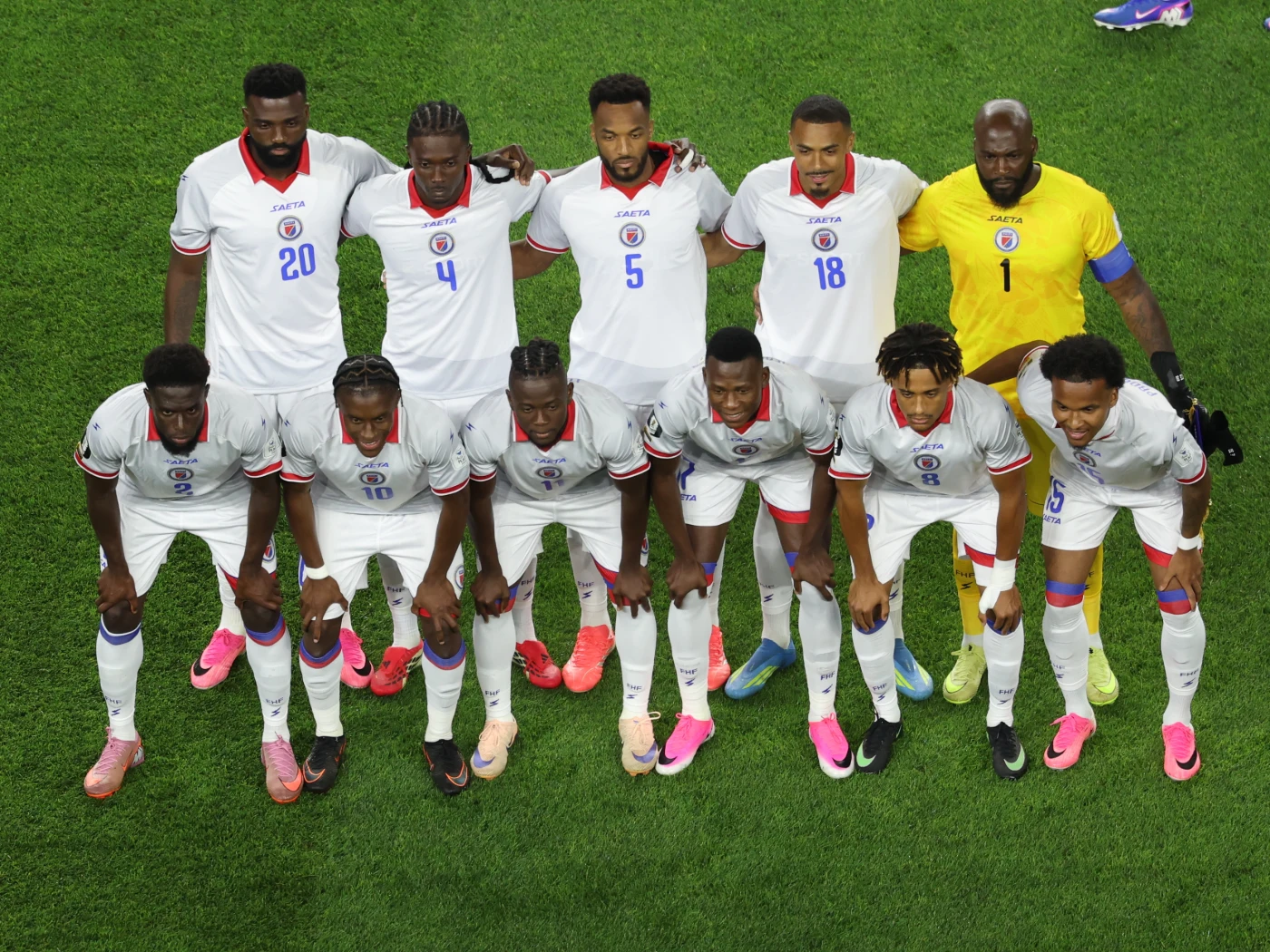
Haiti's head coach Sébastien Migné expresses pride in his team's World Cup participation, despite a loss to Scotland and political turmoil at home. The story highlights the deep meaning of the tournament for Haitians after 52 years away, focusing on determination and hope.

Curaçao faces Ecuador in a crucial World Cup group match after a heavy defeat to Germany. The article highlights the team's historic debut and need for defensive improvement to stay competitive.
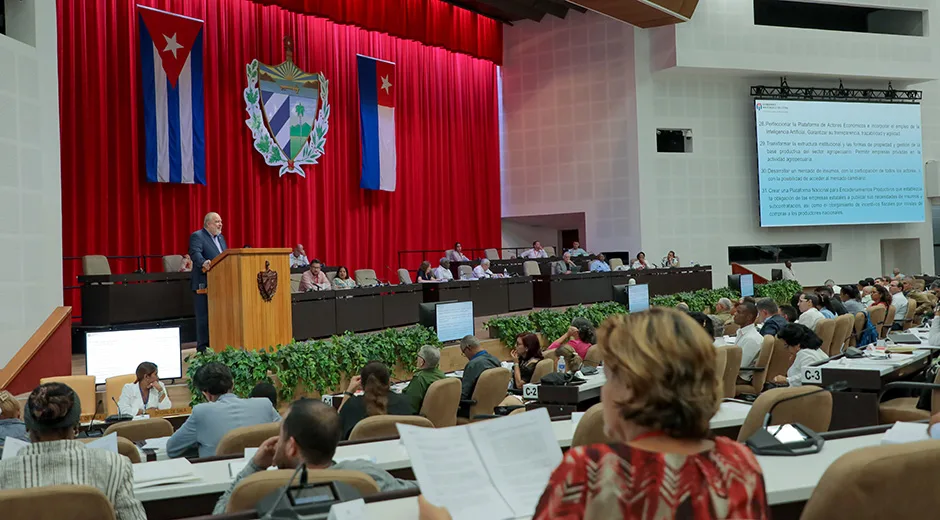
Cuba's National Assembly approved a sweeping package of economic and social reforms, deepening the role of private capital amid a severe crisis worsened by US sanctions. The story focuses on political debate and macroeconomic statistics, with no mention of how these changes specifically affect Black Cubans.
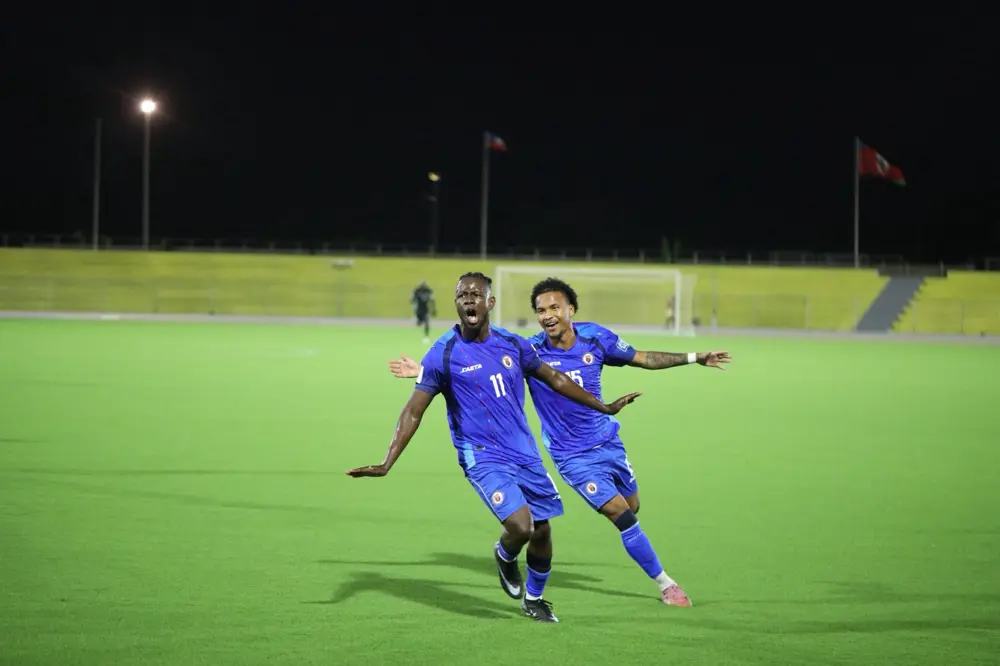
The article examines the relationship between Brazil and Haiti, highlighting how a 2004 'Peace Game' preceded Brazil's military occupation (MINUSTAH) that worsened Haiti's humanitarian crisis. It criticizes FIFA and football bodies for prioritizing economic and political interests over genuine passion, while praising Haitians for using the 2026 World Cup to celebrate their history and resilience.

Haiti faces a humanitarian crisis with armed groups controlling Port-au-Prince, displacing 1.4 million people, and half the population lacking adequate food. The UN's 2026 appeal for $880 million is critically underfunded, receiving only 24% in 2025, as global attention and funds go to other crises. UN officials warn that underfunding threatens lifesaving operations and risks broader regional instability.
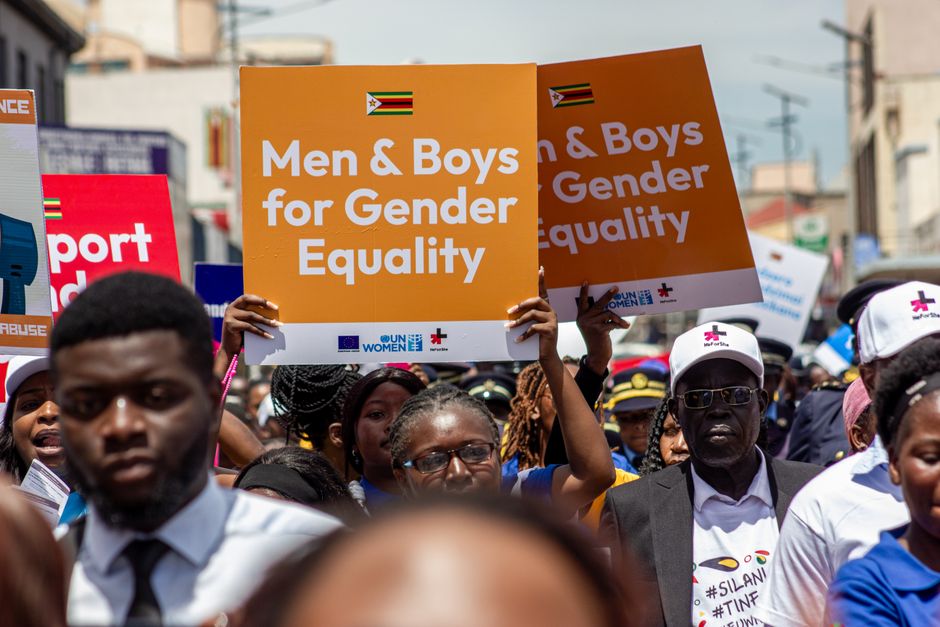
The article discusses UN Secretary-General António Guterres's visit to Haiti amid escalating gang violence. It highlights the international community's concern over the deteriorating security situation and the need for external intervention.
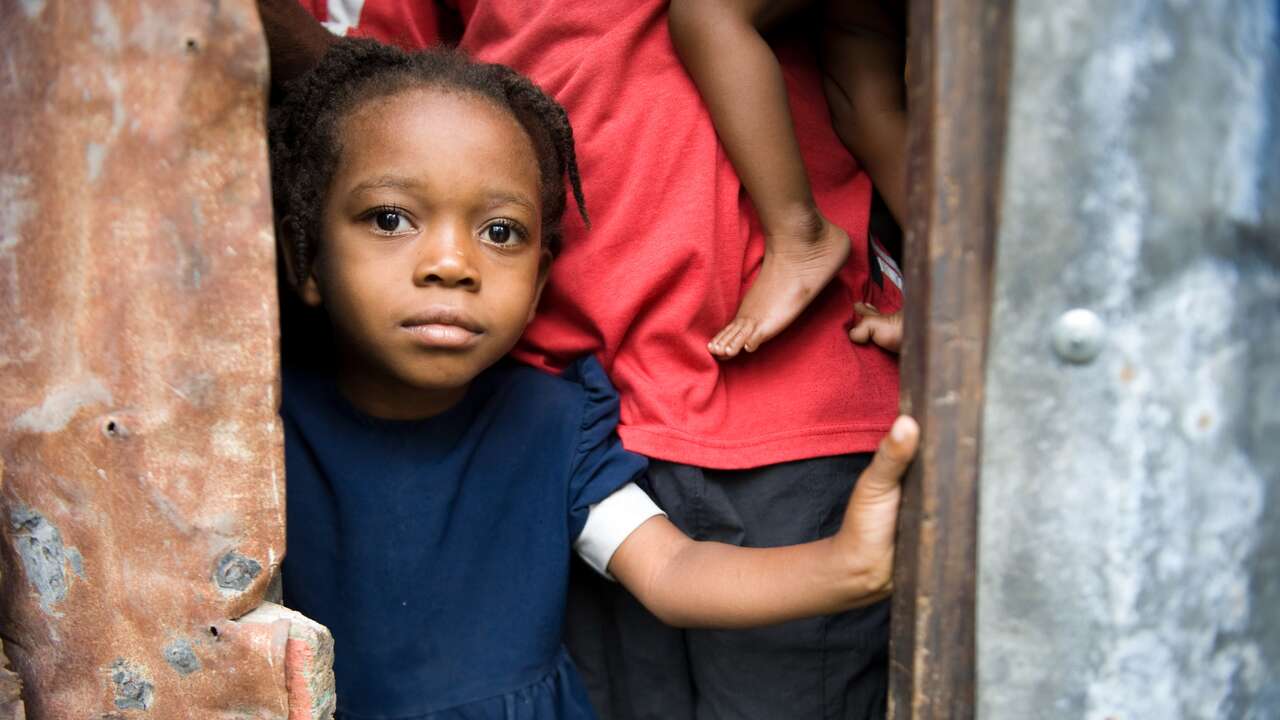
Haiti faces a severe humanitarian crisis driven by gang violence, political instability, and economic collapse. The IRC highlights risks like food insecurity, displacement, and weak governance, but the framing omits deeper colonial and debt-related causes.

The article reports the UN Secretary-General's warning about Haiti's escalating humanitarian crisis, driven by gang violence and food insecurity. It highlights the displacement of 1.5 million people and the urgent need for international assistance.

DiEM25 announces its support for The Repair Campaign, which seeks reparations for Caribbean nations affected by colonialism and slavery. The campaign amplifies Caribbean voices and works on structural projects for education, healthcare, land reform, and debt cancellation.

The article examines US military strikes on suspected drug boats in the Caribbean, which killed 61 people and escalated the war on drugs. It highlights the shift from multilateral cooperation to military force, with little accountability for the loss of Black lives in the region.

A U.S. military strike killed 11 Venezuelans on a suspected drug vessel near the Southern Caribbean, sparking alarm across the region. The incident raises questions about whether the action was legitimate drug enforcement or a geopolitical power play affecting Caribbean sovereignty.
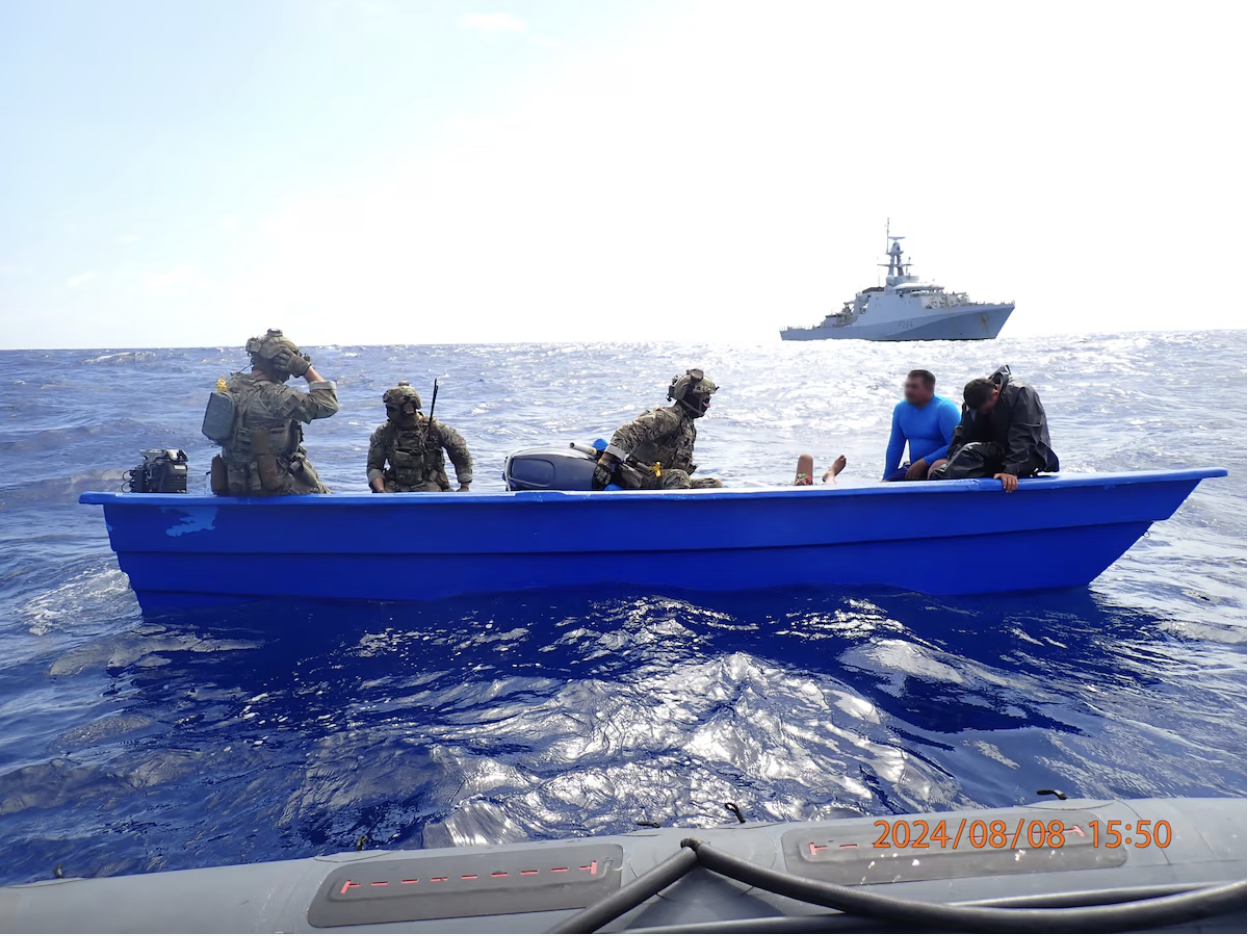
The article reports on U.S. military strikes against narco-trafficking vessels in the Caribbean, deepening a militarized drug war under the Trump administration. It links the crisis to Venezuela's economic collapse and questions the legality of using lethal force without congressional approval or public evidence.

The U.S. conducted airstrikes on suspected drug traffickers off Venezuela's coast, killing 17 people. The strikes escalate the War on Drugs without addressing underlying structural issues.

The article argues that Guyana's oil wealth must be used to improve education and youth labor force participation, citing low CSEC pass rates and high emigration. It warns that without a skilled workforce, the country's chance at sustainable development from oil extraction will be lost.

The article explores how colonial exploitation has shaped current economic unrest in the French Caribbean. It highlights systemic oppression and its lasting impact on local populations.
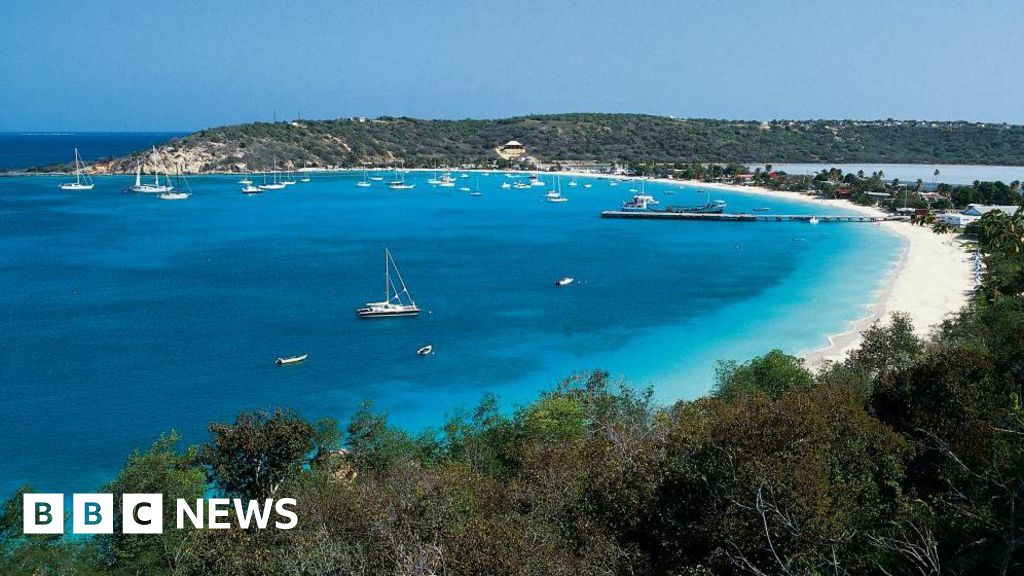
Anguilla, a British Overseas Territory, has seen a massive revenue boost from selling .ai domain names due to the AI boom. The island now earns nearly a quarter of its budget from these registrations, offering economic diversification beyond vulnerable tourism.

China's naval hospital ship Peace Ark visits Barbados for medical services and goodwill, while UK politicians reportedly aim to disrupt developing China-Barbados relations. The story highlights geopolitical tensions and China's soft power investment in the Caribbean.

Jamaica's Integrity Commission recommends charging MP Andrew Wheatley with illicit enrichment after finding JMD$164 million in unexplained assets. Wheatley, a government minister, denies the allegations, but the report highlights systemic issues of accountability in Jamaican politics.

Miramar, Florida is hosting a free World Cup watch party featuring Haiti vs. Brazil at a regional park amphitheater. The event celebrates Haitian culture and national pride, with Mayor Wayne Messam emphasizing community unity and resilience.

A Trinidad and Tobago police officer is among three people arrested in a US-led operation targeting a cocaine and firearms trafficking conspiracy. The DEA and local units collaborated, with US officials calling it a blow to public corruption and transnational crime.

Jamaican officials at the 11th Biennial Jamaica Diaspora Conference hailed the diaspora as a key national asset, emphasizing their role in remittances, investment, and global advocacy. The conference focuses on rebuilding a climate-resilient Jamaica through partnerships, with PM Holness highlighting crime reduction and infrastructure progress.

Jamaica is considering a U.S. proposal to accept non-Jamaican deportees, part of broader third-country migration agreements. The arrangement would be limited and case-by-case, but critics raise concerns about sovereignty and burden.

The article covers a session at the Jamaica Diaspora Conference where returnee entrepreneurs Levi Roots and Jewel Daniels Radford share insights on resilience, mentorship, and community uplift. The discussion emphasizes that true success involves creating opportunities for others, reflecting a spirit of collective growth.

Jalen Brunson, through his Second Round Foundation, supports Team Jamaica Bickle, which aids Jamaican and Caribbean student-athletes at the Penn Relays. His mother's Jamaican heritage highlights personal and cultural pride, emphasizing community investment over systemic critique.

Bermuda's House of Assembly passed amendments to the Electricity Act, with Minister Alexa Lightbourne stating the reforms prioritize affordability, reliability, and public interest. The changes aim to increase transparency and accountability in energy planning, addressing delays in renewable energy targets.

Caribbean Airlines will launch daily non-stop flights between Toronto and Georgetown starting July 1, aiming to boost connectivity for the Guyanese diaspora and support business, leisure, and family travel. The expanded service reflects growing demand on this route linking Guyana and Canada.

Shelly-Ann Fraser-Pryce urges the Jamaican diaspora to invest in families, communities, and support systems, not just in success stories. She emphasizes mentorship, education, and opportunities for retired athletes to contribute to national development.

Jamaica's Tourism Minister Edmund Bartlett urges the Jamaican diaspora to invest in national resilience, focusing on climate adaptation, tourism protection, and human capital development. He frames the diaspora as a key resource for building a stronger, more innovative Jamaica amid global challenges.

Caribbean Airlines will launch daily non-stop flights between Toronto and Georgetown starting July 1, 2026. The expansion aims to meet growing demand from business, leisure, and diaspora travelers, and to support Guyana's economic growth.
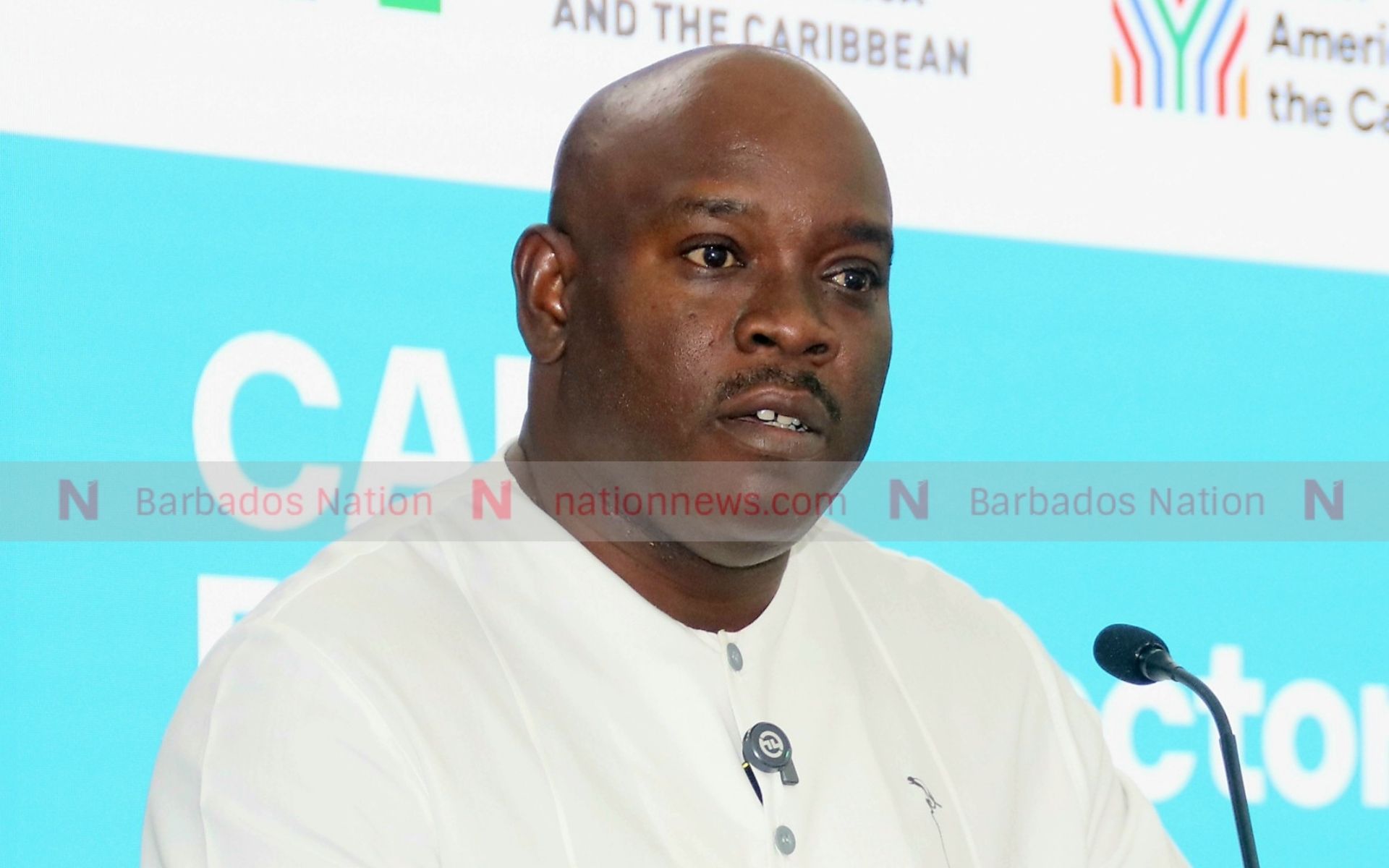
Barbados' finance minister urges the private sector to boost exports under BERT 3.0 to strengthen foreign exchange and retain wealth. The government emphasizes competitiveness and partnerships with CAF to unlock investment opportunities for Barbadians.
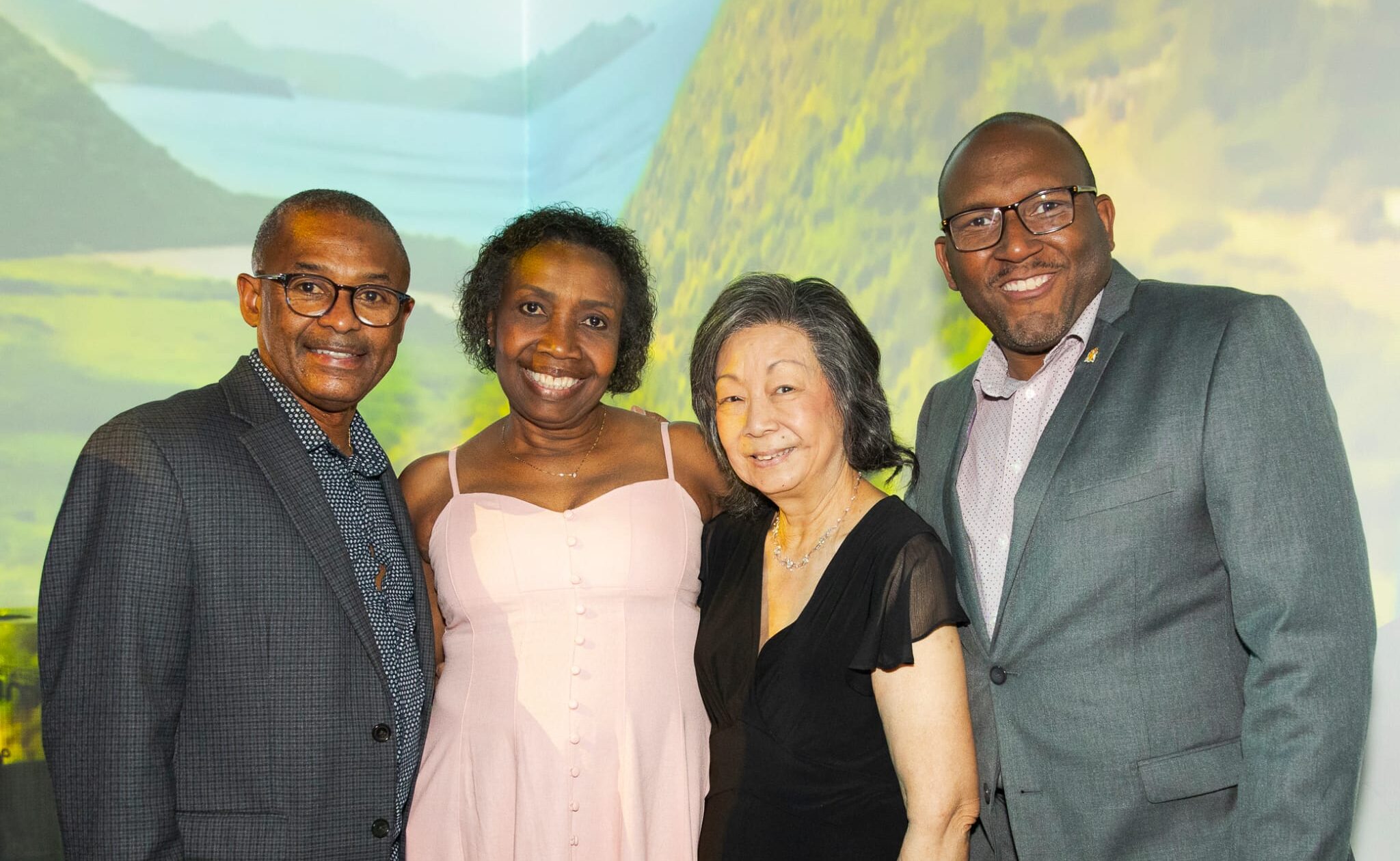
Two women who met in college nearly 50 years ago, one Barbadian, have gone viral for their enduring friendship and support through cancer treatment. Their story highlights their love for Barbados and has brought positive attention to the island's tourism.

Barbados minister Adrian Forde warns of young people abusing over-the-counter medications and prescription drugs, often mixed into a concoction called 'lean'. The new Barbados Medical Products Bill aims to regulate imports and sales, while a colleague highlights dangers from unregulated fade creams linked to a death in Jamaica.
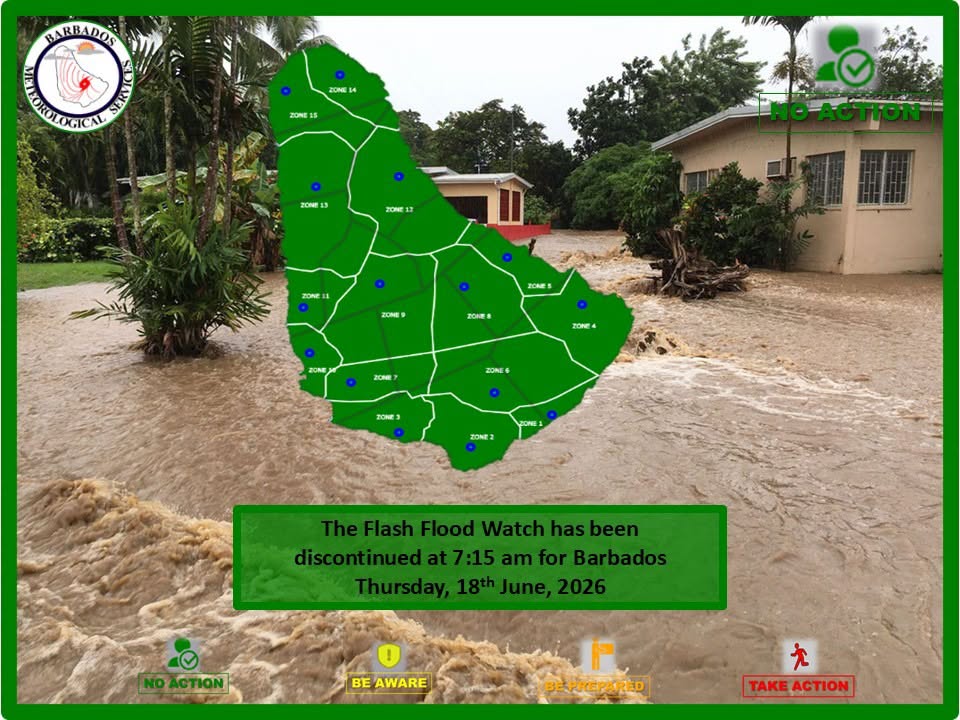
The Barbados Meteorological Services has lifted a flash flood watch for the island due to diminished flooding threat. The statement notes continued cloudiness and brief showers.
The Central Bank of Barbados governor details the costs of building BiMPay, a digital payment infrastructure connecting banks and credit unions. The report is technical and neutral, focusing on financial systems rather than social or racial implications.
A Barbados MP proposes that returning nationals pay for their own medications, arguing they never contributed to the national insurance system. The deputy prime minister resists the idea, focusing instead on improving healthcare delivery.

The Barbados Ministry of Health and Wellness announced a fogging schedule for mosquito control in several parishes. The notice lists specific districts and instructions for residents, emphasizing operational details without addressing broader health disparities.

Barbados's Ministry of Health reported two possible scarlet fever cases at a St Michael primary school, with the Chief Medical Officer urging calm. The story focuses on official response and disease facts, framing the incident as routine rather than alarming.
The Jamaica Observer reports on a dispute between Dr. Andrew Wheatley and the Integrity Commission over a $164-million shortfall in lawful income versus expenditures. Wheatley claims legitimate rental income and business loan repayments were ignored, while the Commission says verified sources have already been credited. The analysis highlights gaps in evidence and differing interpretations of financial transactions.
Opposition MP Dr Kenneth Russell criticizes the appointment of losing JLP candidates to senior roles in the Social Development Commission, warning it undermines community trust. He calls for a review of the outdated 1958 Jamaica Social Welfare Commission Act and urges non-partisan staffing.
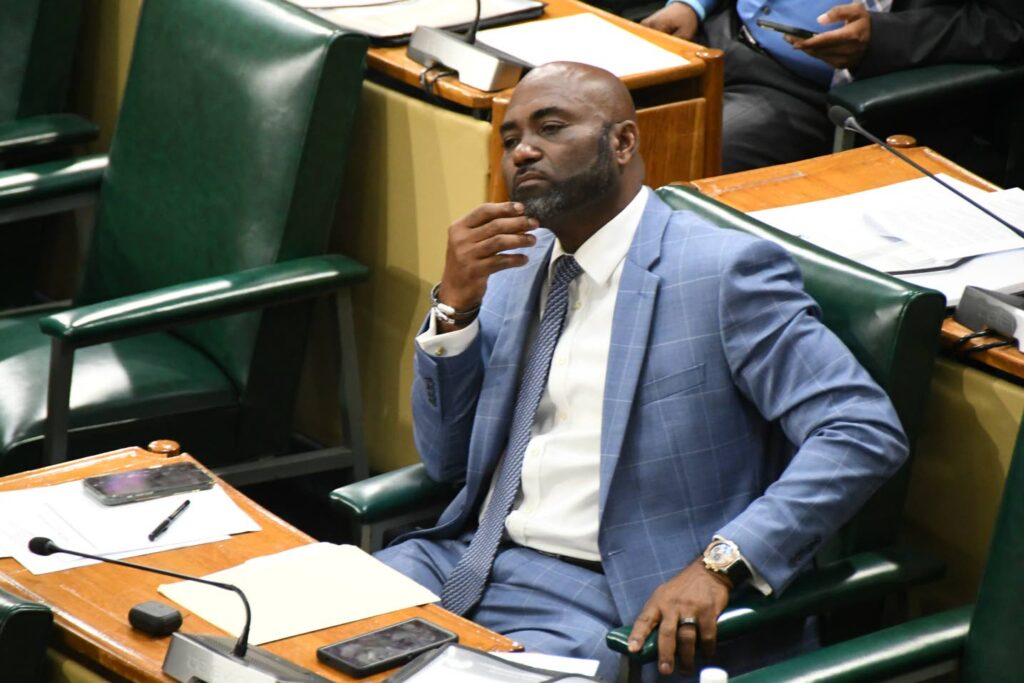
The Integrity Commission recommends charges against MP Andrew Wheatley for illicit enrichment, which he denies. The case highlights tensions over accountability in Jamaica's political system.
The Jamaican House of Representatives descended into chaos during a session about a memorandum of understanding with the United States to accept third-country nationals. Speaker Juliet Holness struggled to maintain order as opposition MPs repeatedly questioned the deal, leading Prime Minister Andrew Holness to call one opposition member a bully.
Opposition MP Kenneth Russell accuses the Jamaican government of abandoning rural development, citing stark disparities in poverty, water access, and internet connectivity between rural and urban areas. He argues that rural Jamaica suffers from systematic neglect, with children and adolescents disproportionately living in poverty.
A Barbados utility and government work together to limit fuel price increases for consumers stemming from US-Iran tensions. The managing director explains strategic hedging and a government subsidy cushioned the impact, while promoting renewable energy as a long-term solution.

Twisted Entertainment launches Tipsy Next Up, a music competition for emerging Barbadian artists, offering cash prizes, performance slots, and production support. The initiative aims to bridge the gap between local talent and mainstream opportunities, with public voting and a live finale.

Saint Lucia's tourism authority has partnered with Arsenal FC to promote the island as a luxury destination, leveraging the club's global fanbase. The deal includes an academy hub to develop local youth talent. The story emphasizes shared values of social responsibility and economic growth.
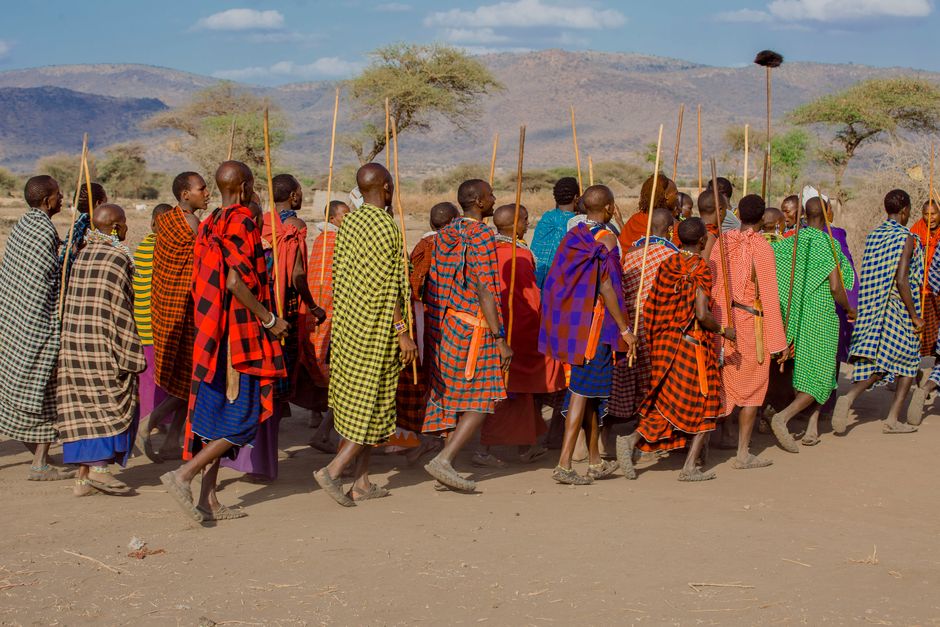
Jamaica is betting on its creative economy, which already contributes five percent of GDP, through new policies and institutions to support cultural practitioners. Athlete Shelly-Anne Fraser-Pryce calls for more corporate investment to ensure equity and ownership for sports professionals.
Prime Minister Andrew Holness calls on the Jamaican diaspora to support a cultural revolution focused on efficiency and productivity, moving away from a victim mentality. He highlights the country's resilience after Hurricane Melissa and the tourism industry's significant contribution to the economy.
Afreximbank is advancing a proposal to establish a Caricom EXIM Bank to improve development financing access across the Caribbean. The bank has increased its investment envelope for the region to US$5 billion and approved nearly US$700 million in credit facilities since 2023.

The body of 12-year-old Christal McLean, missing since June 12, was found in the Rio Grande river in Portland, Jamaica. An autopsy will determine the cause of death.

The article reports that gang violence in Haiti has displaced 1.5 million people, with the UN warning of a deepening humanitarian emergency. The coverage focuses on the scale of displacement but omits historical and structural causes such as colonial debt and foreign interference.
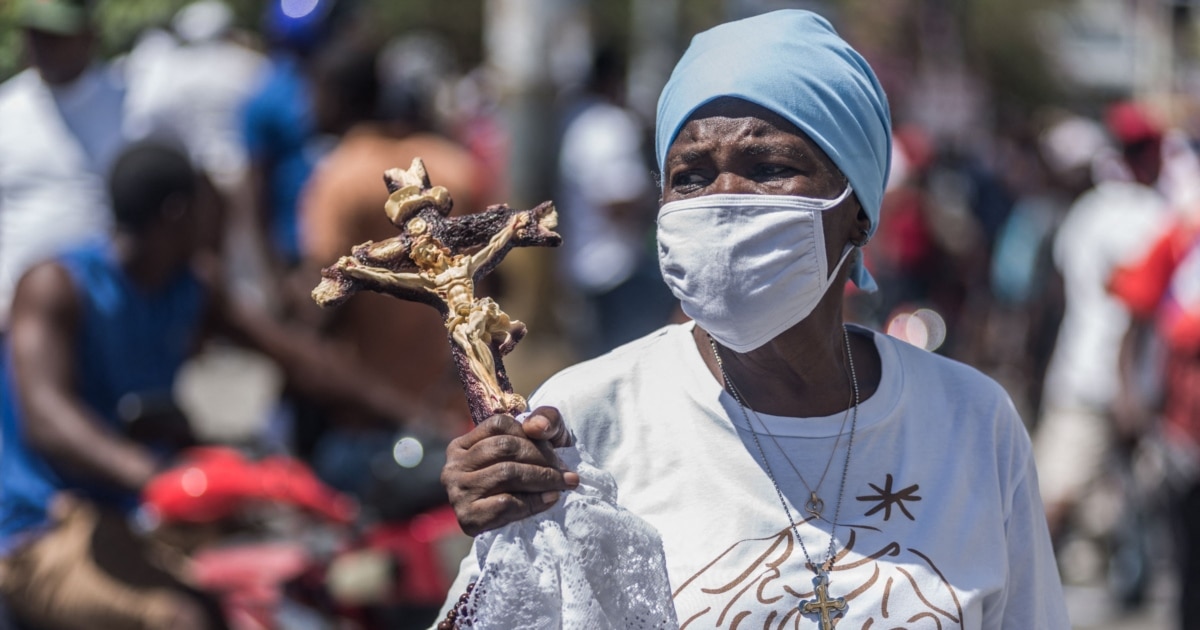
Thousands of Haitians flee their homes in Port-au-Prince due to escalating gang violence and kidnappings, seeking shelter in overcrowded gymnasiums. The article highlights the dire humanitarian conditions but omits the historical roots of Haiti's instability linked to colonial exploitation and foreign debt.
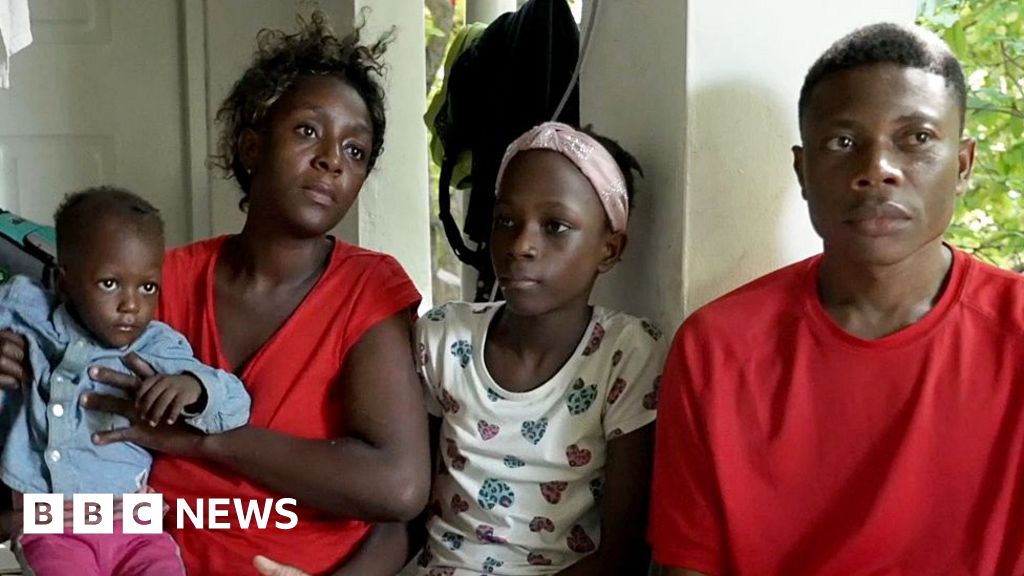
The BBC reports on Haiti's escalating gang violence and humanitarian crisis, highlighting a child suffering from malnutrition and a hospital under fire. Kenyan-led UN forces patrol the capital but face intense gang attacks, while the root causes of instability remain underexplored.

The article about beachcombing along the Caribbean drug trail in Nicaragua is inaccessible due to a site block. No analysis of Black communities or structural inequality can be derived from the content.

The CARICOM Reparations Commission advocates for reparations from former colonial powers for crimes against humanity including slavery and native genocide. It highlights ongoing struggles for justice and promotes reflection on historical impacts and present inequalities.
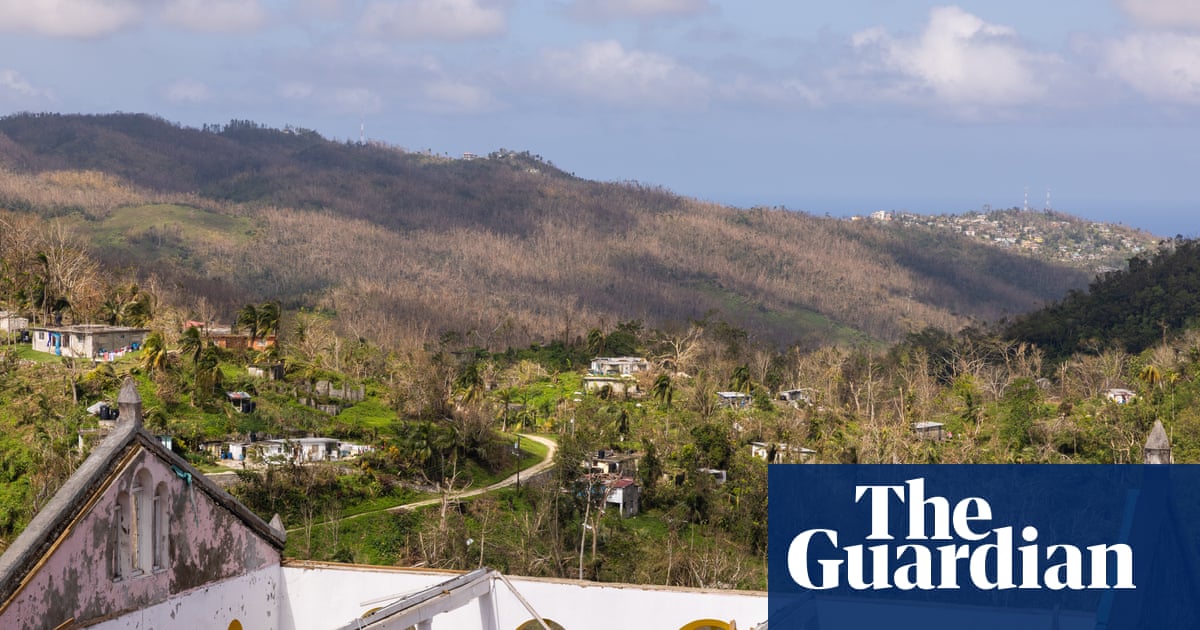
The article reports on Hurricane Melissa's devastation in Jamaica, linking the disproportionate impact on Black communities to historical colonialism and ongoing environmental injustice. Campaigners argue that climate justice requires reparatory justice, as the same systems that enriched the Global North created today's vulnerabilities.
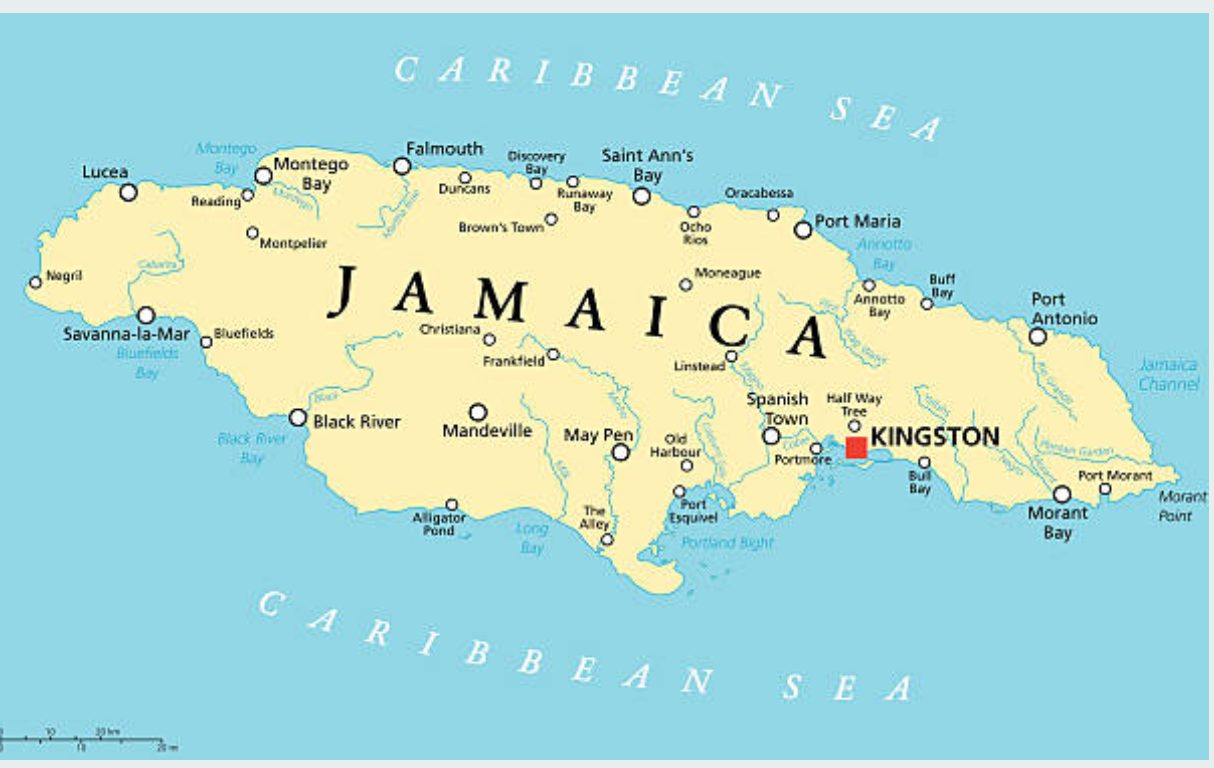
The article examines the growing movement for reparations in Jamaica, linking contemporary socioeconomic disparities to the brutal legacy of slavery and colonialism. It outlines the CARICOM Reparations Commission's 10-point plan and argues that reparations are a practical investment in national healing and development.
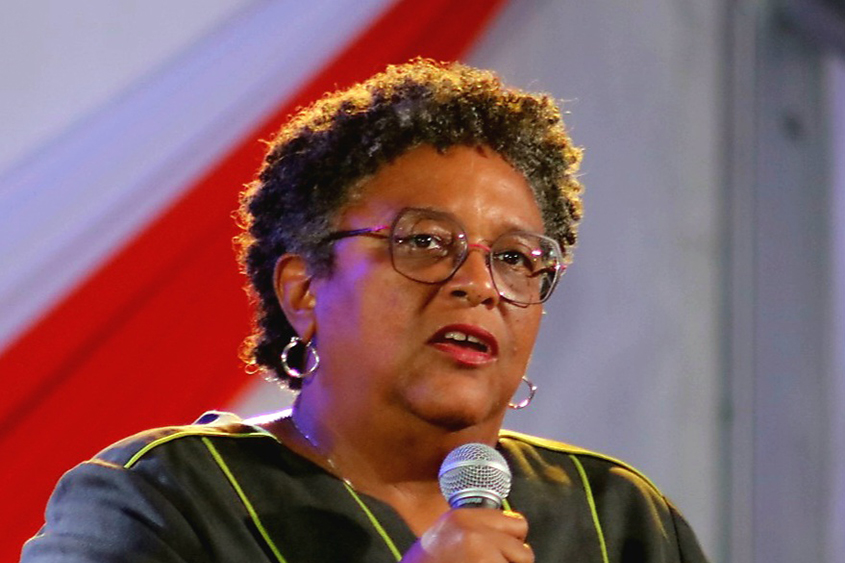
Prime Minister Mia Amor Mottley will launch the Pearly App, a mobile platform for citizens to report public service issues like potholes and water outages. Developed by local company Touchstar, the app aims to improve government accountability and efficiency in Barbados.
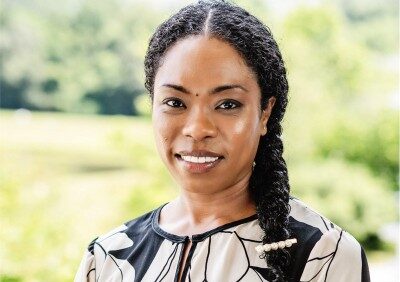
Amid a scarlet fever case at a Barbados primary school, virologist Dr. Camille Lange urges caution and transparency, noting parents feel their concerns are minimized. The story highlights a gap between official communication and community lived experience in a Black-majority nation.

Three Jamaican nationals are among 19 people charged in a US drug trafficking crackdown across Maryland and West Virginia. Authorities allege they led or participated in two drug rings distributing cocaine, fentanyl, and methamphetamine.

Reggae artist Jahfrican releases a new EP 'Coming Back Home,' blending reggae and Afro-fusion. The project represents a creative rebirth and cross-cultural bridge between Jamaica and Africa, emphasizing themes of love, loss, and legacy.

Daryll Jordan Secondary School in Barbados remains closed after a fire in St Lucy. Students scheduled for Caribbean Secondary Education Certificate exams are directed to take them at Alexandra School instead.

Barbados' new tent Rhythms Of Legacy opened with young calypso and soca performers addressing crime and violence through social commentary. The show highlights local talent and community concerns.

West Indies fast bowler Shamar Joseph will miss the final ODI against Sri Lanka due to personal reasons, but is expected back for the T20 series. The article reports this as a routine sports update without negative framing.
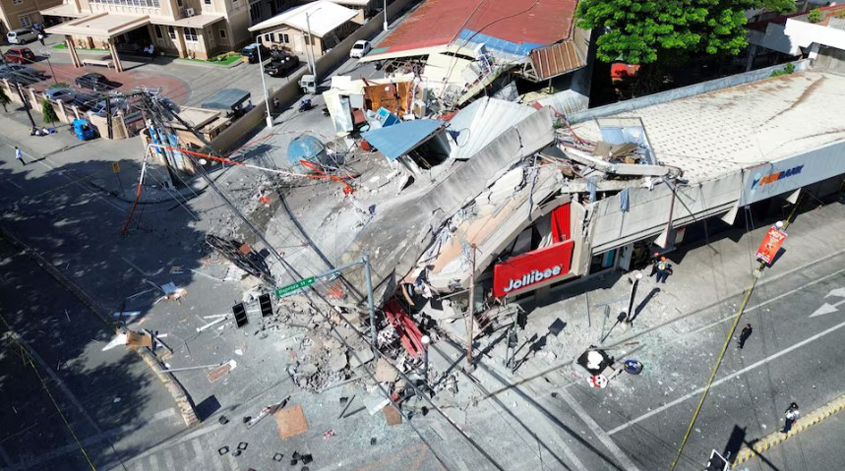
A magnitude-7.8 earthquake killed at least 32 people in the southern Philippines, with Mindanao island hit hardest. Officials report injuries, missing persons, and pre-emptive evacuations, while videos show building collapses and landslides.
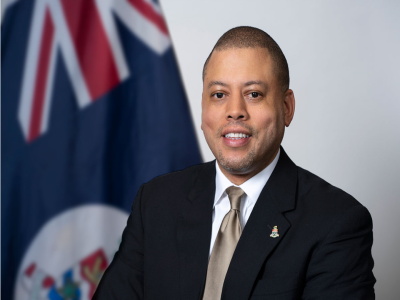
The Cayman Islands government introduces legislation to restrict licenses for foreign-owned businesses in key sectors like real estate. Officials frame the move as protecting local entrepreneurs and updating outdated economic laws.
A UNICEF study reveals that Barbados youth have low awareness of green economy opportunities despite the country's climate leadership. The gap suggests young Black Barbadians are not benefiting from the emerging sector.
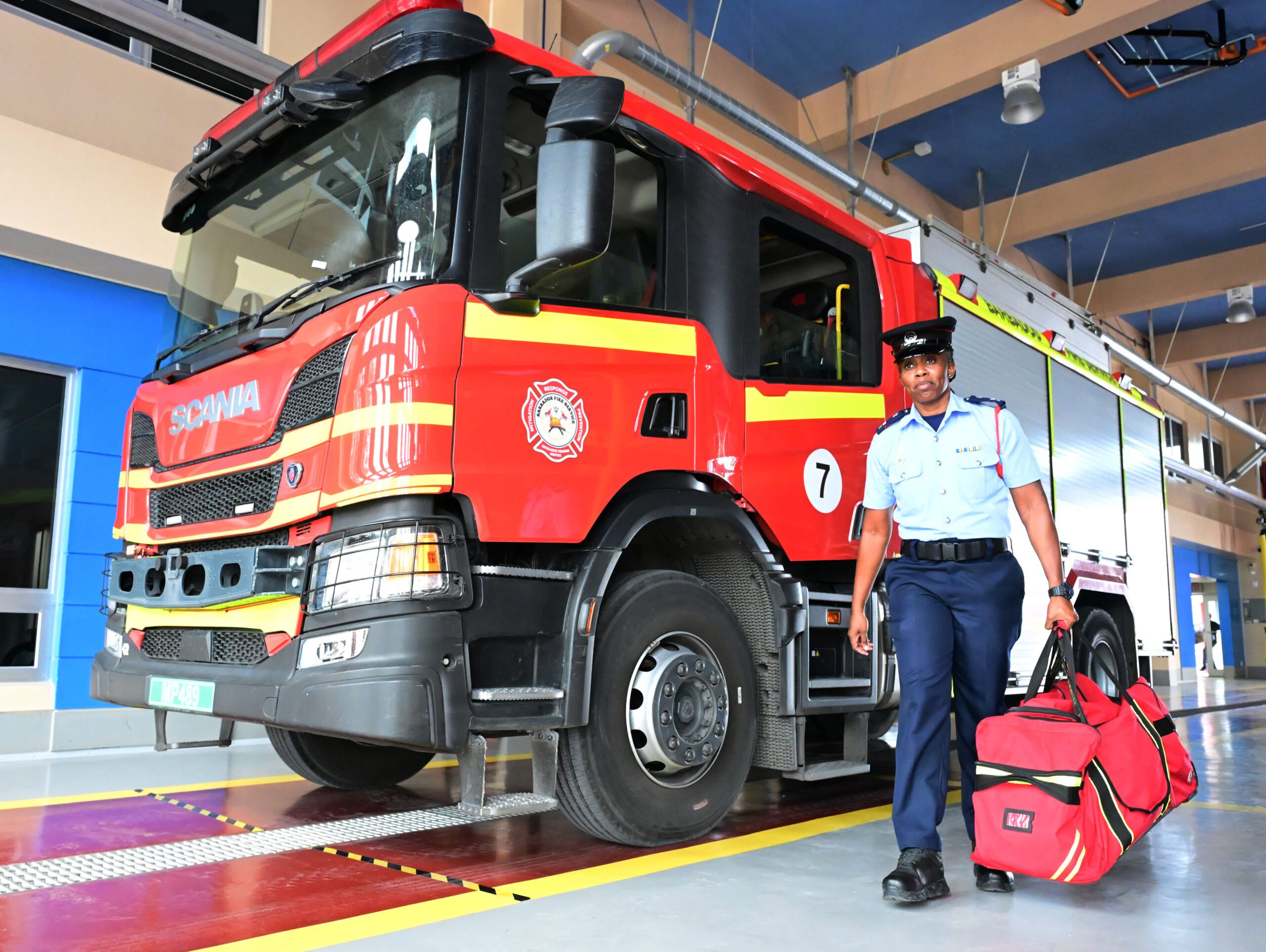
The article profiles Reshelle Griffith, a Black Barbadian firefighter who rose from childhood fascination to become an award-winning leading fire officer. It highlights her dedication, community service, and career achievements without addressing broader racial or structural challenges.
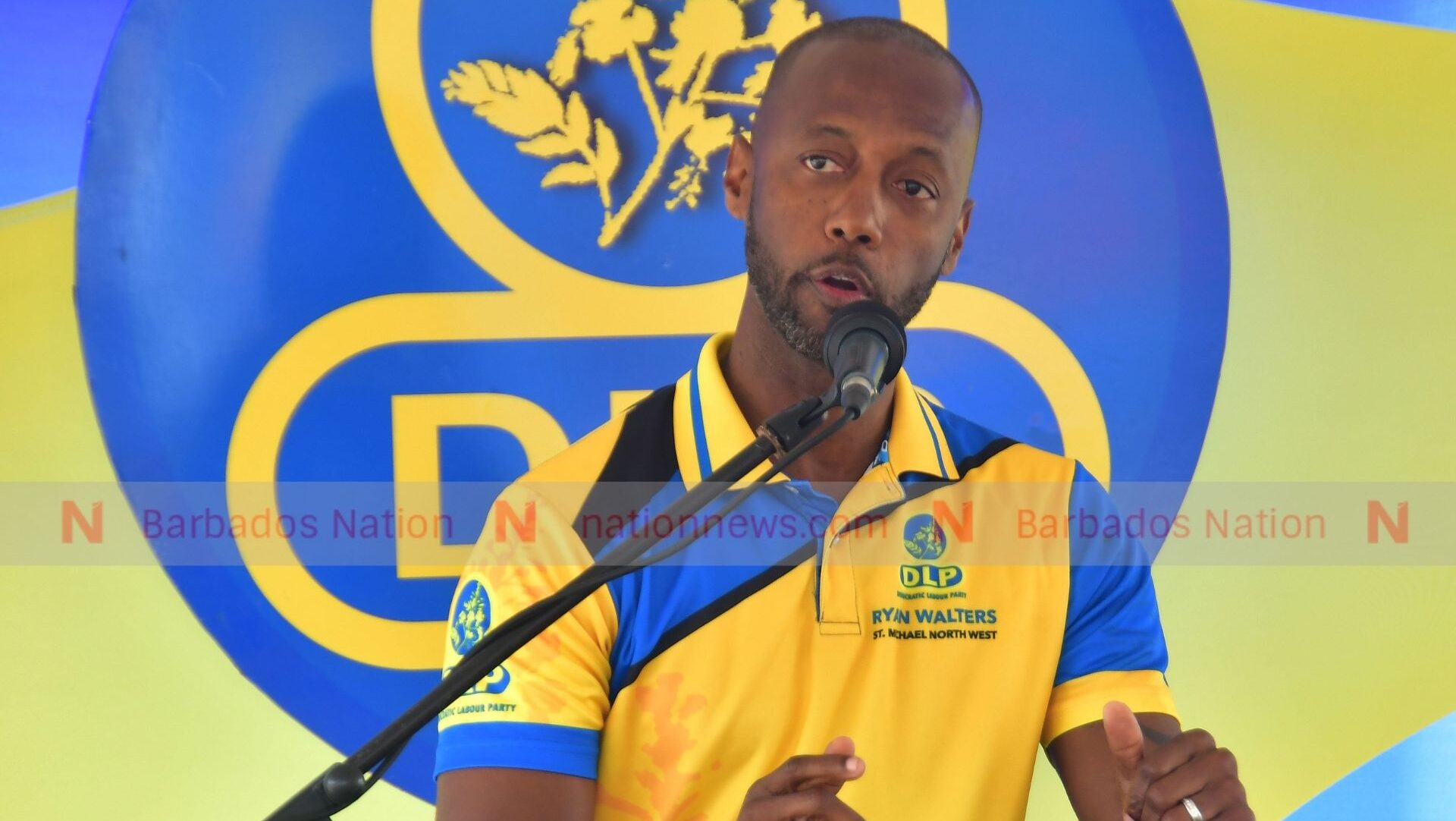
Opposition Senator Ryan Walters supports a new anti-gang bill but stresses the need to target financiers, not just street-level youth, and calls for more resources for police and better social program transparency. He argues that without addressing economic opportunities and dismantling criminal networks, legislation alone will fail.
Doctors and patients in Barbados are calling for new laws to allow kidney donations, citing 400 dialysis patients and rising non-communicable diseases. The story focuses on legislative needs rather than the structural inequalities driving the health crisis.
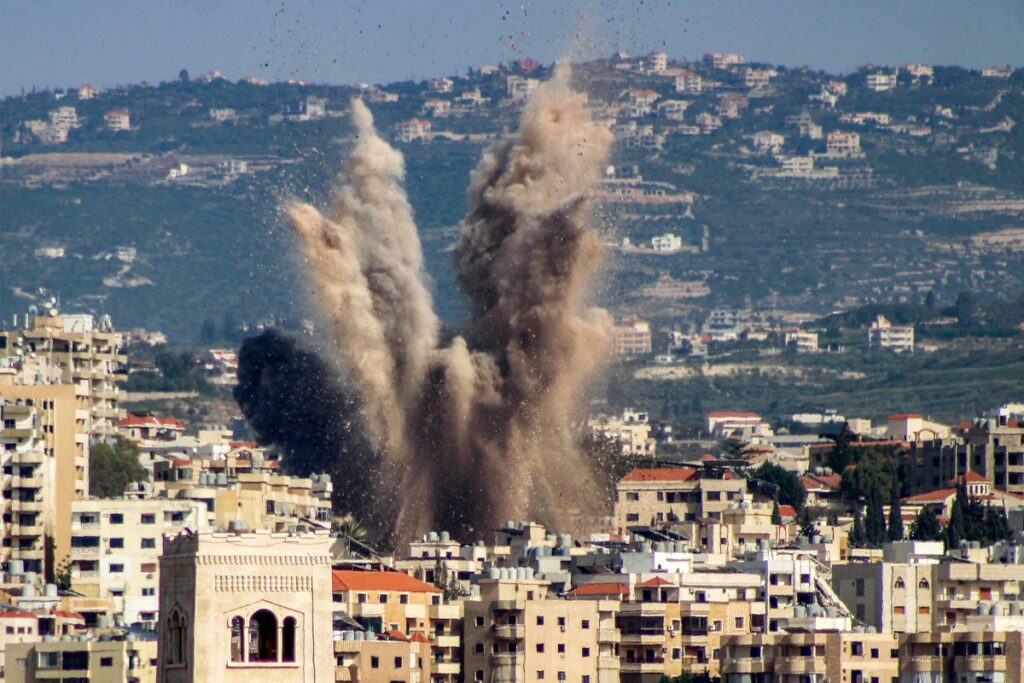
Israel's military reported that Iran fired nearly 30 ballistic missiles since Sunday, and Israel struck a petrochemical complex in Iran in retaliation. The exchange is the first since a truce in April, with ongoing discussions between Israeli and US military leaders.
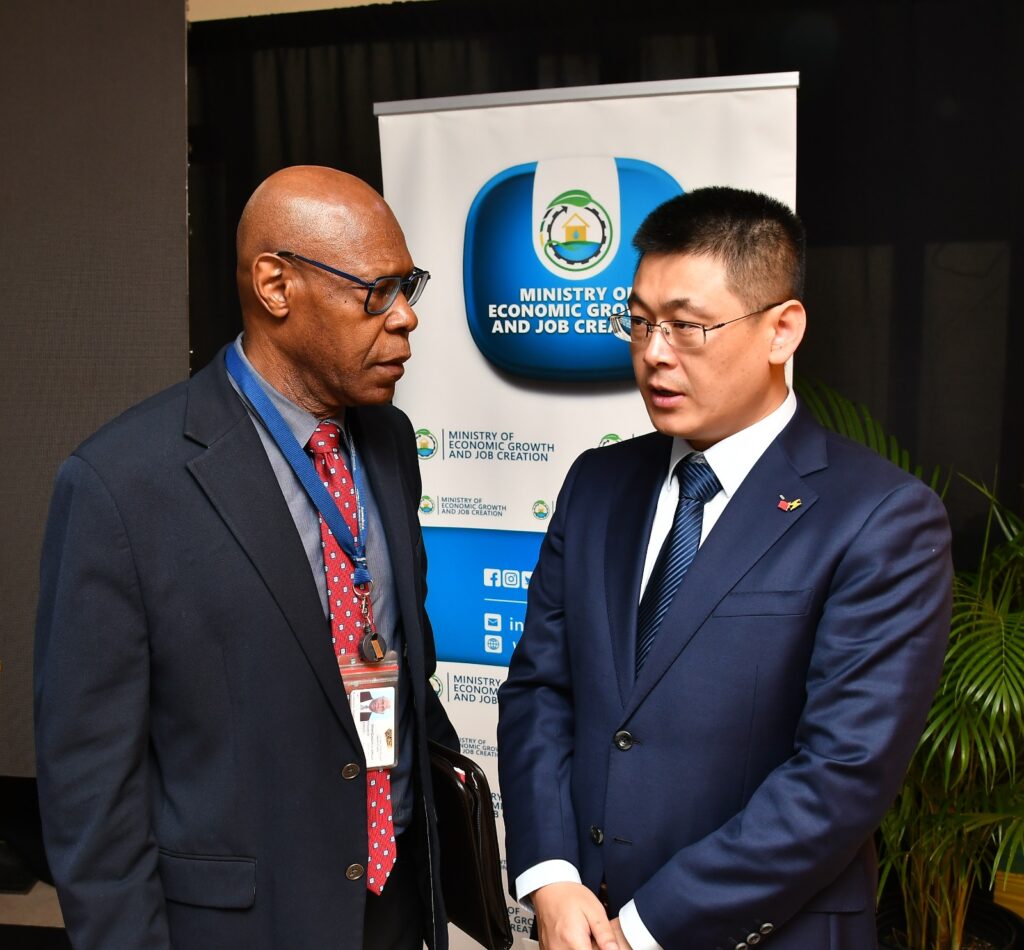
Jamaica's National Works Agency is hiring a new CEO amid public outcry over poor road conditions and slow repairs. The search occurs as the government pushes for a unified road authority to address mounting complaints.
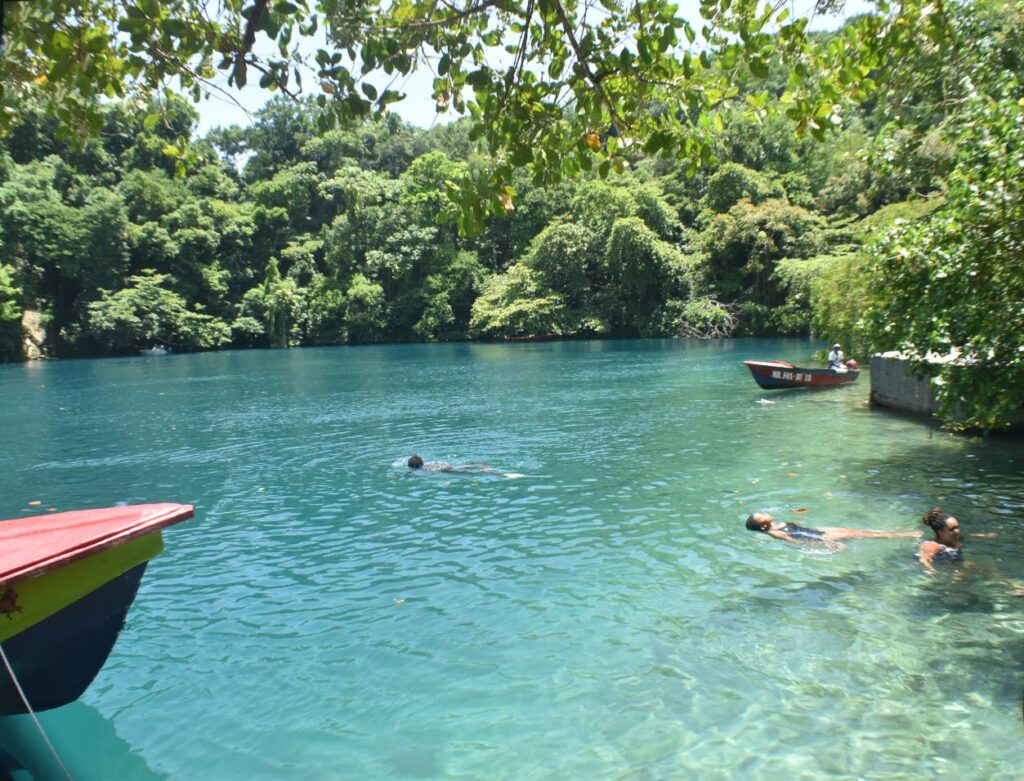
A video posted on social media refutes claims that Jamaicans are denied access to the Blue Lagoon in Portland. The video shows locals enjoying the attraction, though advocates raise concerns about parking and informal control.
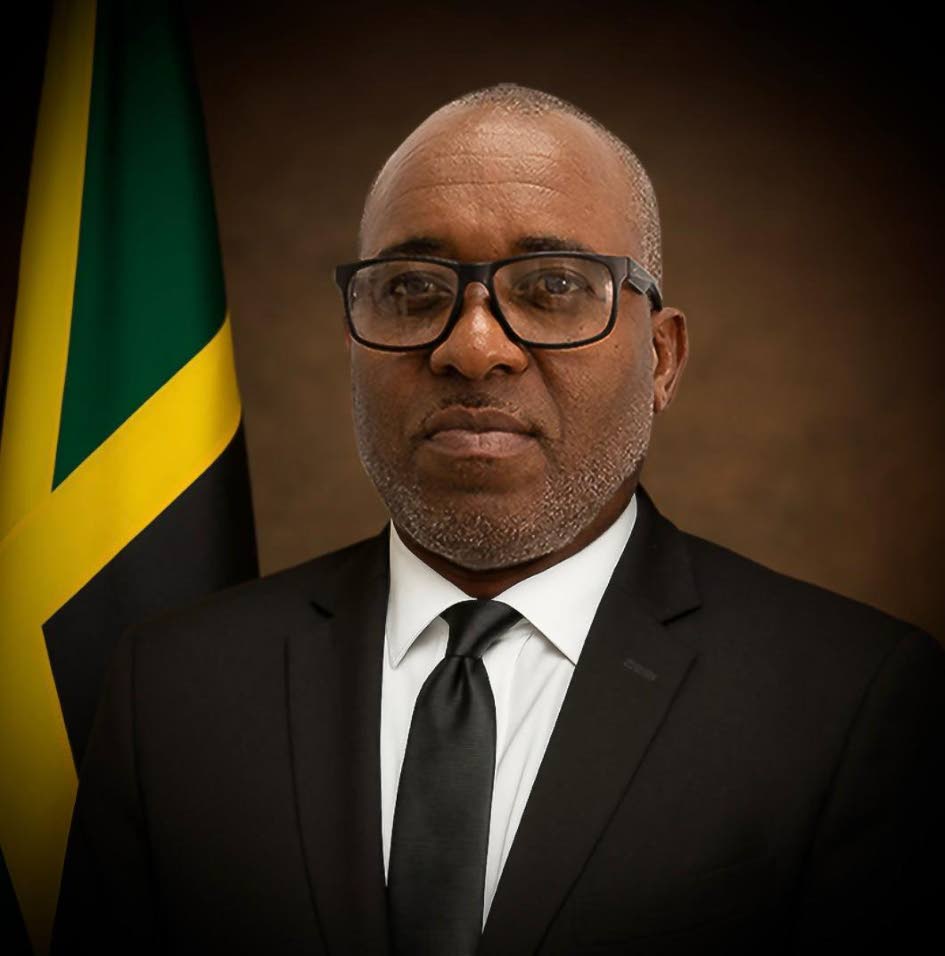
Integrated Diaspora Services (IDS) appoints Peter Gracey to expand services for Jamaicans abroad, addressing trust and bureaucratic challenges in investing in Jamaica. The company reports a 50% increase in demand and leverages technology to streamline real estate and business transactions for the diaspora.
Prod.LoudSpeakr is releasing the 1876 Riddim compilation on June 26, featuring emerging artists from Jamaica and Nigeria. The project was inspired by other rhythm compilations and built through a social media challenge to discover new talent.
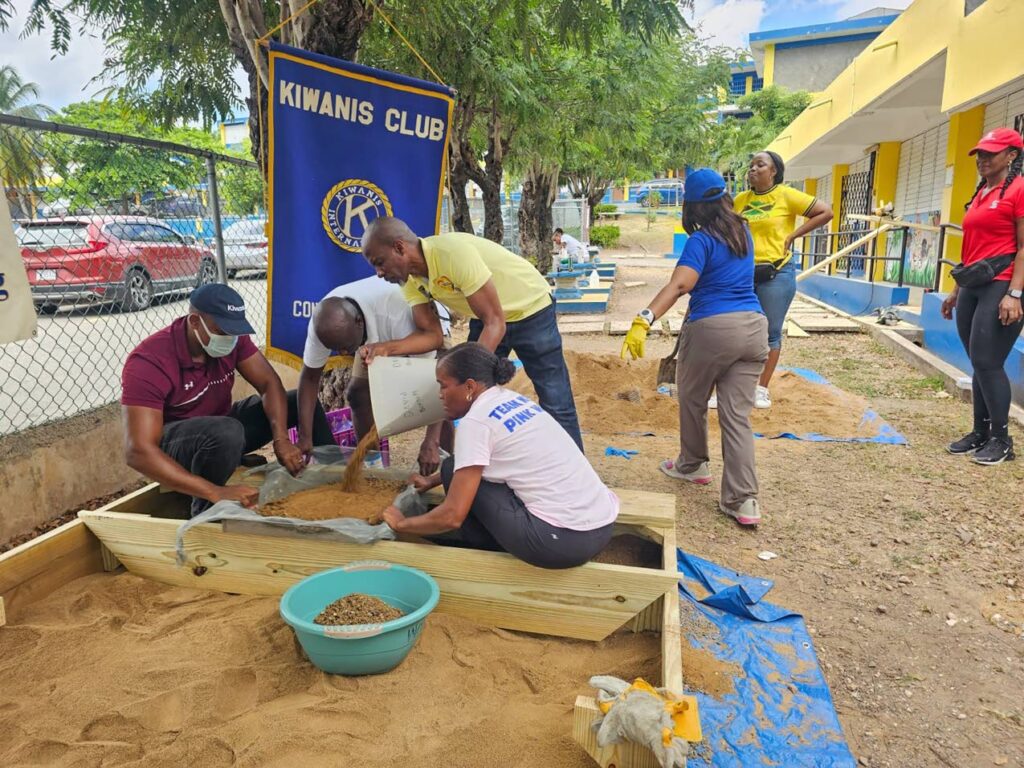
Kiwanis clubs and students planted fruit trees and installed irrigation at Tarrant Primary School in Jamaica for Labour Day. The project involved local community members and emphasized environmental and educational collaboration.

Hannah Collings-Myers, a 20-year-old UWI student, was crowned the first Miss Universe Jamaica Kingston & St Andrew. She and her runners-up advance to the national finals, showcasing local talent and pageantry.

This address delivered at African Liberation Day in Barbados centers Haiti and Cuba as key fronts in the Pan African struggle against imperialism. It highlights historical Caribbean resistance, the significance of Malcolm X's Caribbean roots, and the ongoing fight for sovereignty and unity.
The article discusses the deployment of the USS Intrepid and other U.S. naval assets to the Dominican Republic after Trujillo's assassination, illustrating U.S. imperialism in the Caribbean. It features Pedro Mir's poem as a testament to Caribbean resistance against such domination, with contemporary relevance to the USS Nimitz's pressure on Cuba.

The CDB report highlights persistent youth unemployment across the Caribbean despite a broader labor market recovery. The framing focuses on numbers and labor market indicators without connecting the issue to systemic inequality or colonial legacies.
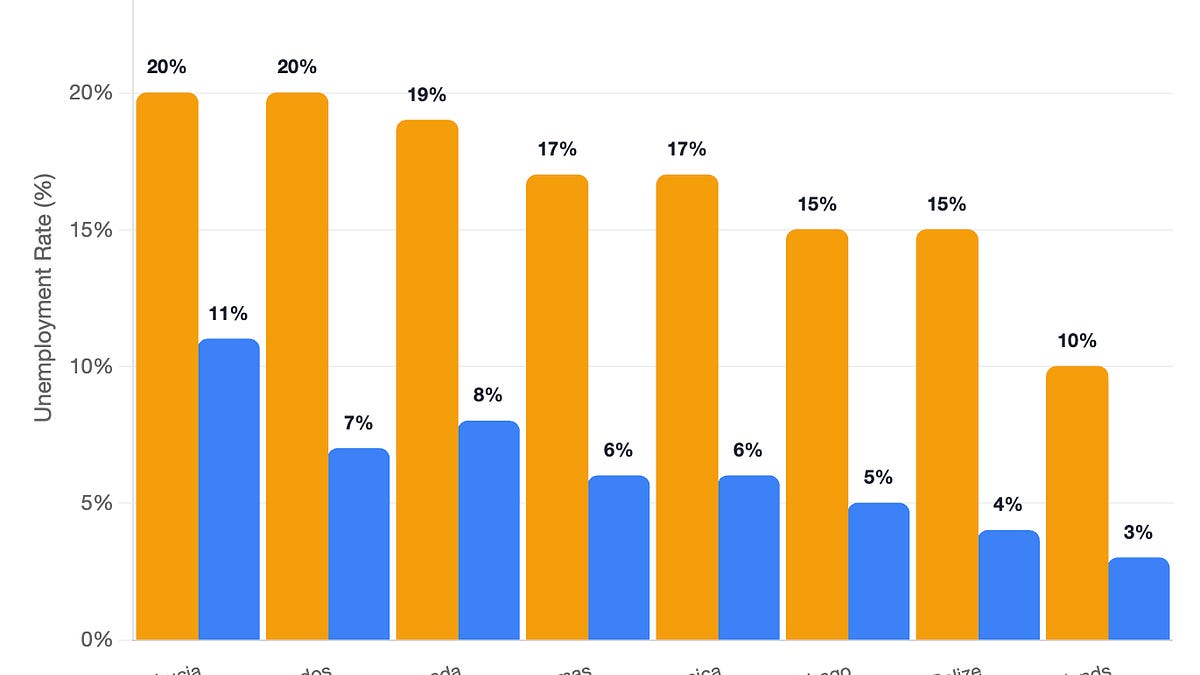
Youth unemployment in the Caribbean remains stubbornly high, with rates around 20% in some nations despite overall economic recovery. The article presents these disparities as data, without discussing the historical or racial factors behind them.

The article discusses the high youth unemployment rates in the Caribbean, particularly in Jamaica, Trinidad and Tobago, and Guyana, which hover around 30%. It frames this as a brain drain crisis where skilled young people emigrate due to lack of opportunities.

Prime Minister Andrew Holness and the judiciary pay tribute to retired Court of Appeal President Justice Ian Forte, who died at 89. Colleagues praise his dedication, fairness, and mentorship, highlighting his regional legal influence.

Charmaine Spencer has been appointed Chief Marketing Officer of the Antigua and Barbuda Tourism Authority. The move aims to strengthen global competitiveness and expand tourism's economic impact on the twin-island nation.

The article celebrates the return of the iconic Party Mound at Sabina Park, now rebranded as Mound Mania, during a West Indies vs. Sri Lanka ODI. Despite a modest weekday crowd, organizers and patrons highlight the vibrant atmosphere, music, and community spirit, signaling a cultural revival for Jamaican cricket.
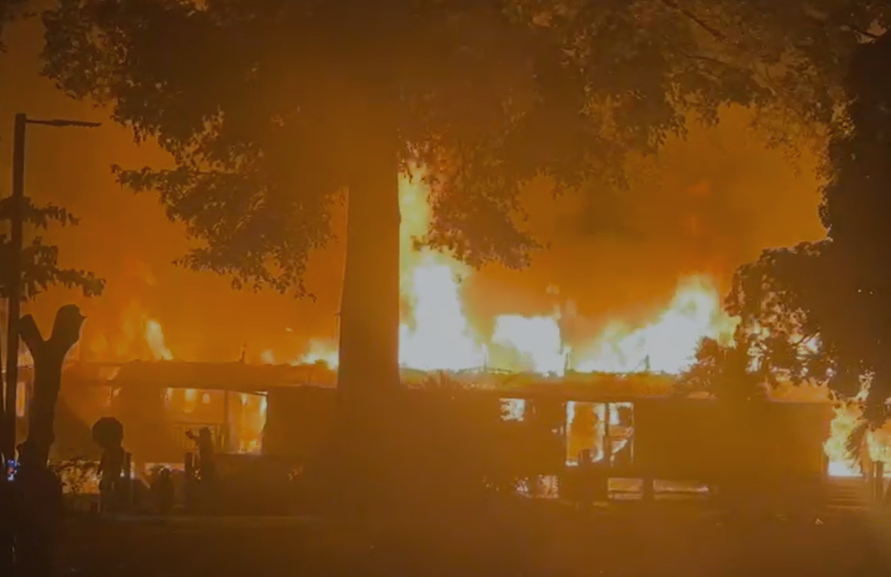
A fire broke out at the barracks at Up Park Camp in Jamaica and was extinguished by multiple fire units. The Jamaica Defence Force stated the cause is undetermined and an investigation will follow. The report focuses on official response and procedures.
Jamaica suffered a total island-wide blackout on Friday night. Energy Minister Daryl Vaz called the outage unacceptable and demanded a full report from JPS within 24 hours as restoration efforts began on a phased basis.
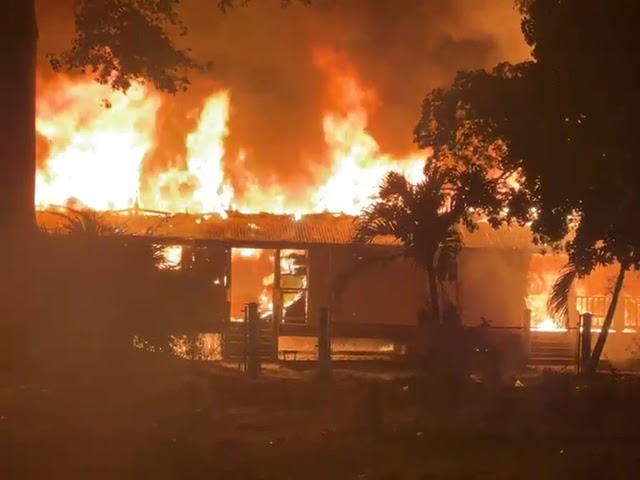
A fire broke out at Up Park Camp in Kingston, Jamaica on Friday evening. The Jamaica Fire Brigade Commissioner confirmed the blaze but provided no details on cause or damage. The story is being tracked for updates.

True Pet Food hosted an 'Inner Circle' event in Jamaica to strengthen relationships with retailers, distributors, and customers. The company announced new products, recognized partners, and emphasized education and marketing support for its brand.
Power outages have been reported across several parishes in Jamaica, with the Jamaica Public Service Company yet to provide information on causes or restoration times. The coverage treats the event as a disconnected technical issue rather than a recurring symptom of structural inequality.
Special Olympics Trinidad and Tobago mourns the death of former athlete Devan Mahadeo, who died at 37 after an illness. He had a long career in sports, earning medals in football, floor hockey, and other events, and later served as an administrator and board representative. The tribute focuses on his athletic legacy and leadership within the organization.
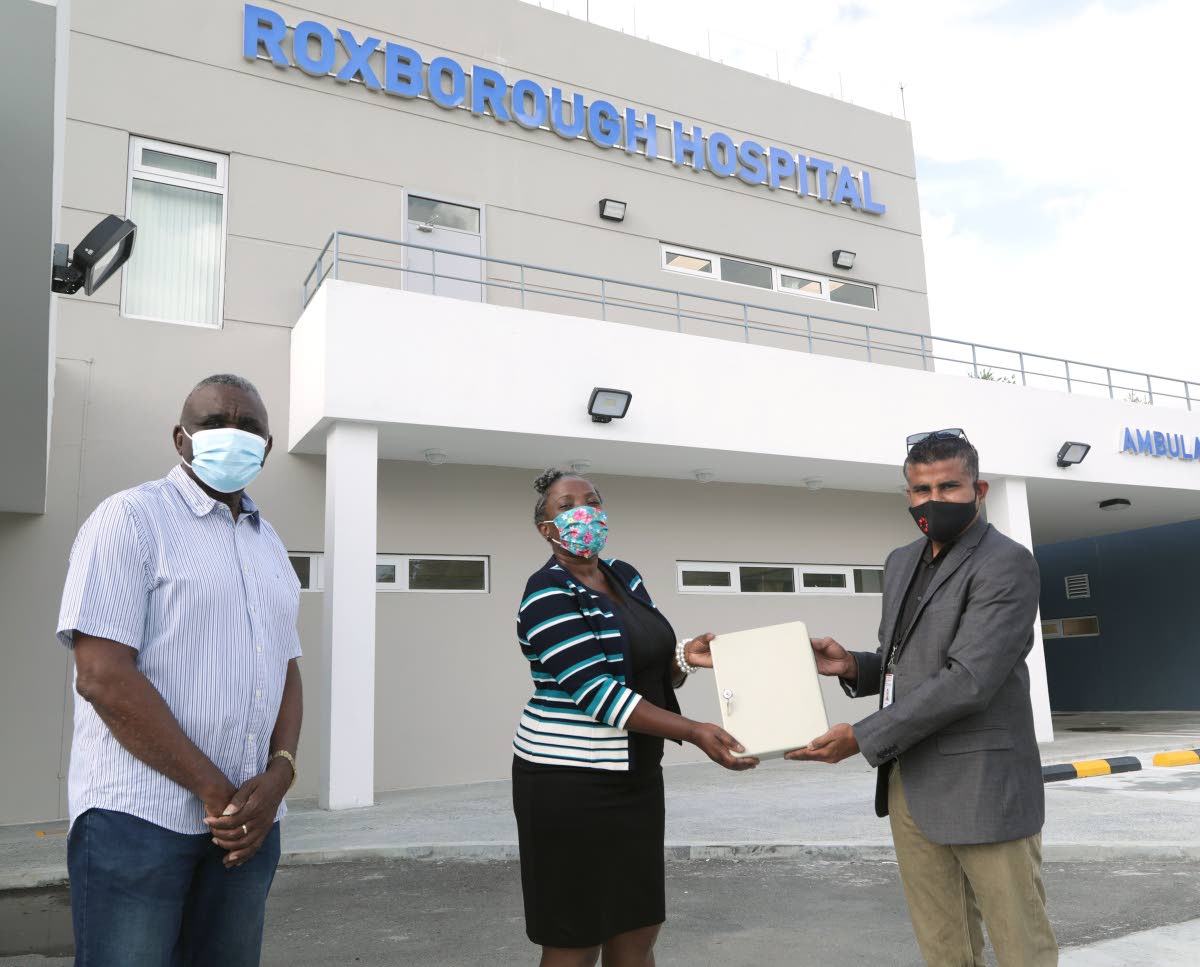
The article reports that the Roxborough Hospital in Tobago will be fully operational by mid-November, nine months after its commissioning. It also details COVID-19 rental and food assistance provided to over 400 people, and notes Sinopharm is the most popular vaccine choice among Tobagonians.

Three men were acquitted of a 2009 murder after the key witness recanted, claiming police coercion. The case relied on an unreliable eyewitness whose testimony changed multiple times over 16 years.
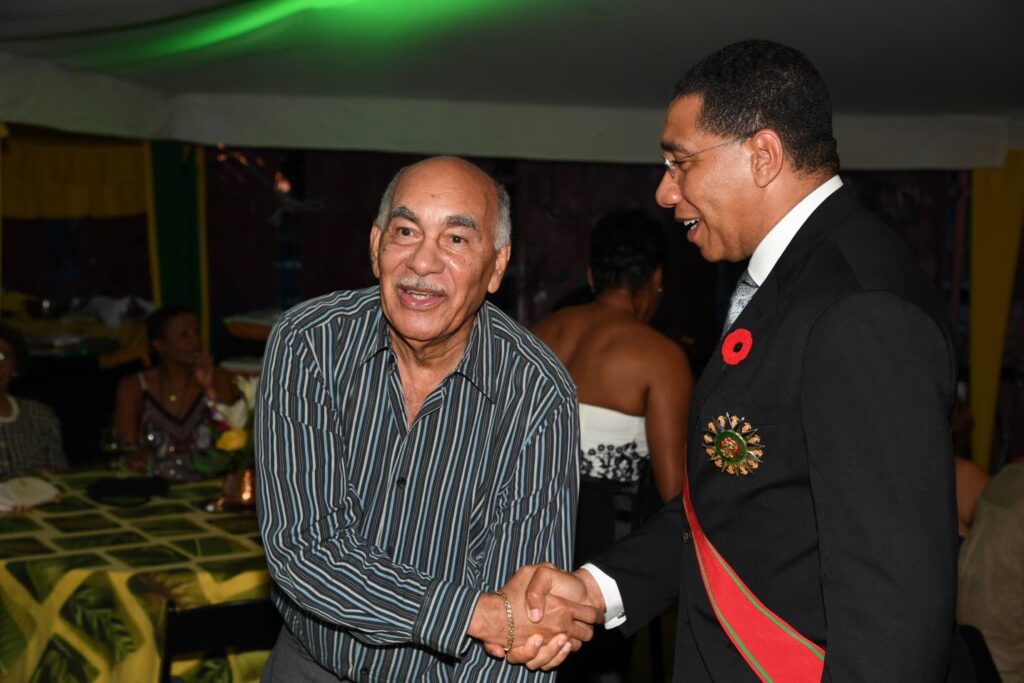
The article honors retired Jamaican Court of Appeal President Ian Forte upon his death at 89, highlighting his leadership, legal contributions, and mentorship of Chief Justice Bryan Sykes. It portrays him as a fair, prepared, and persuasive judge who shaped Caribbean jurisprudence.
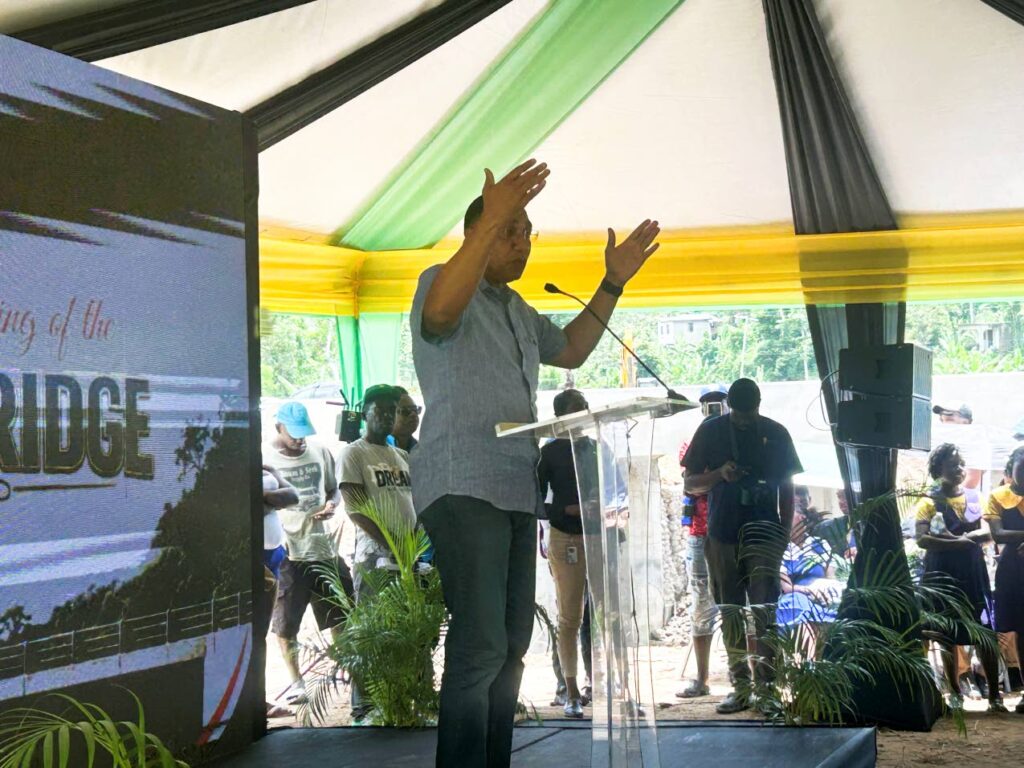
Prime Minister Andrew Holness opens the $230-million Troy Bridge in Trelawny, Jamaica, replacing a structure destroyed by Tropical Storm Grace in 2021. He criticizes the five-year bureaucratic process, arguing it added at least 30 percent to costs, and calls for governance reform to prioritize delivery over procedures.
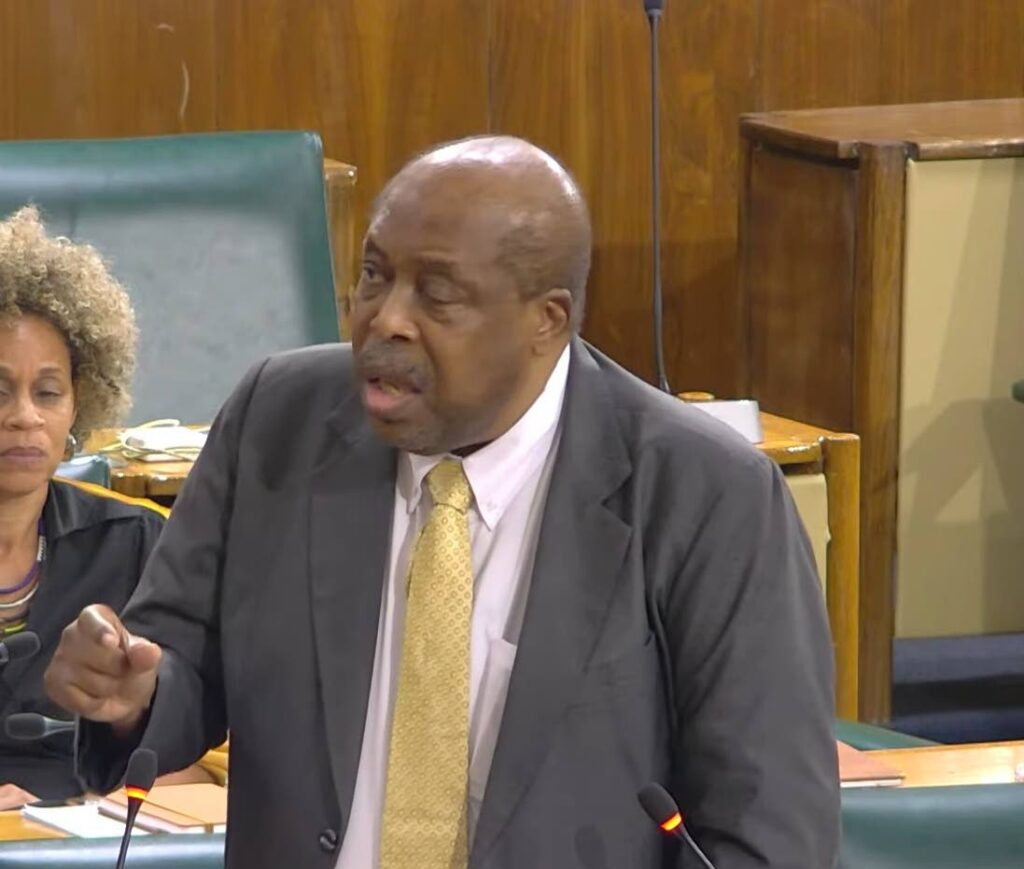
Jamaican senators debated a bill extending government withdrawals from the National Housing Trust, with opposition calling for funds to build homes for Hurricane Melissa victims. The government argued that housing shortages stem from structural constraints, not lack of money.
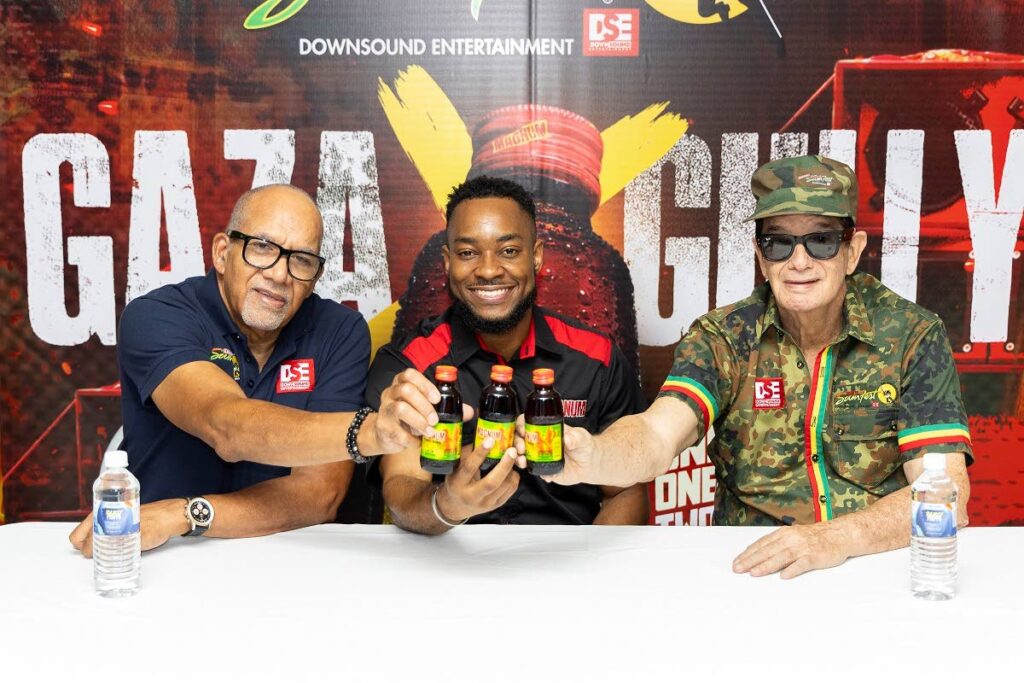
Magnum Tonic Wine has become the title sponsor of Jamaica's Reggae Sumfest, with executives highlighting the brand's deep ties to dancehall culture. The partnership is framed as mutual support, though it raises concerns about corporate influence on Black cultural events.
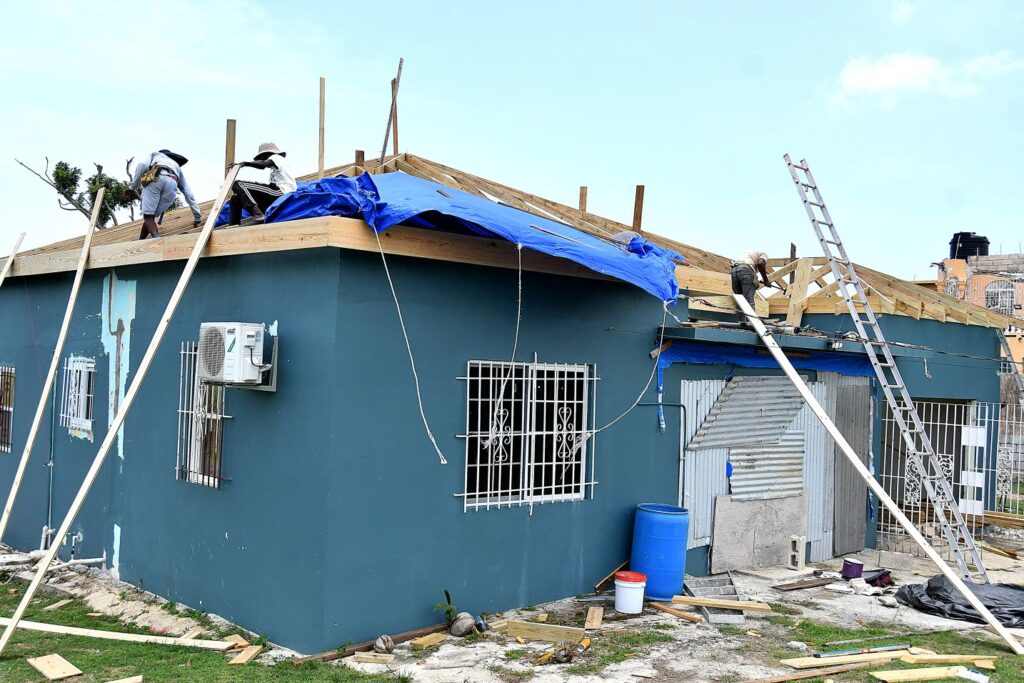
Government Senator Kavan Gayle warns that a shortage of skilled construction workers threatens Jamaica's housing and infrastructure projects despite available funding. He attributes the worker deficit to migration, an aging workforce, and insufficient training.
Gospel deejay Prodigal Son launches his new album Legacy at Swallowfield Chapel in Jamaica, featuring performances by multiple artists. The album focuses on purpose, faith, and leaving a lasting impact beyond fame.
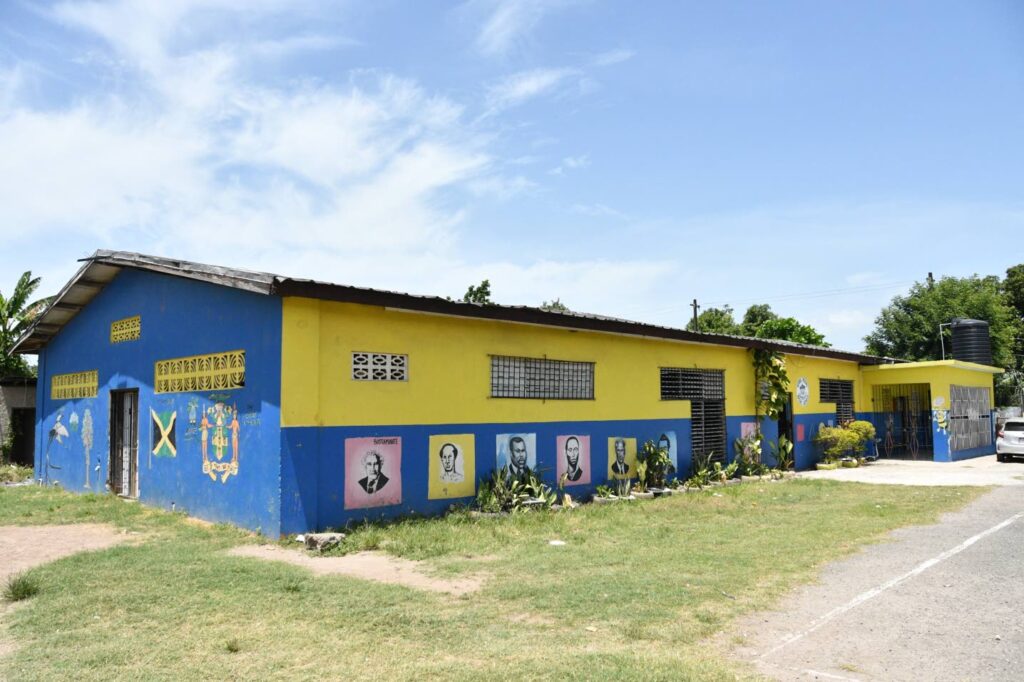
Two special education schools in Kingston, Jamaica, appeal for aid to repair hurricane damage and expand facilities for growing numbers of students with special needs. Principals highlight the hidden devastation in the Corporate Area and the urgent need for inclusive, accessible learning spaces.

The webpage for the article 'Jamaica bleeds for our war on drugs' is not found, preventing full analysis. The title suggests Jamaica bears the human cost of the international drug war, highlighting structural exploitation.

The article reports that the U.S. military has killed at least 67 people in strikes on boats in the Caribbean since September, with no evidence of drug trafficking provided. Unidentified bodies are washing up on Trinidad's beaches, and the U.S. government has declared itself in armed conflict with cartels, labeling the dead as unlawful combatants.

The article reports that the Trump administration conducted a missile strike in the Caribbean on September 2nd under the guise of combating drug trafficking. It questions the legality and impact of such actions on Caribbean nations.

Venezuelan President Maduro accuses the U.S. of provoking war in the Caribbean after a military strike on a fishing boat kills three. U.S. forces are reinforcing Puerto Rico as a staging base, framing the action as counter-narcotics while critics see a push for regime change.
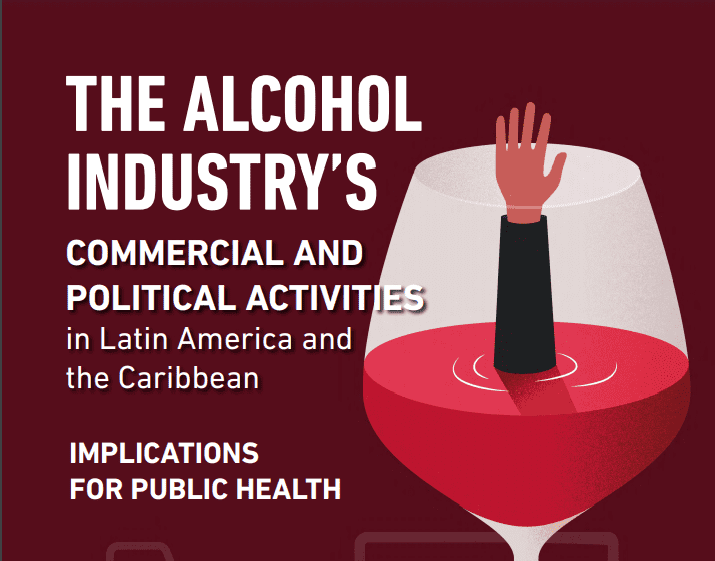
The report exposes how the alcohol industry uses aggressive marketing and policy interference to undermine public health in Latin America and the Caribbean, targeting vulnerable groups like adolescents. Black communities are disproportionately harmed by rising alcohol consumption and related diseases, yet the industry's role in exacerbating structural inequalities remains unaddressed in mainstream discourse.
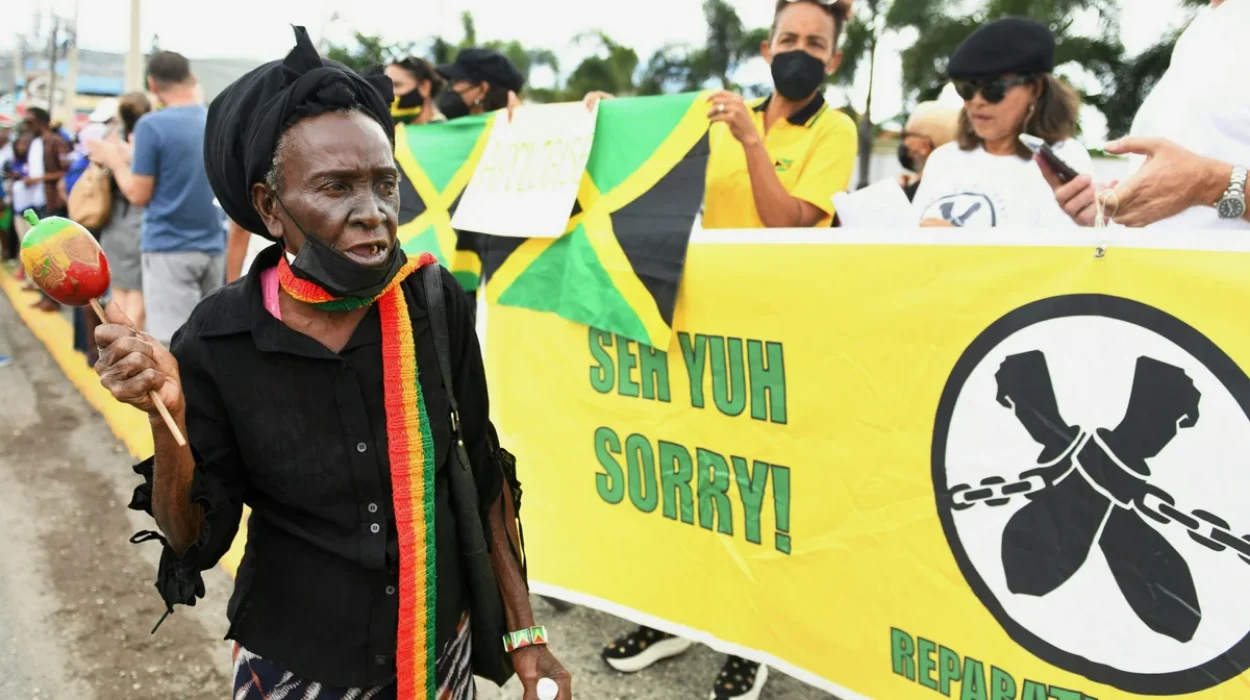
In July 2025, a Caribbean delegation brought the reparations campaign to Westminster and Brussels, demanding material reparations for slavery and colonialism. The initiative, led by the Repair Campaign and CARICOM's Ten Point Plan, seeks debt cancellation, investment in health and education, and policy changes from former colonial powers.

The Caricom Reparations Commission met UK officials to push for acknowledgment of colonial harms and advance its updated 10-point reparations plan. The story highlights growing public support in the UK for formal apologies and curriculum reform, while noting resistance to financial compensation.
A delegation from the Caricom Reparations Commission is making a historic visit to the UK to advocate for reparatory justice for transatlantic slavery. They aim to build partnerships and raise awareness, despite the British government's reluctance to offer financial reparations or an apology.

The page compiles multiple news articles and opinion pieces about the Caribbean reparations movement. It highlights calls for apology and financial atonement from European institutions, including the British monarchy, for their role in transatlantic chattel slavery.

Chenzira Kahina calls for concrete decolonization, reparations, and regional unity at CARIFESTA XV, linking contemporary constraints to 1922 colonial attitudes. She emphasizes ancestral intelligence and practical reconnections as tools for justice.
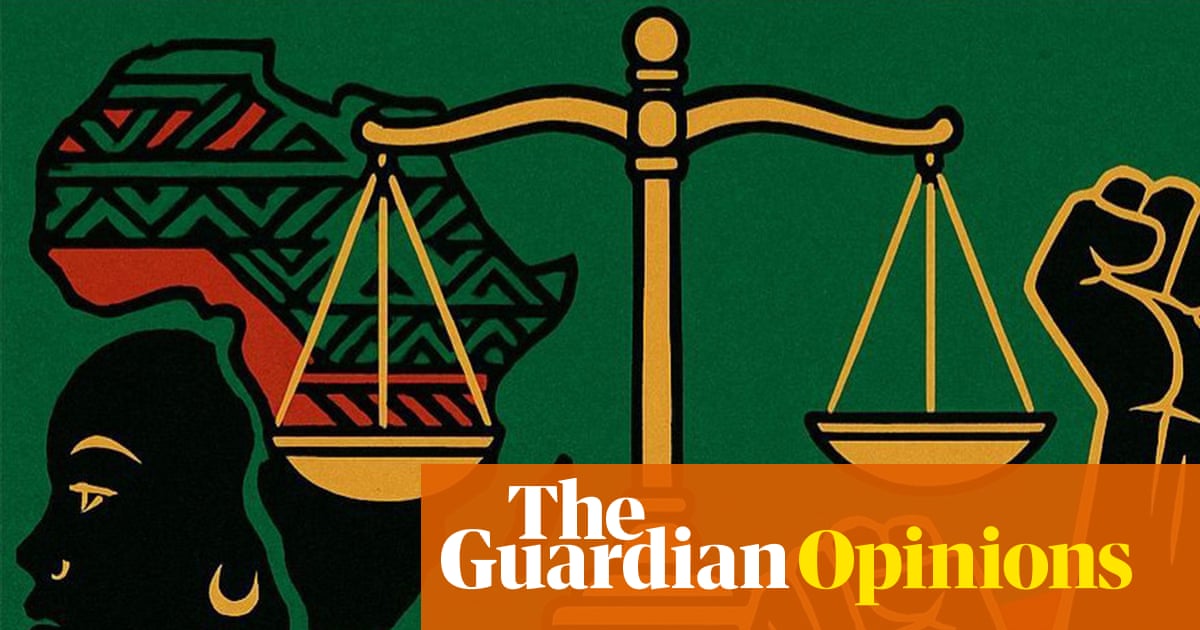
The article reports on the growing global reparations movement in 2025, focusing on Caribbean and African states consolidating claims against Britain. It highlights a book by Lenny Henry and Marcus Ryder that debunks objections to reparations, and notes the British government's continued refusal to engage substantively.

Black youth across Canada and the Caribbean face rising mental health issues but limited access to culturally competent care. Stigma and systemic neglect push them toward emergency interventions or isolation, while grassroots groups attempt to fill the gap.
.jpg)
Saundra Bailey has been appointed chair of the CCRIF Board of Directors, taking over from Timothy Antoine. She brings decades of insurance experience and will lead the facility's strategic expansion to enhance disaster risk financing across the Caribbean and Central America.

Former Prime Minister Ralph Gonsalves claims a governance crisis under the NDP administration is paving the way for his ULP party's return. He cites labor resurgence, public dissatisfaction, and growing support among civil servants as signs of a political shift in St. Vincent and the Grenadines.

A report warns that offshore oil exploration in Jamaica's Walton-Morant block threatens critical marine ecosystems, including nearly all of the country's south coast coral reefs and seagrass habitats. Environmental advocates urge policymakers to prioritize conservation and sustainable alternatives over fossil fuel expansion to protect coastal communities and livelihoods.

Jamaica won two tourism awards at the CTO Caribbean Week in New York, recognizing its marketing campaigns featuring Love Island influencers and a National Geographic luxury travel feature. Officials highlighted the resilience and innovation of Jamaica's tourism sector, which continues to drive economic activity and attract millions of visitors annually.

Sandals and Beaches Resorts volunteers participated in Labour Day restoration projects at schools and hospitals across Jamaica, aiding post-hurricane recovery. The efforts focused on painting, landscaping, and renewing facilities, with school principals expressing gratitude for the support.

The West Indies Women's cricket team won the Evara Tri-Nation T20I series after Pakistan and Ireland's final match was rained out. They topped the table with a better net run rate, boosting confidence ahead of the T20 World Cup.
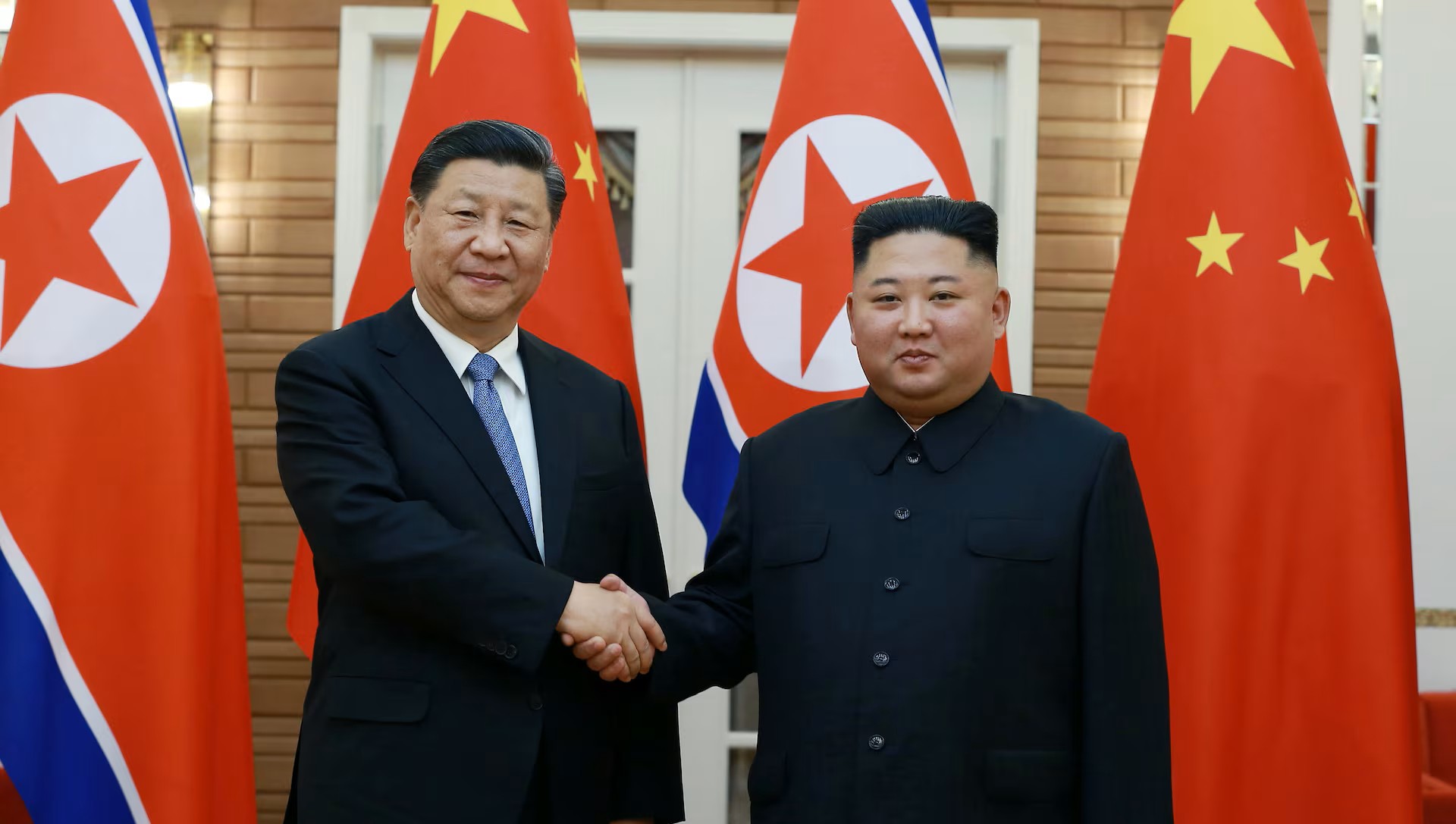
Chinese President Xi Jinping will visit North Korea for the first time in seven years to meet Kim Jong Un. The trip underscores China's role as North Korea's key economic and political ally amid international sanctions and tensions with the U.S. and South Korea.

Bermuda mourns the death of Sir John Swan, the island's longest-serving Premier, who is remembered for his humble beginnings, business acumen, and political skill. His official biography highlights his overcoming of visual impairment and dyslexia to become a major real estate developer and philanthropist, helping many Bermudians achieve homeownership.
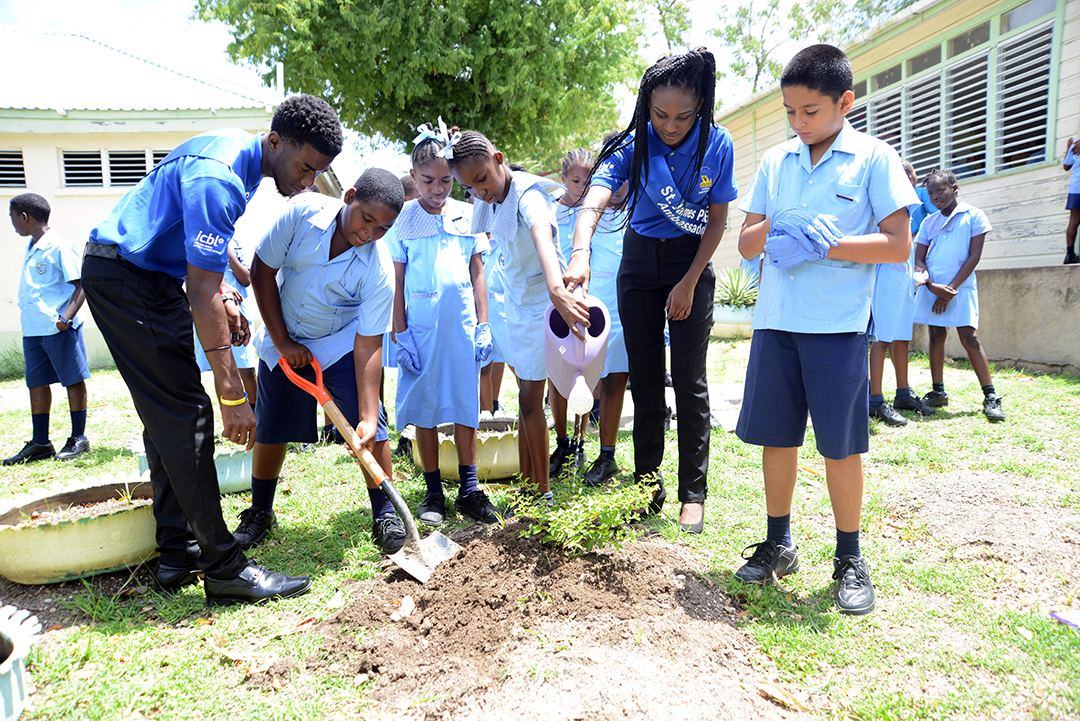
The article covers World Environment Day 2026 with a focus on urgent climate action, emphasizing rising temperatures, extreme weather, and biodiversity loss. It calls on individuals, communities, businesses, and governments to respond, but does not address how Black Caribbean communities face disproportionate climate risks due to historical and economic inequalities.

The article reports that Caribbean nations are not fully utilizing available blue economy funding, with investors seeking projects. Racquel Moses warns that the region must act strategically to access these funds or risk losing them.

A Barbados Workers' Union official warns that AI and platform-based employment are making workers vulnerable, citing algorithmic management, lack of transparency, and eroded rights. He calls for international labor protections to ensure technology does not advance at the expense of worker security.

Broward County Transit has announced a transportation plan for 2026 FIFA World Cup matches in Miami Gardens, offering free shuttles and low-cost bus routes to ease traffic and parking. The plan serves ticket holders and aims to connect residents and visitors across Broward and Miami-Dade counties.

Trinidad and Tobago was elected as a non-permanent member of the UN Security Council for 2027-2028, receiving 181 votes and support from all five permanent members. The government sees this as a major diplomatic achievement that will amplify the country's voice on global issues.

Jamaica's tourism minister announces a 10-year plan to attract 10 million visitors and $10 billion in earnings. The growth narrative highlights infrastructure and airline partnerships but omits local workers' wages and land-use conflicts.
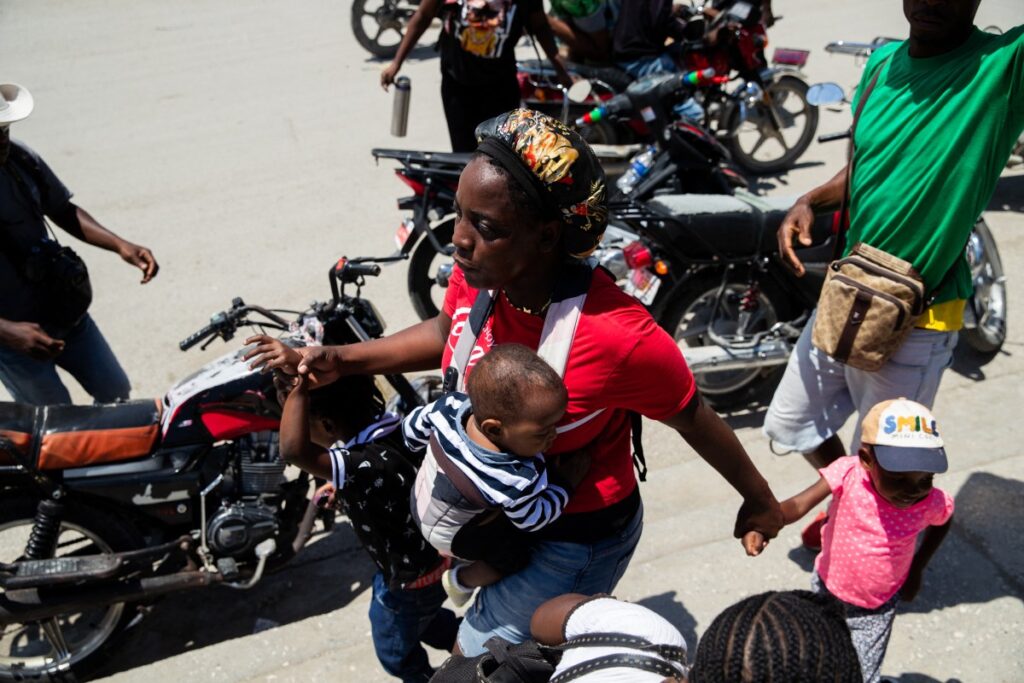
The UN reports nearly 1.5 million people are displaced in Haiti due to escalating gang violence, with half being women and girls. The IOM warns funding shortages could halt operations by October, compounding a crisis worsened by forced returns and the approaching hurricane season.
The Jamaica Labour Party mourns the death of retired Court of Appeal president Justice Ian Forte, praising his legal career and humanitarian contributions. His service spanned over five decades across the Caribbean.
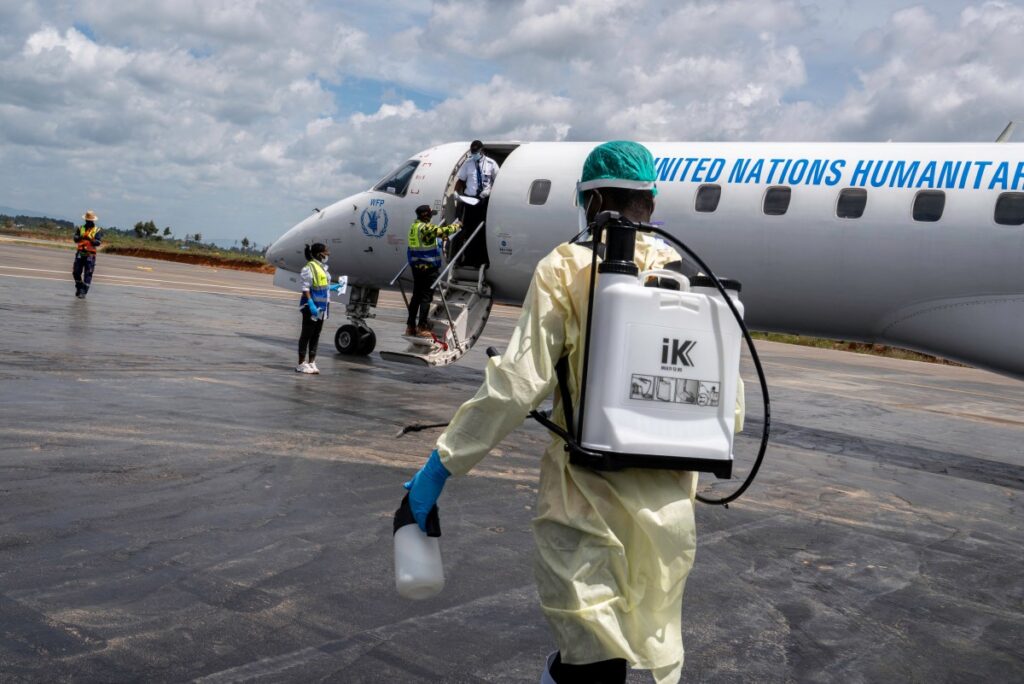
The WHO and Africa CDC have launched a 518-million-dollar plan to combat an Ebola outbreak in the DRC and Uganda. The plan focuses on coordination, surveillance, and community engagement, but lacks approved vaccines for the Bundibugyo strain.

Jamaican triple jumper Jaydon Hibbert says Turkish officials provided psychological and medical support after a serious injury, while Jamaican officials ignored him. He switched allegiance to Turkey, accusing Jamaican leadership of negligence and failing to check on his wellbeing during his recovery.

Three Jamaicans are among 19 people charged in a US drug trafficking probe focused on cocaine, fentanyl, and meth distribution. Authorities allege they led criminal organizations, with one defendant having a prior trafficking conviction.

A father and son were bound and shot dead in Manchester, Jamaica. Police have no motive, and the murder tally in the parish has risen to 16 for the year.
Retired Jamaican Justice Ian Forte, a former president of the Court of Appeal and husband of Marlene Malahoo Forte, has died at 89. His career included service in Jamaica, the Cayman Islands, and Turks and Caicos.
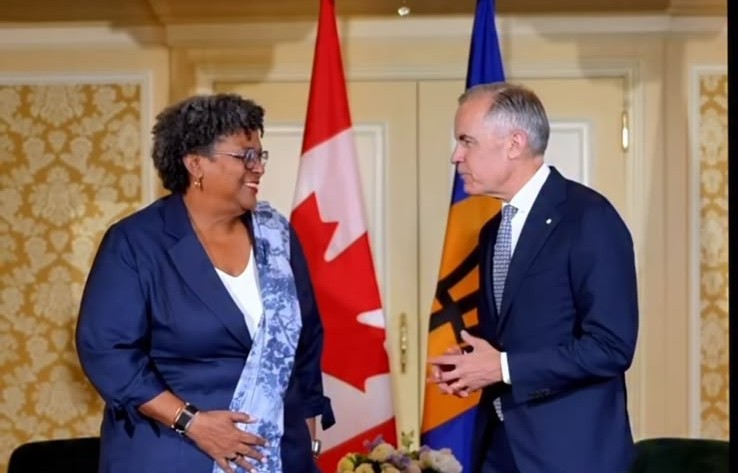
Canada announces nearly $97 million in climate loans for the Caribbean via the GAIA fund, alongside a $200 million guarantee with the Caribbean Development Bank. The deal is framed as partnership but reinforces the region's reliance on external financing, echoing historical patterns of debt and dependency.
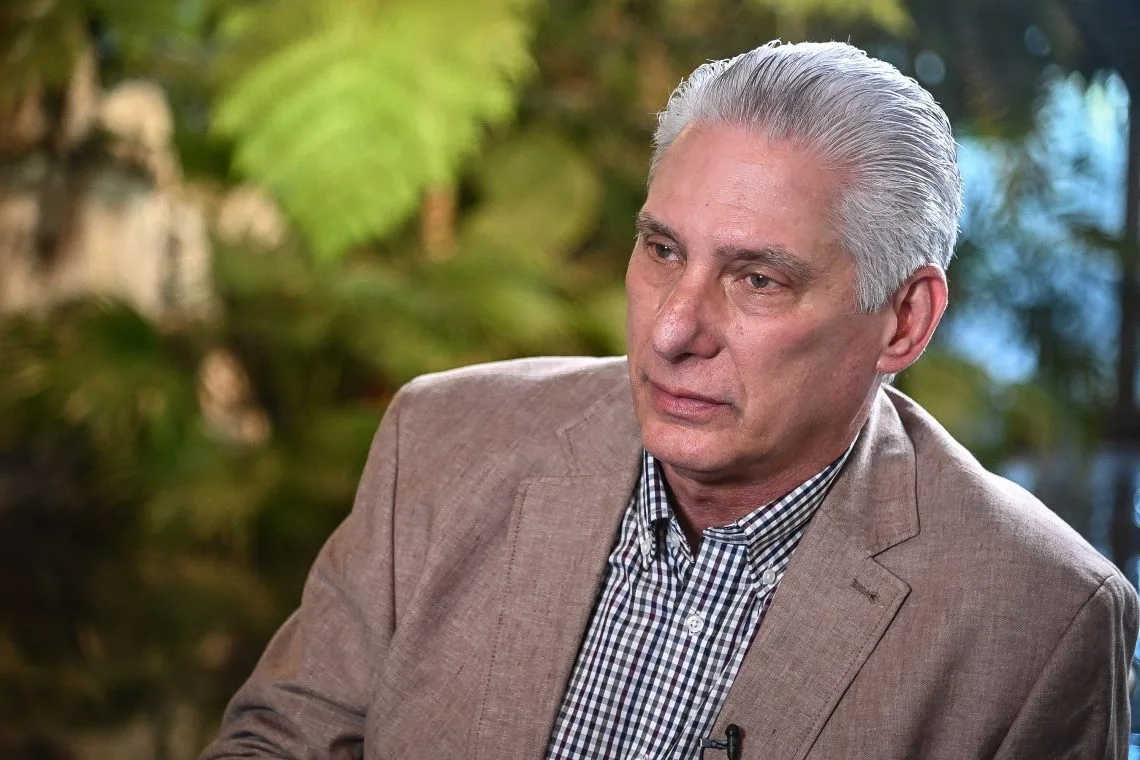
Cuban President Miguel Díaz-Canel condemns new U.S. sanctions and threats from Trump, framing them as imperial aggression. Cuba reaffirms its determination to resist and defend sovereignty against escalating U.S. pressure.

Gangs in Haiti are systematically recruiting children amid a deepening crisis, with 90% of Port-au-Prince under gang control. The UN reports children are used as lookouts, fighters, and for kidnapping, lured by promises of income or belonging. Girls face additional sexual exploitation, and the violence perpetuates a cycle trapping youth in abuse.

The article reports that at least 5,601 people were killed in Haiti in 2024 due to gang violence, an increase of over 1,000 from the previous year. It highlights the escalating brutality and the failure of authorities to curb the violence, deepening the humanitarian crisis.

The article covers the Trump administration's termination of TPS for 500,000 Haitians, a surge in gang violence and child sexual abuse in Haiti, and the Dominican Republic's mass expulsion of Haitian migrants. It also reports on Haiti's Carnival budget amid economic crisis.
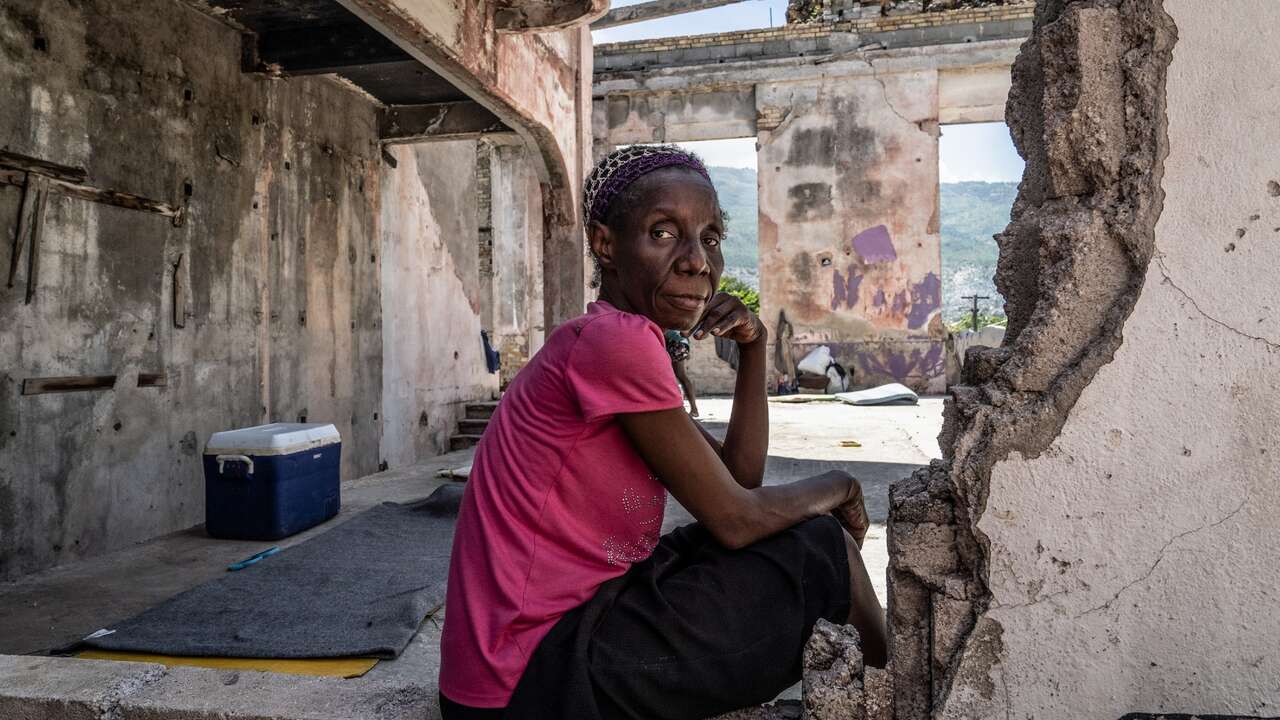
Haiti faces a severe humanitarian crisis as armed gangs control most of Port-au-Prince, causing mass displacement, violence, and hunger. The International Rescue Committee warns conditions may worsen by 2026 without urgent action, as international support missions have failed.

The article traces rum from Caribbean sugar plantations to a global luxury product, but omits the enslaved Black labor that made the industry possible. It sanitizes colonial exploitation into a story of economic and technological evolution.
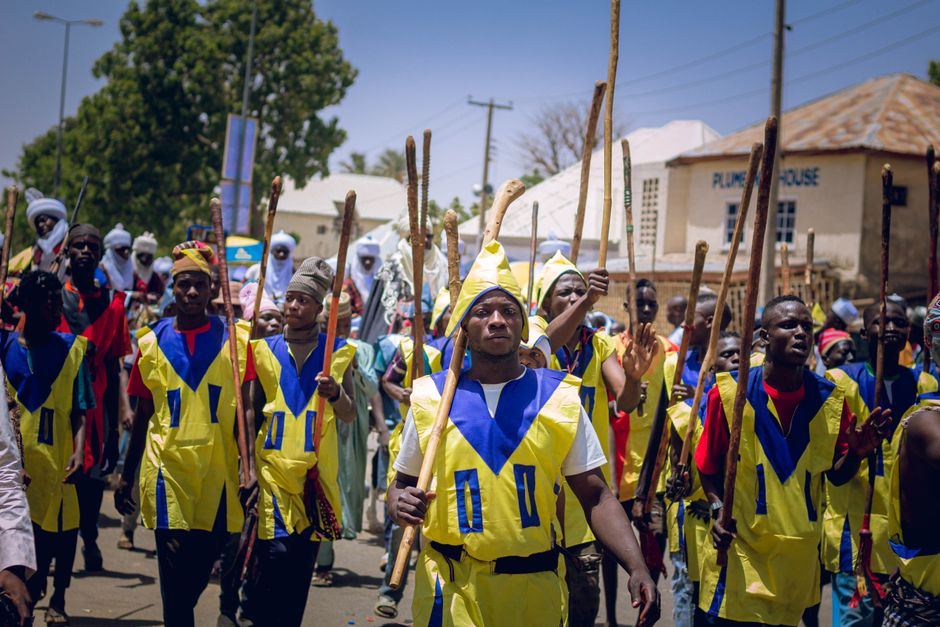
The article explores the history and cultural significance of Jamaican rum, from its origins on sugar plantations worked by enslaved Africans to its modern role as a global luxury product. It emphasizes the unique flavor and craftsmanship while acknowledging the brutal colonial past, but frames the legacy primarily as a source of pride.

The article traces how alcohol dependency among Indo-Caribbean communities stems from colonial-era economic exploitation, where rum was used as both currency and social control. This legacy transformed drinking into a normalized cultural practice, perpetuating cycles of addiction and ruin.

The article reports that youth unemployment in OECD nations reached 11.2% in 2025. It focuses on Barbados's situation but lacks analysis of how colonial economic structures and export-oriented policies create joblessness for Black youth.

The US military strikes drug traffickers in the Caribbean, killing two and capturing two survivors, then returns them to their home countries to avoid legal complications. The Trump administration frames the conflict as a non-international armed conflict, but legal experts question the basis for detention.

The IMF concluded its 2025 Article IV Consultation with Grenada, reviewing the country's economic performance and outlook. The report focuses on fiscal policy, debt sustainability, and growth projections without addressing the structural inequalities facing the Black population.

The ECCB governor warns that Caribbean nations must prepare for economic fallout from new US tariffs, as growth slows and inflation rises. The region's reliance on US imports and tourism makes it highly vulnerable to external shocks.

The article argues that Caribbean nations, despite political independence, remain economically dependent on larger powers like the U.S., U.K., and Canada. Recent shifts toward nationalism in those countries threaten the region's fragile stability, compounded by climate change and exclusion from climate aid.

The content focuses on Dr. Delisle Worrell's proposal to retire Caribbean currencies and analyzes IMF projections on debt-to-GDP ratios for Caribbean nations. It foregrounds economic dependency and fiscal policy without discussing the lived realities of Black communities.
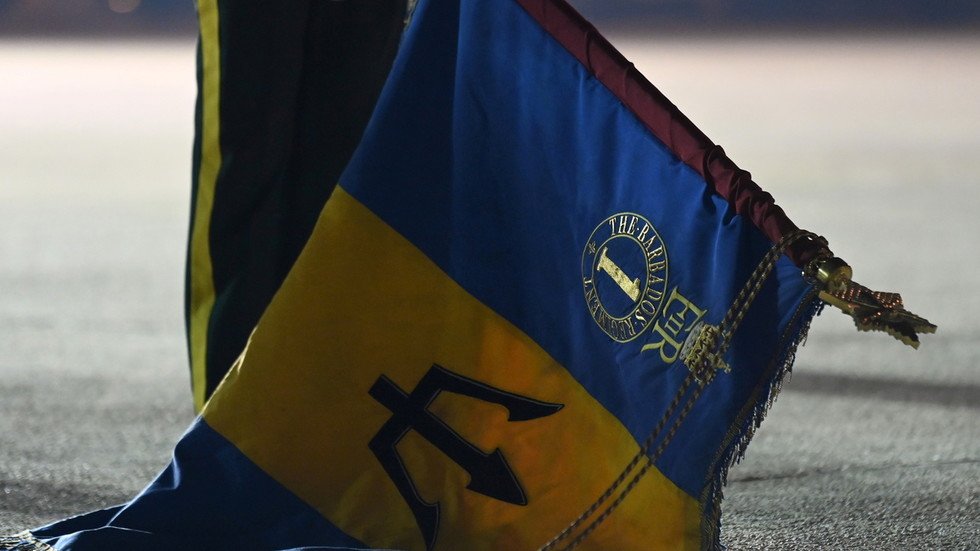
Barbados becomes a republic by removing Queen Elizabeth II as head of state, symbolically ending nearly 400 years of British colonial influence. The move follows a campaign by Governor General Sandra Mason and reflects a broader Caribbean push for decolonization.

The article argues that Haiti's poverty and instability are not natural but the result of centuries of foreign intervention, debt extortion, and political sabotage by the US, France, and Canada. It frames Haiti as a nation punished for its revolutionary success and resilience.
The Commonwealth Secretariat, IMF, World Bank, and Caribbean Development Bank conducted training to help 16 Caribbean countries improve debt transparency. The initiative focuses on sharing best practices for managing and reporting public debt.

The page aggregates local news from South Florida, covering Inverrary's golf course development, Jean Monestime's political legacy, Frederica Wilson's retirement, and Broward County Transit's World Cup transportation plans. These stories present Black community leaders and residents within conventional political and logistical narratives.

Jamaican author Diana McCaulay won the 2026 RSL Ondaatje Prize for her novel A House for Miss Pauline, earning £10,000. The prize recognizes works that evoke the spirit of a place, and McCaulay was the only Caribbean writer shortlisted.
-1200x630.jpg)
Jennifer Carroll, a Trinidad-born former Florida lieutenant governor, has been nominated by President Trump to be U.S. ambassador to Trinidad and Tobago. If confirmed, she would be the first Trinidad-born woman to hold the post, reflecting diaspora influence.

Samantha James advocates for a national burn unit in Jamaica after a deadly explosion forces victims to seek expensive overseas treatment. She highlights how most families cannot afford medical evacuation, leading to preventable deaths like Dacia Forrester's.

Jamaican long jumper Carey McLeod accepted a two-year ban for three whereabouts failures under anti-doping rules, not a positive test. The sanction sidelines a top field athlete from national and global competitions until May 2028.

Saint Lucia's former Governor-General Sir Neville Cenac has died at age 94, prompting condolences from Prime Minister Philip Pierre. Cenac served in numerous high-level roles over five decades, including Mayor of Castries and Foreign Minister, and will receive a state funeral.

Cayman Airways launched a new nonstop flight between Grand Cayman and Austin, Texas, with cultural celebrations in both cities. The service aims to boost tourism and economic ties, showcasing Caymanian culture.

CARICOM leaders congratulate Trinidad and Tobago on being elected to a non-permanent UN Security Council seat for 2027-2028. The election is seen as a milestone for the Caribbean, giving the region a voice on global peace and security issues.

Caribbean Airlines and the Guyana Tourism Authority partnered to bring career outreach to secondary schools in Guyana, focusing on aviation and tourism. The initiative is part of the airline's sustainability program and has reached over 137,000 students across the Caribbean.

Jamaica launched GeoConnect, a multi-agency data platform to improve hurricane response and recovery coordination ahead of the 2026 season. The system enables real-time data sharing and verification among government agencies to reduce duplication of benefits.

Police identified Delon Covell Asgill as the man killed in a shooting at Chapman Lane, Barbados. Three other men were injured. The brief report offers no social or economic context.
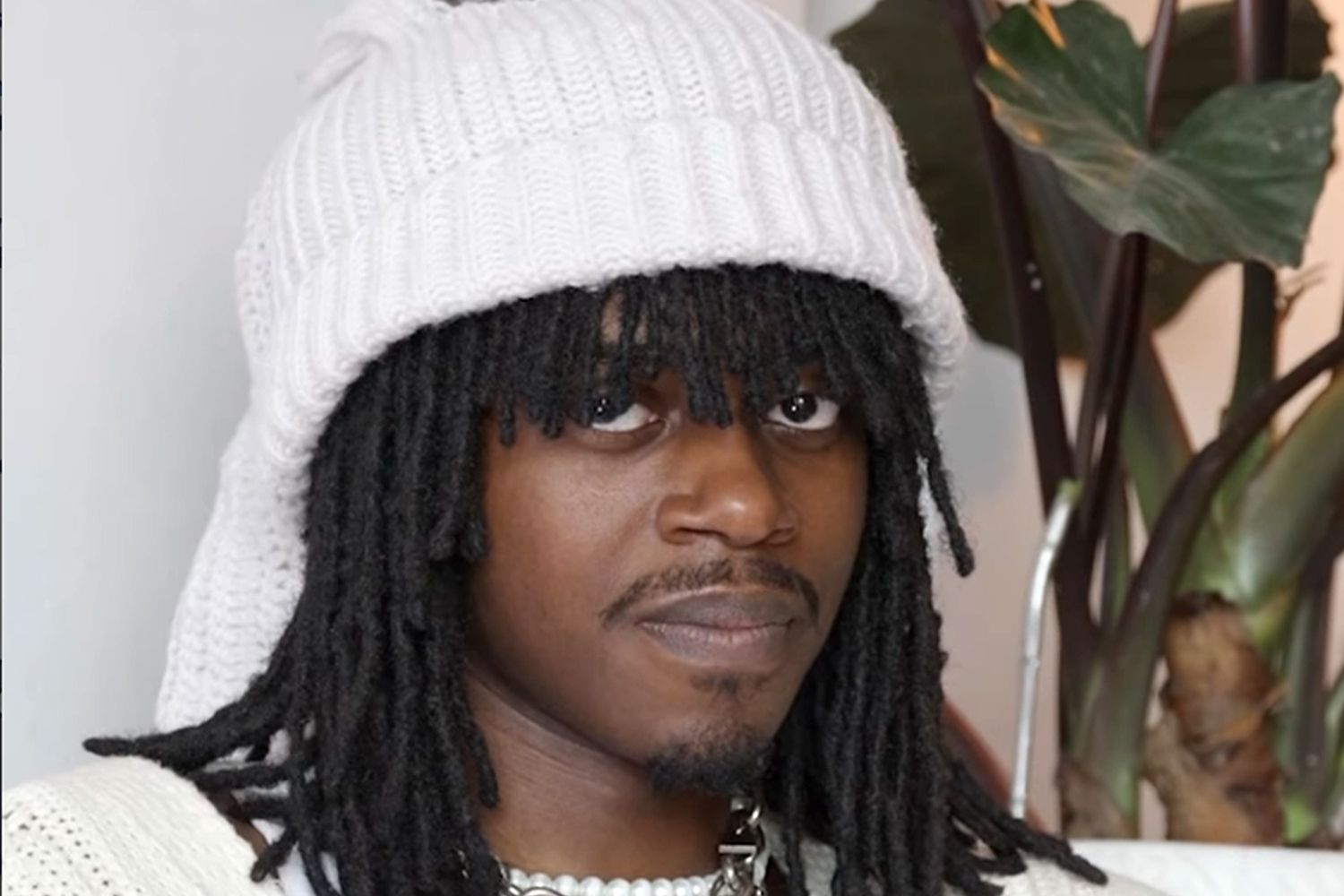
Roger Elliot Moore Jr., known as Metronade, a 23-year-old Barbadian-American filmmaker and content creator, died in an accident. He built a massive online following through relatable and faith-based storytelling.

Renaldo Gilkes steps down as first team coach of Kickstart Rush to focus on grassroots development and his role as technical director. The decision allows him to manage increased responsibilities with Rush Soccer in Colorado.
The WHO and PAHO certified Turks and Caicos Islands for eliminating mother-to-child transmission of HIV and hepatitis B. The milestone highlights strong health systems and equitable access, serving as a regional model.
The Caribbean Development Bank is implementing a reform program called 'CDB Forward' to better serve the region. President Daniel Best emphasized the need for greater purpose, credibility, and impact amid global challenges like climate volatility and shrinking development finance.
The Friends of Democracy party, led by Karina Goodridge, gained a Senate seat, breaking Barbados' traditional two-party dominance. Sociologist Patricia White urged the party to earn public trust by addressing issues like cost of living and crime. The article frames this as a gradual but significant political evolution for the nation.

One man was killed and three others injured in a shooting in Chapman Lane, Barbados. Police are investigating and appealing for information. The article includes a reader comment calling Barbadian society 'ghetto.'

PAHO warns of a measles surge ahead of the 2026 FIFA World Cup, with cases quadrupling in the Americas. The report emphasizes vaccination but does not address systemic barriers affecting Black and Indigenous communities.

The article is a public reminder from the Ministry of Health and Wellness in Barbados that organizers of mass events must notify the Environmental Health Department to assess health risks. It details requirements for permits, sanitary facilities, and food stalls, reflecting routine bureaucratic process.

CG Zest Wellness, a division of Coralisle Group Ltd., has launched a corporate wellness program in Barbados, offering health screenings, fitness events, and a wellness app. The initiative aims to promote healthier lifestyles and community wellbeing, building on a decade of similar programs in Bermuda, the Bahamas, and the Cayman Islands.

The article reports NOAA's forecast of a below-normal 2026 Atlantic hurricane season. It briefly mentions last year's Hurricane Melissa, which devastated Haiti, Jamaica, and Cuba, but does not analyze the disproportionate vulnerability of Black Caribbean nations.

Jamaican Premier League champions Portmore United and runners-up Cavalier SC will begin their Concacaf Caribbean Cup group-stage in early August. The schedule includes home and away matches across the Caribbean region.
A CMU employee, Kevan Anthony Panton, was arrested for allegedly embezzling over JMD $1 million in student funds. The Financial Investigations Division emphasized the need for stronger internal controls at the university.

Treasure Bay Estates participated as the platinum sponsor of THROP-X 2026, a real estate investment conference in Jamaica. The event aimed to connect diaspora investors with local opportunities, emphasizing wealth creation and national development.
Jamaica's parliamentary committee will review flexible work options to address rising fuel prices and global economic uncertainty. The initiative aims to enhance productivity, reduce costs, and improve work-life balance for workers.

The PNP Youth Organisation backs calls for the FLA CEO's resignation after an Integrity Commission report reveals manipulated databases, missing ammunition, and server failures. Young Jamaicans are portrayed as bearing the deadly cost of this institutional corruption.
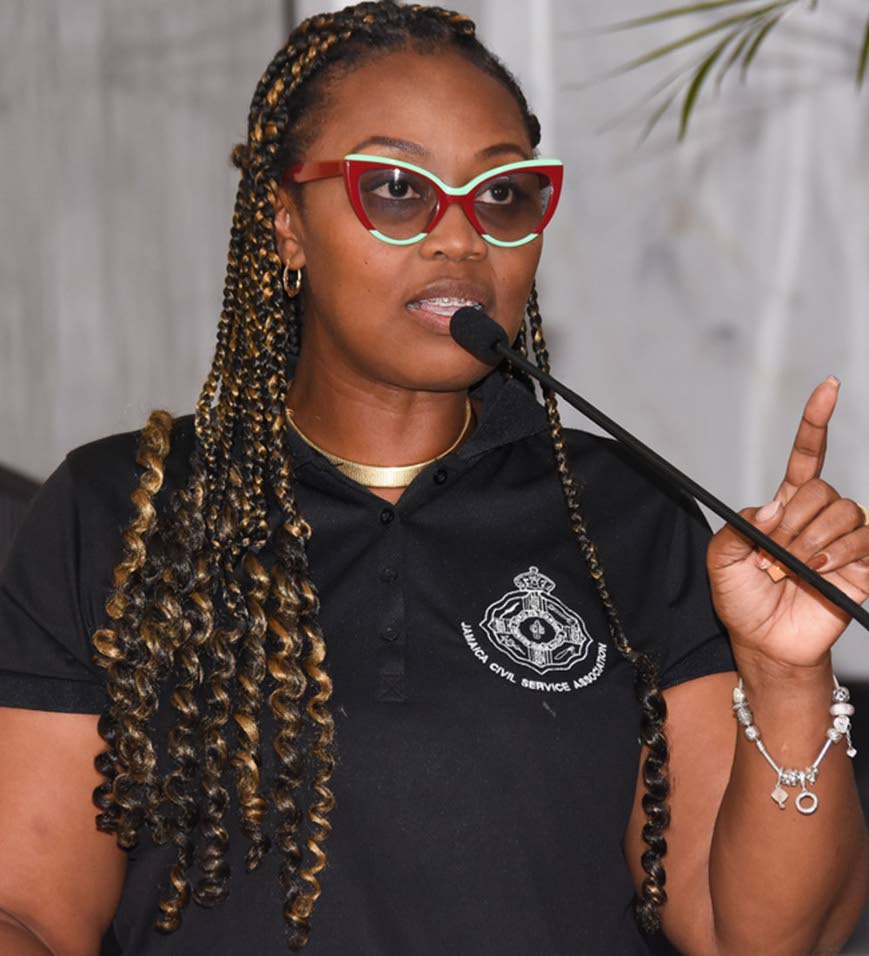
The Jamaica Civil Service Association demands urgent resolution on travel allowance claims and wage negotiations, citing rising costs and dilapidated roads. Workers feel forced to subsidize government services from personal funds, fueling frustration.

The Jamaica Football Federation has opened applications for the head coach position of the Reggae Boyz after a failed World Cup qualifying campaign. Interim coach Rudolph Speid is being considered for the permanent role alongside assistant Miguel Coley, highlighting internal talent amid the search.
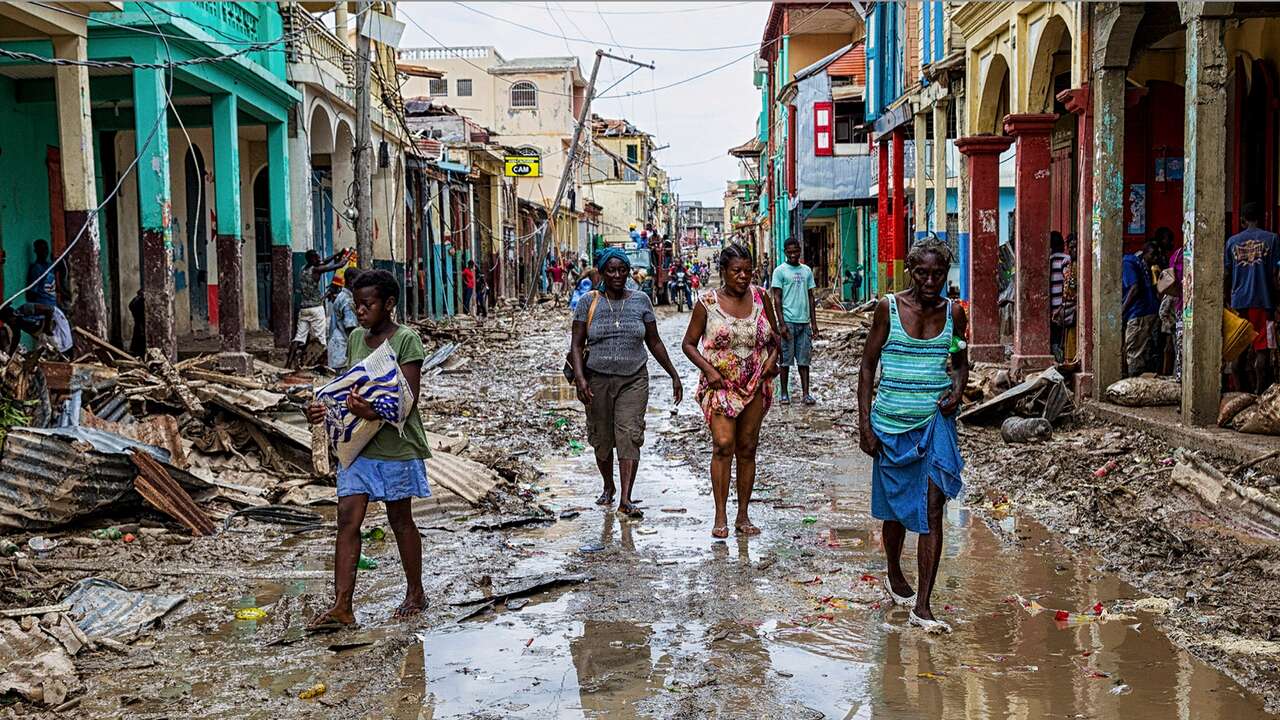
Haiti faces a severe humanitarian crisis with gangs controlling most of the capital and expanding, leading to widespread violence, displacement, and hunger. Over 1.2 million people are displaced, and sexual violence against women and children has drastically increased. International efforts to restore order have largely failed, and the situation is expected to worsen.

The UNODC explains that organized crime and gang violence in Haiti have escalated due to weak border controls, heavy import dependence, and arms trafficking. Gangs now control most of Port-au-Prince, extorting commerce and terrorizing civilians. The report focuses on systemic vulnerabilities rather than Black identity.
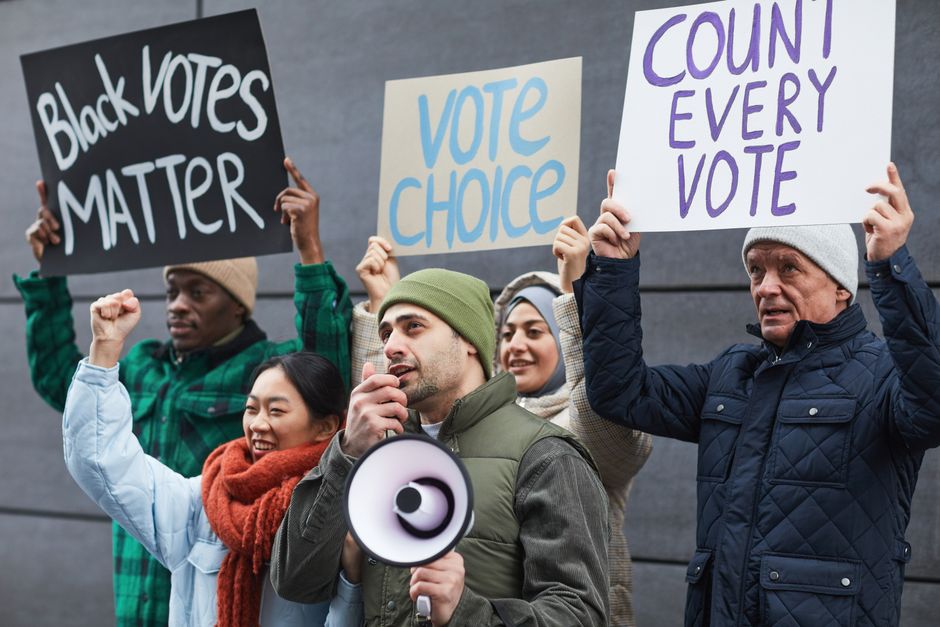
The UN report details escalating gang violence in Haiti, with over 5,500 killed in less than a year. The violence involves multiple armed groups, reflecting a deep security crisis rooted in historical instability and foreign intervention.
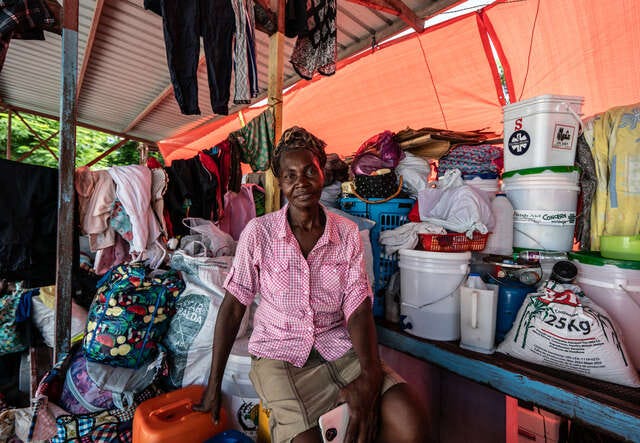
Haiti faces a severe humanitarian crisis as armed gangs control most of Port-au-Prince, displacing millions and causing widespread violence and hunger. International efforts to restore order have failed, with funding shortfalls worsening conditions for civilians.

The article traces rum's history from sugarcane brought by Columbus to the Caribbean, linking its production to enslaved African labor on colonial plantations. It describes how different European colonial powers developed distinct rum styles that persist today.

The article argues that Caribbean mass tourism replicates colonial plantation economies, relying on low-wage labor and coercing governments into fiscal concessions. Alternative offerings like sex tourism further degrade local culture without providing sufficient economic benefits, calling for an urgent new strategy.

The One St. Martin Association will present St. Martin perspectives on decolonization and reparations at CARIFESTA 2025 in Barbados. Dr. Rhoda Arrindell joins a panel titled "Freedom Isn't Finished" to discuss the Caribbean's unfinished historical mission.

The article reports persistent youth unemployment in Caribbean nations despite overall labor market gains. It highlights a gap between national and youth joblessness rates, calling for targeted skills development policies.
The article discusses high youth unemployment in the Caribbean, linking it to poverty, crime, and failing education systems. It presents the issue as a regional crisis without addressing historical or racial dimensions.

The article lists Caribbean nations with the highest youth unemployment rates based on World Bank and ILO data. It highlights economic struggles but does not explore systemic causes like colonial legacies or foreign debt.

The article traces rum's history from indigenous fermentation to colonial slavery, highlighting how enslaved Africans built the industry. It argues that modern Caribbean rum marketing whitewashes this exploitation and calls for decolonizing the trade.

The Caribbean Development Bank's economic review highlights sluggish regional growth, with Guyana's oil sector as the primary driver. Persistent challenges include climate impacts, debt, and weak institutional capacity, with no explicit mention of racial inequality.

The IMF projects Caribbean growth will slow to 4.2% in 2025 after a 12.1% boom in 2024, citing normalized tourism and U.S. trade tensions. Haiti remains in contraction, while Guyana's rapid growth decelerates sharply.
The IMF projects a sharp slowdown in Caribbean growth from 12.1% to 4.2% in 2025, citing a normalized tourism rebound and U.S. tariffs. Haiti is forecast to contract further, while Guyana remains a standout despite a steep decline. The region faces heightened global uncertainty and structural vulnerabilities.

The news piece covers decolonization efforts across the Caribbean, highlighting independence movements in Guadeloupe, a referendum in Antigua and Barbuda, sovereignty debates for Puerto Rico, and Trinidad and Tobago's removal of Columbus's ships from its coat of arms. These stories reflect growing frustrations with economic disparities and colonial legacies.

The map and text outline the independence timeline of several Caribbean nations from British and Dutch colonial rule in the late 1970s, including Dominica, Saint Lucia, and St Vincent and the Grenadines. It notes the collapse of the West Indies Federation and mentions subsequent political instability and emigration, but offers no deeper analysis of ongoing economic or racial dynamics.

Barbados announces it will become a republic by November 2021, removing the British monarch as head of state. The move is framed as completing the decolonization process, replacing a distant monarch with a local president.
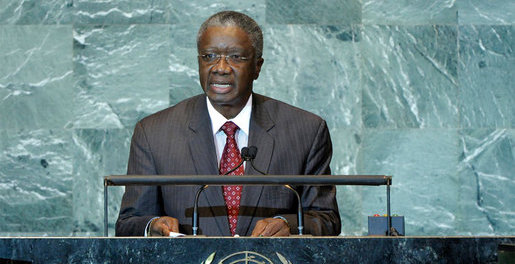
The article reports that Barbados plans to become a republic, as announced by Prime Minister Freundel Stuart. It is mentioned among other news briefs, with little analysis of the historical or social implications for Black Barbadians.

The article argues that Haiti's current crisis stems from centuries of foreign invasions, not internal failure, and warns that another military intervention will deepen suffering. It highlights how U.S. and Canadian actions perpetuate neocolonial exploitation, preventing Haitians from building a sovereign, dignified society.

The Black Alliance for Peace calls on regional leaders to oppose the renewal of the UN-backed Multinational Security Support Mission in Haiti, arguing it is a U.S.-orchestrated foreign intervention lacking legitimacy. The statement highlights Haiti's history of U.S. interference and the Haitian people's steadfast commitment to self-determination.

The article examines covert racism in Jamaica, arguing that colonial legacies, colorism, and economic exploitation keep Black Jamaicans in poverty while lighter-skinned elites and foreign investors control wealth. It highlights the denial of racism through framing inequality as class or color issues.

The article argues that Jamaica remains the second poorest Caribbean nation due to leadership that mimics Western models and prioritizes foreign approval over local needs. It calls for a shift toward self-reliance, inspired by Singapore, to break the cycle of dependency and underdevelopment.

The article highlights Jamaica's tourism boom and the stark divide between resort wealth and local communities, which remain impoverished without access to higher education or ownership. It argues that the system perpetuates colonial-era economic dependency by training Black Jamaicans for service roles instead of empowering them.
The article argues that Jamaica's reputation for racial harmony masks deep covert racism rooted in colonial history. It highlights how economic inequality, colorism, and classism disproportionately harm Black Jamaicans, who are concentrated in poor inner-city slums while lighter-skinned elites control wealth and power.
This article examines how Jamaica's shift to a tourism-dependent economy, driven by Edward Seaga's neoliberal policies and continued by Andrew Holness, has created inequality and vulnerability. It argues this model functions as a modern plantation economy benefiting foreign investors and a local elite while offering meager wages to most Jamaicans.
Caribbean nations are demanding reparations from the UK during an official visit, calling for a Marshall Plan-style investment to address the legacy of colonialism and slavery. The delegation argues that Britain has a moral and economic responsibility to rectify historical injustices.
Caribbean nations are preparing to demand $33 trillion in reparations from former European colonial powers for the legacy of slavery and colonialism. The claim highlights ongoing economic disparities and structural inequalities rooted in historical exploitation.

This article presents the Caribbean case for reparations, arguing that colonialism and slavery continue to cause economic, social, and psychological harm. It highlights the CARICOM Reparations Commission's 10-point plan and recent successes like the University of Glasgow agreement. The piece calls for a regional summit to turn apologies into concrete action.

The Caribbean Reparations Commission is engaging with UK officials and academics to negotiate reparations for historical injustices. The delegation seeks mutually beneficial justice, highlighting ongoing structural inequalities from colonialism.
This article makes the case for Caribbean reparations for slavery and colonialism, highlighting the CARICOM Reparations Commission's 10-point action plan and connecting the legacy of colonialism to modern injustices like the murder of George Floyd. It argues that reparations are a non-negotiable demand to address centuries of economic, cultural, and ecological harm.
The article argues that foreign interventions in Haiti, even when requested, fail without a credible local political roadmap. It warns that such intrusions often deepen instability and ignore the historical and structural roots of Haiti's crises.

The article argues against a proposed U.S.-backed armed multinational force for Haiti, emphasizing that Haitians overwhelmingly oppose foreign intervention due to a long history of harmful external interference. It highlights that the current crisis stems from U.S. backing of illegitimate leaders and that previous U.N. missions caused human rights abuses and a cholera outbreak.

The UN is nearing approval of an armed intervention in Haiti, requested by the de facto prime minister, amid gang violence and a political vacuum. Critics argue the US is propping up an illegitimate government with no incentive to hold elections, repeating a pattern of external interference.
The article argues that Russia has a duty to defend Cuba from a potential U.S. invasion, citing the 1962 agreement and U.S. hostilities since the Cuban Revolution. It critiques U.S. charges against Raul Castro as a pretext for military action.

The article advises Jamaican diaspora members to hire local experts when buying property in Jamaica, emphasizing due diligence and patience. It highlights a webinar by the JN Group promoting professional guidance to protect buyers' interests.
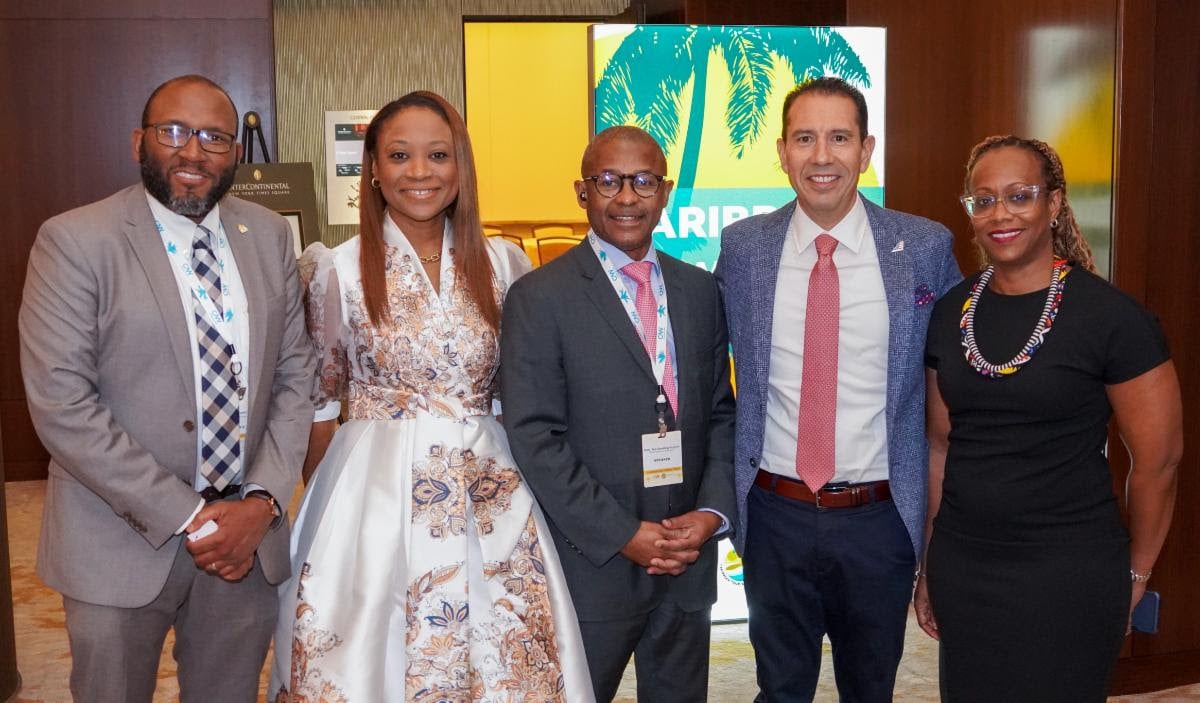
Senior Caribbean tourism officials will gather in New York for Caribbean Week 2026, focusing on regional collaboration and industry growth. The event includes policy discussions, marketing conferences, and awards, aiming to promote the Caribbean as a unified global destination.
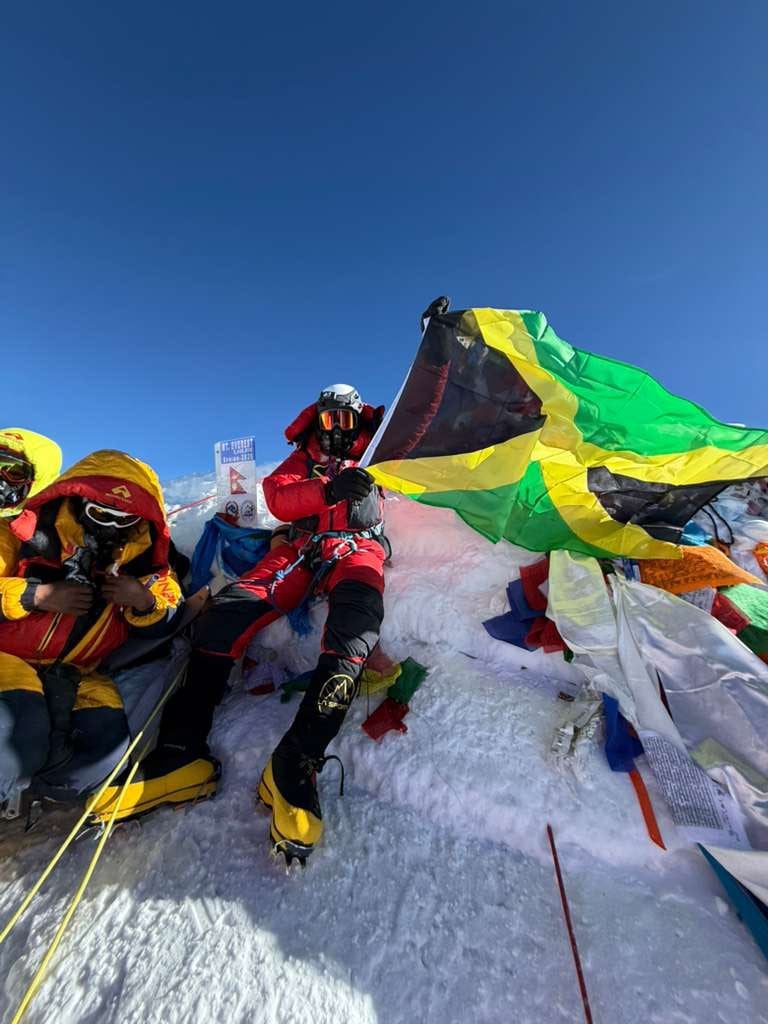
Jamaican-born mountaineer Rohan Freeman summited Mount Everest for the second time, becoming the first Jamaican to do so. Prime Minister Andrew Holness praised his achievement, which also includes completing the Seven Summits challenge.
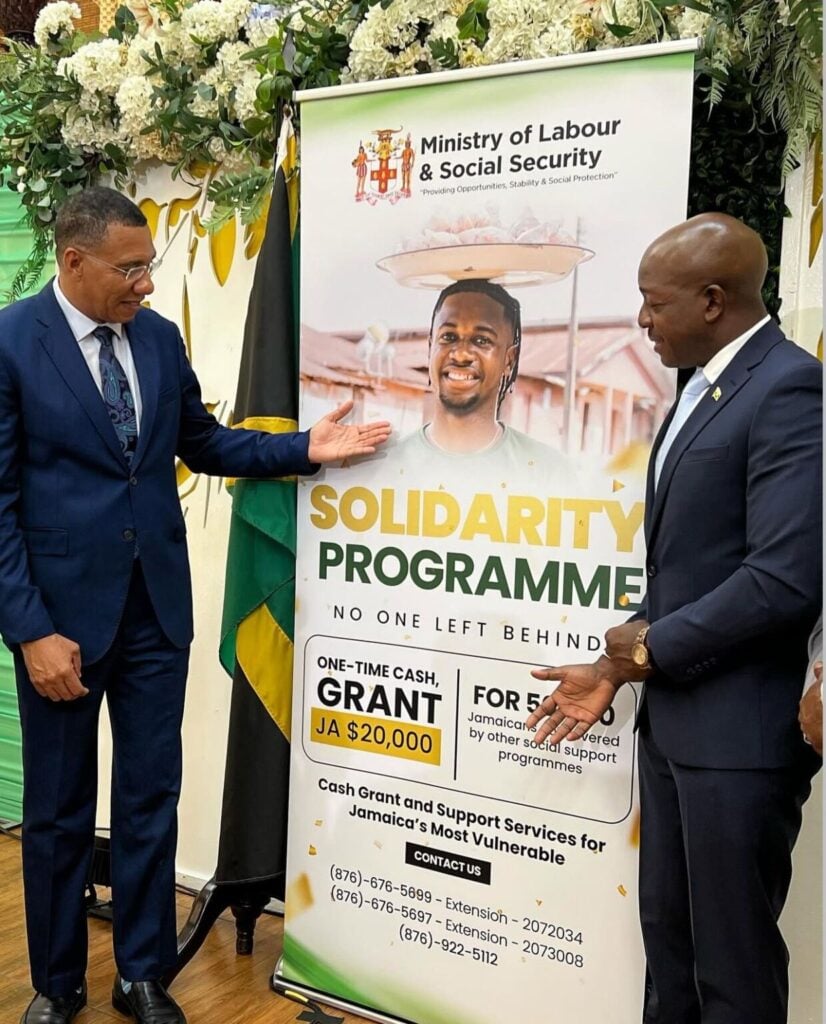
Millions of dollars allocated for Jamaica's Solidarity Programme to aid vulnerable citizens were left unused and returned for debt reduction. Lawmakers criticized the program's design and eligibility rules for failing to reach those in need.

The 19th annual Best of the Best Music Fest in Miami brought thousands of reggae and dancehall fans together despite rain. Performances by top Caribbean artists highlighted the resilience and energy of the community.
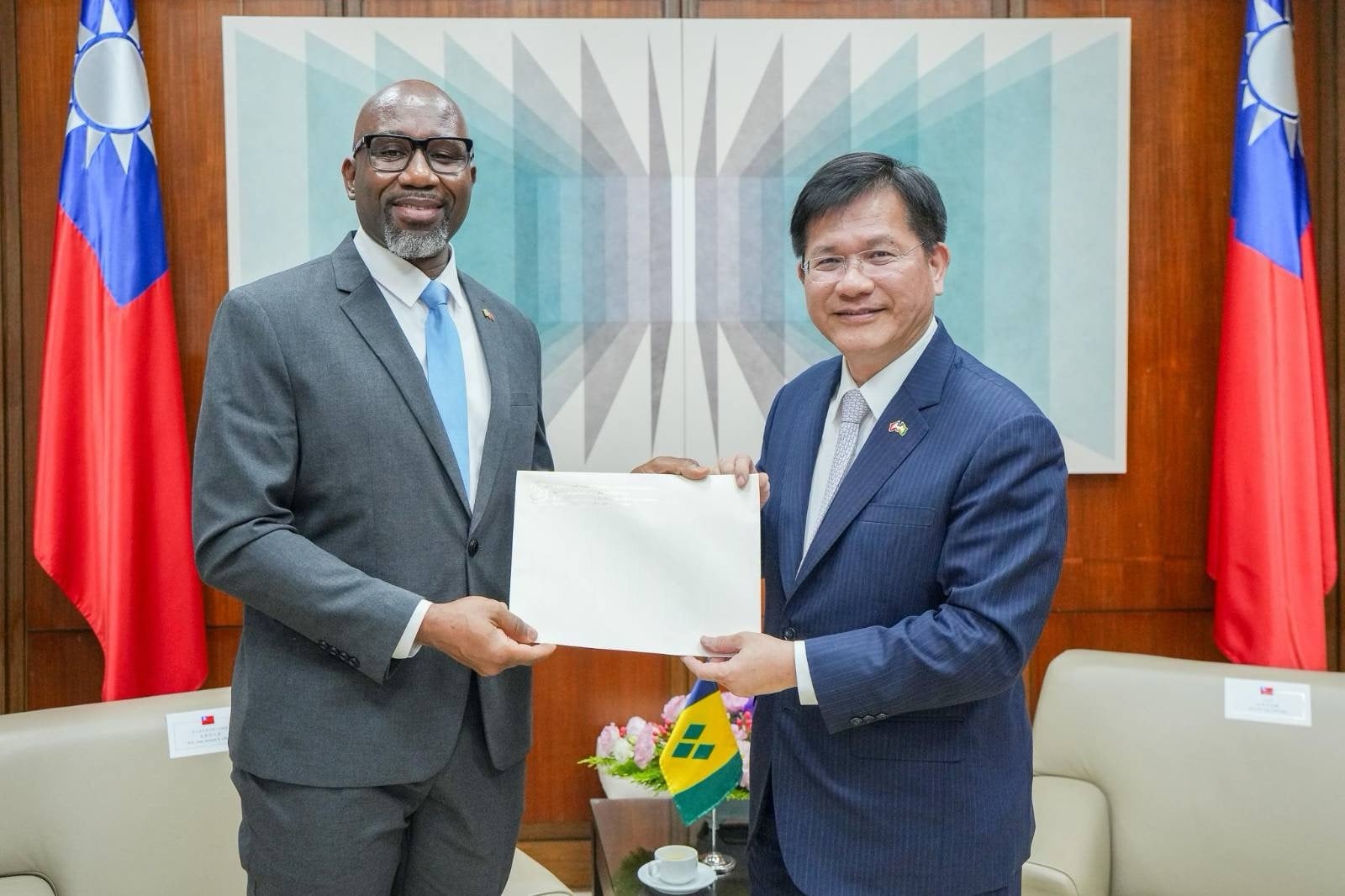
Saint Vincent and the Grenadines' new ambassador, Kenton Chance, presented his credentials in Taiwan, marking 45 years of diplomatic relations. Chance, a former scholarship recipient in Taiwan, emphasized the personal and symbolic significance of his appointment.

Antigua's government celebrates a US$200 million luxury resort at Long Bay, positioning it as a high-end tourism draw. Prime Minister Browne promises fair wages for workers, but the deal primarily benefits foreign investors.
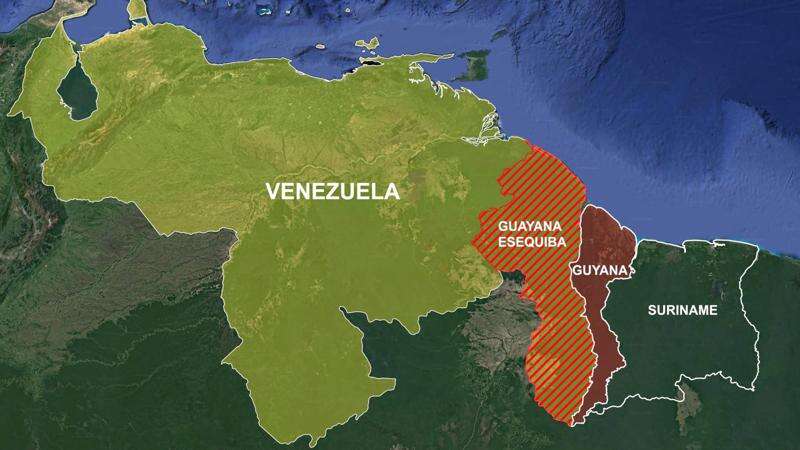
French President Macron reaffirmed support for Guyana's sovereignty amid border tensions with Venezuela over the Essequibo region. The letter highlighted growing diplomatic and security cooperation, including France's opening of an embassy in Georgetown.
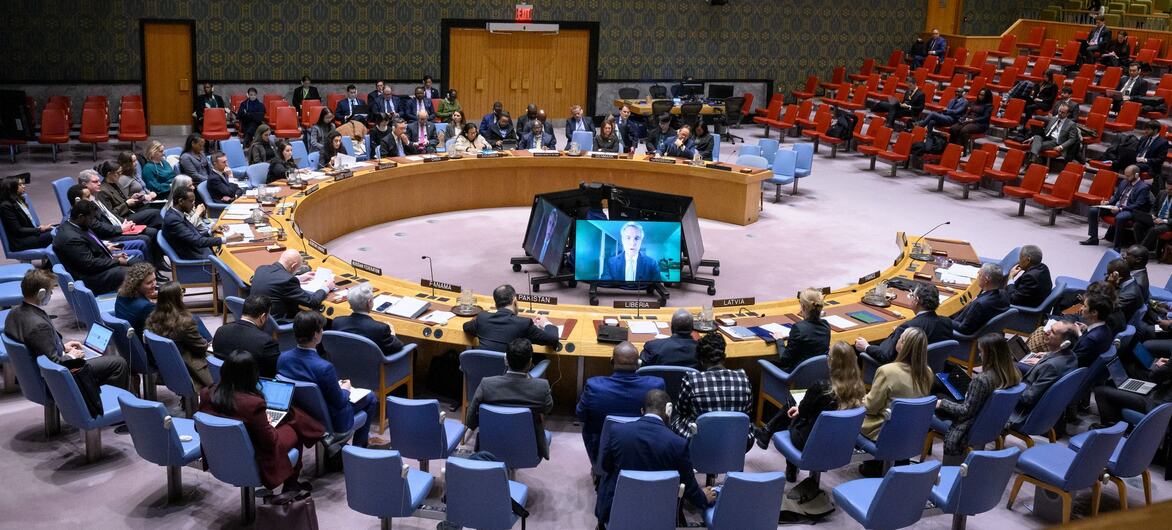
The UN reports nearly 1.5 million displaced in Haiti due to rampant armed violence, with most hosted in vulnerable communities. The humanitarian response remains severely underfunded, while political instability deepens.
The Nevis Tourism Authority promoted the Nevis Mango Festival at Miami's Food, Wine & Fete event, using a branded mango popsicle cart and a drone light show. The effort targeted the Caribbean diaspora and culinary tourists in South Florida to boost Nevis's visibility as a travel destination.

This is a legal notice from Daily News Limited (Newsday) in Trinidad and Tobago, informing creditors of the company's status in 2026. It is a formal announcement regarding debt and creditor claims, with no editorial content.

The article announces that forms are open for an asset sale, providing a link to submit applications. No further details about the assets or context are given.

This brief notice appears to be a generic announcement, likely about a service change or deadline. It provides no substantive information about people or events.

A notice announces the appointment of a liquidator for an unnamed entity in Trinidad and Tobago under a 2026 order. The publication treats the liquidation as a routine administrative event, obscuring how such closures disproportionately affect Black-owned businesses and local employment.

A Trinidadian High Court judge ruled that public protests do not require police permission, clarifying a legal distinction between protests and marches. The case involved a businessman who was unlawfully instructed to stop his one-man protest against the government's safe-zone policy.

CCTV footage contradicts police claims that Joshua Samaroo and Kaia Sealy were challenging officers; it shows Samaroo with hands up before being shot 17 times. Public outrage has grown, and the Police Complaints Authority is investigating while the police commissioner's initial account is discredited.

The TT Chamber of Industry and Commerce urges a phased approach to a 77% natural gas price hike, warning of higher consumer prices and reduced export competitiveness. The chamber calls for subsidies and tiered pricing to protect vulnerable households while defending business interests.

The Newsday Reporter article covers crime and unemployment data in Trinidad and Tobago. Black communities are depicted primarily through statistics without context of structural inequality. This framing obscures the role of colonial legacy and economic exploitation.
Margaret Price-Findlay, a Trinidadian jurist, has been confirmed as Chief Justice of the Eastern Caribbean Supreme Court, becoming the first woman from Trinidad and Tobago to hold the post. The article highlights her career path, emotional reflections, and calls for unity, without addressing structural inequalities in the region.

A North Carolina man was sentenced to over 10 years for selling personal data of millions of elderly Americans to Jamaican scammers, who used it in lottery fraud causing $9.5 million in losses. The scheme operated from 2016 to 2023, with the defendant profiting over $5.2 million. Jamaican scammers are highlighted as the primary perpetrators.
Retired Jamaican actress Pauline Stone Myrie defends the use of Jamaican patois in Parliament and in schools, arguing it is a legitimate language tied to identity. She criticizes politicians who ban patois in Parliament while using it to campaign, and urges younger Jamaicans to value traditional cultural forms like Hill & Gully.
Barbados proposes the Criminal Gangs Prevention And Control Bill, 2026, with penalties of 10 to 25 years for gang involvement. Officials emphasize the need to combat organized crime, defining a gang as three or more people engaged in criminal activity.
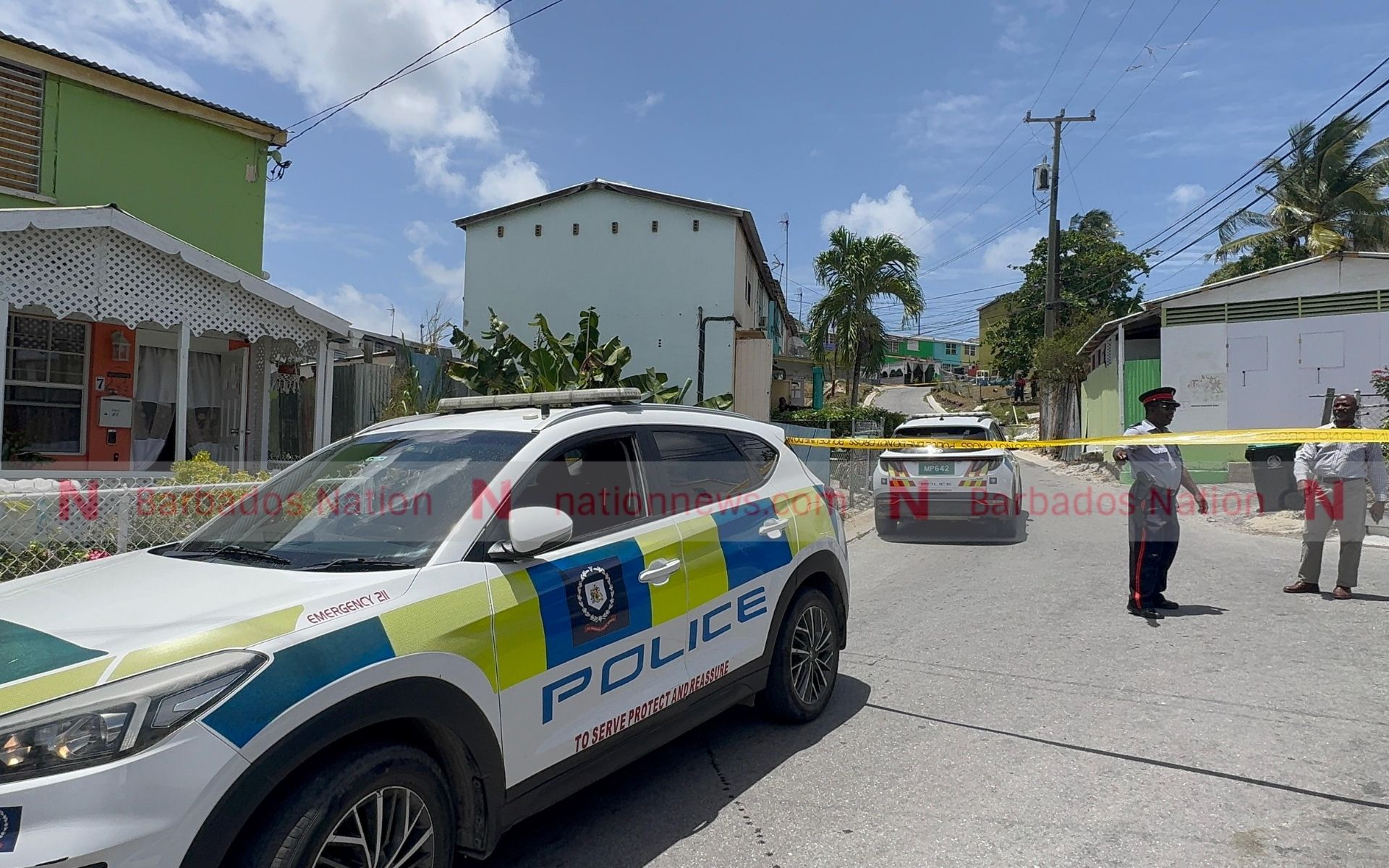
A man was shot and killed in Pinelands, Barbados. Police have cordoned off the area and are appealing for witnesses. The report focuses on police actions and the investigation, with minimal information about the victim.

A man was shot at Regent Hill, The Pine, St Michael, Barbados, and police have confirmed he was unresponsive at the scene. The brief report provides no context about the victim or circumstances beyond the police statement.

Theresa Small's daughter Thalisa, born with a rare metabolic disorder, was denied vital medication by Queen Elizabeth Hospital in Barbados. After relocating to the US, Thalisa graduated from culinary school, showcasing personal success despite ongoing health challenges.

The Barbados government's Vector Control Unit released a fogging schedule for mosquito control in several districts over the week of May 25 to 29, 2026. Residents are advised to open doors and windows during spraying and keep children away from the fog.
The CEO of Queen Elizabeth Hospital in Barbados is advocating for a Caribbean network of hospital leaders to share best practices and accelerate healthcare transformation. He notes that geography and a lack of communication have hindered regional cooperation.
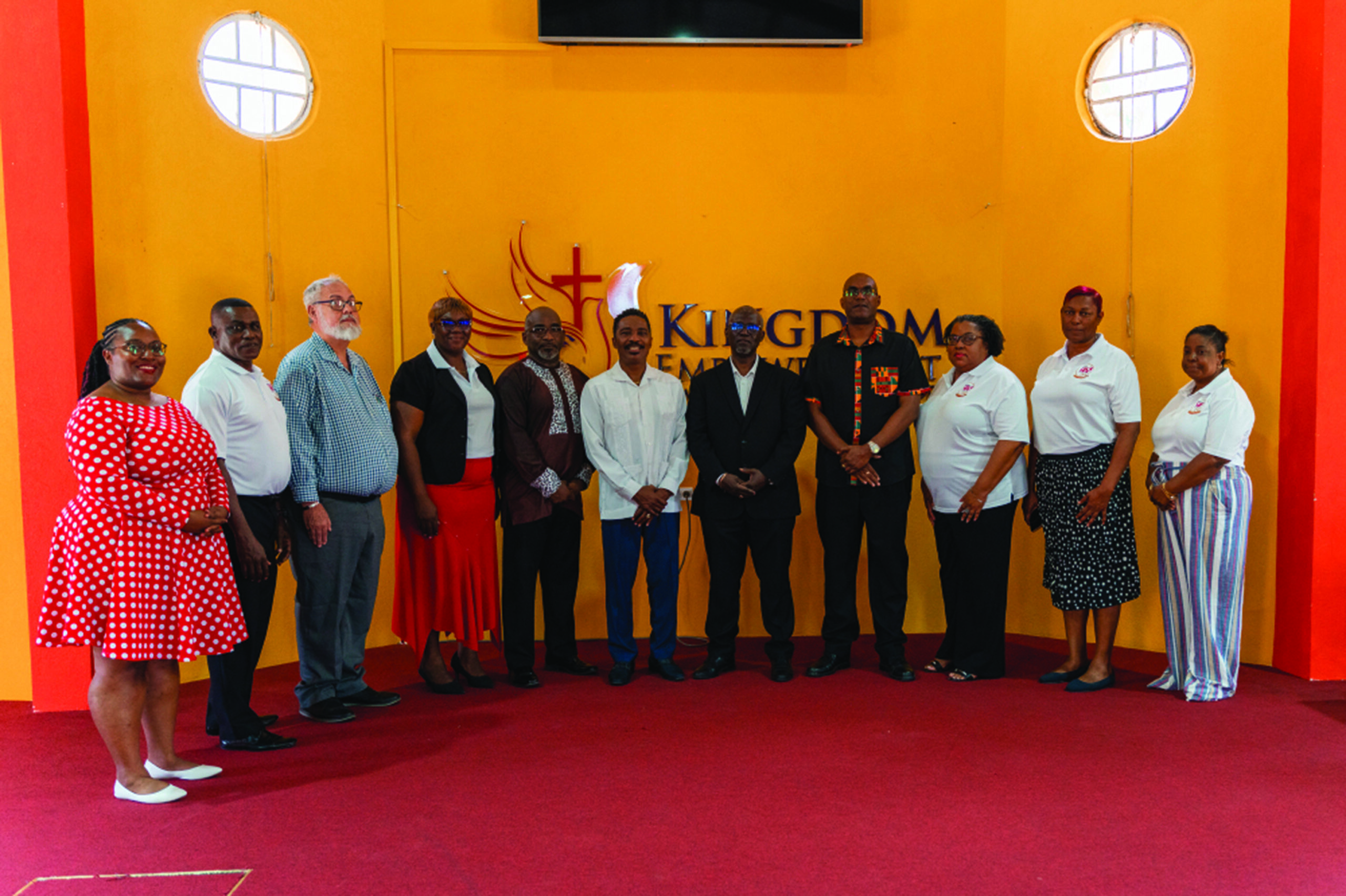
The article commemorates the 25th anniversary of Barbados' National Wellbeing & HIV Commission, highlighting its role in HIV awareness, prevention, and support. It emphasizes community partnerships and a holistic approach to wellbeing beyond healthcare.
Barbados has activated heightened surveillance and screening measures at ports of entry in response to an Ebola outbreak in Africa, though the risk to the island is considered low. Health authorities emphasize the country's preparedness and capacity to manage potential cases, drawing on lessons from the COVID-19 pandemic.
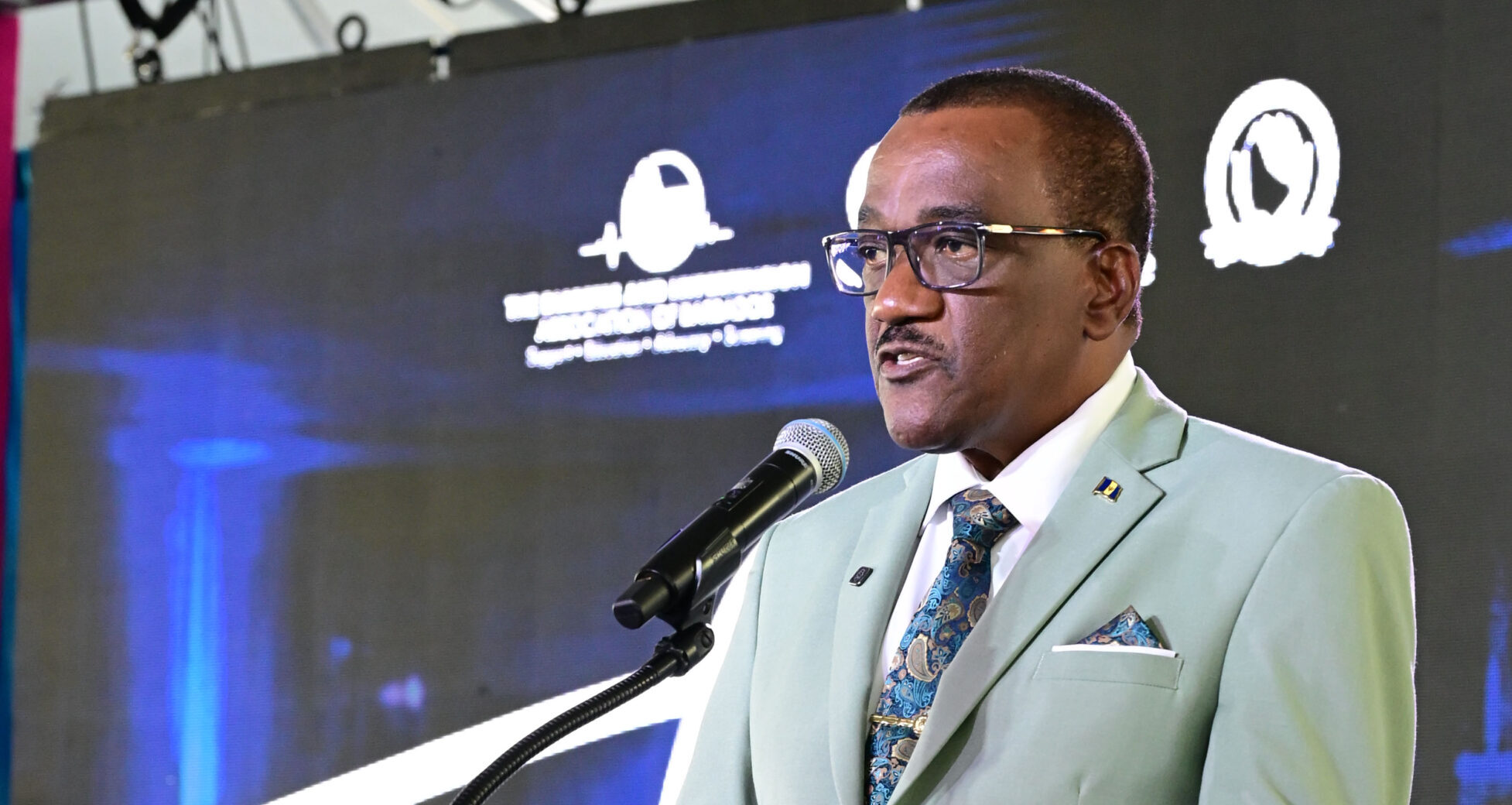
Barbados President Jeffrey Bostic calls for community-level engagement and cultural adaptation to combat noncommunicable diseases, emphasizing early screening and education. He highlights the need to align health policies with local traditions rather than abandoning them.

Shervon Grant, known as 'Batman,' pleaded guilty to manslaughter for a 2014 killing outside a St James bar. He was sentenced to just over four years after credit for time served, with the court noting his intoxication and remorse.

A High Court judge ruled that the Trinidad and Tobago Coast Guard unlawfully delayed deciding on O'Brian Lightbourne's promotion complaint for over a year, ordering a decision within seven days. Lightbourne, a senior officer nearing retirement, argued the failure breached the Defence Act and affected his benefits and prestige.
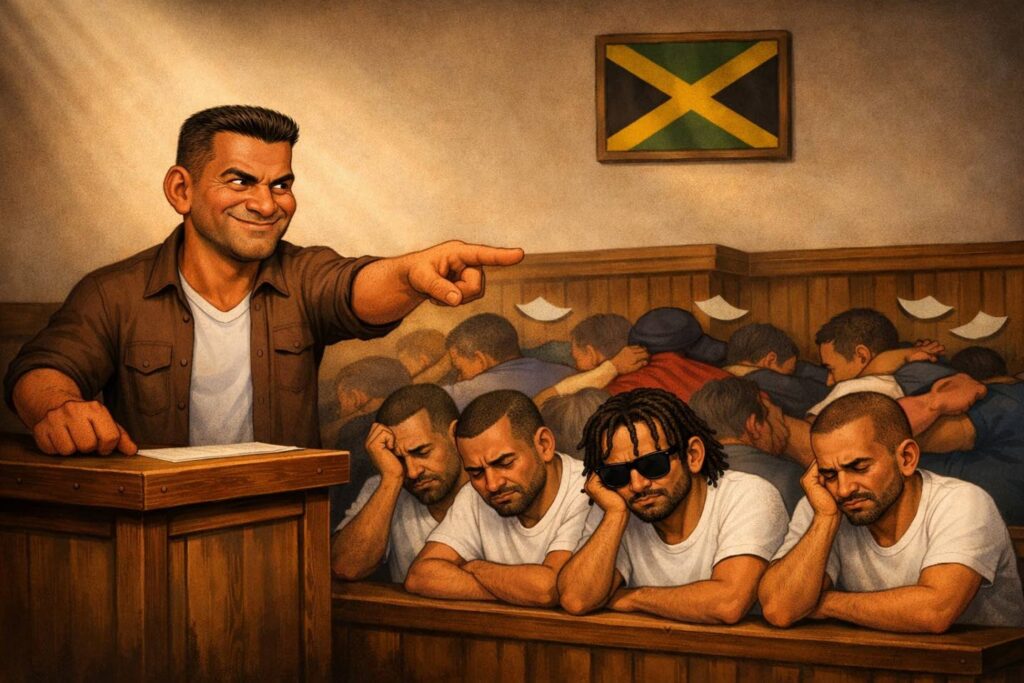
A former police officer quickly identified Carlos Williams, an alleged Klansman gang member, in a courtroom despite a shuffle and attempted shirt swap by defendants. The judge halted the clothing exchange, and the officer pointed out Williams from among 25 accused in the ongoing trial.

A Jamaican judge refused the prosecutor's request to exclude media from a murder trial of six police officers for the 2013 killings of three men. Defense attorneys complained of unfair prosecution tactics, including late evidence filings. The trial continues.
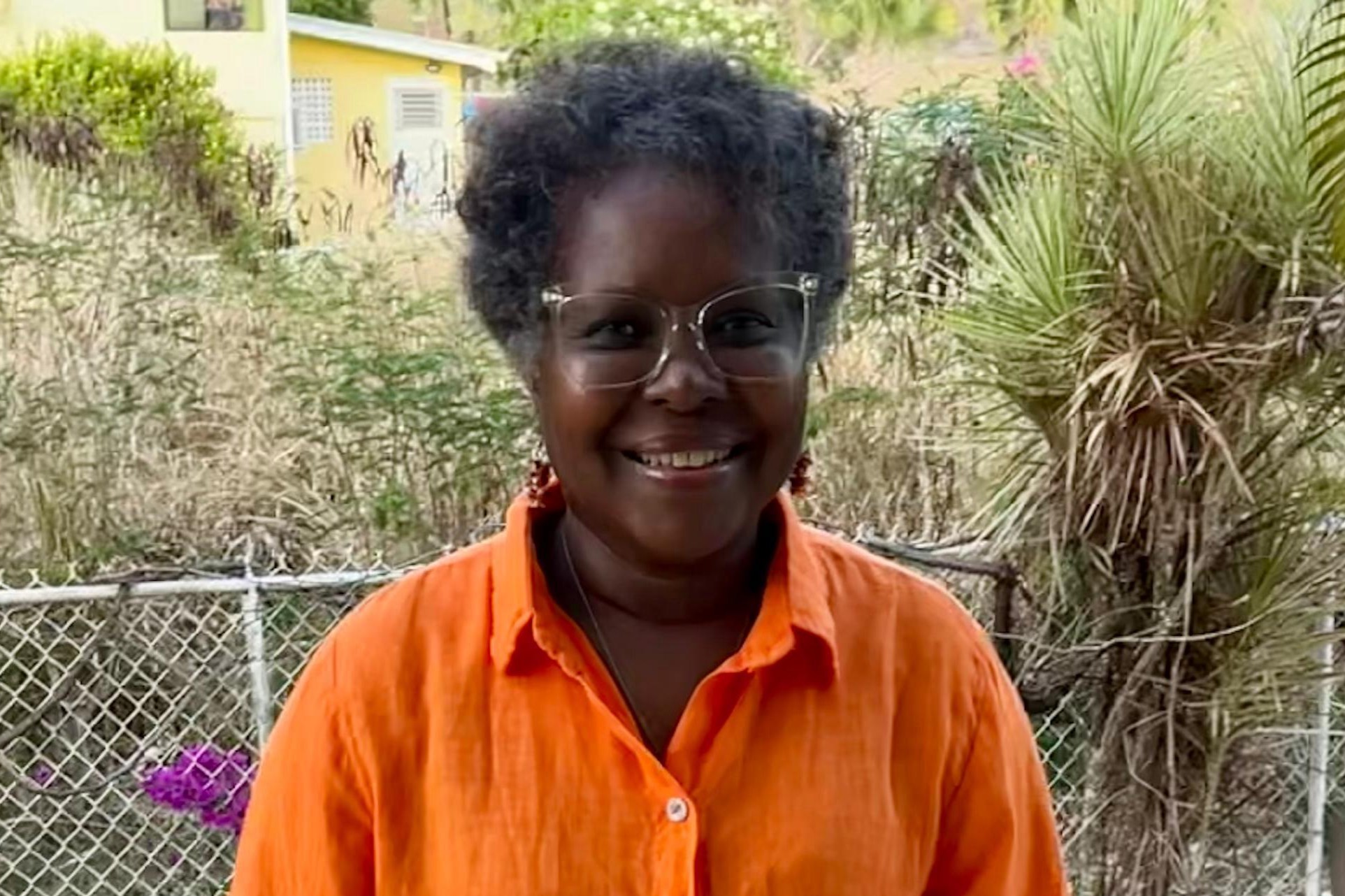
Former judge Sonia Richards is suing the Barbados government for defamation and breach of contract over her treatment by the former chief justice. The case has been adjourned until July, with procedural issues to be resolved first.
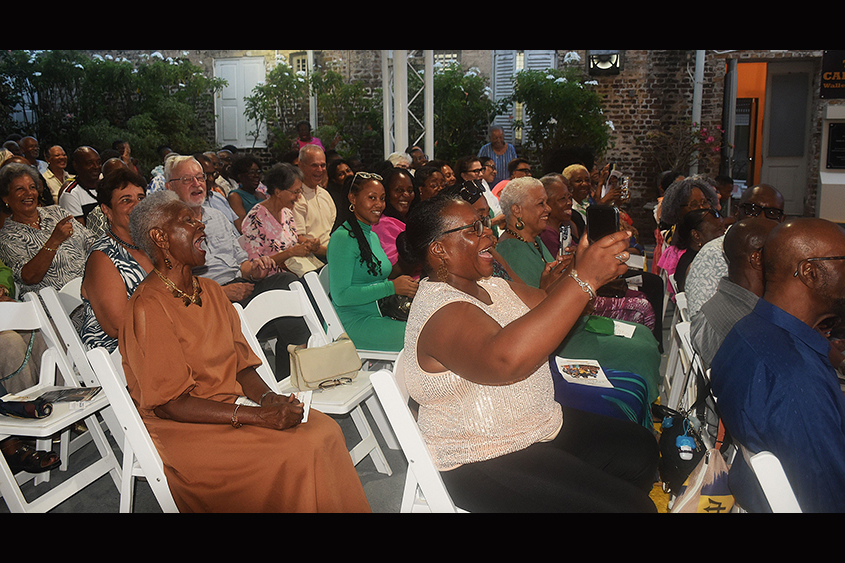
The BARP Charitable Trust held a fundraising concert at the Barbados Museum to support vulnerable seniors, featuring performances by local entertainers like Sonny Meraki and Mighty Gabby. The event highlighted the quiet struggles of elderly Barbadians facing medical and housing challenges, with organizers emphasizing community and corporate generosity.

Mark Maloney leads Rally Barbados after a rain-soaked opening stage at Bushy Park. Coverage focuses on driver times, cars, and conditions, with no reference to race or structural issues facing Black communities in Barbados.
Former Turks and Caicos premier Michael Misick was sentenced to over four years in prison for bribery in a major corruption case. The judge emphasized the betrayal of public trust and the need for deterrence.
IDB Invest plans to increase funding to Barbados to up to $100 million annually, focusing on infrastructure, water, sanitation, and housing. The article frames Barbados as a key climate-vulnerable partner and a land of opportunity for investors.

Shanae Daniel, a young Barbadian woman, became one of the country's youngest commercial pilots after abandoning plans to become a doctor. The story highlights her determination and the financial challenges of flight training.

The Democratic Labour Party criticizes Barbados' proposed anti-gang bill for focusing too much on punishing low-level offenders rather than dismantling the financial networks behind organized crime. They call for stronger asset seizure and investigation powers, drawing comparisons with Jamaica and Trinidad.

Six Jamaican men advanced to the NCAA Outdoor Championships discus final, with several others qualifying in track and field events. The story highlights their athletic achievements without any reference to systemic issues or racism.
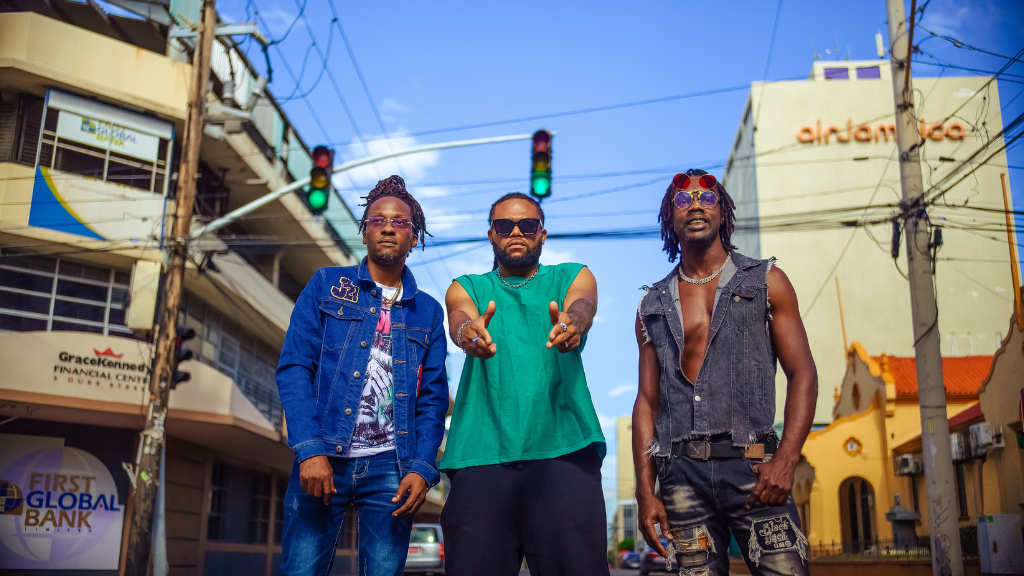
Tower Band, a Jamaican live dancehall group, is launching a new mixtape titled "Dancehall Future" at Supa Heavy Wednesdays in New Kingston. The event will feature guest artists and showcase the band's unique approach to dancehall music.
Bob Marley's song 'Jamming' has been certified double platinum in the UK nearly 50 years after its release, recognizing over 1.2 million units in sales and streaming. The article highlights commercial achievements and chart history across multiple countries and decades.

Sri Lanka's Buddhist hierarchy suspended a senior monk accused of sexually abusing an 11-year-old girl. The case has shocked the religiously conservative nation, with the monk's suspension occurring on Vesak day.

Naomi Osaka defeats Iva Jovic in the French Open third round, extending her best run at Roland Garros. The article focuses on her fashion, composure, and serve, avoiding any discussion of race or systemic issues.

Attorneys in Westmoreland, Jamaica, are demanding the government prioritize the restoration of the parish court, which has been operating in inadequate facilities since Hurricane Melissa. The court's displacement has caused a backlog of cases and imposed a burden on litigants, who must travel outside the parish at their own expense. This has compromised access to justice for the most vulnerable citizens.
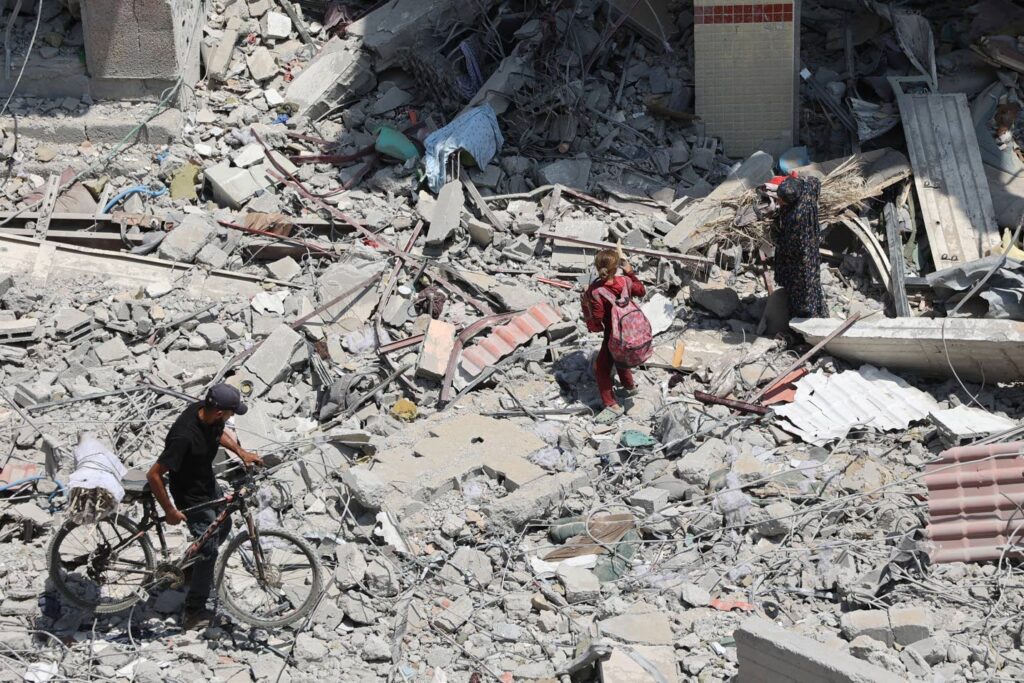
The UN reports a significant increase in conflict-related sexual violence worldwide

A section of the Lacovia to Holland Bamboo main road in Jamaica will be closed on Sunday for emergency infrastructure works. The closure is necessary to replace a damaged pipe culvert, which has caused hazardous driving conditions. Motorists will be diverted through Cuffies Pen during the closure.
