
BLACK WORLD NEWS
What matters to you, today
What matters to you, today
26 stories collected so far. Newest first.
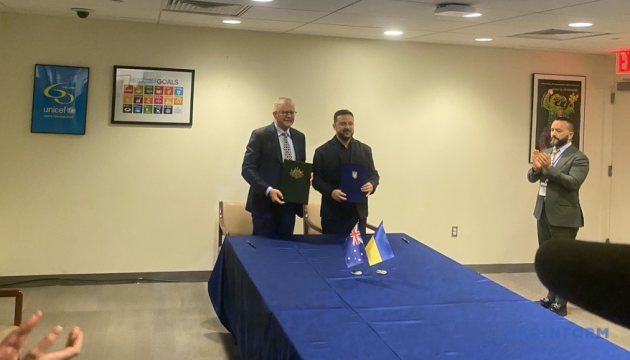
Ukrainian President Zelensky and Australian Prime Minister Albanese signed a bilateral security and strategic agreement on the sidelines of the UN General Assembly. Australia pledged an additional $60 million in military and humanitarian support and committed to long-term cooperation with Ukraine.

The article lists drug and alcohol rehab centers in Mumbai, focusing on treatment types and provider criteria, without any reference to Black communities or racial dynamics.

The TTS 2026 congress in Sydney invites global transplant professionals to share research and improve patient outcomes. It begins with an acknowledgment of Aboriginal and Torres Strait Islander peoples, but the content rarely centers on Indigenous health disparities or community-specific barriers to transplantation.

The Diggers and Dealers Mining Forum is an annual Australian mining investment event where listed companies present to investors and financiers. The coverage focuses on industry networking and corporate presentations, with no mention of Black or Indigenous communities, despite the industry's historical and ongoing impact on Indigenous lands.
A 16-year-old girl with acute mental health needs waits over 60 hours in two Perth emergency departments without receiving psychiatric care, as her mother struggles to find a bed. The story illustrates the broader crisis in Australia's mental health system, particularly for teenagers.

The story advertises upcoming Indian government jobs, highlighting pay and benefits, but offers no analysis of systemic barriers. It treats all applicants equally, ignoring how structural inequalities affect marginalized groups, including Black communities in India.

Lynas Rare Earths promotes its operations in Australia and Malaysia, emphasizing high-tech and green applications. The company highlights environmental certifications and local hiring, but the story omits any discussion of the social or environmental costs borne by Black and Indigenous communities near extraction sites.

KalGold has signed a heritage agreement with the Kakarra people, a step that allows mining to proceed on their ancestral lands. The agreement is framed as a positive development, but the underlying power imbalance and historical dispossession remain unexamined.

This page explains what rare earth elements are and why they are called rare. It focuses on the science and mining viability without addressing social or environmental impacts.

Afiyah Capital is promoting the Muslim Wealth Summit 2025, focusing on Sharia-compliant wealth building during economic uncertainty. The event aims to help Muslim Australians navigate property finance with clarity and faith-aligned principles.

Australian footballer Cristian Volpato is under investigation after allegedly testing positive for cocaine in a roadside test following two speeding incidents in Sydney. His driver's license has been suspended while police analyze a secondary sample.

This article provides an overview of upcoming Indian government jobs in 2026, covering notifications from central and state agencies like UPSC, SSC, and Railways. It highlights the high demand for stable government employment and advises aspirants on eligibility, exams, and deadlines.
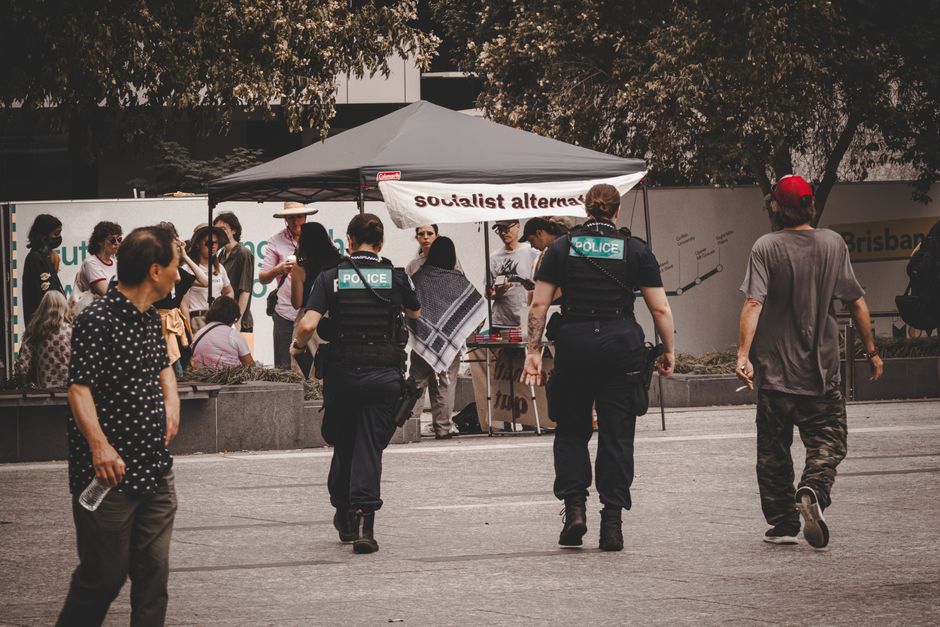
Indian Prime Minister Narendra Modi and Australian Prime Minister Anthony Albanese held the third annual summit to deepen strategic cooperation in sectors like defense, trade, and technology. The page could not be loaded due to a server error.

Chinese officials report a sharp increase in foreign drug trafficking arrests, stating that most suspects are African. The story highlights African involvement in smuggling heroin, marijuana, and methamphetamine, linking them to global drug networks.

Australia is expanding transnational education in India, with universities setting up campuses and events to attract Indian students. The story highlights economic and diplomatic benefits, but does not mention Black communities.
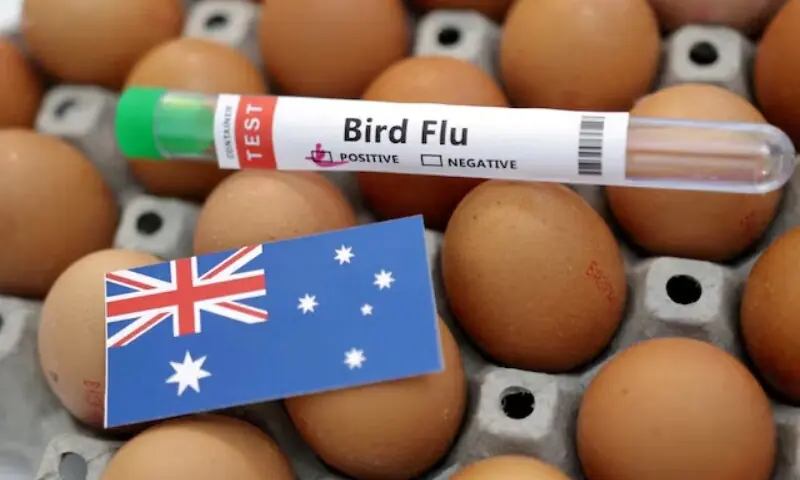
Australia detected its first case of H5 bird flu in a seabird, though the virus has not spread to poultry or human populations. Officials are monitoring the situation as the strain has caused severe impacts on wildlife elsewhere.

Australia and Vanuatu signed a security agreement that bans foreign military bases on the island nation, reinforcing Australian influence in the region. The deal reflects ongoing geopolitical competition between China and Western powers in the Pacific.

Resources & Energy Group (REZ) signed a binding term sheet with Rembrandt Mining to develop the Maranoa gold deposit in Western Australia. The deal focuses on gold mining and production, with no mention of Indigenous land rights or community impact.

This page aggregates numerous Indian government job vacancies across ministries and states, inviting all citizens to apply online. It promotes employment benefits and exam tips but does not address or mention racial or caste-based disparities in hiring.

The article examines how the Great Depression disproportionately impacted colonial economies like India, exposing the exploitative nature of British rule. It highlights agricultural collapse, rising poverty, and how the crisis fueled Indian nationalist movements for independence.
The article discusses opportunities from repurposing old mine sites in Australia, focusing on renewable energy and infrastructure projects. It highlights examples like the Kidston pumped hydro project but omits any mention of how these closures affect Indigenous communities.
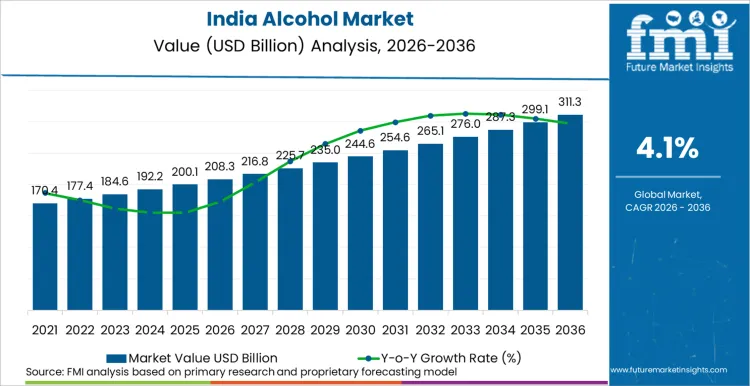
The report forecasts India's alcohol market growth driven by premium spirits, highlighting investment by major distillers like Pernod Ricard. It focuses on economic trends without examining social or health impacts.
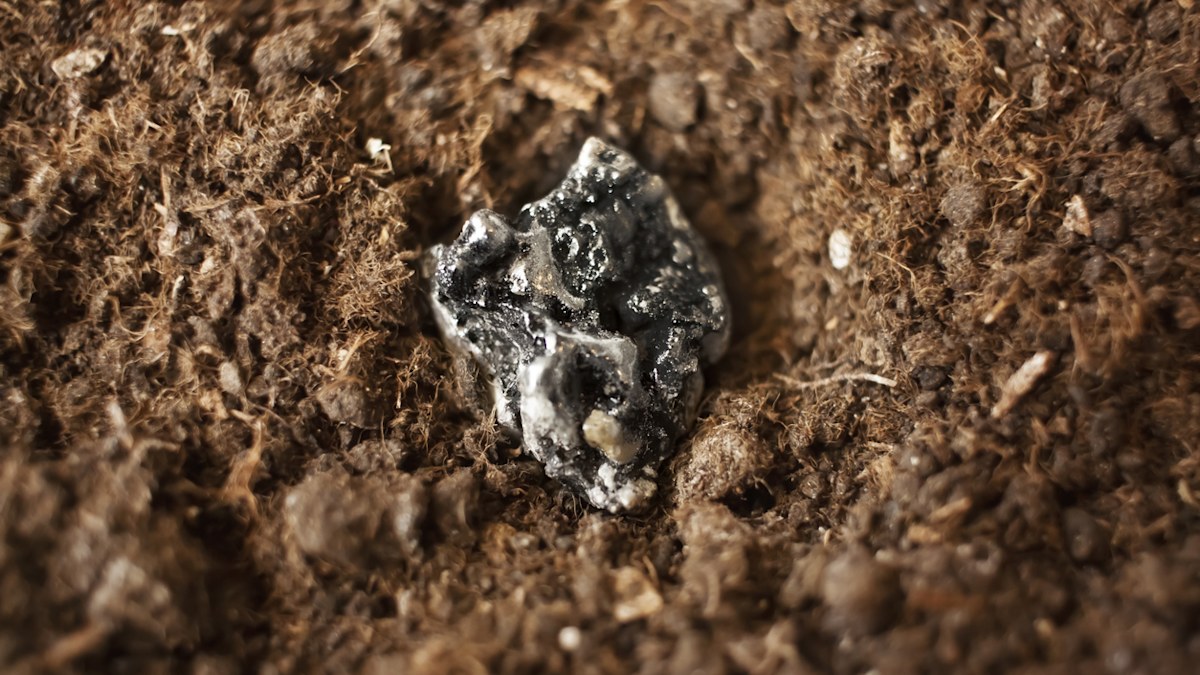
The article explains what rare earths are, why they matter for technology and defense, and how Australia is positioned in global supply chains amid tensions with China. It focuses on extraction challenges and geopolitical competition, without discussing local community impacts.

This study surveys NGO alcohol and drug treatment services during COVID-19, focusing on operational disruptions and client needs. It does not disaggregate data by race, obscuring how colonial legacies and targeted marketing affect Black communities disproportionately.

The article reports the closure of a Bega Cheese factory in Strathmerton, raising concerns about local employment and economic stability. It discusses the broader impact on the community but does not mention any specific racial dynamics or Black communities.
Australia proposes overhauling its unemployment system with three tiers of support, but ignores a 2023 inquiry’s call to reduce private sector control. The reforms continue a focus on mutual obligations and cost-saving, leaving vulnerable groups like Black Australians without targeted assistance.